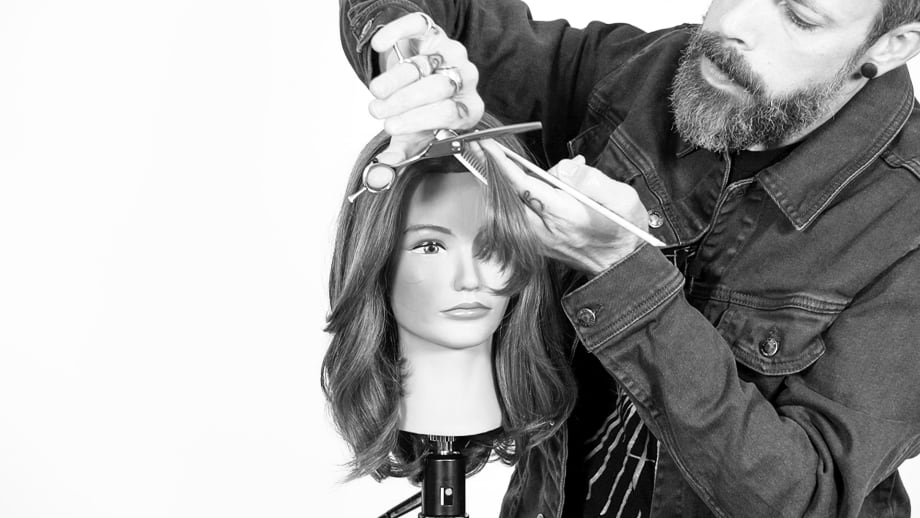
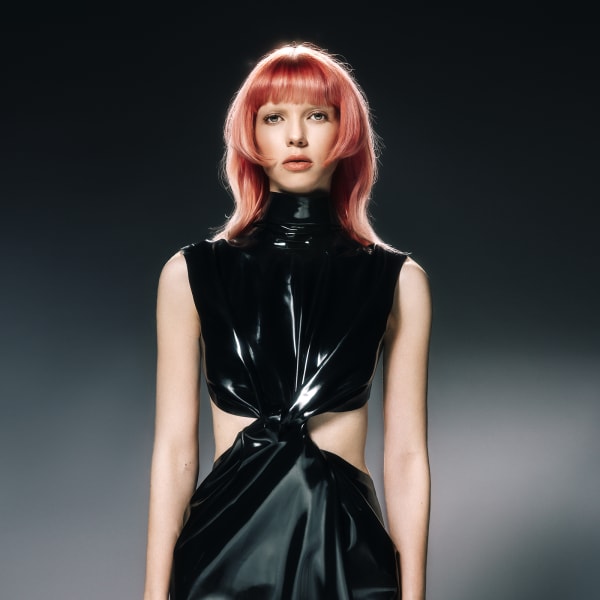
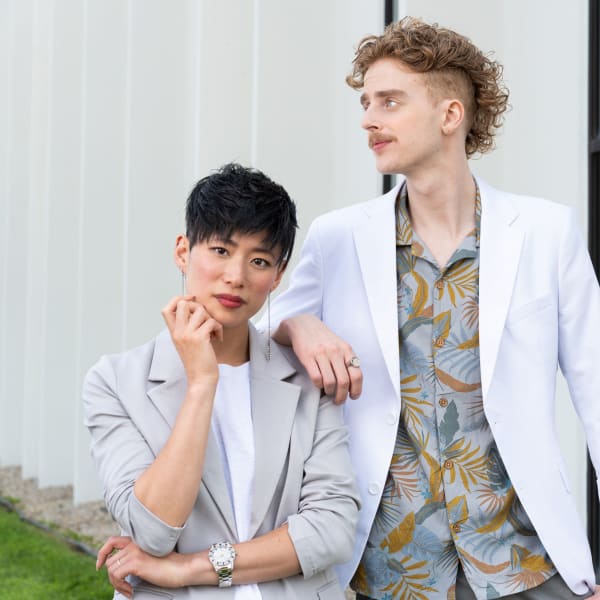
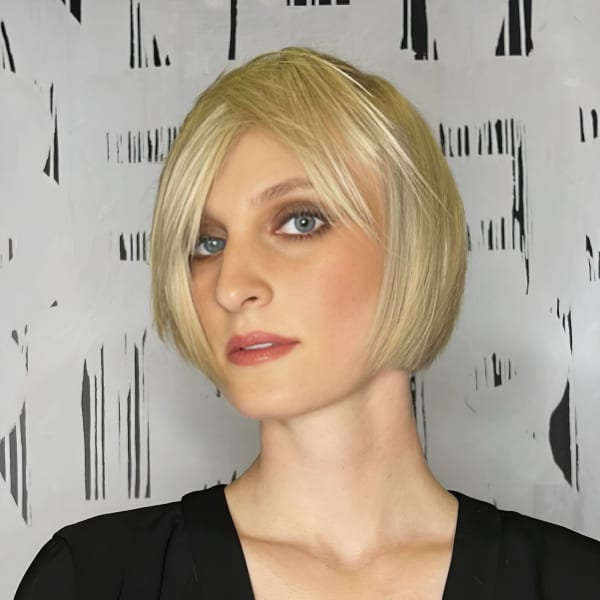
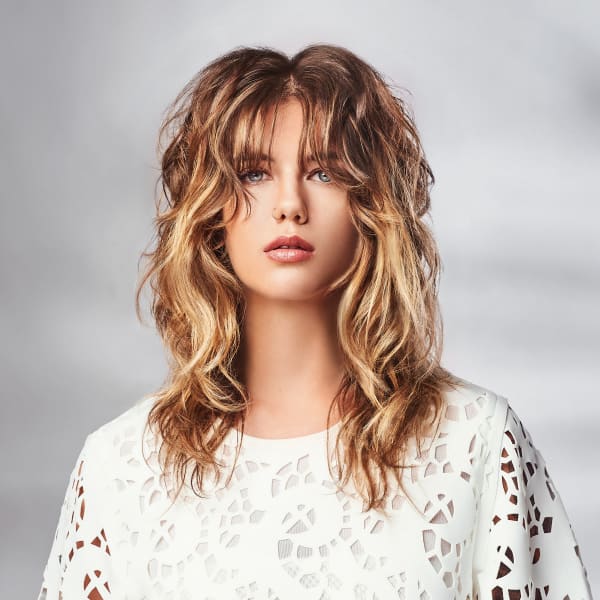
Regardless of hair texture, length or style, most outstanding haircuts beautifully frame the face. Andrew Carruthers, education director for Sam Villa, says that using photos during the consultation will help to manage expectations and that consultation is key for any change.
“Long layers can change dramatically with simple changes of elevation," Carruthers says. "When guests ask for change, it doesn't always mean removing a lot of length.”
Ad Loading...
In addition, Carruthers emphasizes that simple patterns - with great detailing - create structured shapes that last a very long time.
Here Carruthers shares his 10 musts on creating the perfect face frame:
1. Section the hair where you want the face frame to end so that it doesn't sneak too far back into the perimeter.
2. Use elevation to adjust density based on the texture of hair.
3. Create a visual guide points to insure you cut the perfect lengths.
Ad Loading...
4. Sectioning should be based on natural head shape and the major transitions in the hair cut to upgrade the standard "4 quadrants".
5. Don't blunt cut when you want a textured finish. It's more efficient to build texture through point cutting, slicing, or razor work as you create the shape.
6. Don't be afraid to detach (or disconnect) the layers from the perimeter, especially on fine hair. This allows the layers to go shorter without taking away density from the perimeter.
7. Be strategic with texturizing. Really examine where the weight or visual texture needs to be adjusted to balance with the rest of the shape.
8. Use the right tool for the right job. Having an assortment of shear lengths and designs upgrades your performance and shows your commitment as a craftsperson.
Ad Loading...
9. Understand the foundations of elevation, over-direction, and finger angle first! All the creative “stuff” comes easy with a great foundation.
10. The blow dry is just as important as the haircut itself. Your client will judge the quality of work on how she looks in the mirror, not on perfect layering.
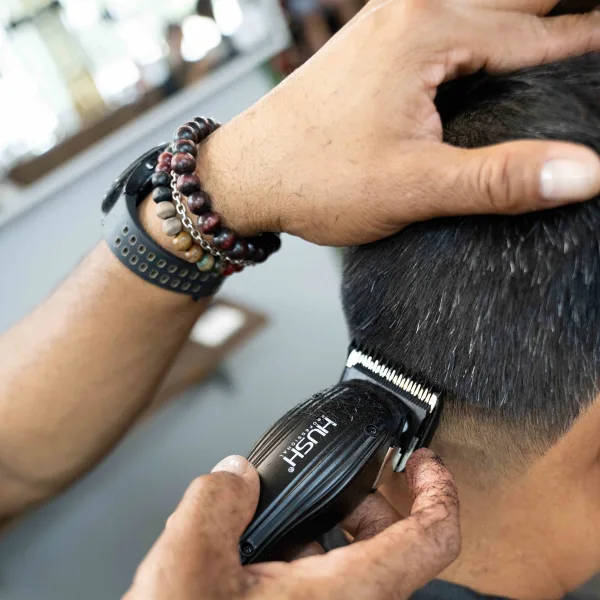
HUSH Pro USA addresses an overlooked Issue: the stress of loud clippers and trimmers. Inspired by the need for more accessible and comfortable grooming experiences, the company develops clippers and trimmers engineered for control, precision, and reduced noise.
With more than four decades in the industry, hairdresser and MODE Education founder Stan Newton has built a career around the art and discipline of cutting hair, learning the rules so he can break them.
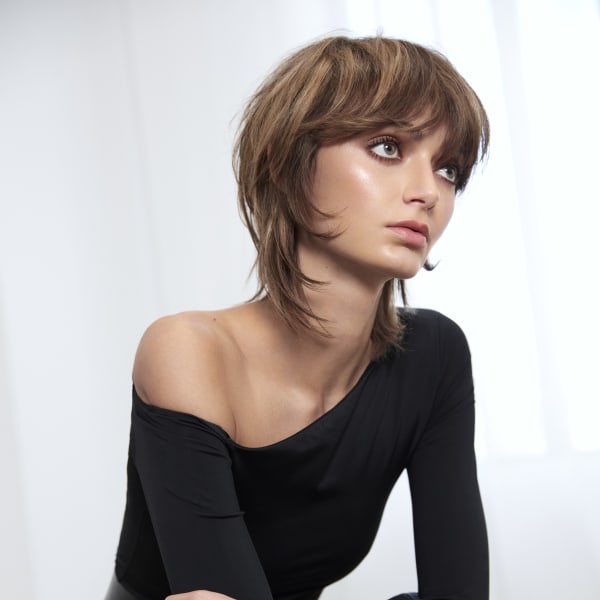
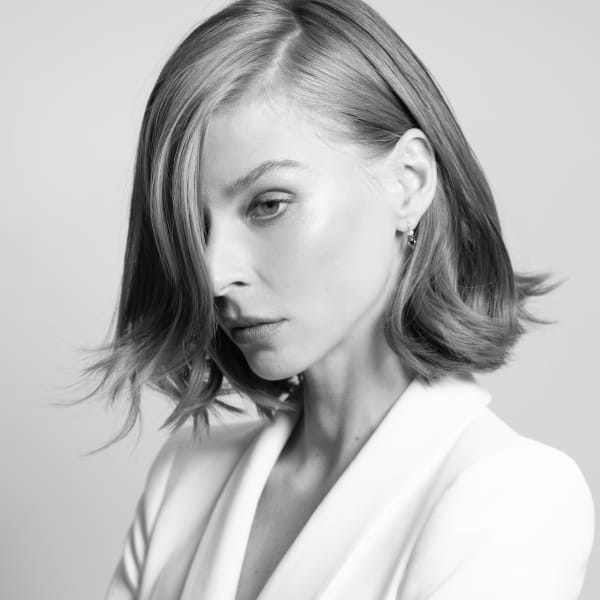
Get the steps to create this look, New Muse, which is a "couture cut," that perfectly accentuates the client’s face shape and haircolor. Straight lines build structure, while soft, jagged, diffused lines showcase a delicate beauty.
“We are some of the luckiest creatives on the planet. As hairdressers, we get to shape more than hair—we shape identity. We create for our clients, inspire fellow artists, and are continuously inspired by each other. That exchange of artistry is at the heart of this story and at the heart of this haircut."
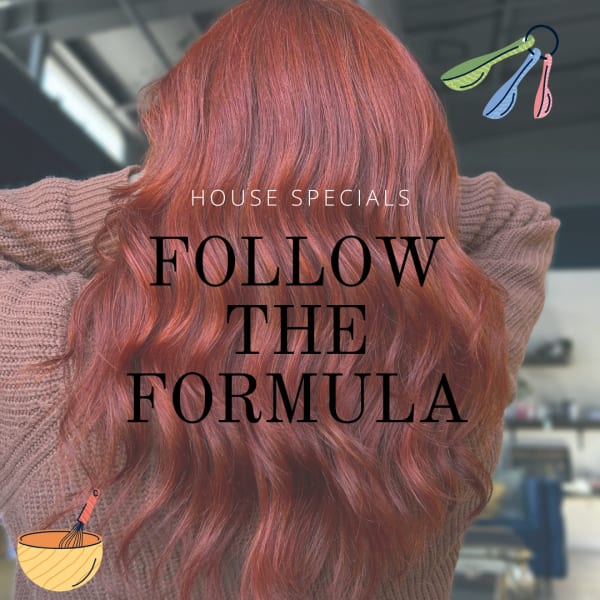
This collection of color formulas is your recipe box for luscious finishes with the ingredients, tested techniques, and step-by-step guidance to satisfy your color cravings. And just like in any great kitchen, the real magic happens when the chef adds a personal twist.
Discover the Cascade Cut, a trending haircut technique from Lloyd Court, creative director and co-owner of seanhanna salons in Wimbledon. This disconnection-based layering method can be customized for any hair type, especially fine hair in need of volume.
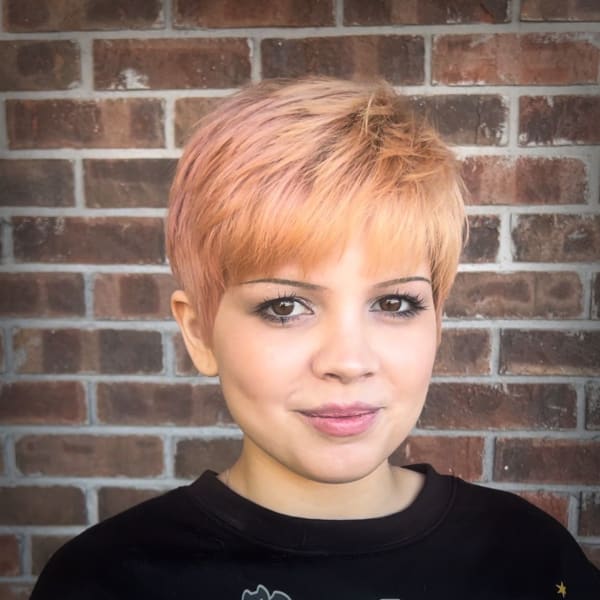
Learn how to cut the perfect pixie haircut with expert advice from Sam Villa Team Member Adrian Sandoval. Step-by-step techniques and pro tools included.
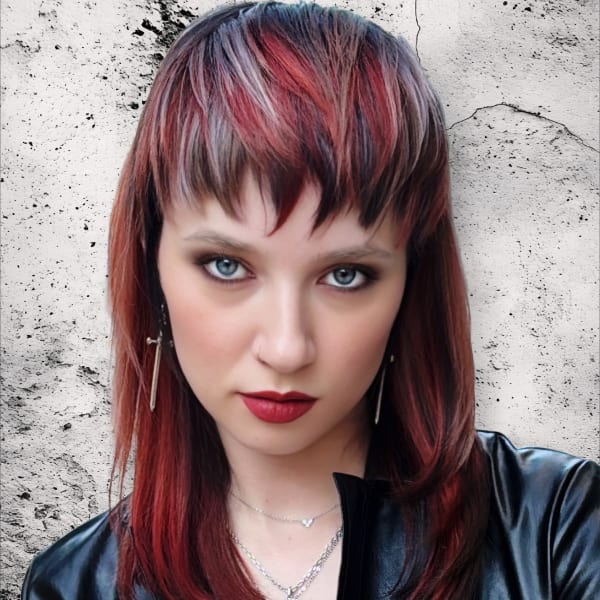
The disconnected cheekbone-grazing layers, and the heavy fringe, are the hallmarks of the hime or princess cut, also sometimes known as the jellyfish cut.
Great Clips keeps stylists’ skills sharp with advanced techniques and trends training. Meet The Alex, a hairstyle inspired by a stylist's child and a desire to create gender-neutral looks.