Everything to Know About Weft Extensions, from Product to Application
Sew-in extensions are getting all the buzz lately. Here, Hotheads experts break down the method from which wefts to use, to must-knows for the service in your salon.
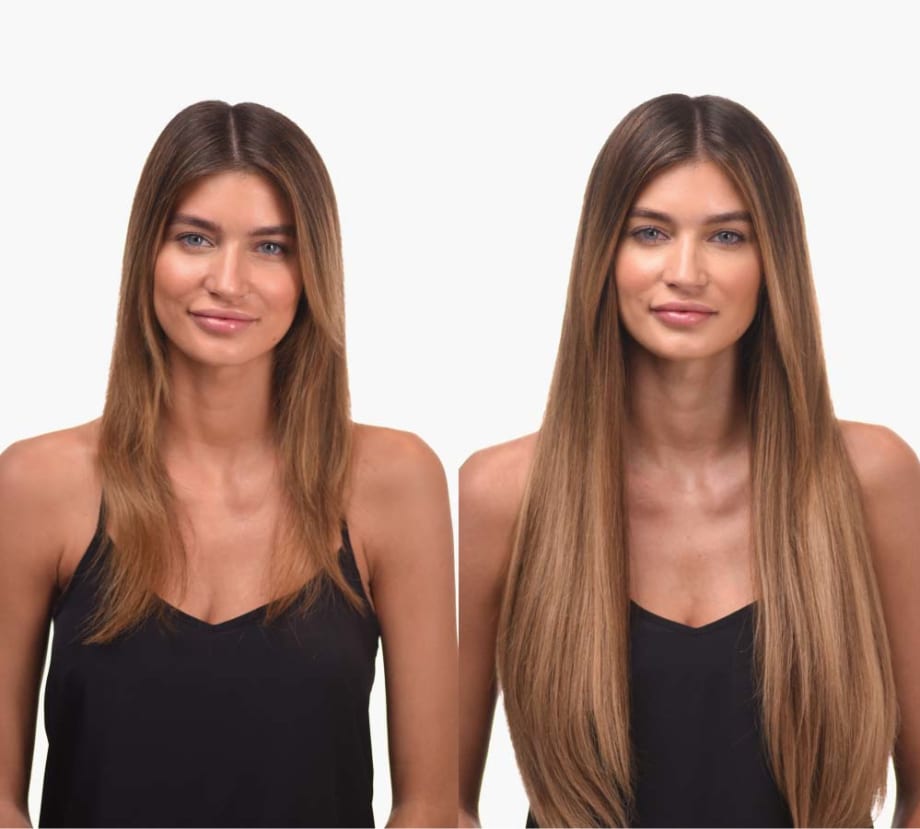
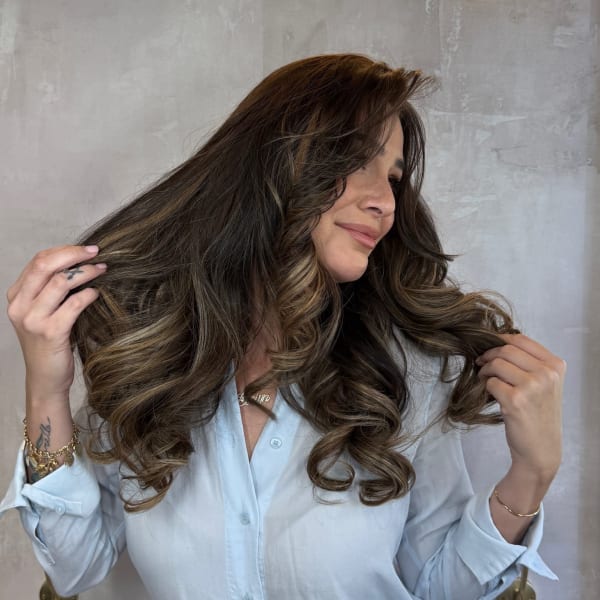
Sew-in extensions are not new, but are certainly having a moment in the spotlight, thanks to social media, advancements in technology and education.
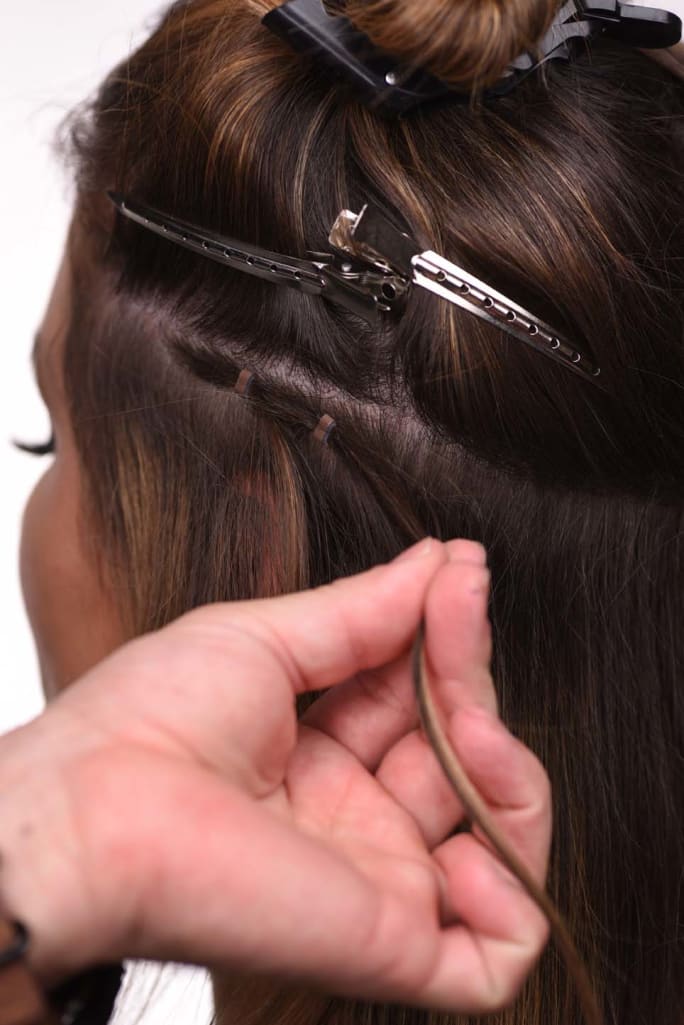
Sew-in refers to the method of application. Between one and four wefts are sewn into the hair on a row, which is created with either a braid or beads depending on the hair’s texture. Based on the hair’s density and other factors, either machine-tied wefts, hand-tied wefts or a combination of both can be sewn into the rows.
Ad Loading...
Hotheads Hair Extensions has launched new sew-in weft extensions, available in machine and hand-tied. Each type of weft will be available in 21 of Hothead’s most popular shades. “We’re excited to launch sew-in weft extensions with the Hotheads client in mind,” says Rebecca Schnoover, Hotheads brand director.
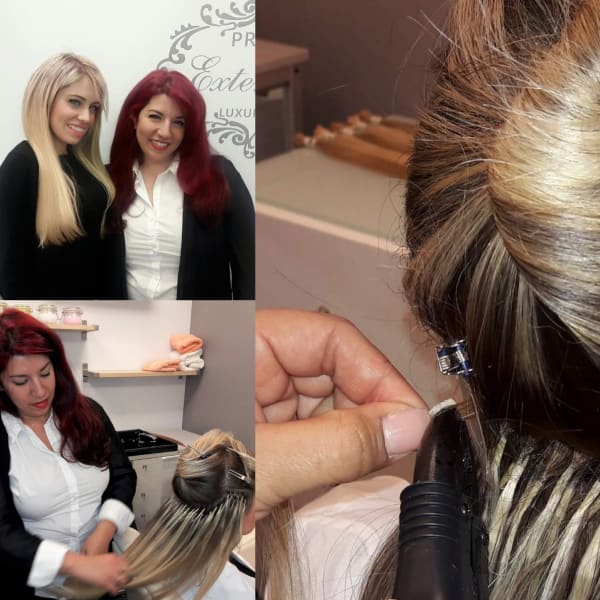
Hothead’s recommended application method includes silicone-lined beads put in horizontally to avoid slippage. The brand created beads with silicone that matches the color of the bead to make the row look seamless in the hair. Beads are applied with a looper into the hair and secured with pliers.
Natalie Ruzgis, Hotheads master educator, stresses that with sew-in extensions, the application must be perfect to ensure the natural hair is not damaged.“You need an educator and intimate, hands-on education to get the groove of this method,” she says.
Hotheads is rolling out classes across the U.S. Before you sign up, here’s everything you need to know about sew-in extensions.
What is the difference between the two types of wefts?
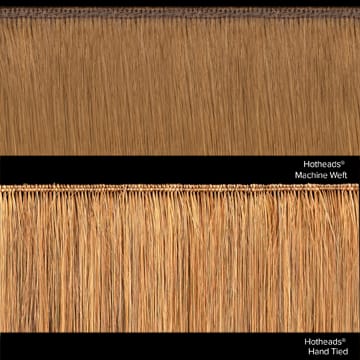
Hotheads Hand Tied Weft is a seamless, thin, lightweight hair extension that lays close to the scalp, ideal for clients with fine hair or the crown, where hair should lay flat; Hotheads Machine Weft is thicker, with 2-3 times more density than hand tied. Both are made of 100% Remy Human Hair. Machine wefts can be cut for customization; hand-tied cannot but come in a shorter width as a result.
Ad Loading...
HOTHEADS MACHINE WEFT
Available in 21 colors
Between 30"-35” wide
Comes in two lengths: 18”, 22”
1 piece per pack
HOTHEADS HAND-TIED WEFT
Available in 21 colors
11” wide
Comes in three lengths: 14”, 18”, 22”
2 pieces per pack
How do I determine which wefts to use?
According to Kristen Colon, Hotheads lead artist and educator, 80% of the time, applications involve a combination of wefts. “I usually use a combination of hand-tied and machine wefts on the back of the head, and hand-tied at the crown,” she says.
Ad Loading...
Medium to coarse hair could allow between two and four wefts per row, with two or three horizontal rows on the head. Fine hair typically allows a maximum of two rows, with more hand-tied wefts. Like any extension method, it is important to match density to density and be mindful of the integrity of the guest’s natural hair.
Danielle Marro, Hotheads master educator keeps a measuring tape in her station drawer to determine which types of wefts to use. “The diameter of the head will help me determine which weft to use,” she says. “If the head exceeds 11 inches, the length of a hand-tied weft, I’m going to need a machine weft so I can cut it and customize it.”
With 21 colors to choose from, how do I pick which is right for my clients?
Marro says you can think of color placement with this method the same way you build color placement with foils or balayage. “I always love creating balayage in people’s hair that their natural ends can’t handle it, so I’ll create it,” she says.
Using two or three colors per head, she’ll keep the top row the same color, and make the row at the nape of the head her playground. Here is an example of a color “formula” she has used on a guest with three rows:
Nape: Two Colormelts™ wefts back to back
Mid: Two Colormelts™ and a Naturals
Crown: solid color to match roots or base color
Ad Loading...
An added bonus on this method is that wefts can be custom colored up to the thread, and there are no adhesives or tapes to avoid. Even though she has custom colored wefts for her clients, Ruzgis says she is finding she often doesn’t need to.
“Most people wanting this service are getting balayages, and the Hothead colors are mimicking what we are seeing out there in the industry already for these looks,” she says.
Who is the ideal candidate for sew-ins?
Before the day of an application, the stylists have their clients come in prior for a consultation. During the consultation, they determine if the guest is a candidate for sew-ins.
This method is especially great for clients with thick hair who want added length and volume. Wefts can be chemically treated, so they are also great for someone with more texture to their hair. If the client has fine hair, a hybrid method can be used, which combines tapes and wefts to the hair. A hybrid method is especially great for those fine, front sections near the face.
“No matter what, it comes down to the stylist’s knowledge and sectioning, as well as the at-home care of the client,” Colon says.
Ad Loading...
How do I book these services in the salon?
For an educated and experienced stylist, this service can take up to two and a half hours from start to finish.
Start the service with a shampoo and blow dry, whether it’s for a first-time weft client or for a move-up. “I think it’s a treat for them before something is sewn onto their head and they can’t get that same scrub,” Colon says.
This is a tedious and technical application, alternating between applying rows of beads and sewing the wefts into the rows with a needle and thread. It takes about 30 minutes to apply each row of beads, and then 30 minutes per row to apply each weft for an experienced stylist.
“This is more expensive than other methods because it is a specific skill set and can take more time— between anchoring of beads and sewing onto the weft,” Colon says.
Colon likes to style the hair after and capture photos, especially while growing her sew-in business. She recommends clients come back after six to eight weeks for a move-up. For first-time clients of this method specifically, she likes to make sure everything looks right and they are taking care of their extensions properly.
Ad Loading...
“I am a firm believer that you have to address if something is wrong in a situation, whether it is me as the stylist or you as the client, or else the situation will repeat itself,” Colon says. “When they come back, ask them a ton a questions; you’ll eventually get to the root of what is happening whether it be products, brushing, etc.”
What are some recommended at-home care tips for clients?
Marro stresses that this, like all extensions, is a luxury service. Investing in the right products is important for guests to insure their investment.
In her ticket price for a first-time client, she includes a personalized take-home kit to ensure her client is using the right products to properly care for their hair. This includes Hotheads’ shampoo, conditioner and mask that properly treats the extensions, and another shampoo specific to their natural hair type to alternate between.
“I really stress caring for their natural hair while wearing extensions,” Marro says. “This also makes clients feel like they are getting a luxury service and look, and that they need to treat it like one.”
When the hair is properly cared for, Hotheads weft extensions can be reused 4-5 times.
Ad Loading...
How are the extensions removed?
With the proper education, weft removal is quick. “You’re just going to section out the natural hair, take small shears, cut the thread at the top of the weft that you had sewn on, the weft will come off, and you go through and remove the beads in the order that you applied them,” Colon says. After removal, be sure to clarify and clean hair just as you would prior to the initial application.
For more information about Hotheads wefts and education, visit hotheads.com/weft.
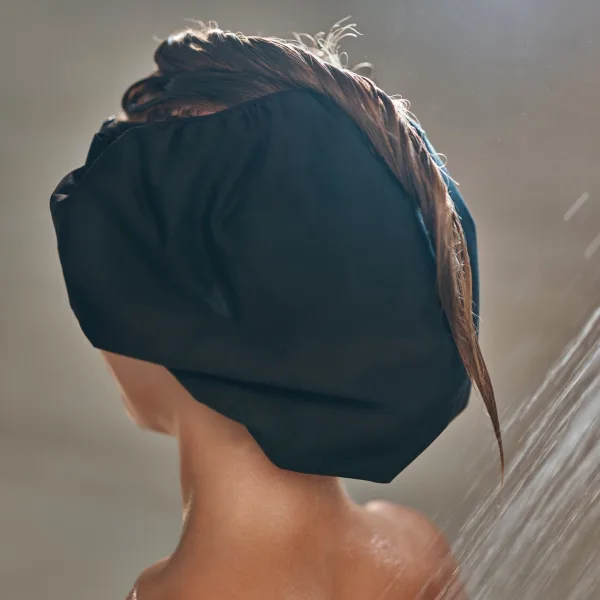
RÜTE Wash introduces a shower cap designed specifically for crown washing, helping clients with hair extensions cleanse the scalp while protecting the lengths from water.
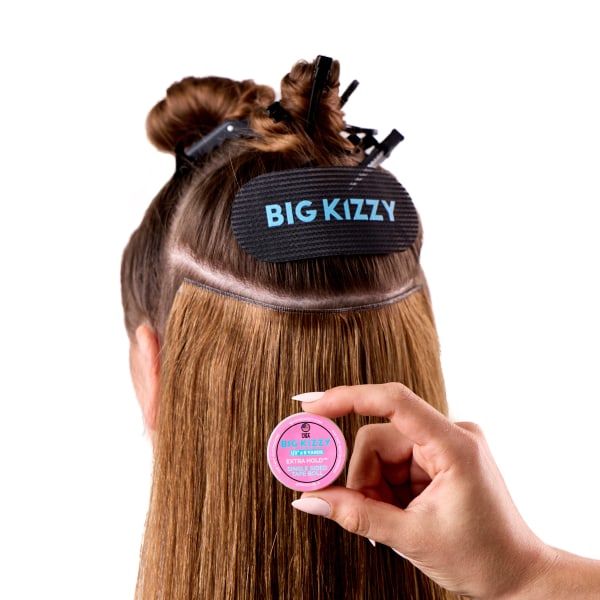
Thinning hair concerns are on the rise. Big Kizzy created the answer. Meet the Extra Hold Single Sided Hair Extension Tape Roll, the revolutionary hair extension tape made for tape weft stylists with fine or thin hair clients that allows for less weight on fragile strands and ultimate customization.
Mastering your chosen extension method is the key to delivering seamless, comfortable, and long-lasting results. See the step-by-step techniques that Donna Bella Ambassadors Olivia Thompson and Lo Wheeler Davis use to get the perfect install every single time.
A stylist who felt she needed to build what she couldn't find in other hair extensions, in five years Terra Harvell has grown Harper Ellis into a $10 million business.
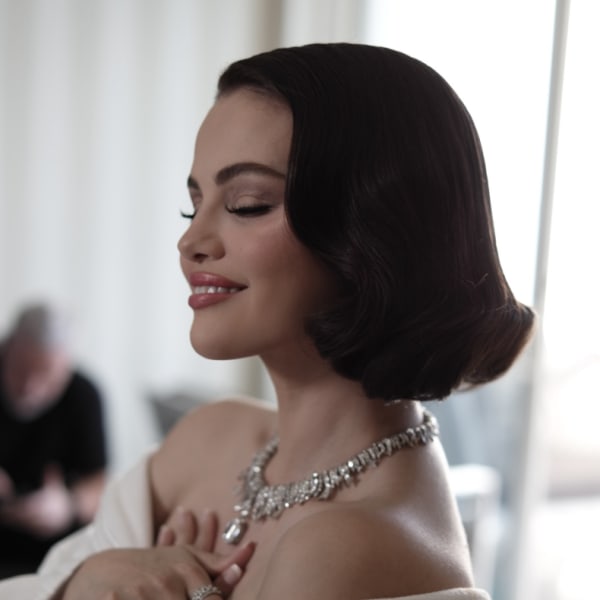
Celebrity hairstylist Renato Campora graced Selena Gomez with a timeless and elegant Hollywood bob for the 2025 Golden Globes, using Great Lengths Tape-In Extensions.
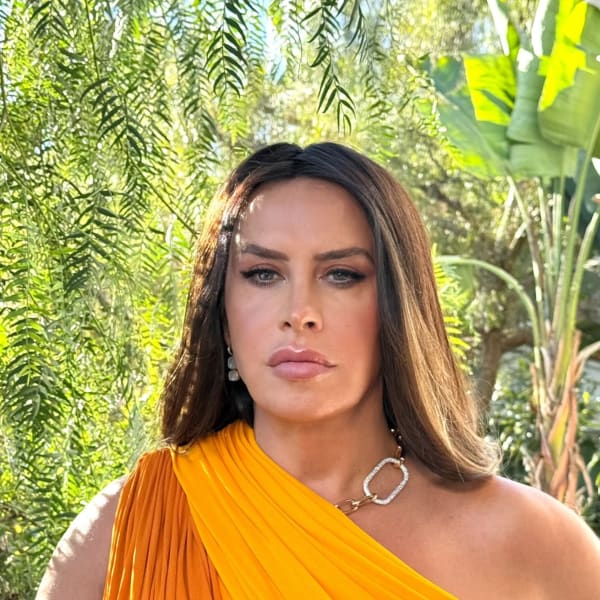
Celebrity hairstylist Marc Mena shares exclusively with MODERN how he used the new Essenza and Aria Great Lengths Tape-Ins to style Karla Sofía Gascón for the 2025 Golden Globes.
Meet Big Kizzy, known for their 3-step tape in hair extension remover system. Founded by an extension hair pro, they now offer everything for extensions!
Celebrity Nicole Scherzinger's soft updo was created by celebrity hairstylist Dimitris Giannetos, using new The Coveted Tape hair extensions by Covet & Mane.
If you are prepared with the right techniques, the right questions, and the right products, you will be ready to create a beautiful result for your hair extension client. And when you've done that, you have a client for life. Here are my proven methods for building a solid hair extension career and business.
In this exclusive video interview, Great Lengths educator Kristina Noto explains how to use the brand's extension offerings for clients with hair loss.
For clients who want to address volume on the top of their heads, but don't want the commitment of wearing and caring for a topper, this unique service provides a solution. Micro Point Links fill in thinning areas by knotting individual hairs onto existing hairs. It's a service that is a win-win, offering clients an answer to sparse, bare areas and providing stylists with a valuable addition to their service menu.