


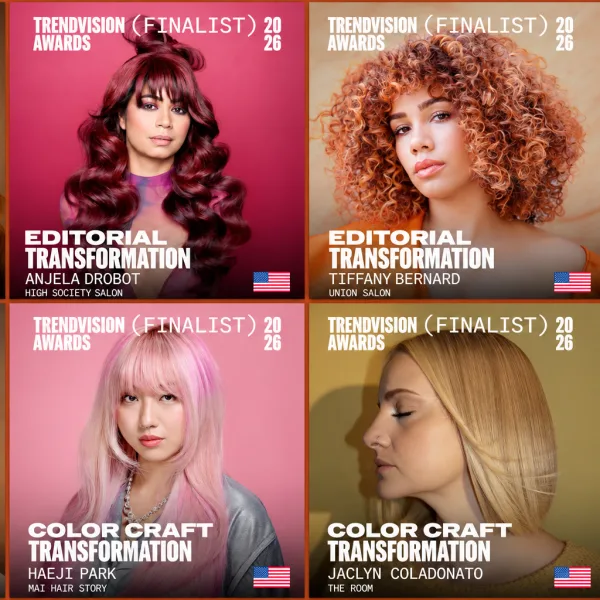
Wella Announces the Finalists of Wella Trend Vision Awards
This year’s awards centered around the Monochromatic trend, which is rooted in minimalism and intentional by design.
by Anne Moratto
 MENU
MENU SEARCH
With more than one million licensed professionals nationwide, industry leaders are celebrating growing momentum behind cosmetology and esthetics interstate compacts designed to reduce licensing barriers and expand career mobility.
With more than one million licensed professionals nationwide, the beauty and spa sectors continue to grow. However, state-by-state licensing restrictions have historically limited professionals’ ability to practice across borders—contributing to workforce shortages and operational challenges for salons, spas, franchises, educators, and brands alike. Interstate compacts provide a collaborative, state-led solution that preserves licensing standards while allowing professionals greater mobility.
That is changing.
The professional beauty and spa industries are celebrating significant nationwide progress advancing license mobility through the Cosmetology Interstate Compact and the Esthetics Interstate Compact, marking a pivotal moment for licensed professionals, employers, and the businesses that support them. The momentum represents an unprecedented level of collaboration across industry organizations, brands, educators, and advocacy groups working together to modernize licensure and strengthen the future workforce.
The Cosmetology Interstate Compact has now been enacted in 10 states: Washington, Arizona, Colorado, Ohio, Kansas, Kentucky, Tennessee, Alabama, Virginia, and Maryland. Active legislation is underway in Delaware, Hawaii, Massachusetts, Nebraska, New Jersey, Pennsylvania, Vermont, West Virginia, and Wisconsin. This growing bipartisan momentum reflects broad recognition that modernizing licensure reduces workforce barriers, expands career opportunity, and helps businesses better serve their communities.
Building on that success, esthetics compact legislation has been introduced in Alabama, Kansas, and Virginia, with additional bills drafted in California, Kentucky, Ohio, and Tennessee. The Professional Beauty Association (PBA) is also working with policymakers and industry leaders in Arizona, Colorado, and Maryland to advance esthetics compact legislation in those states.
“Interstate compacts honor professional credentials while addressing the realities of today’s workforce,” said Leslie Roste, Director of State Relations & Policy Development for PBA. “This progress reflects a shared commitment across the industry to mobility, opportunity, and respect for licensed professionals.”
In parallel with legislative activity, development of the compact licensing database began in early December. This critical infrastructure will enable secure license verification, issuance of multi-state licenses, and coordinated enforcement among participating states. The database is expected to be released for state testing in March.
If testing proceeds as planned and states have appropriate license types in place, participating states could begin issuing multi-state licenses as early as this summer. Alabama, Kansas, Virginia, Ohio, Tennessee, Arizona, Colorado, and Maryland could potentially issue multi-state esthetician licenses in late 2026, pending legislative success.
“This is a transformative step forward for the beauty and spa industries,” Roste added. “The cosmetology and esthetics compacts strengthen workforce mobility, support economic growth, and ensure professionals can continue serving clients wherever opportunity takes them.”
Advancement of both interstate compacts reflects strong collaboration across the professional beauty and spa sectors. The progress to date recognizes the leadership of the Future of the Beauty Industry Coalition (FBIC) and the organizations participating in the esthetics working group, including:
• Associated Skin Care Professionals (ASCP)
• The Esthetics Council
• International SPA Association (ISPA)
• National Coalition of Estheticians Association (NCEA)
• National Aesthetic Spa Network (NASN Pro)
• Professional Beauty Association (PBA)
• The Skin Games
Through shared advocacy, expertise, and alignment around long-term workforce sustainability, these organizations have helped move the industry toward a modern, portable licensure model that benefits professionals, businesses, and consumers alike.
Visit www.estheticscompact.org
for more information and to make a donation.
The Professional Beauty Association (PBA) is the national trade organization representing licensed professionals, salon and spa owners, independent stylists, students, distributors, and manufacturers across the beauty industry. As the leading membership organization serving the professional beauty community, PBA keeps professionals beautiful by championing policies that protect the industry, providing trusted education and resources, and fostering a community built on connection, creativity, and growth. PBA is home to the PBA North American Hairstyling Awards (NAHA), PBA Beacon Student Program, and PBA Executive Summit, and supports beauty professionals in times of crisis through the PBA Disaster Relief Fund and other charitable programs. Through PBA Future Leaders, PBA develops and supports the next generation of industry leaders. Learn more at probeauty.org.
This year’s awards centered around the Monochromatic trend, which is rooted in minimalism and intentional by design.
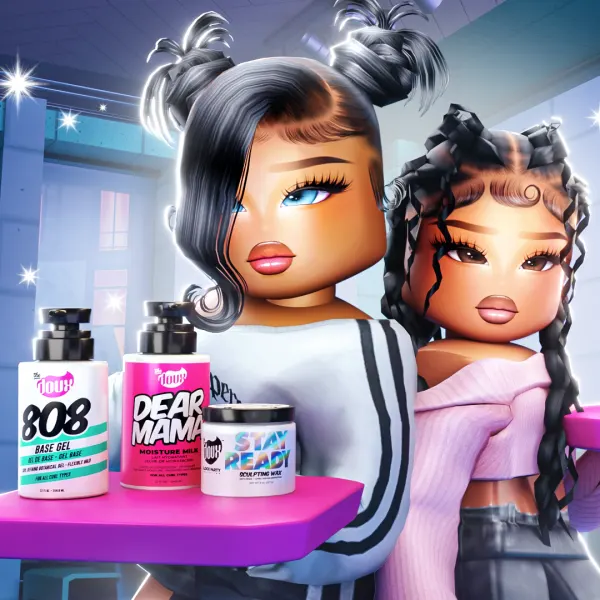
Haircare brand The Doux has launched “My Salon Empire,” a free-to-play salon management game on Roblox, helping the next generation celebrate the diversity of textured hair and explore salon entrepreneurship.
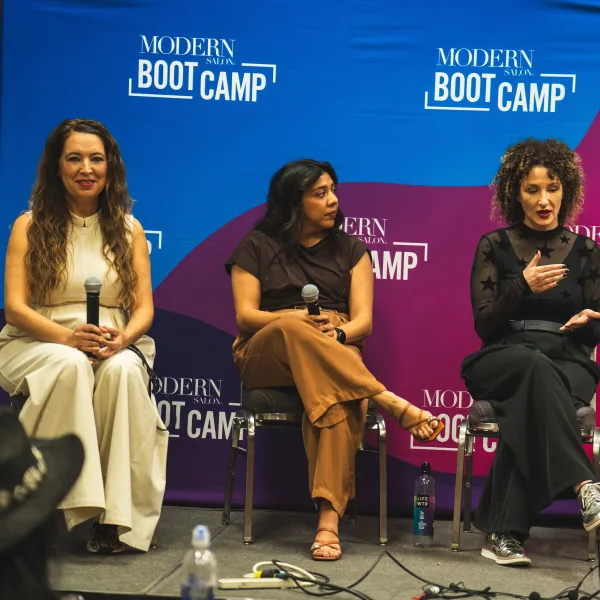
The show reported 30% attendance growth. It felt that way. This event for the southwest professional beauty community had heart, spice, and something for everyone.
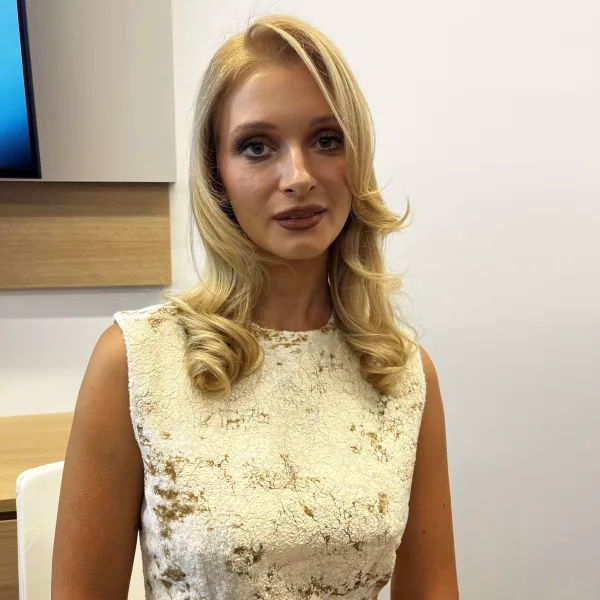
Wella artists presented the Monochromatic trend movement, introduced new Pure Perfection color and Sebastian styling innovations, while the Wella team created interactive fun throughout Wella Studio in Los Angeles.

Dominique LyVar, an influential educator and artist, is remembered by those who loved him for his significant impact on the industry and contributions to the community.
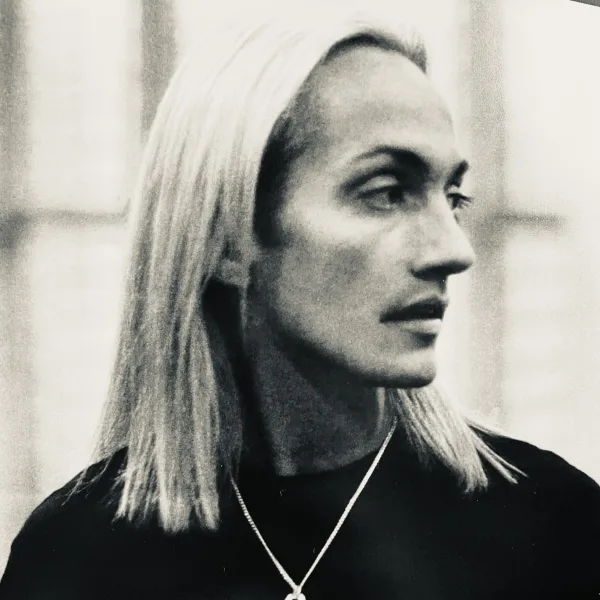
Known for his buttery blondes and a technique for highlighting hair with more precision that he called chunking, Brad Johns died on August 27. His friend and fellow colorist, David Stanko, shares thoughts on his talented colleague and close friend.
As technology evolves at an accelerated rate, you want to make sure you have the best in your business toolkit to help you grow sales, motivate your team, communicate with your current and future clientele, and streamline your managerial tasks. The 2026 SALON TODAY Technology Solutions Guide is designed to help you navigate today's growing landscape of salon and spa technology. In this guide, you'll find a curated look at more than 50 of the latest software platforms, digital solutions, and innovative features to help you compare options and identify the best fit for your business.
The Davines Edit reflects the brand’s passion for people and planet.
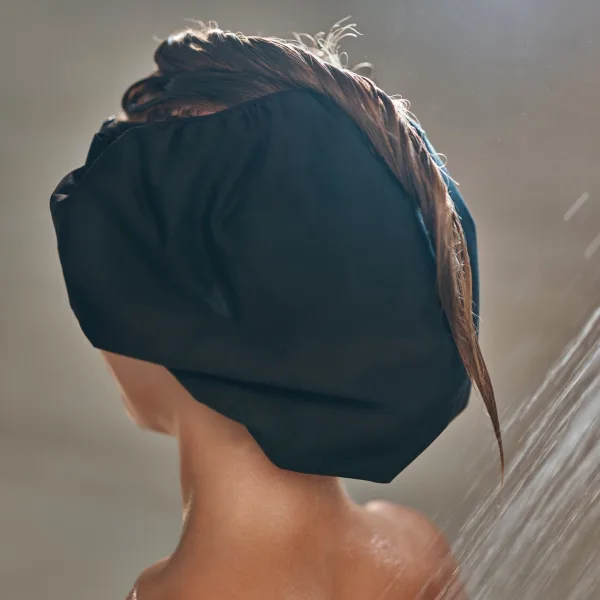
RÜTE Wash introduces a shower cap designed specifically for crown washing, helping clients with hair extensions cleanse the scalp while protecting the lengths from water.
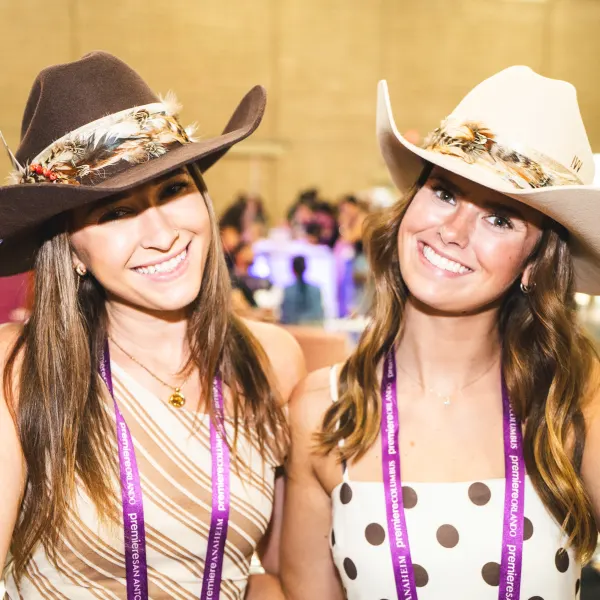
Premiere San Antonio Presented by SalonCentric returns for its fourth edition August 30-31 at the Henry B. González Convention Center, delivering its biggest and boldest event to date.
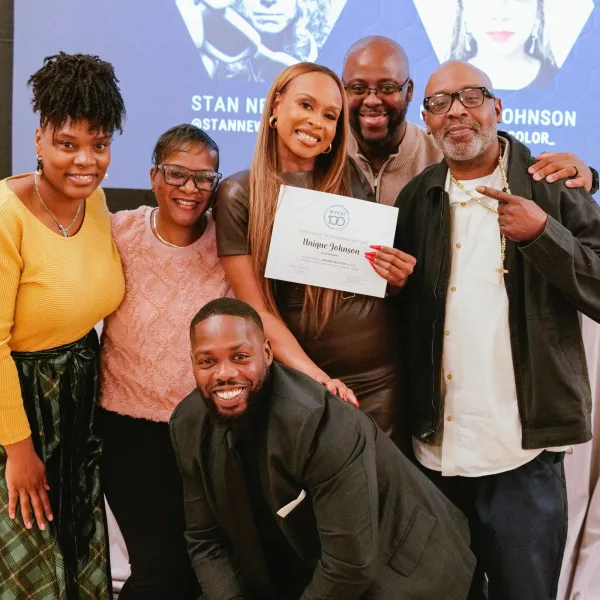
One-Day Personal and Professional Development Education Event for Beauty Professionals Set for October 25, 2026, at the Hilton Philadelphia City Avenue.
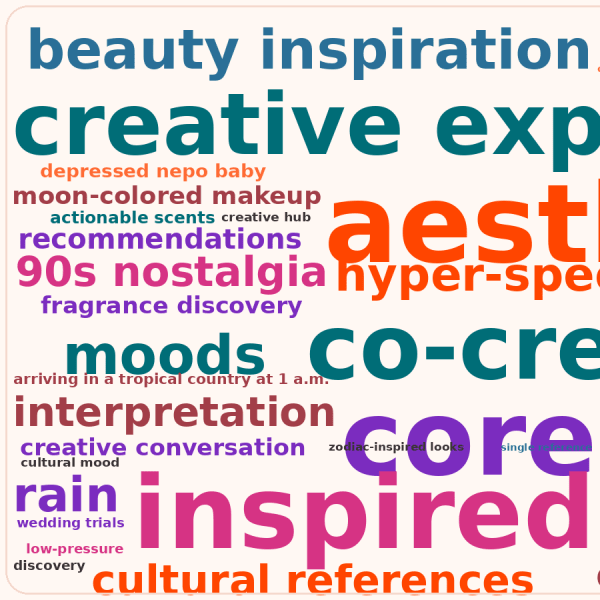
According to the report, people are moving away from copy-paste trends and toward community, using real experiences to develop a sense of taste and beauty that reflects who they are.
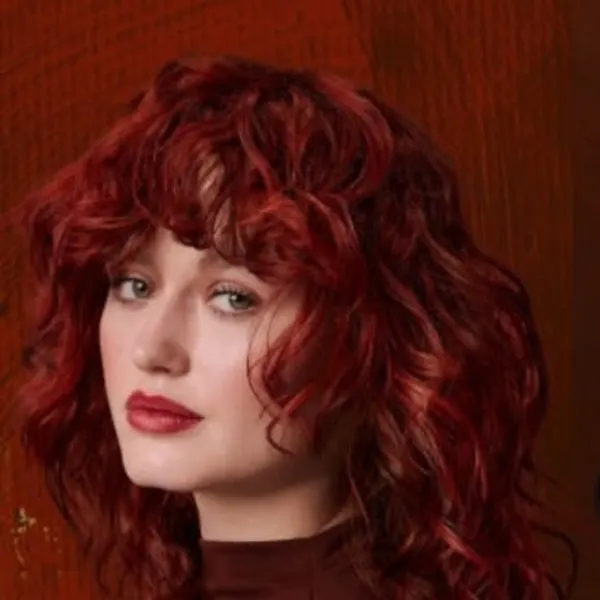
Hairstylists and barbers can showcase their creative and technical vision in two global categories with cash prizes and a chance to represent in Portugal.
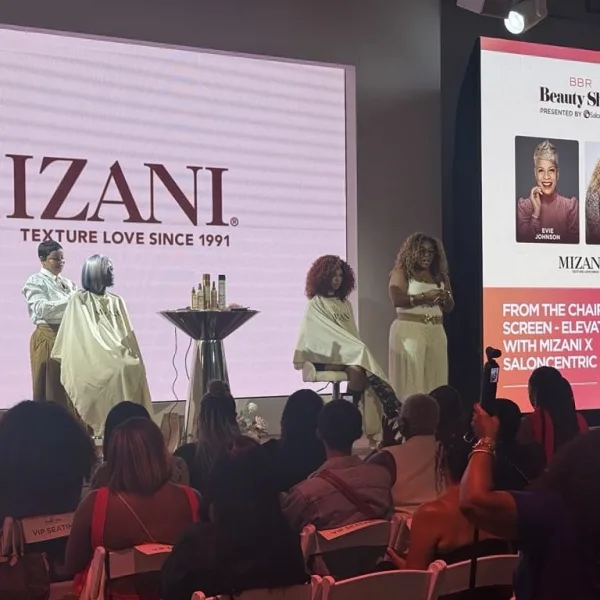
The BBR Beauty Show featured a prominent speaker lineup including Lacy Redway, Karrueche Tran, Danessa Myricks, Chelley B., Sabrina Elba, Jessica Harris-Dupart, and more.
The Professional Beauty Association and Pivot Point team up to develop an ongoing study that measures the confidence of salon owners, stylists, school owners, and students.
This shared recognition celebrates the strength of industry collaboration in advancing professional mobility.
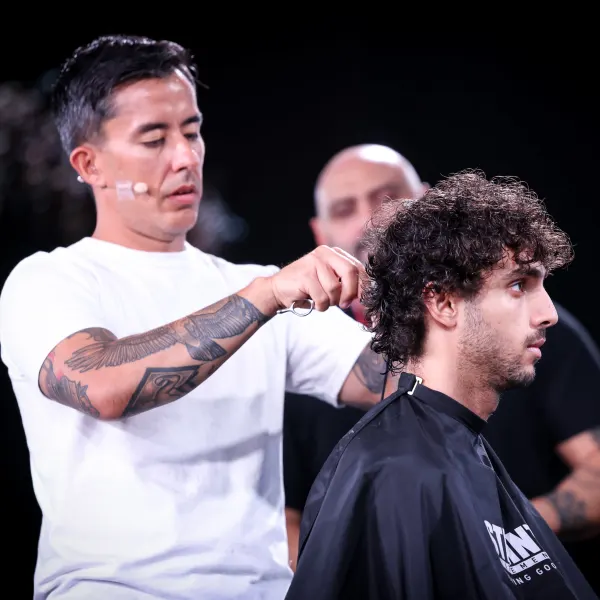
In Dubai, a salon visit isn’t an appointment. It’s a weekly routine, and clients can spend $800 to $1,400 a month on it, according to Gaurav Tripathi of MADI International. On October 6-8, 2026, the market behind those numbers opens its doors as Beautyworld Dubai marks its 30th edition at the Dubai World Trade Centre, bringing together distributors, brands, stylists and salon owners from all over the world.
Sponsored by BeautyWorld Dubai