What 40 Years in Skincare Taught Lea Black About Ingredients and Clean Beauty
After four decades developing skincare products, Lea Black shares her perspective on clean beauty, ingredient sourcing, product transparency, and the questions beauty professionals should ask when evaluating skincare brands.
Anne Moratto・Director of Brand Content Strategy, MODERN SALON and NAILS
"Cruelty-free was simply the right thing to do."--Lea Black
Credit:
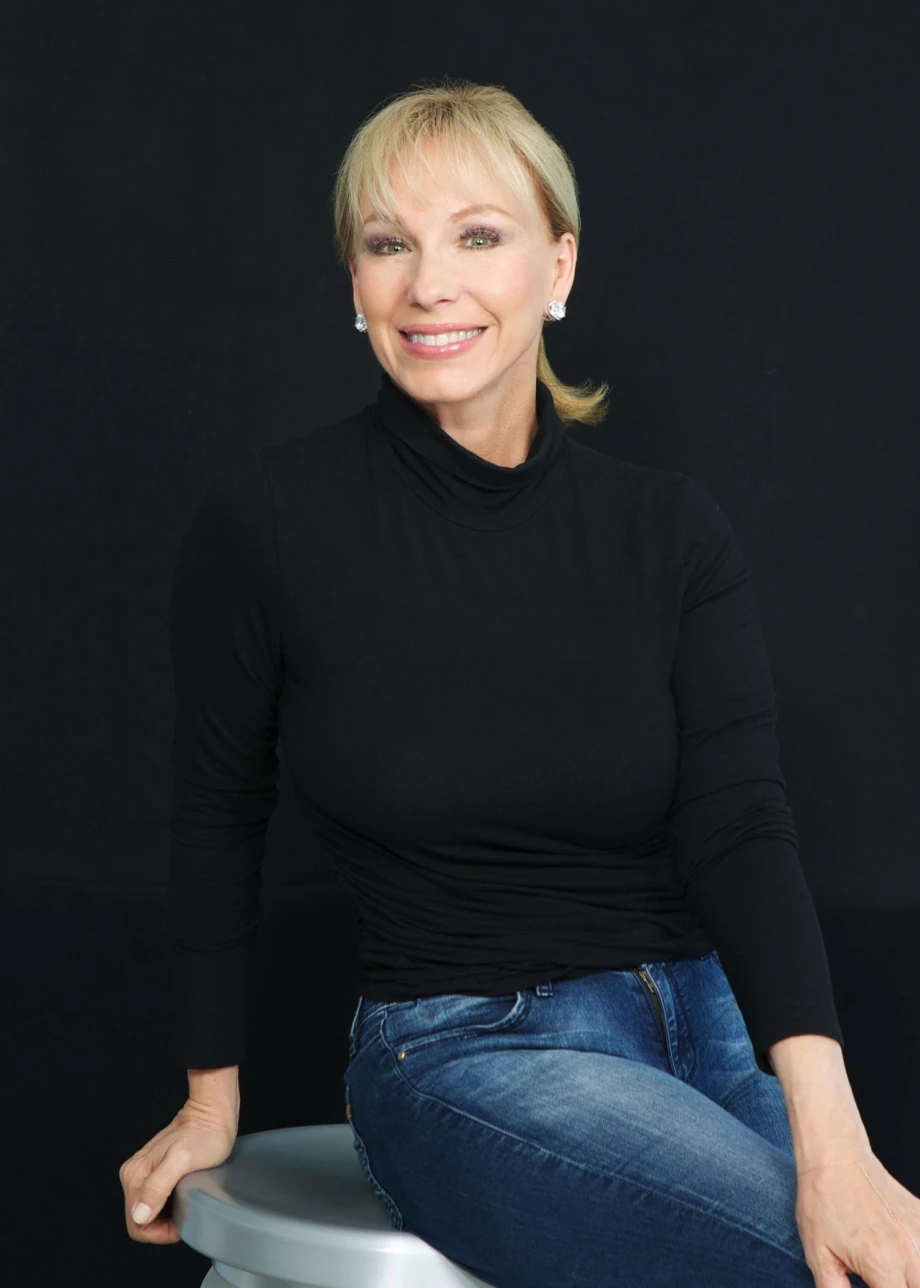
Lea Black
4 min to read
Lea Black emphasizes the importance of transparency and informed ingredient sourcing in the skincare industry.
She shares insights on the evolving clean beauty movement and its impact on product development.
Lea Black advises beauty professionals to critically assess brands by asking pertinent questions about their products.
*Summarized by AI
As consumers become increasingly interested in ingredient sourcing, sustainability, and product transparency, many beauty brands have expanded their messaging around clean beauty and ethical formulation. At the same time, the definition of "clean beauty" continues to evolve, and professionals and consumers alike are asking more questions about what those claims really mean. Lea Black has been part of that conversation for decades.
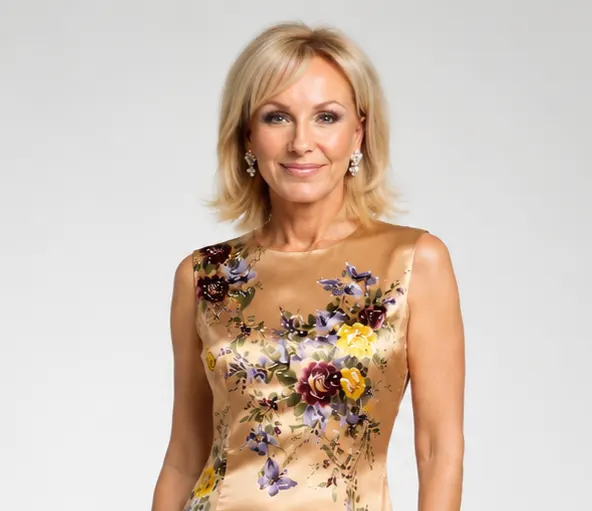
The founder of Lea Black Beauty launched her skincare brand in 1985 with an emphasis on cruelty-free practices, ethically sourced ingredients, paraben-free formulations, and clinically backed products, long before many of those qualities became common selling points. Today, she believes that experience offers a unique perspective on how brands communicate about clean beauty and what professionals should look for beyond the marketing.
"Beauty professionals should ask questions about the source and quality of the raw ingredients, not just rely on the claims printed on the packaging."--Lea Black
Credit:
Lea Black
Building a Brand Around Her Values
MODERN SALON: You launched with paraben-free, ethically sourced, cruelty-free formulas in 1985. What drove those decisions?
LEA BLACK: Cruelty-free was simply the right thing to do. I have always believed that beauty should never come at the expense of an animal's well-being. I also felt that using thoughtfully selected ingredients and avoiding unnecessary or potentially harsh additives or preservatives was common sense. Even in 1985, my philosophy was that skincare should support the skin, not overwhelm it. Consumers may not have been asking those questions yet, but I believe they deserve products made with care, integrity, and respect.
MS: As more brands emphasize clean beauty, what should beauty professionals look for when evaluating those claims?
LB: I look beyond the marketing language and go directly to the ingredients, the formulation, and the integrity of the company behind the product. A brand that is genuinely built on these principles should be able to explain why each ingredient is included, where its raw materials come from, how the products are manufactured, and what standards guide its decisions. Clean beauty is not a slogan or a trend. It is a long-term commitment that should be reflected in every part of the business.
MS: What challenges do brands face when they reformulate products to meet evolving consumer expectations? And what mistakes do you see being made?
LB: There's nothing wrong with evolving to address changing consumer interests. However, as "greenwashing" has demonstrated, some brands compromise their values—or their products—to appear more sustainable rather than making meaningful changes.
The biggest mistake is compromising quality for speed or cost. Removing certain ingredients from a formula is not enough. The product still has to be effective, stable, safe, and enjoyable to use. When brands rush to meet a trend or reach a price point, they may create formulas that sound good in marketing but do not perform well for the customer. Clean beauty should never mean sacrificing results.
"Clean beauty should never mean sacrificing results."--Lea Black
Credit:
Lea Black
MS: What does ethically sourced mean in practice, and why does it matter for the end result in the formula?
LB: Ethically sourced means understanding where raw ingredients come from, how they are grown or produced, how workers and communities are treated, and whether the ingredients are obtained responsibly. It also has a direct impact on the quality of the finished product. The purity, freshness, and consistency of the raw ingredients, combined with the expertise of the formulation, will ultimately help determine the efficacy of the product. You cannot create an exceptional formula with inferior ingredients.
Ad Loading...
MS: What Questions Should Beauty Professionals Ask About Clean Beauty Claims?
LB: Beauty professionals should ask questions about the source and quality of the raw ingredients, not just rely on the claims printed on the packaging. They should also look at the full ingredient list, the manufacturing standards, the brand's policies, and whether the company is transparent about its formulas. A genuinely clean brand should be willing and able to answer those questions clearly.
MS: After 40 years in the industry, what do you think is the biggest misconception about skincare ingredients today?
LB: The industry still relies too heavily on added synthetic fragrance. Fragrance can make a product feel luxurious, but it does not necessarily improve the performance of the formula, and it may be irritating for some consumers. I believe skincare should be judged first by how well it supports the skin. When fragrance is used, it should be thoughtful, minimal, and never included simply to mask an inferior formula.
Questions to Ask Your Favorite Brands from Lea Black
Whether you're a beauty professional or a regular consumer, don't rely solely on claims in advertisements or on packaging. Truly clean brands should be willing to answer questions such as:
Where do you source your ingredients?
Do you have certifications to validate your claims?
What type of packaging do you use?
How are you continually improving your sustainability practices?
Who is behind your formulations, and how do you test them?
What are your labor standards?
Ad Loading...
Certifications Worth Looking For
Some certifications that can help validate a brand's claims include:
Environmental Working Group (EWG) Verified
Fair Trade Certified
USDA Organic
Leaping Bunny Certified (Cruelty-Free)
About Lea Black
Lea Black is the mind behind Lea Black Beauty®, a brand that launched in 1985 with a focus on ethically sourced ingredients, paraben-free formulation, cruelty-free testing, and clinically backed results.
MANACARE is a USA-made, five-step system that gives salons, nail technicians, and beauty retailers a clear way to serve and retain the growing base of male grooming clients.
After decades in an industry where professionals have not always been adequately educated on caring for non-straight hair, hair artist Kimberly Michelle created a brand designed to help bridge that gap, both behind the chair and at home.
Some OPI nail colors became such classics that fans clamored for their return. And OPI--as always--paid attention to what clients and nail professionals were asking for.
If you can help a client in the early stages of hair loss, you not only help preserve their hair but also their relationship with you is preserved. We hear from certified trichologists on some myths, early warning signs, plus a launch that will help stylists support their clients with an easy solution.
The FutureIQ™ biomimetic hair longevity serum is a lightweight, fast-absorbing formula, powered by K18’s proprietary MultiVital™ technology, designed to simultaneously support hair retention, scalp vitality, and pigment longevity through biology-first intervention.
In this expert column, internationally recognized educator Rita Perna Allor shares why beauty professionals are uniquely positioned to educate, support and empower clients, while staying within their professional scope of practice.
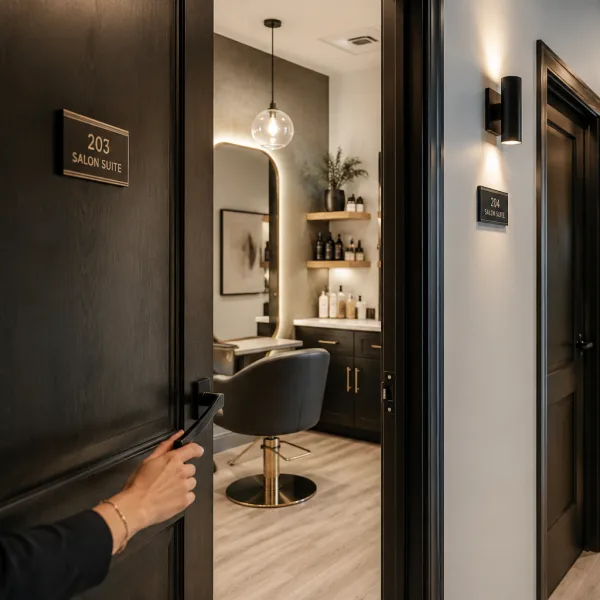
The most successful salon suites balance personality, function, and comfort. Megan Communale of My Salon Suite shares her best advice for designing a space that supports your business goals and leaves a lasting impression on every guest.
Schwarzkopf Professional Ambassadors Carly Zanoni and Brendnetta Ashley share the express color and treatment services helping stylists deliver great results in under 30 minutes while creating new opportunities for client retention and revenue growth.
Today's clients are hearing more about longevity, biohacking, inflammation, and healthy aging than ever before. This article explores the science and language behind the skin longevity movement, and what it could mean for client consultations, treatment recommendations, and professional credibility.
Interest in scalp care continues to accelerate. According to Spate data, #scalpcare content on TikTok has increased more than 149% month over month, as consumers look for products that support scalp balance and healthy hair growth.
In an industry with so many options and opportunities, we asked artists what made them niche down and choose a specialty. Texas-based artist Kimberly Michelle has always loved focusing on healthy hair and scalp, and headspa rituals was a natural evolution.
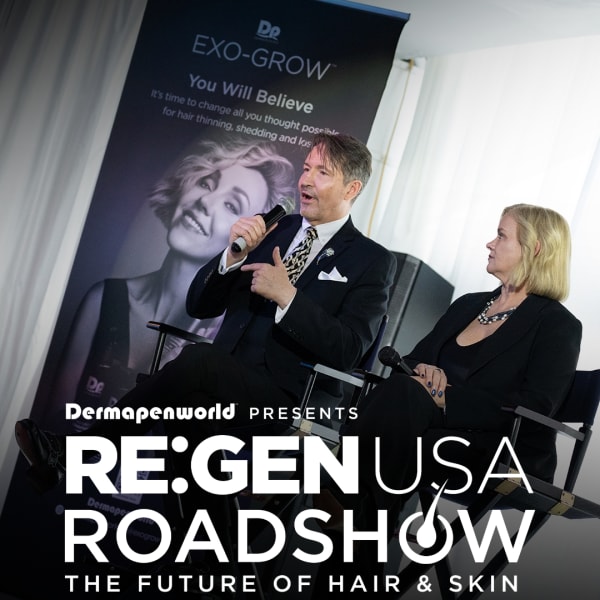
A multi-city tour from DermapenWorld spotlighted the growing convergence of hair, skin, and medical aesthetics and what it means for salon professionals.