




My First Time: A Razor Cut with Nick Arrojo
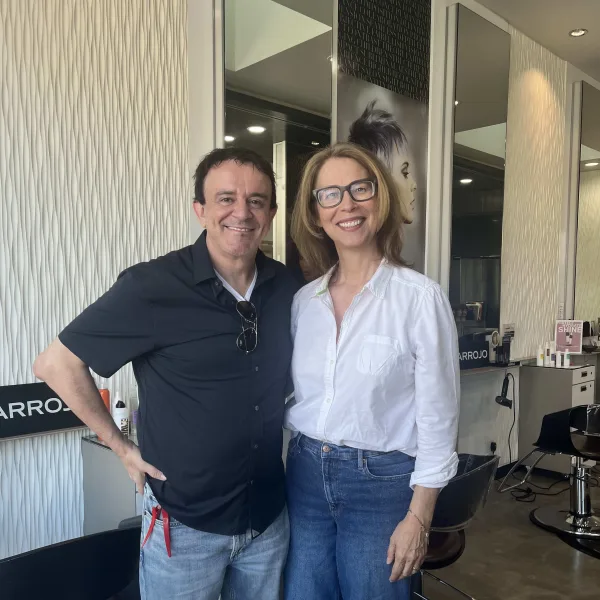
In an anniversary year for the Arrojo NYC brand, on an early Monday morning, Nick Arrojo used a razor on my hair. And I liked it.
by Anne Moratto
 MENU
MENU SEARCH
While it is always exciting to discuss trends, new shades and new color techniques, the GRAY MATTERS.
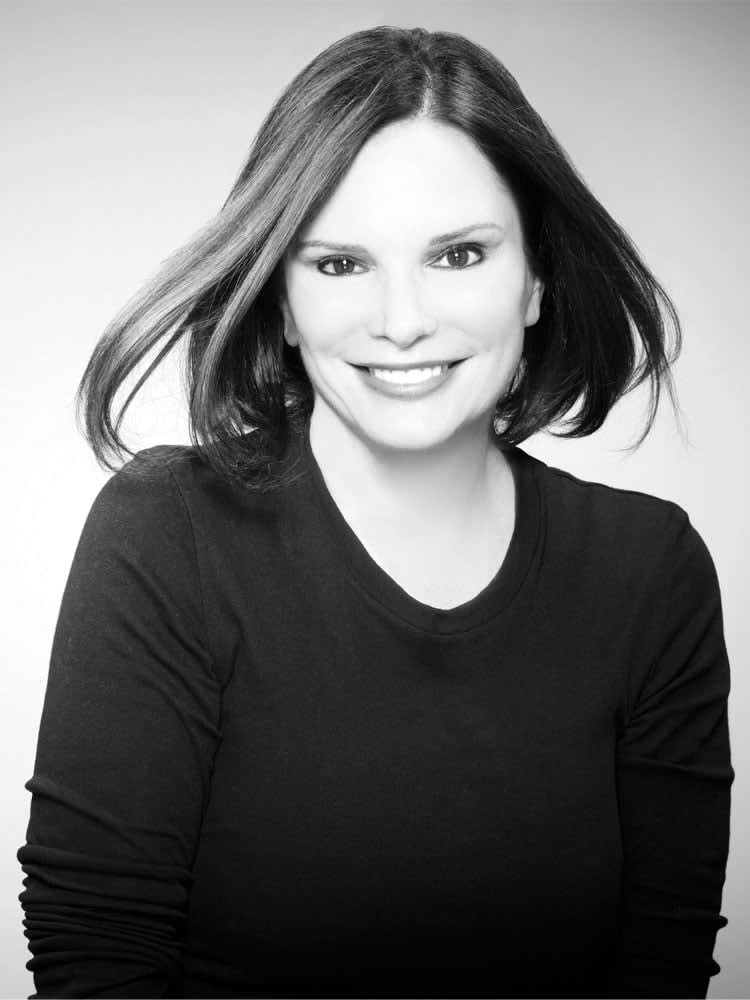
Beth Minardi
While it is always exciting to discuss trends, new shades and new color techniques, the fact remains that, financially, the biggest color dollars in salons across the nation center around succesful coverage of gray. While it might not seem "fun" to review all the important details that esnure success when converting gray to another desired shade, this is the stuff that keeps those important clients coming back. Let's face it: When a client decides that they choose NOT to appear gray, they can become extremely loyal, "booked in advance", and long term salon regulars.
As I teach haircolor across the country, colorists regularly complain about their inability to successfully and completely cover gray hair. Sadly, when conducting "hands on" classes, I have learned that all too often, the problem centers around improper application of the color formula.
Remember: Every tiny gray hair that is not completely enveloped in color formula will remain gray. Sectioning the hair into large or wide partings, unfortunately, leads to spotty or incomplete coverage.
I prefer using an applicator bottle, but realize that many colorists prefer the bowl and brush approach. This is a matter of personal preference. While using a large brush can tend to "speed things up", I believe a smaller tint brush, and taking smaller, narrow sections, will assure you not only of better product penetration, but will also avoid "overlapping" of the regrowth color onto the previously colored hair lengths. And, when working on longer hair, I take vertical, rather than horizontal, partings in the hair. I prefer sectioning the hair into 1/8 inch, rather than 1/4 inch sections. And, when I complete the application, I use a tint brush to re-section the hair and "tap the root" with the brush making sure each and every hair is completely saturated with the color formula. Color does NOT penetrate through hair into the untouched hair around it... so the tinier the sectioning.. the more success you will enjoy.
Correct formulation is also important. Color should be mixed according to manufacturer's instructions. And, if a color brand includes a dedicated developer, it is always best to use that developer. I believe the finest gray coverage takes place when color is mixed with 20 volume developer, in the proportion recommended. When using a new brand, it is imperative that you read the instructions regarding coverage of gray. In almost every case, a formula of level 8 or darker will cover gray. Very pale blonde shades or "high lift" shades are NOT intended for gray coverage.
Prior to application, correct color choice is important. Most brands today contain an "N", "NN" or, in the case of Beth Minardi Signature Shades, a BB (balanced brown or balanced blonde) series, which offer you guaranteed coverage of gray, when properly chosen and applied. Keep in mind that these shades tend to be very saturated.. and may appear darker than the level described unless the hair is extremely coarse.... or at least 50% gray. For example. Traditional color theory tells us that a level 5 shade, permanent color, is formulated to transform white (gray) hair to a level 5. Let's say that the "still pigmented" hair which has not yet turned gray is level 3 (medium brown). The gray hair will transform to a level 5 and the level 3, brown hair, will transform to a level 4... creating a gorgeous, completely covered blend of light and lightest brown hair. Gorgeous.... and completely COVERED.
If the client demands a totally "matte", "one color" look (which in most cases looks very fake and "too harsh"), you should choose a shade the same level as the "still pigmented" hair.
Correct development time MATTERS. When using permanent dye, heat accelerates "lift" not deposit. Ammonia or ammonia substitute shades are NOT to be processed with heat when in contact with the scalp. Most brands state that gray can be completely covered in thirty minutes. Traditionally, the maximum development for guaranteed, complete coverage of resistant gray hair is 45 minutes at room temperature.
You may also choose to blend or cover gray, using demi-permanent color. Good demi shades do an amazing job creating gorgeous shade-on-shade.. or very saturated... coverage of gray. Beth Minardi Demi Creme was formlulated to COVER gray completely when correctly formulated and when no lift of the "still pigmented" hair is desired. Other liquid and creme demi brands also do this successfully. And, in my opinion, this allows the advanced colorist to use gray as a soft.. or highly contrasting ... highlight. Most demi-permanent shades can be processed at room temperature.. or with heat. Several, (including mine), cover gray very well when processed with heat for 20 minutes, and then for an additional 20 minutes, at room temperature.
For the career colorist, covering gray can become a highly profitable, artistic. and even "fun" adventure. Taking great care with analysing percentage of gray, observation of the level of hair which is still "pigmented, product choice, formulation, application and processing - all combine to make you the color star you are. So, enjoy those gray clients.. and beautify them with the gorgous salon-created color you offer.
In an anniversary year for the Arrojo NYC brand, on an early Monday morning, Nick Arrojo used a razor on my hair. And I liked it.

Join us in congratulating this year's list of hardworking, game-changing individuals.
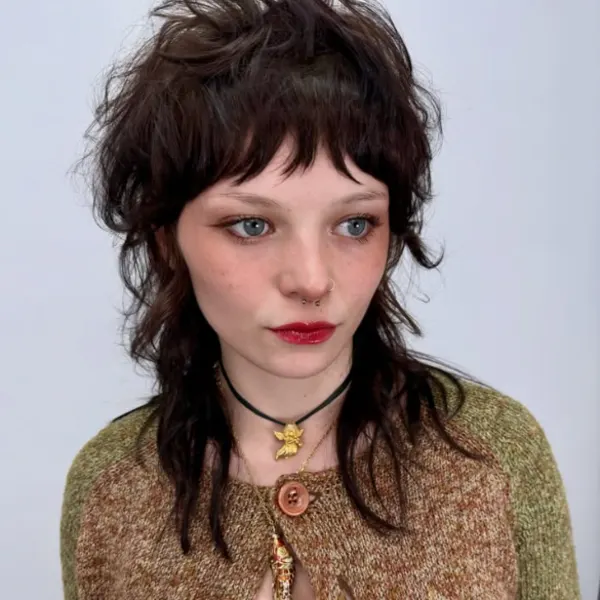
With more than four decades in the industry, hairdresser and MODE Education founder Stan Newton has built a career around the art and discipline of cutting hair, learning the rules so he can break them.
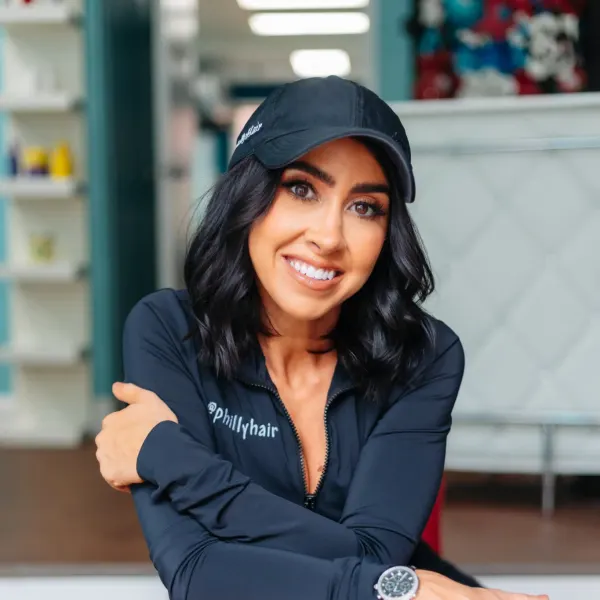
Ashley Leoncini believes success in beauty is built through genuine connection, resourcefulness and the willingness to evolve. A bridal specialist with 17 years in the industry, Leoncini has created a career by making clients feel valued, investing in hands-on education and redefining success to include a healthier work-life balance.
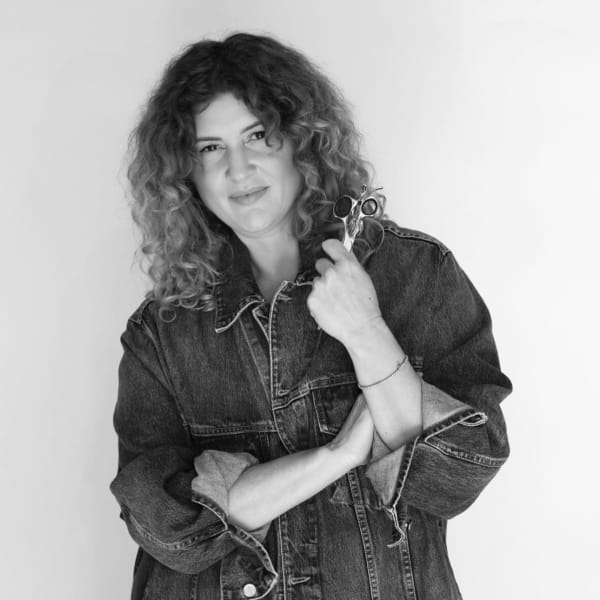
Able to create a shag with gorgeous texture on anyone, Stephanie Carrillo has found her calling within the beauty industry. Now she teaches shag cutting techniques herself, inspiring countless other stylists to fall in love with creating the popular look.
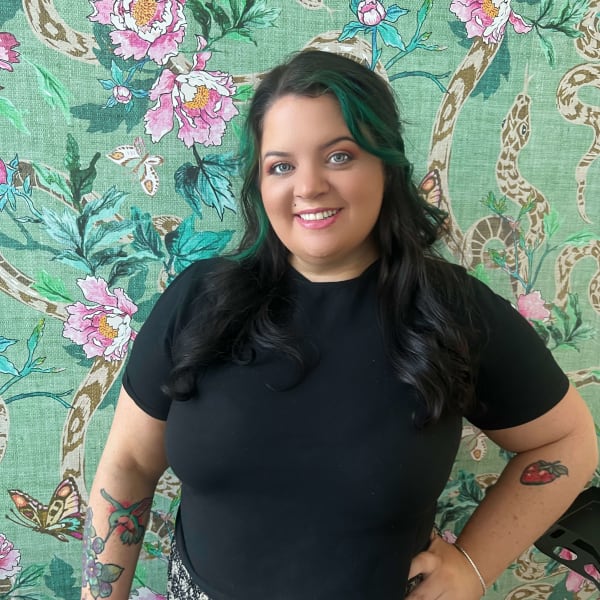
When you think of Stephanie Geib, think bold color. Think beautiful dimension. Think...your hairstylist best friend. As a 2017 Honoree of the MODERN SALON 100, Geib is the perfect example of being a positive force in the beauty industry, advising that being kind to others and sharing your knowledge is the real success.
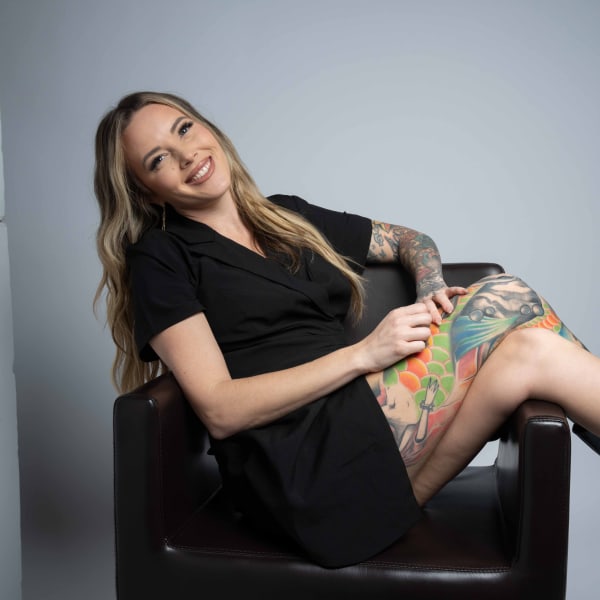
Hannah Mejia believes lasting success comes from mastering your craft, embracing lifelong education and trusting that the career you dream about is within reach. A stylist, educator and content creator, Mejia has spent 15 years building a business rooted in creativity, communication and continuous growth.
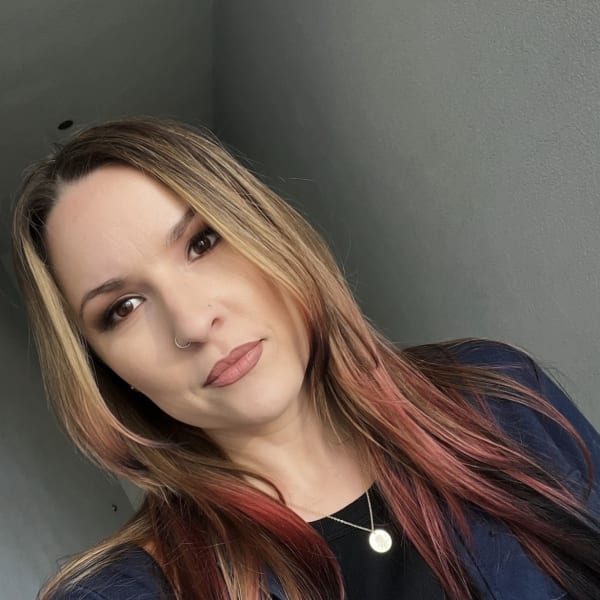
Katy Samuels has spent 14 years proving that creativity thrives when you stop searching for the "right" way and start trusting your own instincts. Known for her creative color work and signature Headband Prism technique, Samuels encourages beauty professionals to embrace mistakes, refine their craft and develop a style that's uniquely their own.
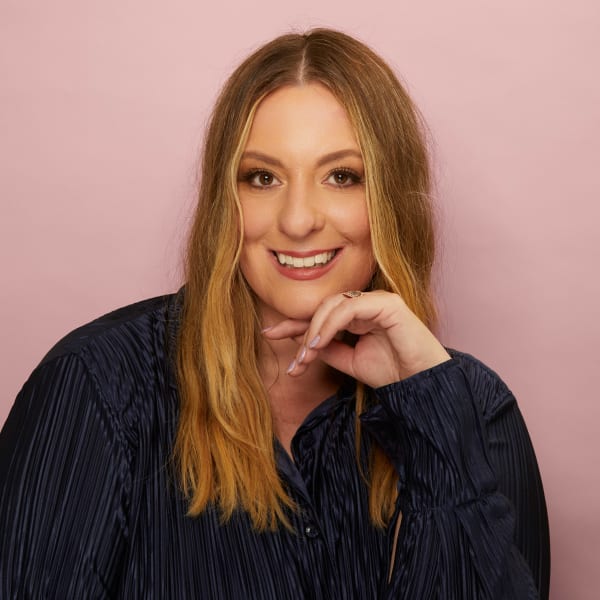
Erin Munoz has spent 17 years building a thriving business behind the chair while proving that success doesn't have to come at the expense of life outside the salon. A color specialist, content creator and salon owner, Munoz believes beauty professionals should treat their careers like businesses, embrace change and make room for both financial growth and personal fulfillment.
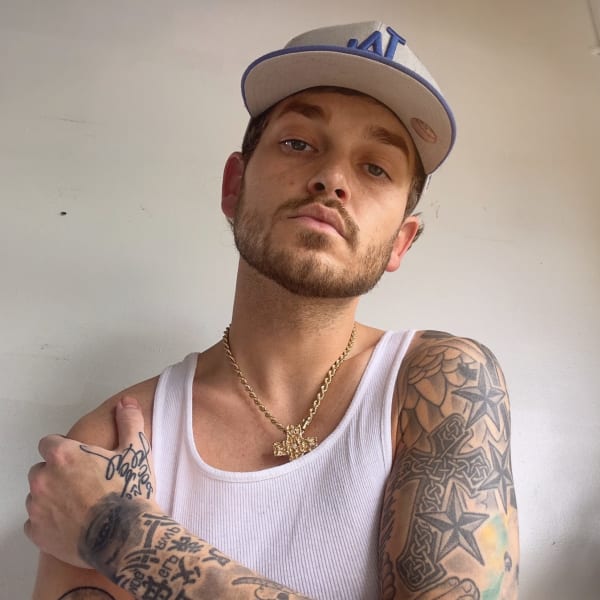
North Carolina-based hairstylist Tyler Plemmons wants you to know one thing: Positivity and perseverance will get you everywhere. This MODERN SALON Artist Connective Member and 2018 MODERN SALON 100 Honoree is known for beautiful balayage, gorgeous vivids, and soft pastel hair color.
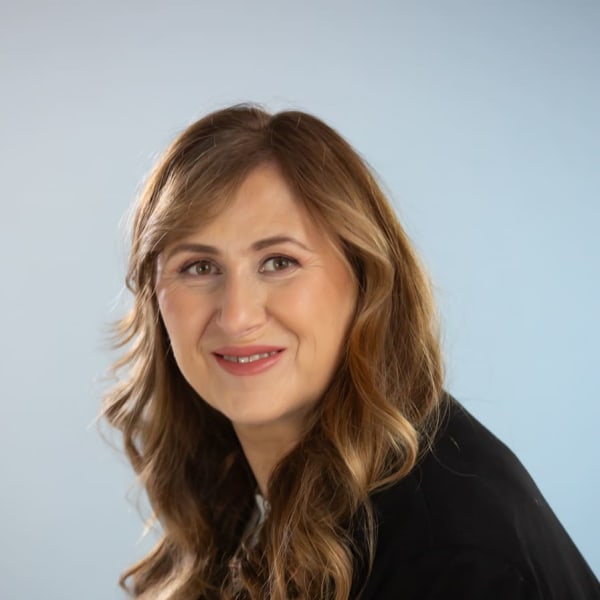
For Angelica Tanta, success has always come down to one thing: practice. Originally from Romania, Tanta credits an online mentor from Ukraine—despite never meeting in person and communicating through Google Translate—with inspiring her to perfect her bridal artistry through relentless repetition.
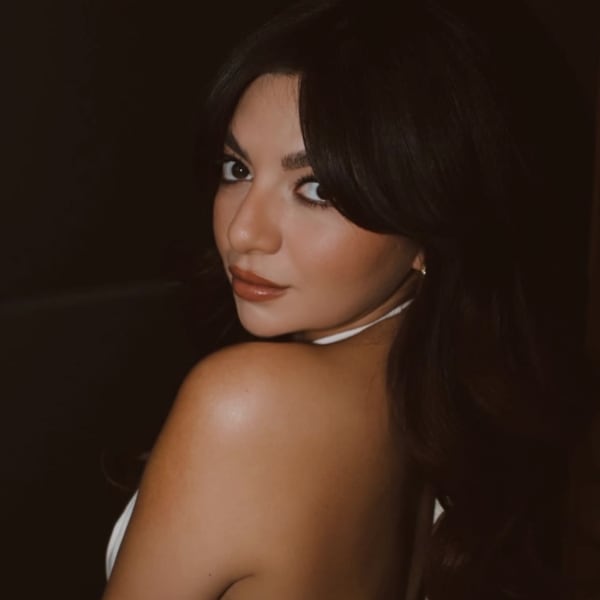
Angela Orozco believes long-term success in the beauty industry is built on trust, consistency and genuine human connection. A stylist at The Nest Salon in Brea, California, Orozco has spent 14 years cultivating a reputation for dimensional brunettes, precision haircutting and authentic relationships that have fueled her career.
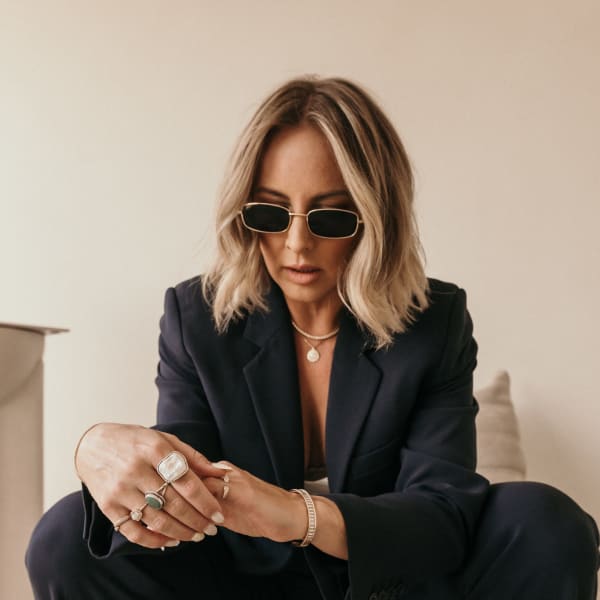
Erin Mills believes beauty professionals deserve more than a successful career. A hairstylist turned multi-salon owner, Mills has spent 17 years growing her business while helping her team create lasting impact.
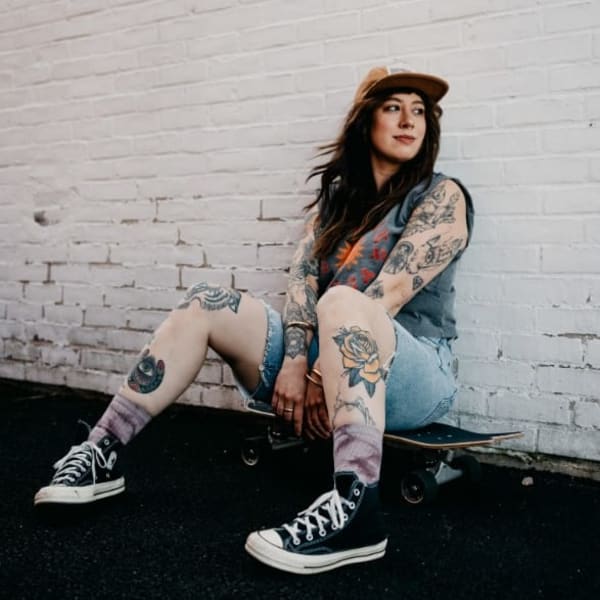
For Mish Jolie (@meltedbymish), success isn't measured by how busy you are, it's measured by how fulfilled you feel. The Connecticut-based stylist, educator and MODERN SALON 100 honoree has built a career around balayage, lived-in brunettes and razor cutting.
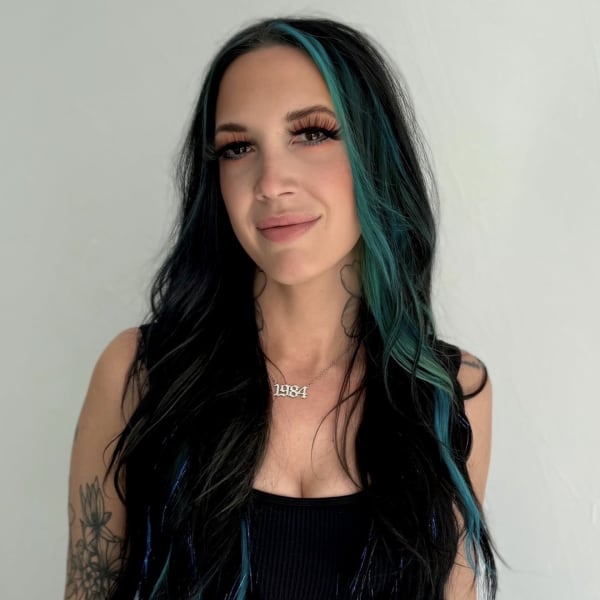
Amanda Harsche has built her career on two simple beliefs: never stop learning and never stop connecting.
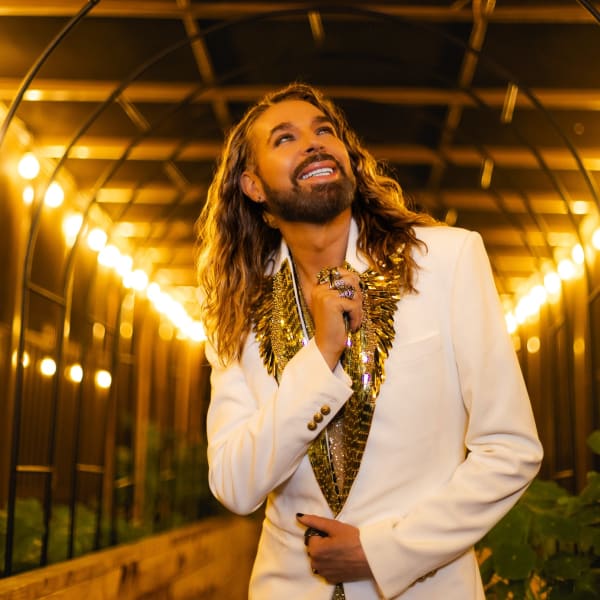
Whether it's social media, fashion, film, art, or culture, Chaz Dean advises stylists to stay aware of what's inspiring people. Take the elements that make sense for you in these five lessons learned through a life in beauty.
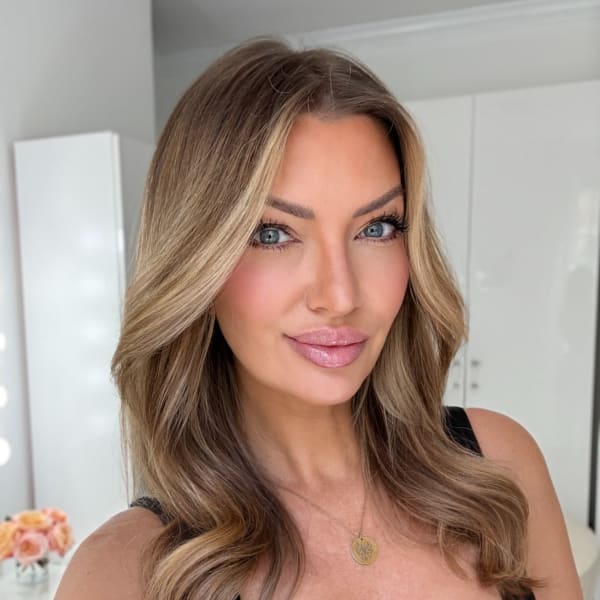
For Jessica Domoney, building a successful career isn't about saying yes to every opportunity, it's about protecting your time, investing in yourself and creating an experience clients won't forget.