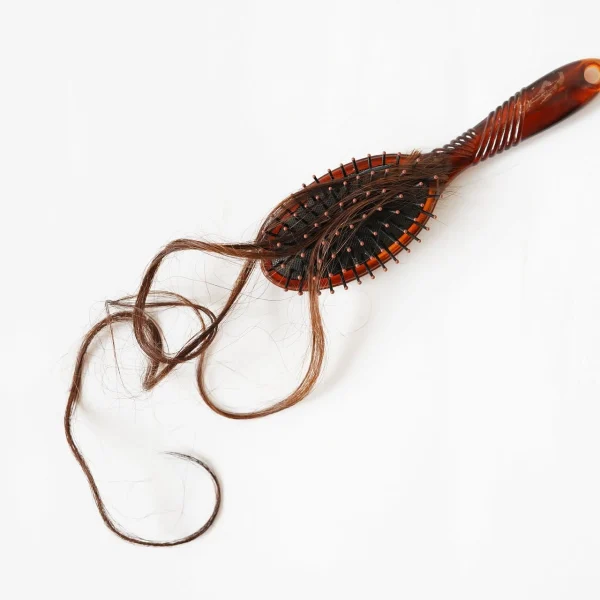
Hair Science 101: Common Hair Loss Causes and Treatments
Hair loss is a concern that nearly everyone encounters personally or through someone they care about. Understanding the different types of hair loss and the available treatment options can help individuals make informed decisions about their next steps.
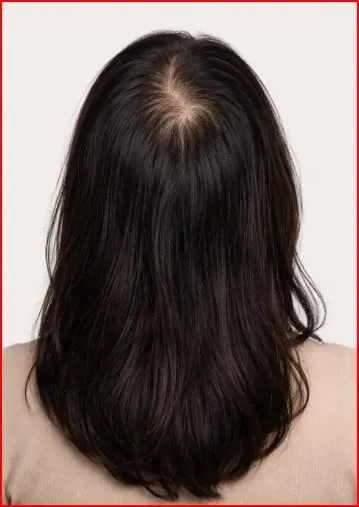
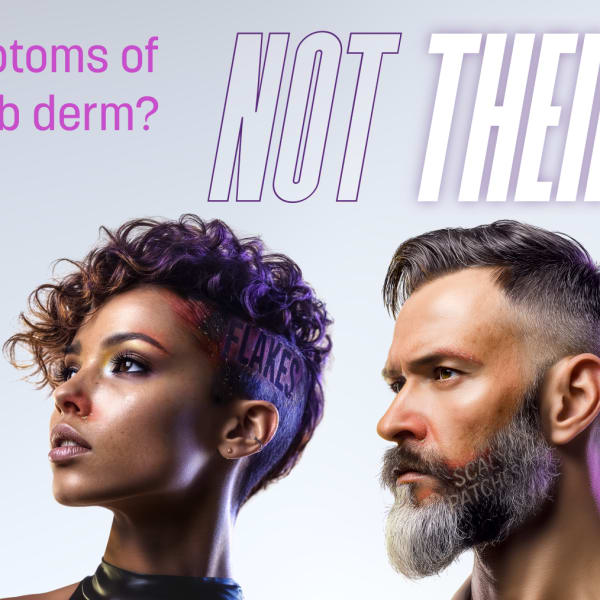
This image was AI-generated using ChatGPT. Refer to our Terms of Use.
4 min to read
Hair loss is a term that can evoke anything from mild concern to significant anxiety. It is a condition that affects more than half of all men and women at some point in their lives, and depending on its severity, it can be emotionally challenging. This article provides a high‑level overview of the common causes of hair loss and the treatment options available today.
Hair Loss 101
‘Alopecia’ is the medical term for hair loss, and it can occur for a wide range of reasons, including hormonal changes, nutritional deficiencies, illness, stress, medications, aging, environmental factors, chemical treatments, and many more.
Ad Loading...
One of the most common forms is Androgenetic Alopecia, a type of hormonal hair loss driven by male sex hormones. Because these hormones exist in both men and women—though in different proportions—this condition affects both genders, presenting as male‑pattern or female‑pattern hair loss. Over 80% of men and roughly 30% of women experiencing hair loss are affected by this form. Additionally, about two‑thirds of post‑menopausal women report hair thinning or loss related to hormonal changes, though this typically appears as overall thinning rather than a distinct pattern.
Another common type is broadly referred to as "diffuse hair loss" is characterized by increased shedding across the entire scalp rather than in specific areas. It often presents as overall thinning, greater scalp visibility, and increased hair fall during brushing. Clinically, this is referred to as Telogen Effluvium, a condition in which hair prematurely shifts from the growth (anagen) phase to the resting/shedding (telogen) phase of the hair’s life cycle. It may occur after a significant physical or emotional stressor—such as acute illness, childbirth, or surgery—or in a chronic form due to nutritional deficiencies, prolonged stress, hormonal imbalances, dietary changes, medications, malnutrition, etc. Diffuse hair loss typically appears 2–3 months after the triggering event and is generally reversible, though full recovery may take six months to a year.
Other forms of hair loss include alopecia areata (a reversible autoimmune condition), scarring alopecia (permanent patchy hair loss), traction alopecia (caused by mechanical strain), and hair loss resulting from infections, genetic hair‑shaft disorders, or chemical injuries. A trichologist or dermatologist can determine the specific type and severity of hair loss through consultation, scalp examination, and laboratory testing. Tools such as microscopes or trichoscopes help identify inflammation (peri-follicular inflammation), swelling, redness, infection, and other indicators.
Working with a qualified professional is the most effective way to develop an appropriate treatment plan.
Treatment Options for Hair Thinning or Hair Loss
Pixabay
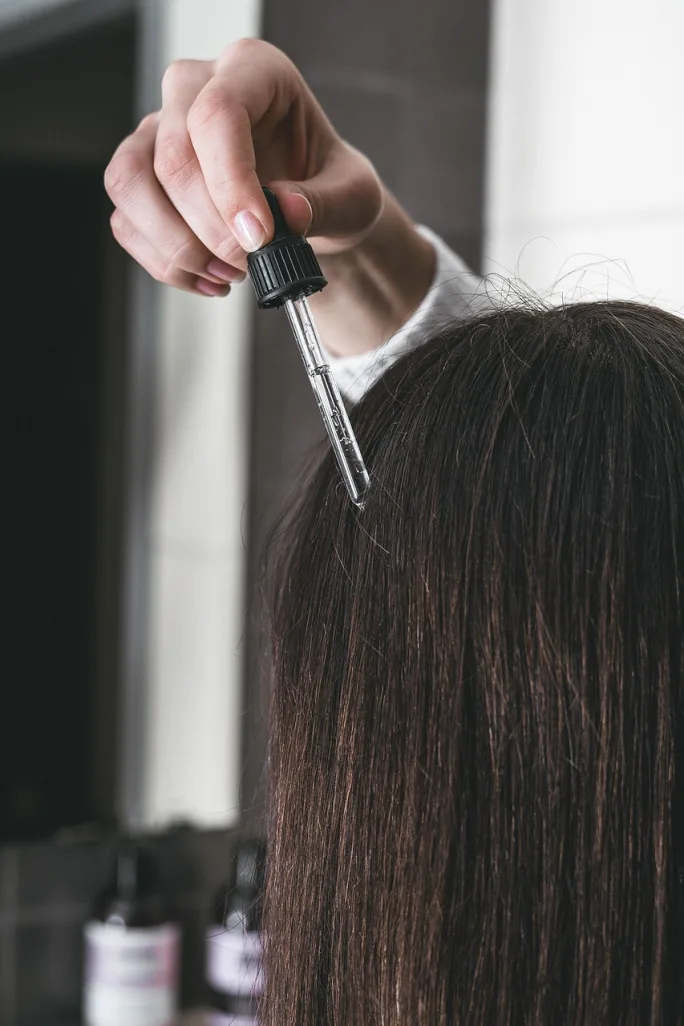
Treatment options range from basic hair‑care practices and nutritional support to over‑the‑counter products such as shampoos, conditioners, masks, oils, and supplements, as well as customized prescription therapies. Currently, the FDA has approved three primary classes of hair‑loss treatments:
Ad Loading...
Finasteride (e.g., Hims)
A prescription medication used primarily for hormonal hair loss. It works by inhibiting the enzyme 5‑alpha reductase, which converts testosterone into DHT—a hormone known to damage hair follicles. Finasteride is typically taken orally but can be applied topically as well. Potentially serious side effects have been reported by some users. It is recommended to work with a doctor to titrate the dosage and monitor side effects.
A vasodilator that increases blood flow and nutrient delivery to hair follicles. Available over the counter in various strengths, it can be applied topically or taken orally. Side effects are generally mild (redness, itching, etc.) and considered reversible.
A form of electrotherapy that uses low‑intensity lasers to enhance oxygen and nutrient supply to the hair root, stimulate follicle activity, and support keratin production. Devices come in multiple formats and require consistent, long‑term use.
Beyond these, treatments such as microneedling, PRP (Platelet‑Rich Plasma), nutritional supplementation, scalp massage, saw palmetto and other oral or physical therapies have shown benefits for certain types of hair loss.
Some require a series of sessions, while others must be continued long‑term to maintain results. A combination of two or more available treatments used concurrently may be required to achieve the best results. As with most treatments, consistency is essential, and outcomes vary from person to person.
Final Words
Hair loss is a concern that nearly everyone encounters personally or through someone they care about. Understanding the different types of hair loss and the available treatment options can help individuals make informed decisions about their next steps.
Disclaimer: Please consult your physician and do your own research before considering any medication or treatment. The author is not a medical doctor and the information should not be considered medical advice. It is purely for general awareness.
Ad Loading...
About the Author Tej Belagodu is a hair enthusiast and entrepreneur. During the Covid19 pandemic, he developed an online marketplace where clients could buy customized DIY hair color kits formulated by licensed stylists based on a video consultation. He is currently exploring a couple of new ideas in the hair industry and evaluating their viability. Occasionally, he writes articles on various topics related to hair. At his day job, he is an Engineering Manager in the manufacturing organization of a semiconductor technology company. He has a Master of Science degree in Electrical Engineering from Arizona State University. Tej can be reached at tej.belagodu@gmail.com.
The FutureIQ™ biomimetic hair longevity serum is a lightweight, fast-absorbing formula, powered by K18’s proprietary MultiVital™ technology, designed to simultaneously support hair retention, scalp vitality, and pigment longevity through biology-first intervention.
Thanks! Naturals product lineup includes fizzing bath soaks and glow butters to roll-ons, balms, and body and hair mists, and each product delivers an instant sensory boost
In this content series, we're focusing on artists who found a niche that really speaks to them and work for their career. Henry "Tribes" Amoloja (@theweightedcape), is based in Dallas, TX, and practices sensory-friendly barbering.
YouGov report explores anti-aging attitudes, skincare routines, Botox awareness, and how prevention-minded consumers are shaping the beauty and wellness market.
The Paul Labrecque Salon salon is finding success --for stylists and clients, alike--offering scalp care and specialized treatments. MODERN spoke to Moine about how this focus meets an important need and drives client loyalty.
As we enter 2026, surveys show health and wellness at the top of New Year’s resolutions globally, again. Based on Google Trends analytics, clinicians highlight the biggest health and wellness trends for 2026, from rising interest in electric medicine to the threats of extreme diets.
For salons and stylists ready to tackle hair-thinning, understanding the why, building the right network of partners, and offering scalp-focused services will be key.
We are an industry that loves to travel. And I'm a traveler who loves England. If you're into series and films that are filmed across the pond and beyond, Rabbies, the UK-based travel company, has got you.