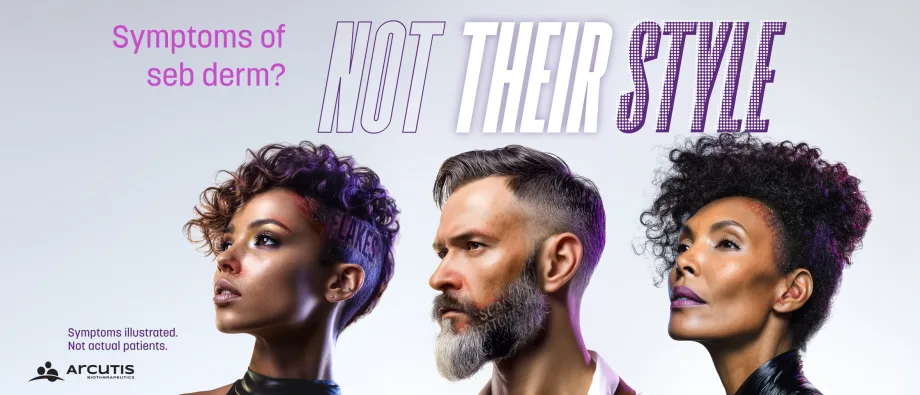
Seborrheic dermatitis affects more than just the scalp. Here’s how stylists can learn to see the signs and guide clients toward care.
When It’s More Than Flakes
Every stylist knows the moment: you’re parting hair for a color service or blow-dry and notice flakes or redness. Sometimes the client mentions it first—often, they don’t.
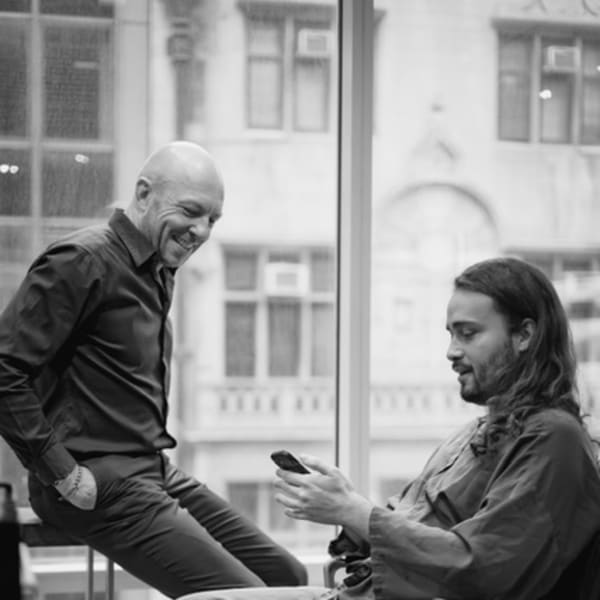
“Honestly, I see scalp irritation or flaking at least two or three times a week,” says Jennifer Grim, owner of Solutions Studio and Spa in New York. “Some clients bring it up right away because they’re embarrassed. Others sit there quietly, waiting for me to notice.”
While most clients assume it’s dandruff, for millions of people it’s something different—a chronic, inflammatory skin condition called seborrheic dermatitis (seb derm). It often shows up on the scalp, hairline, eyebrows, and even behind the ears. For stylists, understanding what you’re seeing could be the first step in helping a client know when to ask their healthcare provider if they have seb derm.
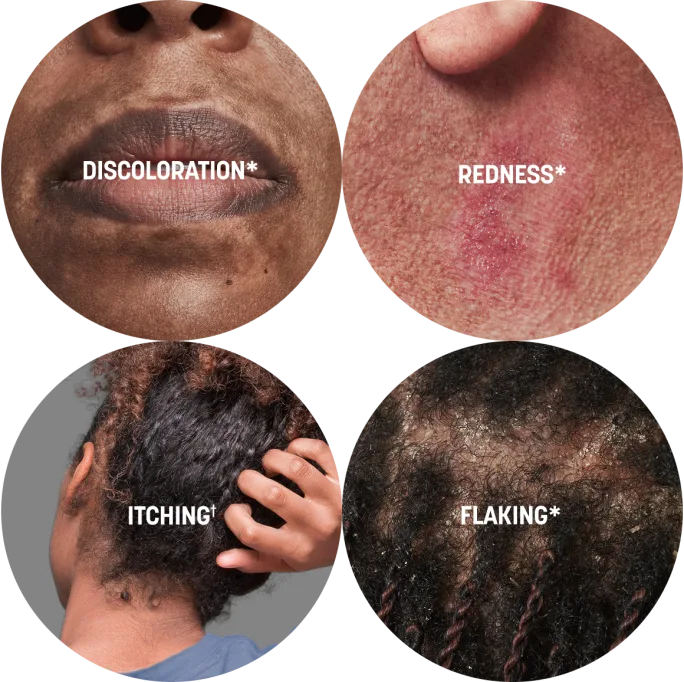
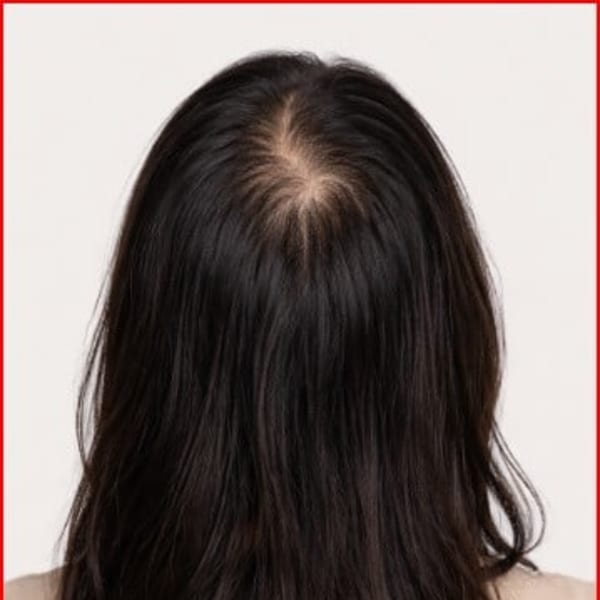
*Individuals living with seborrheic dermatitis. Symptoms of seb derm may include a combination of: discoloration, redness, flaking, and itching.
ᵗSymptoms illustrated. Not an actual patient.
Seb derm affects more than 10 million people in the US
Understanding Seborrheic Dermatitis
Seborrheic dermatitis is not about hygiene or hair products. It’s a chronic inflammatory condition that affects the oil-rich areas of the skin.
Historically, experts thought yeast overgrowth was the main culprit. Today, science shows inflammation is actually the primary driver, while yeast and environmental factors play supporting roles. Stress, hormonal changes, and cold, dry weather can all trigger flares.
In the salon, it can appear as:
Scaling or flakes that may look like dandruff on the scalp, face, or chest
Redness or discoloration, often pink on lighter skin tones, or purple-gray on darker skin tones
Greasiness or buildup in or along the scalp and hairline
Itchiness, which can range from mild to intense
Discoloration or irritation behind the ears or around the eyebrows or nose
Stylists are uniquely positioned to notice these signs and to help normalize the conversation around scalp health.
The Hidden Burden Beyond the Flakes
What stylists see on the scalp often runs deeper than the skin. “When people deal with flakes week after week, they feel embarrassed, like they’re not clean,” Jennifer explains. “You can hear it in how they talk about themselves. They’ll say, ‘I’ve tried everything,’ or avoid wearing black. It really affects confidence.”
Clients may worry that others notice the flakes more than their fresh cut. Some even skip appointments out of shame. That’s why the stylist’s role goes far beyond the mirror—it’s about creating a space of trust, understanding, and emotional support.
“When someone’s sitting in my chair, they know they can ask me about anything,” Jennifer says. “They trust that I’ll listen without judgment.”
How Stylists Can Help
The key, Jennifer says, is gentle curiosity. “I’ll say something like, ‘Hey, I noticed your scalp looks a little irritated today. Have you seen that before?’ Then I reassure them that it’s not abnormal and I’ve seen it plenty of times. It’s about asking like a friend.”
Stylists can:
Start with open-ended questions during salon consultations (“How often does your scalp feel itchy?”)
Normalize the topic (“Lots of people deal with this—you’re not alone.”)
Suggest medical follow-up when needed (“If you’ve tried changing products and it’s still red or flaky, it may be time to see a healthcare provider.”)
As Jennifer puts it, “our job is to care for the scalp just like we care for the hair and to guide clients to the right experts when it’s beyond our chair.”
Some clients may turn to medicated shampoos or other over-the-counter options to try to find relief, but they can contain ingredients that may cause dryness or damage hair color. Others have hair textures or styles that make frequent shampooing impractical.
Stylists can encourage their clients to speak with a healthcare provider about their symptoms. Then, the healthcare provider can help them find an appropriate treatment option designed for use on the scalp.
Redefining Scalp Health Together
Stylists are more than artists—they’re trusted partners in self-confidence. Arcutis Biotherapeutics is working to bridge the gap between dermatology and professional beauty, helping stylists and barbers recognize scalp conditions and reduce stigma.
“True beauty starts at the scalp,” says Jennifer.
“When we take time to talk, teach, and treat from the root, we transform more than just hair — we build trust.”
To learn more about how to support clients who may be living with seborrheic dermatitis, visit NOTTHEIRSTYLE.COM.
Final Takeaway
Stylists don’t just transform how clients look—they change how confident clients feel. Recognizing potential signs of seborrheic dermatitis, speaking about it with empathy, and helping guide clients toward consulting with their healthcare provider can make the difference.
The FutureIQ™ biomimetic hair longevity serum is a lightweight, fast-absorbing formula, powered by K18’s proprietary MultiVital™ technology, designed to simultaneously support hair retention, scalp vitality, and pigment longevity through biology-first intervention.
Thanks! Naturals product lineup includes fizzing bath soaks and glow butters to roll-ons, balms, and body and hair mists, and each product delivers an instant sensory boost
In this content series, we're focusing on artists who found a niche that really speaks to them and work for their career. Henry "Tribes" Amoloja (@theweightedcape), is based in Dallas, TX, and practices sensory-friendly barbering.
YouGov report explores anti-aging attitudes, skincare routines, Botox awareness, and how prevention-minded consumers are shaping the beauty and wellness market.
The Paul Labrecque Salon salon is finding success --for stylists and clients, alike--offering scalp care and specialized treatments. MODERN spoke to Moine about how this focus meets an important need and drives client loyalty.
Hair loss is a concern that nearly everyone encounters personally or through someone they care about. Understanding the different types of hair loss and the available treatment options can help individuals make informed decisions about their next steps.
As we enter 2026, surveys show health and wellness at the top of New Year’s resolutions globally, again. Based on Google Trends analytics, clinicians highlight the biggest health and wellness trends for 2026, from rising interest in electric medicine to the threats of extreme diets.
For salons and stylists ready to tackle hair-thinning, understanding the why, building the right network of partners, and offering scalp-focused services will be key.
We are an industry that loves to travel. And I'm a traveler who loves England. If you're into series and films that are filmed across the pond and beyond, Rabbies, the UK-based travel company, has got you.