




Why Salon Work Makes Your Body Ache & What You Can Do to Feel Better
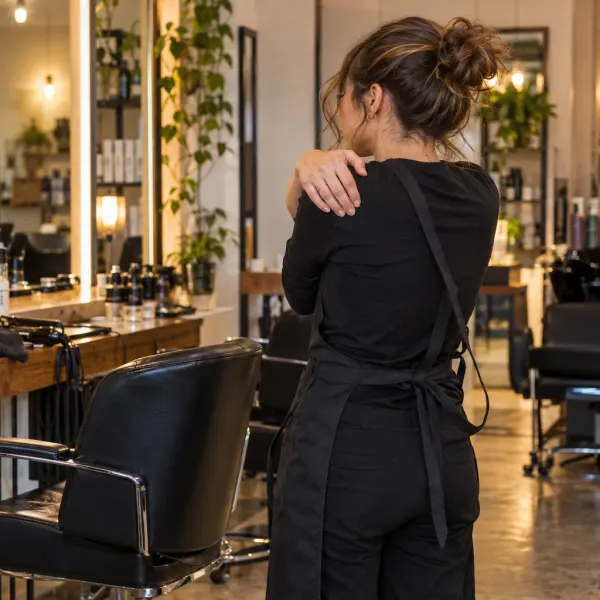
We learn some simple moves and strategies to keep the blood pumping through the muscles and limit posture problems from The Balanced Beauty Pro
by Anne Moratto
 MENU
MENU SEARCH
At a time when many LGBTQ+ people felt compelled to hide parts of themselves, Carlos Valenzuela found a career in beauty and a community that offered opportunity based on what you could do and how well you could do it.
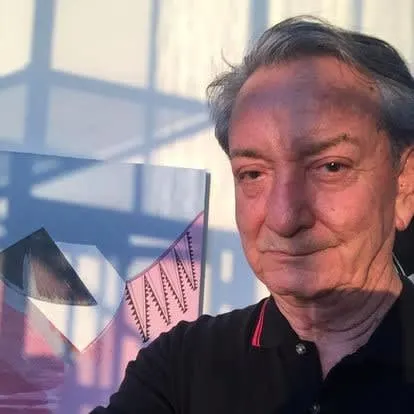
Carlos Valenzuela’s Letters to Young Carlos, a 117‑page drama manuscript that tells the story of a gay boy growing up in a 1960s border town, draws on his own experiences and those of others he knew.
*Summarized by AI

Carlos grabbing joy--and a dolphin--by both hands.
Carlos Valenzuela
For the entire time I’ve been part of MODERN SALON, I’ve been in a relationship with Carlos Valenzuela, that of editor and writer. Over the years, we have spent very little of that time together in the same room, but I feel like we’ve shared a headspace for 14 years.
We were first introduced to work on establishing Carlos as a blogger for modernsalon.com. We liked each other, found it easy to communicate via email, and started collaborating.
A hairdresser (retired, but it’s still there, in his heart and hands) who has traveled the world, educating, Carlos also had an impressive pre-beauty corporate career. Today, he is a published author, a speaker, a poet, and an appreciator. He observes life and recognizes the miraculous and the humorous in the ordinary.
Carlos has mentored me, whether he knew it or not, and I continue to turn to him when I want to understand the arc of history as it relates to life in the salon. In this conversation, Carlos reflects on his early years in the profession, the changes he has witnessed over the decades, and what Pride, visibility, and belonging mean to him today.
Editor's Note: This interview has been edited for clarity, flow, and length with AI assistance while preserving the interviewee's meaning and intent.

"... the beauty industry became more than a career. It became a place where I could build a life. The remarkable thing about our industry is that it didn't care who you were. It cared about your talent."--Carlos Valenzuela
MODERN SALON: Carlos, it's wonderful to see you. We've known each other for a long time, and I wanted to talk with you during Pride Month because you've witnessed so much of this industry's history. As a gay man, what was it about the professional beauty industry that appealed to you? What kind of welcome did you find here?
CARLOS VALENZUELA: I think one of the things that first drew me to the beauty industry was the ability to be myself. Since I was about 13 years old and realized I was gay, women have been my friends. Not once have I felt that who I was made a difference to them.
Some women may have felt pressure from society not to openly show that friendship, but there has always been something remarkable about women. I don't know exactly why, but they seem able to recognize the difference between a gay boy and a straight boy and simply not care. That acceptance mattered enormously.
I remember when I was 13, in 1960, crossing the border every day from Mexico into Arizona for school. We traveled as a group of boys and girls. One of my friends, Anna, and I had a crush on the same boy. We admitted it to each other, compared notes, even drove past his house together hoping to see him. Looking back, I don't know how that poor boy handled both of us flirting with him. Those friendships taught me something early: women accepted me exactly as I was.
When I entered the salon industry in the 1960s and '70s, salons were primarily owned and staffed by women. Nobody cared who you were. They cared whether you could do great hair.
MODERN SALON:You once described choosing the beauty industry almost as a way of protecting yourself economically. Can you explain that?
CARLOS: When I realized I was gay, I also realized it wasn't something that was going to change. For someone growing up during that era, expressing your sexuality wasn't the priority. Survival was.
You wanted to become independent so you wouldn't have to rely on people who might reject you. Financial independence insulated you from homophobia.
My own career took me into international business after earning a master's degree. I worked in Brazil and Argentina, and the homophobia I experienced there was devastating. Eventually I left, moved to London, and studied with Sassoon.
That's when the beauty industry became more than a career. It became a place where I could build a life. The remarkable thing about our industry is that it didn't care who you were. It cared about your talent.
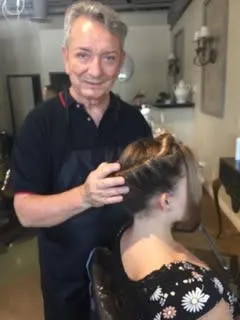
Over his years as a contributor to MODERN SALON, Carlos Valenzuela has written on everything from time management, reluctant clients, becoming an assistant, and reflections on his own 40-year career.
MODERN SALON:You also describe those early salon days with so much affection.
CARLOS: They were romantic.
Back then, all you really needed was about 30 or 40 loyal weekly clients and you could make a living. Clients came every week for their sets, trims, or color. A 50-cent tip felt generous.
And salons were fun. We'd have bridal parties come in with cake, cookies even a little champagne. We'd spend the afternoon laughing while doing everyone's hair.
I remember one bridal party where the groom and his friends crashed the salon. We grabbed our spray bottles and suddenly the entire salon was in a water fight including clients who had only come in for appointments.
Who wouldn't want to work somewhere like that?
MODERN SALON:You describe women as your first allies. What was it about those relationships?
CARLOS: Even though I was gay, I had been raised with very traditional ideas. There were things I wasn't comfortable with yet. The women around me—and many of the men, too—helped me become comfortable with myself.
Gay men and women connect very quickly in salons because there isn't sexual tension complicating the relationship.
But I think it's deeper than that.
Women ask questions like: Can I trust you? Are you honest? Are you a good person?
And gay men deeply value women's acceptance, insight, and understanding. I can't wait for women to rule the world.
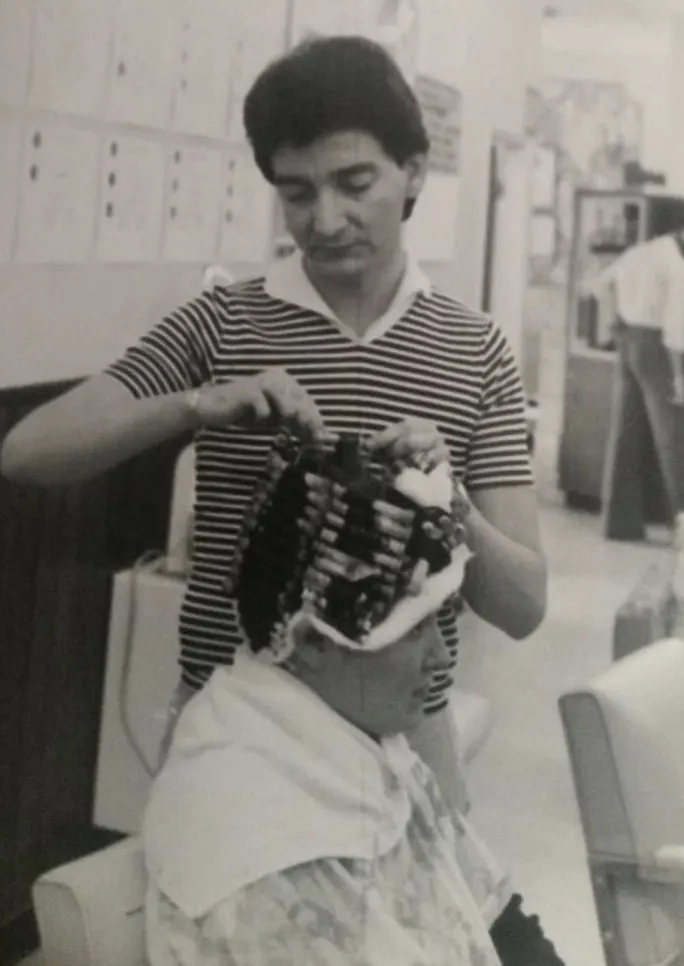
Carlos Valenzuela wrapping a perm like nobody's business
MODERN SALON: You used a phrase I've never heard before: "the table of misunderstanding." What does that mean?
CARLOS: The table of misunderstanding is where two people admit they don't understand something. Instead of pretending to have all the answers or trying to outdo one another, they simply say, "I don't get it." Then they figure it out together.
I think women and gay men have often been willing to sit at that table with each other. There's vulnerability there, empathy, and a willingness to learn together.
MODERN SALON:Do you think you became that kind of ally for other people?
CARLOS: I hope so.
People often tell me deeply personal things. Sometimes it's just a few sentences in a note or message, but inside those few sentences is someone's entire life. I can't heal anyone, but I can empathize. I think that's what eventually led me into education.
I've certainly been misunderstood at times, and I've had people take advantage of me. But yes, I do try to be an ally. And honestly, I think hairdressers in general make wonderful allies.
MODERN SALON:You've also spent years pushing back against stereotypes about hairdressers.
CARLOS: Absolutely. One stereotype I've always hated is the idea that hairdressers aren't intelligent.
I wish the people who believe that would stand behind the chair for eight hours. They'd see that our work requires tremendous emotional intelligence. We're helping people prepare for weddings, job interviews, first dates, divorces, celebrations, grief—life itself.
Hairdressers are empathetic. They're emotionally intelligent. They're intellectually capable. That's one label I've spent my career fighting.
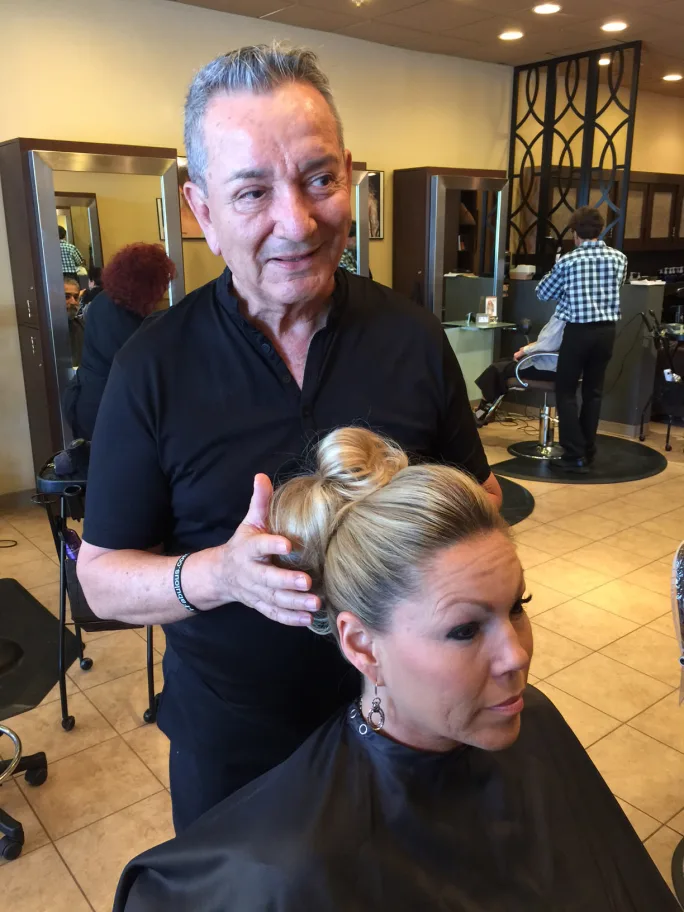
Carlos Valenzuela
MODERN SALON: Over your career you also saw many more men enter the industry.
CARLOS: That was wonderful to watch. When I first started in America, if you became a male hairdresser, people assumed you were gay. Eventually, straight men first began coming into salons as clients—usually because their girlfriends encouraged them.
Then came straight men entering the profession itself. That changed everything. Suddenly salons reflected a broader cross-section of people: LGBTQ+ professionals, straight women, and straight men all working together.
But the hierarchy in the salon never depended on labels. It depended on your talent, your ability to build a clientele, and whether you were a good teammate.
MODERN SALON:As we wrap up Pride Month, what has it been like for you to witness the changes over your lifetime?
CARLOS: I live now in a small border town called Agua Prieta, Mexico. To my surprise, there's a vibrant LGBTQ+ community there. They invited me to speak during Pride Month. The museum where I spoke usually draws 10 or 12 people. This time it was completely full—not because of me, but because people were ready to have that conversation.
A couple of days later they invited me to participate in the Pride parade. I told them I couldn't walk the route because of the heat, so they put me on a dune buggy with speakers and a Pride flag.
As we drove through town, people came out of their homes. They stood on sidewalks, waved, clapped, and cheered.
I started crying. The town that once made me feel ashamed for who I was now celebrating me.
We learn some simple moves and strategies to keep the blood pumping through the muscles and limit posture problems from The Balanced Beauty Pro

Anny VanDriel, owner of Be Rosie Salon and creator of Pricing Isn’t Personal, volunteered to share a pricing presentation to beauty school students a year ago, and ended up learning more than she expected.

From the launch of the Ulta BeautyArtist Collective to the evolution of Trendspiration, celebrating stylists is what The Salon at Ulta Beauty does best.
Sponsored by Ulta Beauty

With more than four decades in the industry, hairdresser and MODE Education founder Stan Newton has built a career around the art and discipline of cutting hair, learning the rules so he can break them.
Beauty professionals should evaluate each service based on its popularity, profitability, and alignment with current trends. Conducting client surveys and analyzing booking data can provide insights into which services are in demand and which might be phased out.
LifeSpa leader Ali Yanez explains why strong mentorship, predictable income, meaningful recognition and the right work environment help beauty professionals build careers that last.

Whether a beauty professional chooses a commission salon, booth rental, salon suite or salon ownership, the common thread is having more choices than ever before.

Sport Clips Haircuts will host its inaugural "Level Up Live," a first-of-its-kind virtual event that combines live haircutting education, career inspiration, product knowledge, and employment opportunities for licensed stylists and cosmetology students nationwide.
Orthopedic PT reveals three daily exercises plus ergonomic advice that can help salon professionals avoid the aches and injuries caused by standing, bending and repetitive overhead work.

Four publications for beauty industry professionals to enhance their leadership skills, financial awareness, professional growth, and joy!
Salon suite pioneer Karen Kaminski argues that the next evolution of independent beauty businesses won't be defined by beautiful spaces alone, it will be driven by smarter systems that help professionals spend less time on administrative work and more time serving clients.
Whether it's social media, fashion, film, art, or culture, Chaz Dean advises stylists to stay aware of what's inspiring people. Take the elements that make sense for you in these five lessons learned through a life in beauty.
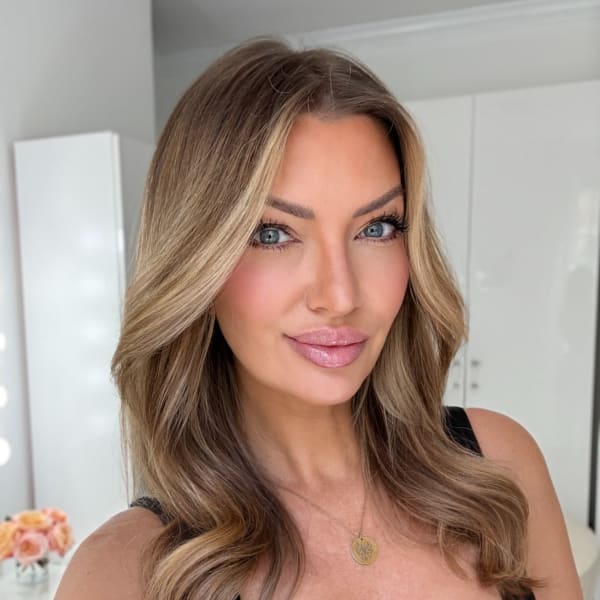
For Jessica Domoney, building a successful career isn't about saying yes to every opportunity, it's about protecting your time, investing in yourself and creating an experience clients won't forget.
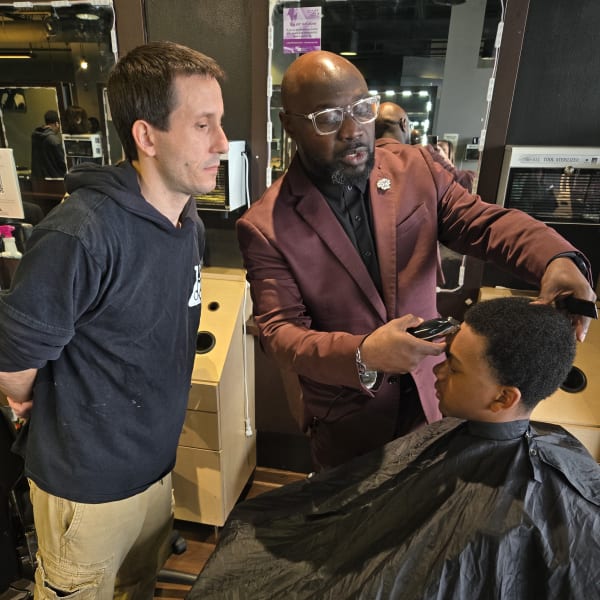
MODERN SALON sat down with Samuels to discuss the book, beauty education, mentorship and the habits that help beauty professionals thrive.
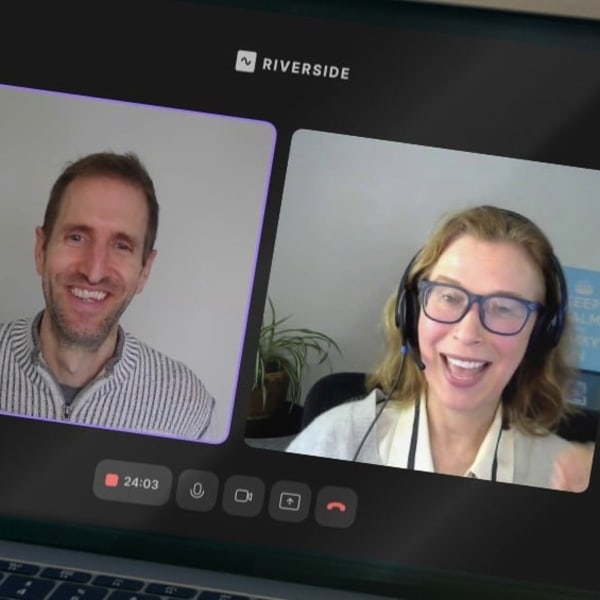
"The mistake people make is treating AI like a vending machine instead of a personal assistant." Digital marketing expert Scott Moon shares how beauty professionals can use AI while staying authentic

Real-world advice on creativity, consultations, color, burnout, business, boundaries, inclusivity, client care, and career growth from educators and industry experts.

Real-world advice on creativity, consultations, color, burnout, business, boundaries, inclusivity, client care, and career growth from educators and industry experts.