Whether a beauty professional chooses a commission salon, booth rental, salon suite or salon ownership, the common thread is having more choices than ever before.
Have Salon Suites Peaked? An Industry Veteran Weighs In
Salon suites have transformed the beauty industry over the past decade, offering beauty professionals another path to business ownership and independence. But after years of rapid expansion—and a post-pandemic surge in demand—is the salon suite model still growing?
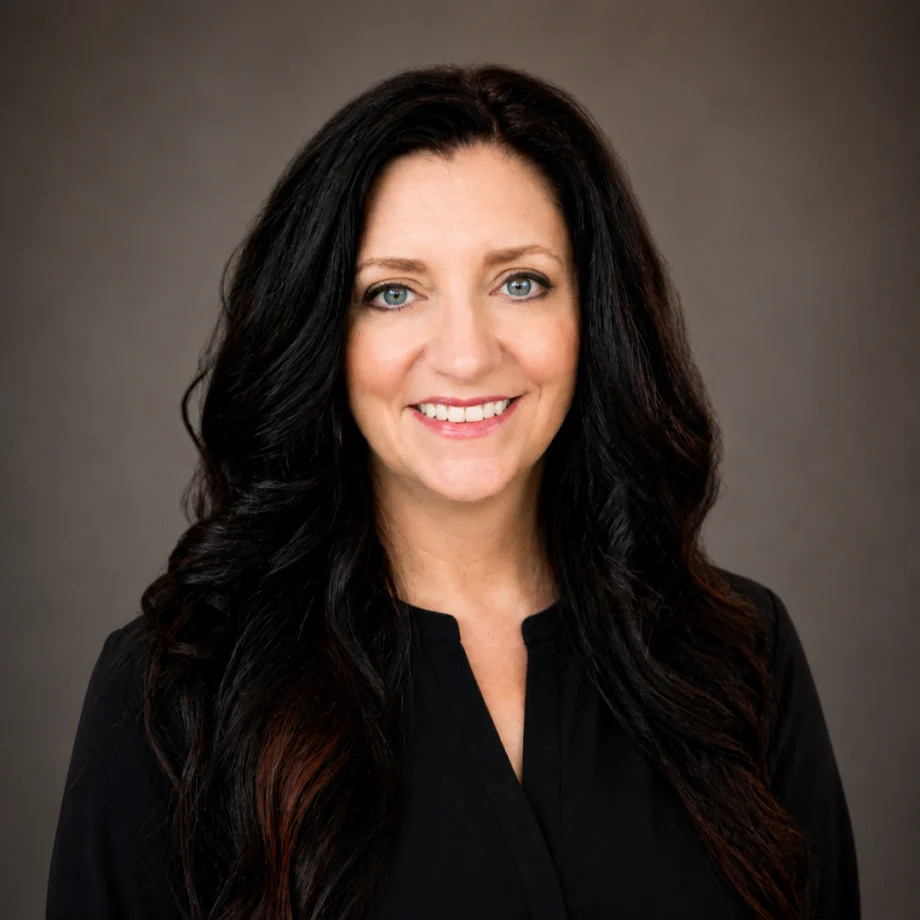
To find out, MODERN SALON spoke with Megan Stern, a beauty industry executive whose career spans more than three decades in salon leadership. Stern has held leadership roles with independent salons, national salon brands, Drybar, Vent Blotique, Ratner Companies and The Beautiful Group, overseeing everything from luxury salons and barbershops to blowout concepts and multi-unit operations. Her experience gives her a unique perspective on how beauty professionals are redefining career success and where the salon suite model fits into today's industry.
In this conversation, Stern, who is currently COO for My Salon Suite Texas, overseeing operations across 20+ locations, shares why she believes salon suites have evolved beyond simply renting space, how younger beauty professionals are redefining success, and why she thinks the future isn't "salons versus suites."
"Salon suites didn't change the industry—they expanded the definition of what success can look like."
— Megan Stern
Q: You've watched the salon suite model evolve over the past decade. How has it changed?
Stern: I remember when the first salon suites opened near where I worked, and I thought, Nobody's ever going to want to do that. What is that about? I just couldn't wrap my brain around it.
Now, being part of this segment of the industry, I completely get it. I think salon suites have evolved from a real estate model into a platform for entrepreneurship.
Ten years ago, independence was really the primary value proposition. People wanted to set their own schedule, be their own boss and keep more of what they earned.
Today, beauty professionals have evolved. They're not just artists or business owners anymore. They're also content creators, educators and marketers.
As operators, we have to evolve, too. It's no longer just about renting space. It's about providing technology, tools, education, connections and opportunities that help people thrive in every element of their business.
It's not just about the four walls anymore. It's about giving beauty professionals access to the resources they need to succeed and to provide opportunity.
Q: Are younger beauty professionals approaching independence differently than previous generations?
Stern: I think so. In our experience, the population has definitely shifted younger, and I think they're approaching things with a lot more intentionality. It's not that they're unwilling to commit. They simply ask more questions. They want to understand the lease terms, the options and exactly what they're getting into before they make a decision.
Back in the day, there seemed to be one path to success. You built your clientele, worked your way up, maybe became an artistic director, owned your own salon or opened multiple locations.
Now I think younger professionals are asking, Is that the only path to success? And the answer is probably no.
They're looking for something that aligns with their values. Previous generations tended to be more loyal to brands or companies. Today, younger professionals are often more loyal to their own values. If something doesn't feel right, they're much more comfortable saying, "This isn't the place for me," and finding something that is.
I actually think that's healthy for our industry. We can learn from that. Success might mean maximizing your income, owning a business or it might simply mean working three days a week and being home for dinner with your family. Those are all great choices.
The other thing that's really evident is that they're comfortable building their own brand from day one. They're not just building a clientele anymore, they're building an audience and a business at the same time. Creating content is second nature to them, and that's very different from previous generations.
Q: Some people still say salon suites can feel isolating. How do you create a sense of community?
Stern: Community is huge. Honestly, I think it's a competitive advantage.
I grew up in a really small town where everybody knew what you were doing before you even knew what you were doing. I couldn't wait to move to a bigger city and have some anonymity.
But once I started working in the salon industry, I realized I actually missed that sense of community. I worked in an independently owned salon where we got married together, had babies together and became each other's family.
That's always been what this industry is about—connection. A haircut is a haircut to a certain extent. But when someone sits in your chair and feels like you understand them, they're able to relax. They trust you. It becomes a safe space.
It's the same thing with salon suites. We don't force community, but we intentionally create opportunities for it. One of the things I love most about the salon suite model is that it offers independence, not isolation. People aren't choosing independence instead of community: they're choosing both.
Some members leave their doors open because they love the energy and collaboration of being around other professionals. Others close the door because they enjoy the sanctuary of their own space. Sometimes the same person does both in the same day, depending on what they or their client needs.
We celebrate birthdays, anniversaries and business milestones. We connect people with education and industry events. But the best examples come from the members themselves.
A few years ago, we handed out little stress balls before the holidays as a reminder to take care of themselves while they were taking care of everyone else. Recently, one of our members sent me a photo of herself holding that same stress ball while she was preparing for a biopsy. She told me she carries it because it reminds her of the other beauty professionals around her and the support she feels.
To me, that's community. It's really about creating a culture of care where people know they're seen, they're supported and they're in a safe place to grow their business.
Q: How has the salon suite movement changed the beauty industry?
Stern: I don't think it's salons versus suites. I don't think it has to be competitive. Our industry needs both.
Traditional salons are wonderful at developing talent, creating culture, providing education and helping people build careers. I've been fortunate enough to experience that firsthand. Salon suites simply give people another choice.
I think they've expanded the definition of success. For some people, success means owning multiple locations. For others, it's being home for dinner every night. I was talking with one beauty professional recently who celebrated having her best financial year ever while working half as much as she had before. That's success, too.
People come into salon suites at all different stages of their careers. Some come right out of school. Some come after building a clientele. Some use it as a steppingstone to something bigger. Others have owned salons and decide they simply want to focus on their craft again without managing a team.
Our job isn't to define success for people. Our job is to provide a platform, resources, and community that allow people to define success for themselves.