When the weight of the body lands on a swollen nerve, it can be debilitating. Learn the symptoms and alert clients to this common problem that develops in the nerves of the foot.
neuroma:
an abnormal growth of tissue due to pressure or trauma, most commonly found on the foot
It starts with a slight pain under the foot. Caught early, the symptoms can often be treated with a change of activity and a new pair of shoes. Left untreated, a neuroma can lead to surgery where the damaged section of the nerves needs to be removed. It’s possible for a neuroma to appear wherever there are nerves, which means, anywhere in the body. However, certain parts of the body are more susceptible to neuromas and the most common place for them to appear is in the foot. Specifically, neuromas most often form in the nerve running between the third and fourth toe (and less frequently between the second and third toe). In these locations, the neuroma is referred to as a Morton’s neuroma.
Ad Loading...
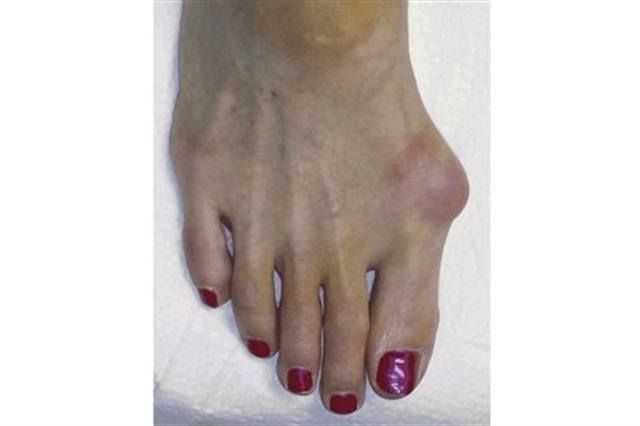
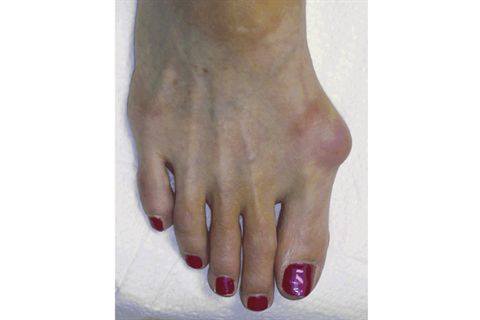
A Morton’s neuroma is always the result of pressure or trauma to the nerves. What varies is the cause of the trauma. Sometimes the structure of a person’s foot aggravates the nerve and causes a neuroma, as in the case of flat feet, or the presence of bunions or hammertoes. Other times, the neuroma develops because of tight, narrow shoes or from continued pressure, such as frequently walking barefoot on tile or the consistent pounding from certain sports, such as running.
The nerve that is affected between the toes is a sensory nerve, so when it becomes swollen or inflamed from being pinched, a burning pain is felt at the site of the inflammation and the pain radiates out to the toes. Clients may self-treat a Morton’s neuroma simply by making the connection between their activities and the pain. A woman may realize she always feels pain when she wears a particular pair of shoes, so she stops wearing the shoes. When the pressure is removed, the nerve heals. But many of us don’t make the connection between cause and effect, and over time the nerve becomes damaged.
Dr. Leon Watkins, a board-certified podiatrist at Watkins Foot Center in Metairie, La., says one way doctors diagnose a Morton’s neuroma is to give the “lateral squeeze test, which is performed by squeezing the forefoot from side to side while applying direct pressure to the affected area between the toes.” A podiatrist will be able to feel a “palpable mass” or “click” during the test, says Watkins. They can confirm their findings through an ultrasound or an MRI, though most doctors will want to try all conservative treatment options before scheduling an MRI. Additionally, a doctor may order X-rays, which won’t show the neuroma, but will allow them to rule out other possible causes of pain, such as a stress fracture on the bone.
Once it’s been determined that a patient has a Morton’s neuroma, doctors begin with the least invasive treatment option. “Initial treatment includes changing one’s footwear,” says Watkins. “We recommend a wide toebox, plenty of cushion, and no high heels.” Secondary treatments include icing to reduce swelling, orthotics, which relieve pressure from the nerve, cortisone injections, physical therapy, or oral anti-inflammatory medication. Watkins says these conservative treatments are effective 80% of the time, but a neuroma that has developed over four to six months may require surgery if a patient does not respond to any of these treatments.
It’s at this point that the doctor would likely order an MRI to learn the size of the neuroma and to confirm the need for surgery. During surgery, “a one-inch incision is made on the top of the foot and the Morton’s neuroma is removed,” says Watkins. “Patients are often back in shoes within two weeks.” Patients who undergo surgery for Morton’s neuroma have a high rate of success. Many are able to return to their old activities and exercise routines, such as running. However, says Watkins, he advises women to refrain from going back to high-heeled shoes that pinch the foot.
Ad Loading...
What’s a Tech to Do?
Pedicures pose no threat to a client with a neuroma, and the service may actually relieve some pain during the massage portion, though if the condition is too advanced or the area is sensitive, a massage could increase pain. Take your cue from your client on what helps relieve her pain and how much pressure to apply.
Take every opportunity to educate a client, but never offer medical advice. If you suspect a client has a neuroma, share what you know about neuromas in general. She may want to try icing the area, changing to wider shoes with no heels, or alternating an exercise routine. If she notices relief, then it’s a good indication that the nerve is being aggravated during those activities, and she’ll need to make adjustments accordingly. If she returns to her routine after the pain subsides only to have the pain flare back up, suggest she see a doctor immediately.
Though you won’t be able to determine if a client has a neuroma, you can learn the symptoms so you know when to suggest the client visit her doctor. Watkins says two complaints are fairly common among all patients. First, there is a burning pain that radiates from under the foot down to the toe, and second, it feels like something is under the foot, such as a wrinkled sock or a fold in the material of the shoe.
Because so many pedicure clients fit the profile of the ideal candidate to develop Morton’s neuroma, techs can take a proactive posture by posting educational material in the pedicure area. Let clients know before they even develop pain that the shoes they choose could put them at risk for certain conditions, such as not only Morton’s neuroma, but also bunions and ingrown toenails.
Ad Loading...
EDITOR'S NOTE: This is an update to a previously published article.
The FutureIQ™ biomimetic hair longevity serum is a lightweight, fast-absorbing formula, powered by K18’s proprietary MultiVital™ technology, designed to simultaneously support hair retention, scalp vitality, and pigment longevity through biology-first intervention.
Thanks! Naturals product lineup includes fizzing bath soaks and glow butters to roll-ons, balms, and body and hair mists, and each product delivers an instant sensory boost
In this content series, we're focusing on artists who found a niche that really speaks to them and work for their career. Henry "Tribes" Amoloja (@theweightedcape), is based in Dallas, TX, and practices sensory-friendly barbering.
YouGov report explores anti-aging attitudes, skincare routines, Botox awareness, and how prevention-minded consumers are shaping the beauty and wellness market.
The Paul Labrecque Salon salon is finding success --for stylists and clients, alike--offering scalp care and specialized treatments. MODERN spoke to Moine about how this focus meets an important need and drives client loyalty.
Hair loss is a concern that nearly everyone encounters personally or through someone they care about. Understanding the different types of hair loss and the available treatment options can help individuals make informed decisions about their next steps.
As we enter 2026, surveys show health and wellness at the top of New Year’s resolutions globally, again. Based on Google Trends analytics, clinicians highlight the biggest health and wellness trends for 2026, from rising interest in electric medicine to the threats of extreme diets.
For salons and stylists ready to tackle hair-thinning, understanding the why, building the right network of partners, and offering scalp-focused services will be key.