


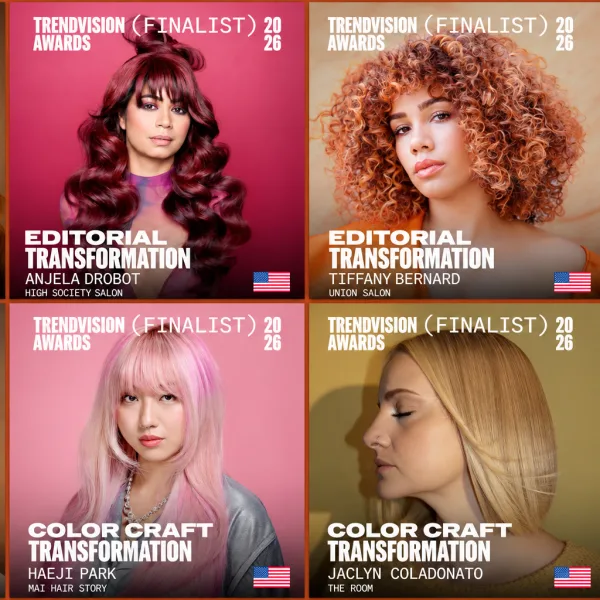
Wella Announces the Finalists of Wella Trend Vision Awards
This year’s awards centered around the Monochromatic trend, which is rooted in minimalism and intentional by design.
by Anne Moratto
 MENU
MENU SEARCH
PBA's Executive Director Steve Sleeper pens a letter to the professional beauty industry as legislators continue to attempt to deregulating the industry.
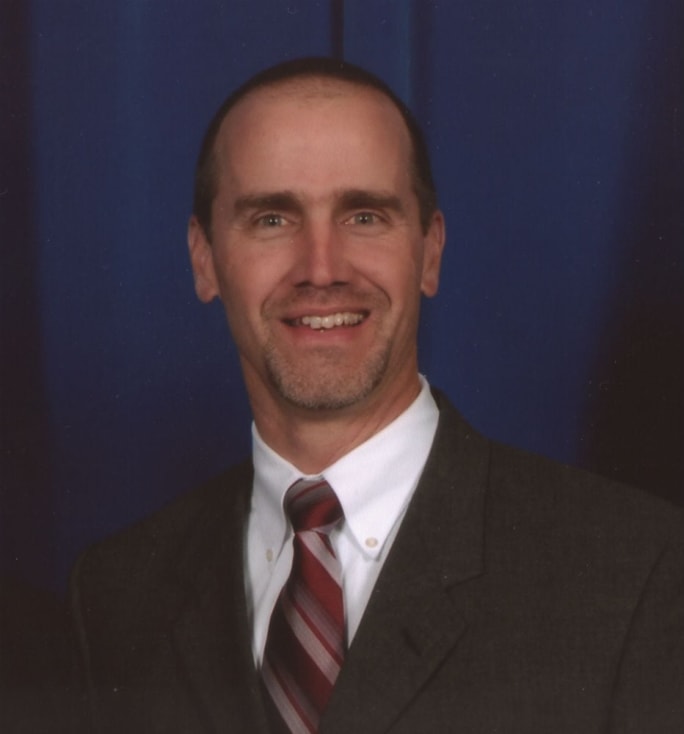
Steve Sleeper, executive director of the Professional Beauty Association.
An open letter to the industry from Steve Sleeper, executive director of the Professional Beauty Association:
Recently, former House Majority Leader, Congressman Eric Cantor’s (R-VA) views regarding occupational licensing were included in The Hill article titled “GOP leader takes on beauty salon licenses.” In this article Congressman Cantor and American Enterprise Institute (AEI) President Arthur Brooks, describe the critical barriers licensing places upon an individual’s right to work.
“It can take more than 10 times as long for someone to acquire a cosmetology license as opposed to a license to become a medical technician.” Further, at a panel discussion at a conservative American Enterprise Institute conference, Cantor said that he would reach out to governors around the country to reform the licensing system.
The article continues to include comments from Arthur Brooks as he compares the 1,500 hours that are required for a cosmetology license in DC to the 135 hours required for a real estate license. Cantor also mentions, “…the problem was that the federal government continues to subsidize the training programs that rely on steep licensing requirements for a profit.”
I share these points with you as an example of how our industry is viewed not only by state legislatures where licensing laws are maintained, but at the federal government level as well. The industry is very aware of attempts by states to deregulate cosmetology licensing over the past few years, while time and time again professionals defend their industry and their license. These views are not only being driven by groups like AEI, but by other well-funded and well organized activist groups and think tanks such as the Institute for Justice, and the Goldwater Institute just to name a few.
Over the last several years, the Professional Beauty Association (PBA) and other local groups have worked tirelessly with licensees, state legislators and regulators to address this very serious issue. However, common factors for the reasons behind deregulation efforts continue to be present; these factors include the inconsistent number of cosmetology hours required to obtain a cosmetology license in one state versus another, excessive education hours overall, inconsistent treatment of license types, and lack of license reciprocity among others.
In addition, activist groups and elected officials feel there is layer upon layer of regulations and hours within the cosmetology industry that are burdensome, unnecessary, indefensible, and simply do not make sense. For these reasons, elected officials are being encouraged by organizations such as the American Enterprise Institute to remove or reform occupational licensing. In this particular situation, PBA is communicating with the former Majority Leader’s office and AEI to provide information and be part of this discussion.
In the long run, the vast disparity among state licensing requirements will leave our industry vulnerable to legislative attacks and the risk of deregulation. To begin to address a long term solution to this threat, PBA has organized a professional beauty industry working group with representation from key associations and sectors of our industry, including schools, independent salon owners, multi-unit salon owners, state cosmetology boards and other stakeholders. We are crafting a united message of reform by creating a documented and well researched reform platform for our industry to broadly endorse. The platform will address issues like common education hours for scope of practice, license mobility, health and safety, infection control, national testing, continuing education and other standardized licensing criteria.
The need for uniformity across the U.S. can no longer wait. If we do not make common sense practical decisions to unify and reform our licensing structure, then these decisions will be made for us by those outside of our industry looking to remove occupational licensing altogether. No longer can we sit by without the research, data and documentation to support the licensing rationale in our industry.
This year’s awards centered around the Monochromatic trend, which is rooted in minimalism and intentional by design.
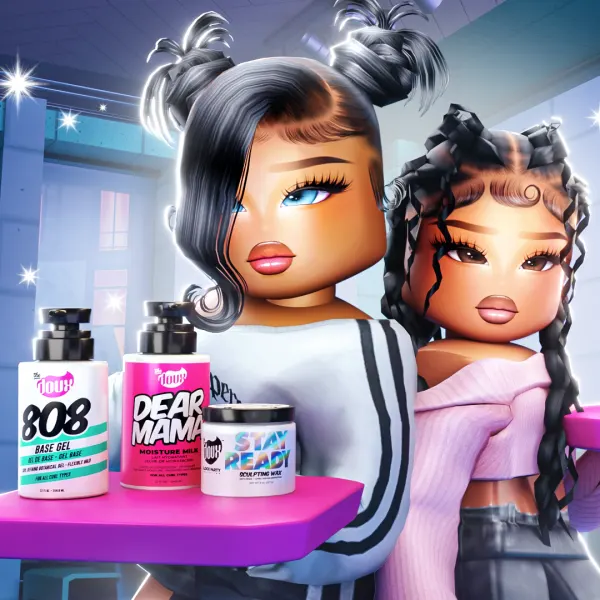
Haircare brand The Doux has launched “My Salon Empire,” a free-to-play salon management game on Roblox, helping the next generation celebrate the diversity of textured hair and explore salon entrepreneurship.
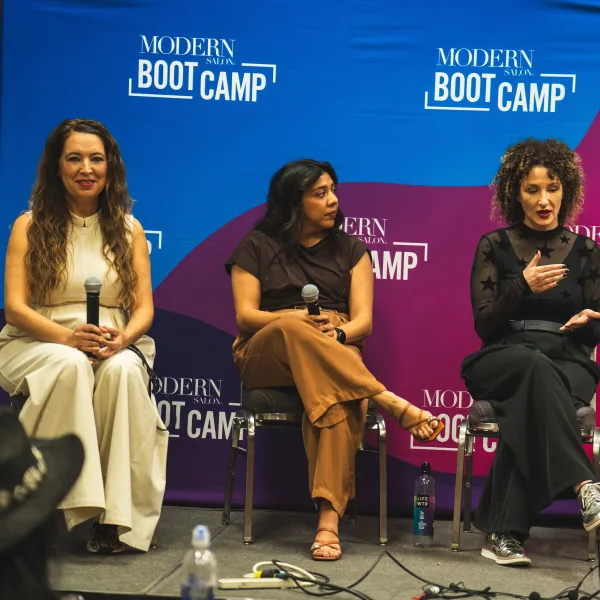
The show reported 30% attendance growth. It felt that way. This event for the southwest professional beauty community had heart, spice, and something for everyone.
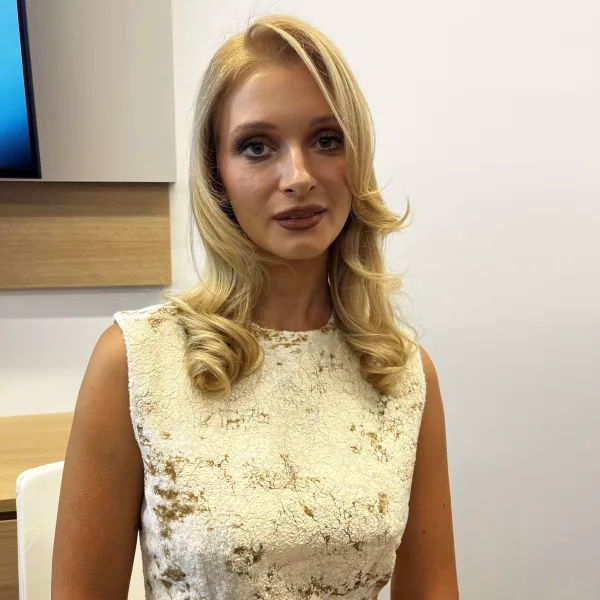
Wella artists presented the Monochromatic trend movement, introduced new Pure Perfection color and Sebastian styling innovations, while the Wella team created interactive fun throughout Wella Studio in Los Angeles.

Dominique LyVar, an influential educator and artist, is remembered by those who loved him for his significant impact on the industry and contributions to the community.
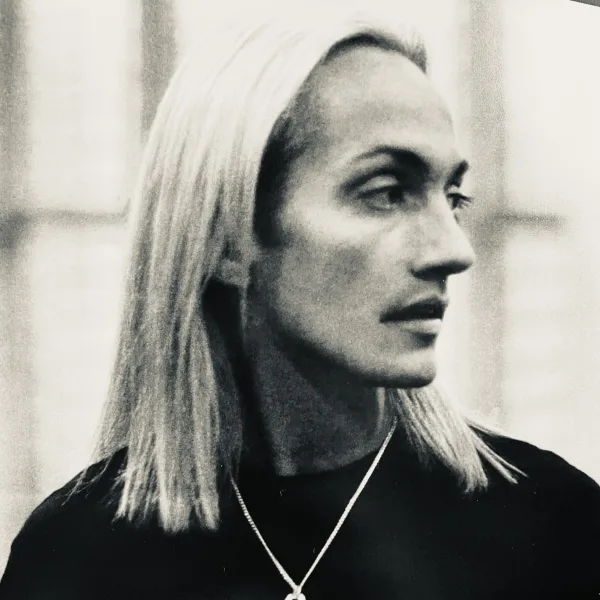
Known for his buttery blondes and a technique for highlighting hair with more precision that he called chunking, Brad Johns died on August 27. His friend and fellow colorist, David Stanko, shares thoughts on his talented colleague and close friend.
As technology evolves at an accelerated rate, you want to make sure you have the best in your business toolkit to help you grow sales, motivate your team, communicate with your current and future clientele, and streamline your managerial tasks. The 2026 SALON TODAY Technology Solutions Guide is designed to help you navigate today's growing landscape of salon and spa technology. In this guide, you'll find a curated look at more than 50 of the latest software platforms, digital solutions, and innovative features to help you compare options and identify the best fit for your business.
The Davines Edit reflects the brand’s passion for people and planet.
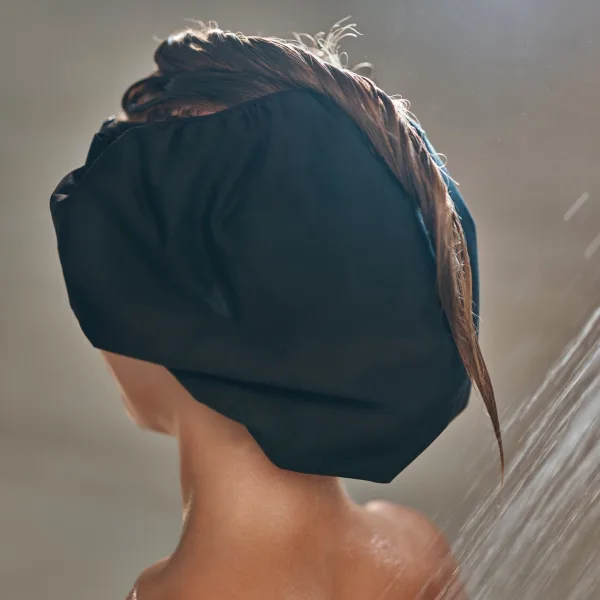
RÜTE Wash introduces a shower cap designed specifically for crown washing, helping clients with hair extensions cleanse the scalp while protecting the lengths from water.
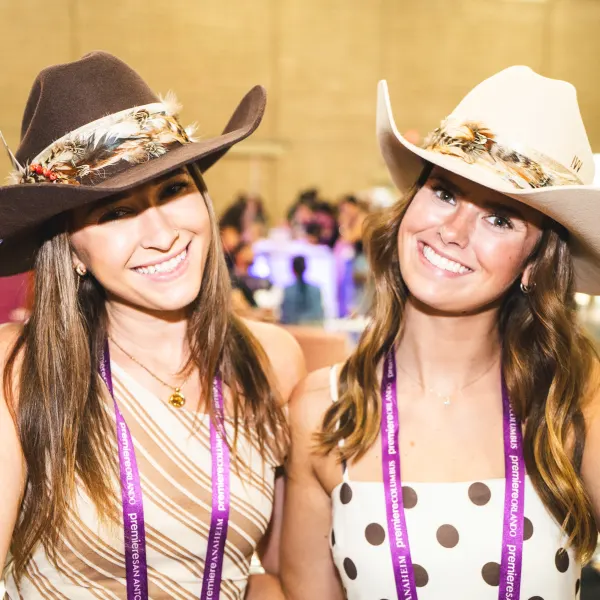
Premiere San Antonio Presented by SalonCentric returns for its fourth edition August 30-31 at the Henry B. González Convention Center, delivering its biggest and boldest event to date.
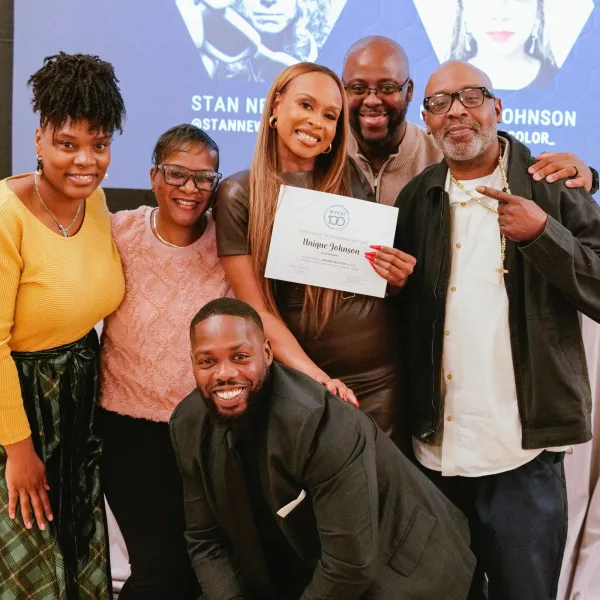
One-Day Personal and Professional Development Education Event for Beauty Professionals Set for October 25, 2026, at the Hilton Philadelphia City Avenue.
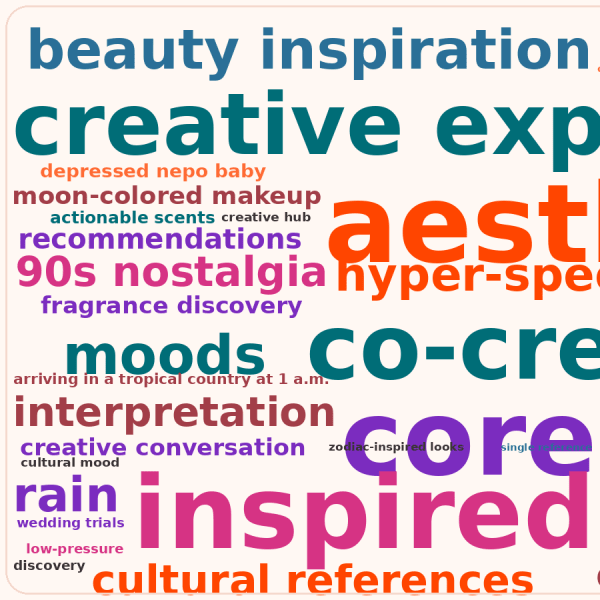
According to the report, people are moving away from copy-paste trends and toward community, using real experiences to develop a sense of taste and beauty that reflects who they are.
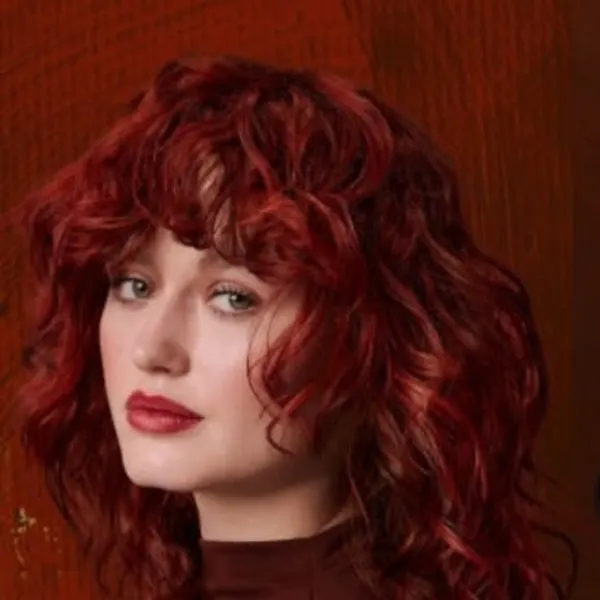
Hairstylists and barbers can showcase their creative and technical vision in two global categories with cash prizes and a chance to represent in Portugal.
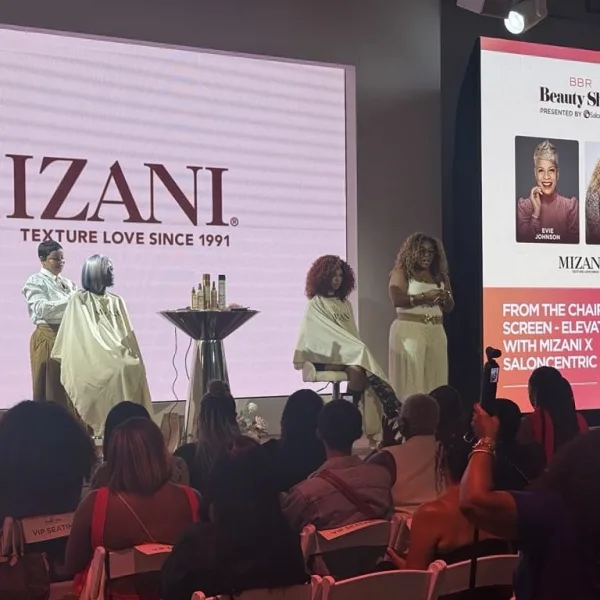
The BBR Beauty Show featured a prominent speaker lineup including Lacy Redway, Karrueche Tran, Danessa Myricks, Chelley B., Sabrina Elba, Jessica Harris-Dupart, and more.
The Professional Beauty Association and Pivot Point team up to develop an ongoing study that measures the confidence of salon owners, stylists, school owners, and students.
This shared recognition celebrates the strength of industry collaboration in advancing professional mobility.
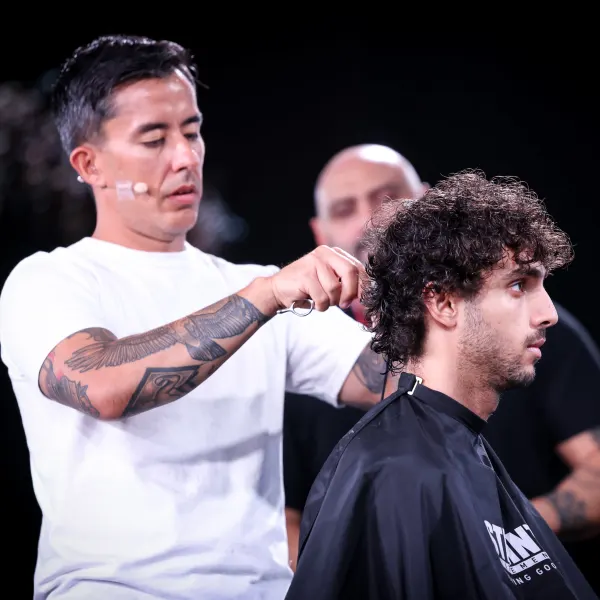
In Dubai, a salon visit isn’t an appointment. It’s a weekly routine, and clients can spend $800 to $1,400 a month on it, according to Gaurav Tripathi of MADI International. On October 6-8, 2026, the market behind those numbers opens its doors as Beautyworld Dubai marks its 30th edition at the Dubai World Trade Centre, bringing together distributors, brands, stylists and salon owners from all over the world.
Sponsored by BeautyWorld Dubai