






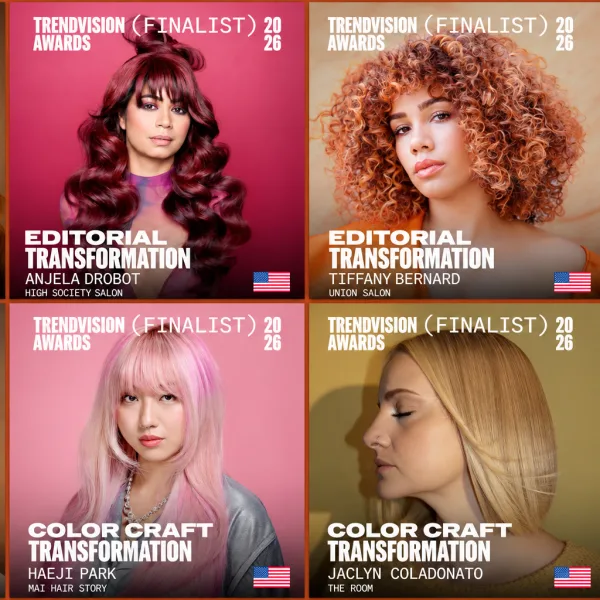
Wella Announces the Finalists of Wella Trend Vision Awards
This year’s awards centered around the Monochromatic trend, which is rooted in minimalism and intentional by design.
by Anne Moratto
 MENU
MENU SEARCH
If you know the basic numbers of your business and understand why these particular numbers are important then you can put plans in place to improve these numbers.

Ivan Zoot
The saying goes, “that which is measured is improved”. This expression tries to make the point that just by knowing the basic numbers of your business these numbers will improve. There is some truth to it. Beyond just knowing the numbers is understanding what the numbers tell you. If you know the basic numbers of your business and understand why these particular numbers are important then you can put plans in place to improve these numbers.
This week we will look at the top five numbers you MUST know about your barber business. You should know these numbers every day, cold, off the top of your head. You should write them on the back of a business card every week and carry that card with you every day. You should look at the card from time to time throughout the day. This will be a powerful reminder. Once you develop the habit of knowing these numbers you can get busy growing what you are knowing.
For the purposes of this list I am framing these numbers as individual barber numbers at a single chair. If you are an owner you should look at these numbers for each individual cutter’s and for your entire shop.
Haircuts per day/week – Some days are longer than others. Some haircuts take more time. Some weeks have holidays. While haircuts-per-day or week is not an ideal number, it is a great place to start. It is better than nothing. Count up your daily cuts. Write the number down. It is easy to see if today’s number is bigger than yesterdays or this week’s number is bigger than last week’s. A broader sampling will iron out irregularities like day of the week. Add up the days to get haircuts per week as a clearer picture.
Occupancy – A more telling and valuable statistic is occupancy rate, the % of available haircuts actually delivered. If you can deliver 2 haircuts per hour, 8 hours per day, 5 days per week, your weekly maximum chair occupancy is 80 haircuts. If you did 63 haircuts last week your occupancy is 78%. 63 divided by 80 = .78 . This weekly snapshot of your performance flattens out day to day variations and paints a clear picture of your overall business. Looking at this figure week to week will really let you compare weeks and volume.

Repeat request rate – How good are you, really? People like you, sure, but do they really like their haircuts? You are not a fair judge. Actions speak louder than words. How many people who let you cut their hair let you cut it again? This is your repeat request rate. This figure is also viewed as a percentage. Track every haircut as a new client, a repeat request client or a walk-in. Divide repeat request clients by total haircuts to get your repeat request rate. If you did 63 haircuts last week and 48 of them were repeaters your repeat request rate is 76%. Based on a client cycle of 1 month between haircuts after your 4th week on the job this number SHOULD be climbing FAST. As a benchmark, 80% or better is considered ideal occupancy. 100% is considered too much as you then have no room for new client traffic.
New request rate – Some walk-ins are shop clients who have no preference of haircutter. Some new clients came in asking for you and seeking you out to cut their hair. These are new requests. This number, also a percentage, is a measure of the effectiveness of your marketing. You might be marketing in 100 ways from online to business cards. You might be simply asking clients to send their friends. It is all marketing. You need to find what works and do that thing a LOT. Stop doing what is not working. You need to know your new request rate. Divide new request clients by total haircuts. If you did 4 new clients last week out of 63 total haircuts your repeat request rate is 6%.
Retail per haircut – You only have two hands. You can only do one haircut at a time. Your income is limited by your ability to produce haircuts. Your ability is limited by your skills and your need to balance your price against your service experience. You can cut more heads faster (more on that in other posts). You can charge more (more on that in other posts). You need to generate more money per hour. The best way to do this in the professional haircutting business is by suggesting and retailing take-home hair care products. Retailing is a learned skill. Any haircutter can learn to do it at very high levels of effectiveness and productivity (more on that in other posts). What you do need to do now is measure your retailing to know where it is so as to grow it. Retail dollars per day or week is not a good number due to variations in haircut traffic. Retail sales per haircut are a true measure of your retail effectiveness. Take total retail sales for the day or week and divide that by the number of haircuts for the same period. If you sold $102.00 of product to your 63 haircuts during the week your retail dollars per haircut = $1.62. Small increases in retailing will make this number jump quickly.
Knowing these basic numbers cold, without having to look them up, moves you well down the road to seeing these numbers increase. Now you know what numbers to know. Now that you know your numbers hatch a plan to grow what you know (more on that in other posts).
Happy clippering!
Ivan
This year’s awards centered around the Monochromatic trend, which is rooted in minimalism and intentional by design.

Haircare brand The Doux has launched “My Salon Empire,” a free-to-play salon management game on Roblox, helping the next generation celebrate the diversity of textured hair and explore salon entrepreneurship.
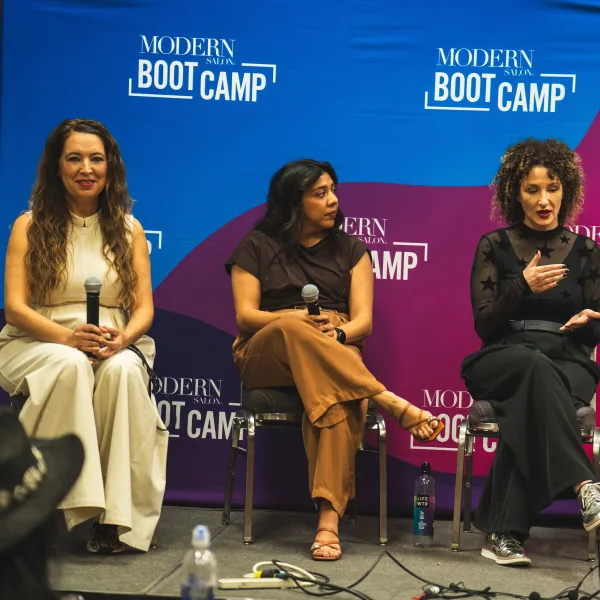
The show reported 30% attendance growth. It felt that way. This event for the southwest professional beauty community had heart, spice, and something for everyone.
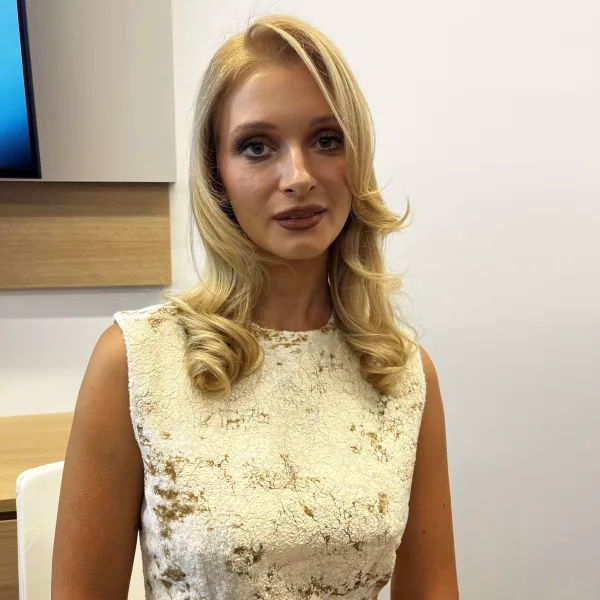
Wella artists presented the Monochromatic trend movement, introduced new Pure Perfection color and Sebastian styling innovations, while the Wella team created interactive fun throughout Wella Studio in Los Angeles.

Dominique LyVar, an influential educator and artist, is remembered by those who loved him for his significant impact on the industry and contributions to the community.
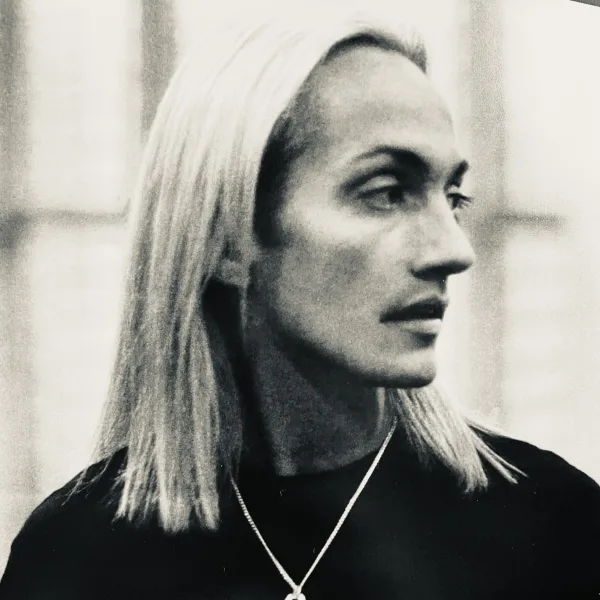
Known for his buttery blondes and a technique for highlighting hair with more precision that he called chunking, Brad Johns died on August 27. His friend and fellow colorist, David Stanko, shares thoughts on his talented colleague and close friend.

As technology evolves at an accelerated rate, you want to make sure you have the best in your business toolkit to help you grow sales, motivate your team, communicate with your current and future clientele, and streamline your managerial tasks. The 2026 SALON TODAY Technology Solutions Guide is designed to help you navigate today's growing landscape of salon and spa technology. In this guide, you'll find a curated look at more than 50 of the latest software platforms, digital solutions, and innovative features to help you compare options and identify the best fit for your business.
The Davines Edit reflects the brand’s passion for people and planet.

RÜTE Wash introduces a shower cap designed specifically for crown washing, helping clients with hair extensions cleanse the scalp while protecting the lengths from water.
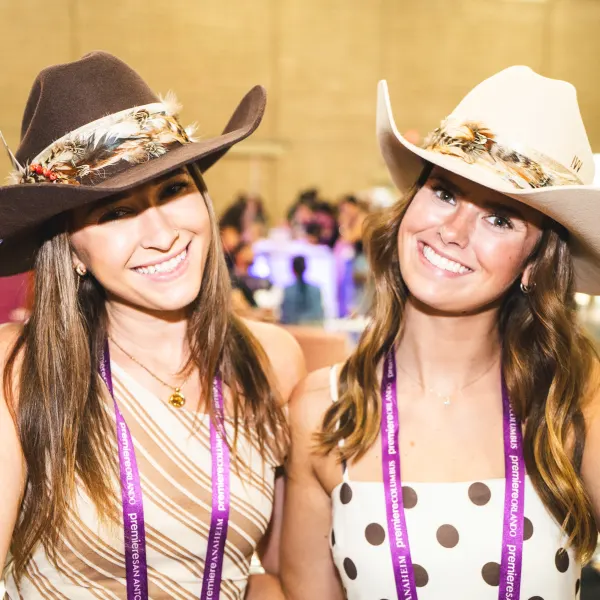
Premiere San Antonio Presented by SalonCentric returns for its fourth edition August 30-31 at the Henry B. González Convention Center, delivering its biggest and boldest event to date.

One-Day Personal and Professional Development Education Event for Beauty Professionals Set for October 25, 2026, at the Hilton Philadelphia City Avenue.
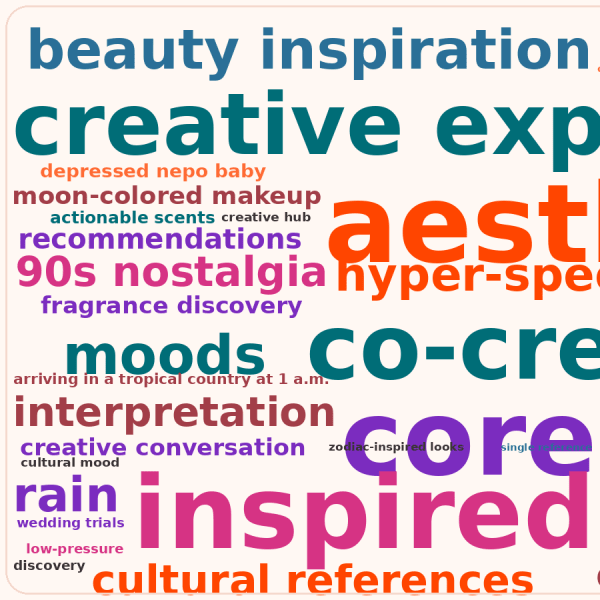
According to the report, people are moving away from copy-paste trends and toward community, using real experiences to develop a sense of taste and beauty that reflects who they are.

Hairstylists and barbers can showcase their creative and technical vision in two global categories with cash prizes and a chance to represent in Portugal.

The BBR Beauty Show featured a prominent speaker lineup including Lacy Redway, Karrueche Tran, Danessa Myricks, Chelley B., Sabrina Elba, Jessica Harris-Dupart, and more.

The Professional Beauty Association and Pivot Point team up to develop an ongoing study that measures the confidence of salon owners, stylists, school owners, and students.
This shared recognition celebrates the strength of industry collaboration in advancing professional mobility.
In Dubai, a salon visit isn’t an appointment. It’s a weekly routine, and clients can spend $800 to $1,400 a month on it, according to Gaurav Tripathi of MADI International. On October 6-8, 2026, the market behind those numbers opens its doors as Beautyworld Dubai marks its 30th edition at the Dubai World Trade Centre, bringing together distributors, brands, stylists and salon owners from all over the world.
Sponsored by BeautyWorld Dubai