





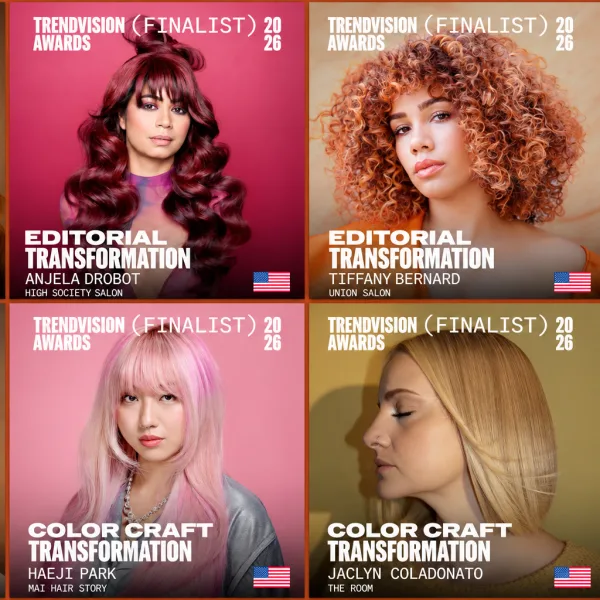
Wella Announces the Finalists of Wella Trend Vision Awards
This year’s awards centered around the Monochromatic trend, which is rooted in minimalism and intentional by design.
by Anne Moratto
 MENU
MENU SEARCH
On Friday, August 28, California Gov. Gavin Newsom introduced a new four-tier, color-coded system that will replace California’s monitoring list. Under the new system, all of the state's hair salons and barbershops are permitted to reopen indoors with modifications.

The “Blueprint for a Safer Economy,” a statewide, stringent and slow plan for living with COVID-19 for the long haul, imposes risk-based criteria on tightening and loosening COVID-19 allowable activities and expands the length of time between changes to assess how any movement affects the trajectory of the disease.
Californians can go to covid19.ca.gov to find out where their county falls and what activities are allowable in each county.
“This Blueprint is statewide, stringent and slow,” said Governor Newsom. “We have made notable progress over recent weeks, but the disease is still too widespread across the state. COVID-19 will be with us for a long time and we all need to adapt. We need to live differently. And we need to minimize exposure for our health, for our families and for our communities.”
The Blueprint builds on lessons learned from the first six months of the disease – and the new scientific understanding that has been collected – to create a new system for regulating movement and COVID-19 transmissions. It includes:
At least 21 days to expand activities beyond the initial tier to ensure California better limits the spread of the virus;
Mandatory metrics – case rates and test positivity – to measure how widespread COVID-19 is in each county and guide what is allowed;
A uniform state framework, with four categories instead of 58 different sets of rules;
A more nuanced way of allowing activity: Instead of open vs. closed, sectors can be partially opened and progressively add to their operations as disease transmission decreases; and
A new process for tightening back up again quickly when conditions worsen.
Based on recent data, each county will fall into one of four colored tiers – Purple (Widespread), Red (Substantial), Orange (Moderate) and Yellow (Minimal) – based on how prevalent COVID-19 is in each county and the extent of community spread. That color will indicate how sectors can operate.
For example, in the Purple (Widespread) tier where the disease is widespread, restaurants can only operate outdoors. But once a county has achieved a lower level of disease transmission and moved into the Red (Substantial) tier, restaurants can operate with 25 percent capacity indoors or 100 patrons, whichever is fewer.
It relies on two leading health metrics: number of cases per 100,000 residents and percentage of COVID-19 tests that come back positive. In addition, counties will also be required to show they are targeting resources and making the greatest efforts to prevent and fight COVID in communities and with individuals with the highest risk, and demonstrate improvements in outcomes.
Counties must remain in every tier but purple for a minimum of 21 days before being eligible to move into the next tier. Each Tuesday, California will update each county’s data for the previous week and make corresponding changes to tiers. In order to move into a less restrictive tier, a county must meet that tier’s criteria for two straight weeks.
Conversely, counties that fail to meet the metrics for their current tier for two consecutive weeks must move to the next most restrictive tier. The plan also includes an “emergency brake” where the state can intervene more immediately for concerning factors like hospitalizations.
Purple (Widespread) is substituted for the previous County Data Monitoring List (which has equivalent criteria to Purple). Schools in the (Purple) Widespread tier aren’t permitted to reopen for in-person instruction, unless they receive a waiver from their local health department for TK-6 grades. Schools can reopen for in-person instruction once their county has been in the Red (Substantial) tier for at least two weeks.

The plan also emphasizes that no matter what restrictions the state puts in place, COVID-19 will get the upper hand if Californians don’t adapt their behaviors for the duration of the pandemic.
That means, until an effective vaccine is distributed, Californians must wear a mask every time they’re with people outside their household. Residents must take activities outside and maintain distance even with loved ones who do not live with them. Californians must realize that the safest place to be is still at home. And the elderly and those with medical conditions should still stay away from others as much as possible.
The Governor today also announced newPSAs highlighting the dangers of social gatherings during the pandemic and partnerships with Yelp, Facebook, Google and OpenTable, which will now encourage businesses to share COVID-19 safety precautions through new features so that customers can make informed decisions to protect their health and safety
This year’s awards centered around the Monochromatic trend, which is rooted in minimalism and intentional by design.

Haircare brand The Doux has launched “My Salon Empire,” a free-to-play salon management game on Roblox, helping the next generation celebrate the diversity of textured hair and explore salon entrepreneurship.
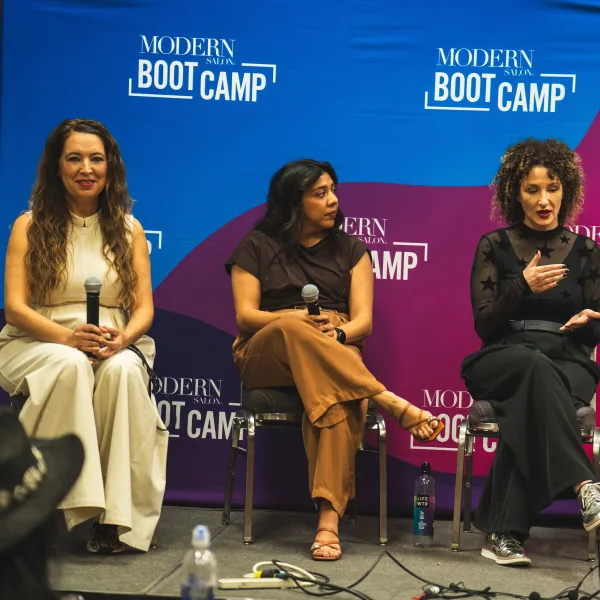
The show reported 30% attendance growth. It felt that way. This event for the southwest professional beauty community had heart, spice, and something for everyone.
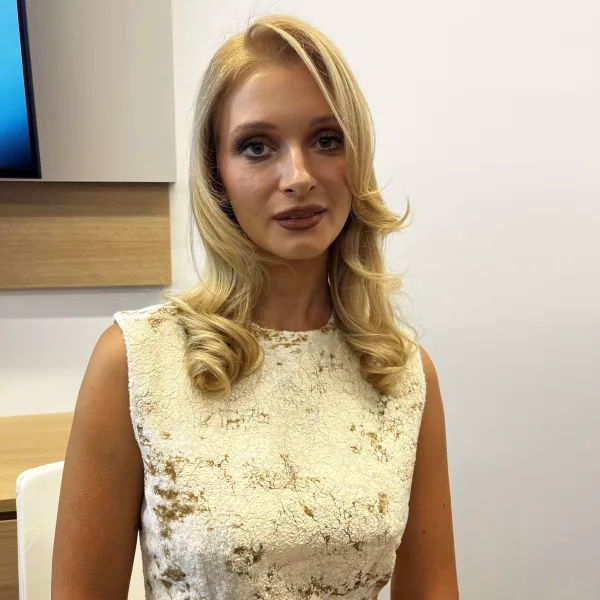
Wella artists presented the Monochromatic trend movement, introduced new Pure Perfection color and Sebastian styling innovations, while the Wella team created interactive fun throughout Wella Studio in Los Angeles.

Dominique LyVar, an influential educator and artist, is remembered by those who loved him for his significant impact on the industry and contributions to the community.
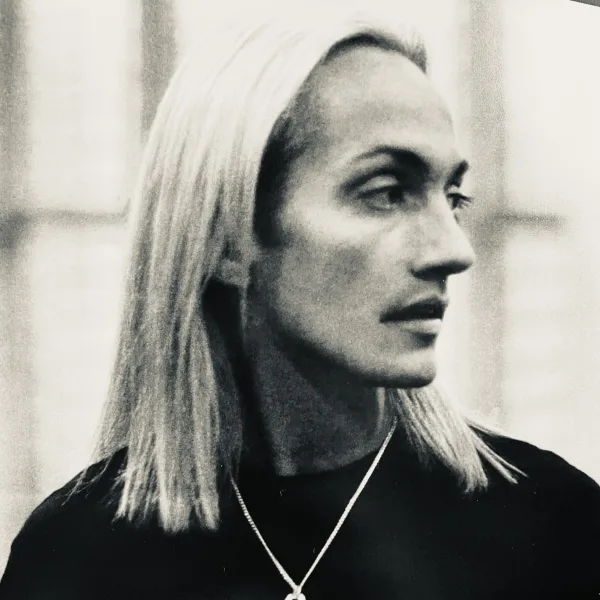
Known for his buttery blondes and a technique for highlighting hair with more precision that he called chunking, Brad Johns died on August 27. His friend and fellow colorist, David Stanko, shares thoughts on his talented colleague and close friend.

As technology evolves at an accelerated rate, you want to make sure you have the best in your business toolkit to help you grow sales, motivate your team, communicate with your current and future clientele, and streamline your managerial tasks. The 2026 SALON TODAY Technology Solutions Guide is designed to help you navigate today's growing landscape of salon and spa technology. In this guide, you'll find a curated look at more than 50 of the latest software platforms, digital solutions, and innovative features to help you compare options and identify the best fit for your business.

The Davines Edit reflects the brand’s passion for people and planet.

RÜTE Wash introduces a shower cap designed specifically for crown washing, helping clients with hair extensions cleanse the scalp while protecting the lengths from water.
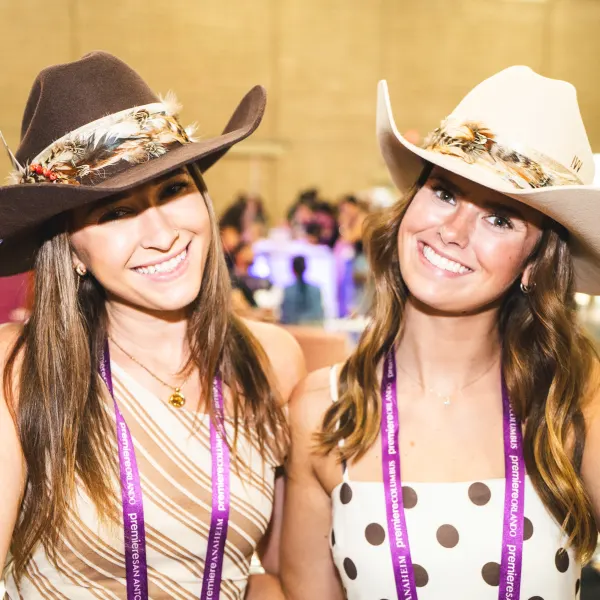
Premiere San Antonio Presented by SalonCentric returns for its fourth edition August 30-31 at the Henry B. González Convention Center, delivering its biggest and boldest event to date.

One-Day Personal and Professional Development Education Event for Beauty Professionals Set for October 25, 2026, at the Hilton Philadelphia City Avenue.
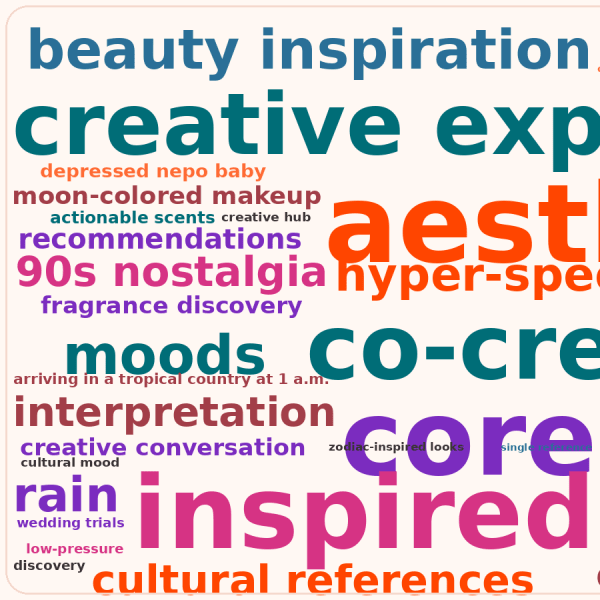
According to the report, people are moving away from copy-paste trends and toward community, using real experiences to develop a sense of taste and beauty that reflects who they are.

Hairstylists and barbers can showcase their creative and technical vision in two global categories with cash prizes and a chance to represent in Portugal.

The BBR Beauty Show featured a prominent speaker lineup including Lacy Redway, Karrueche Tran, Danessa Myricks, Chelley B., Sabrina Elba, Jessica Harris-Dupart, and more.
The Professional Beauty Association and Pivot Point team up to develop an ongoing study that measures the confidence of salon owners, stylists, school owners, and students.
This shared recognition celebrates the strength of industry collaboration in advancing professional mobility.
In Dubai, a salon visit isn’t an appointment. It’s a weekly routine, and clients can spend $800 to $1,400 a month on it, according to Gaurav Tripathi of MADI International. On October 6-8, 2026, the market behind those numbers opens its doors as Beautyworld Dubai marks its 30th edition at the Dubai World Trade Centre, bringing together distributors, brands, stylists and salon owners from all over the world.
Sponsored by BeautyWorld Dubai