






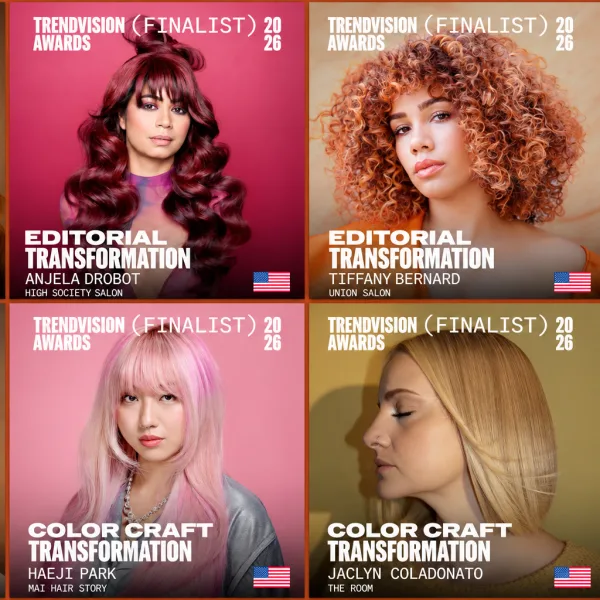
Wella Announces the Finalists of Wella Trend Vision Awards
This year’s awards centered around the Monochromatic trend, which is rooted in minimalism and intentional by design.
by Anne Moratto
 MENU
MENU SEARCH
*Originally published on TheHill,com, this opinion piece by ColorProof CEO and Founder Jim Markham has been reprinted below. Markham comments on increased FDA regulations as it relates to the cosmetic industry.
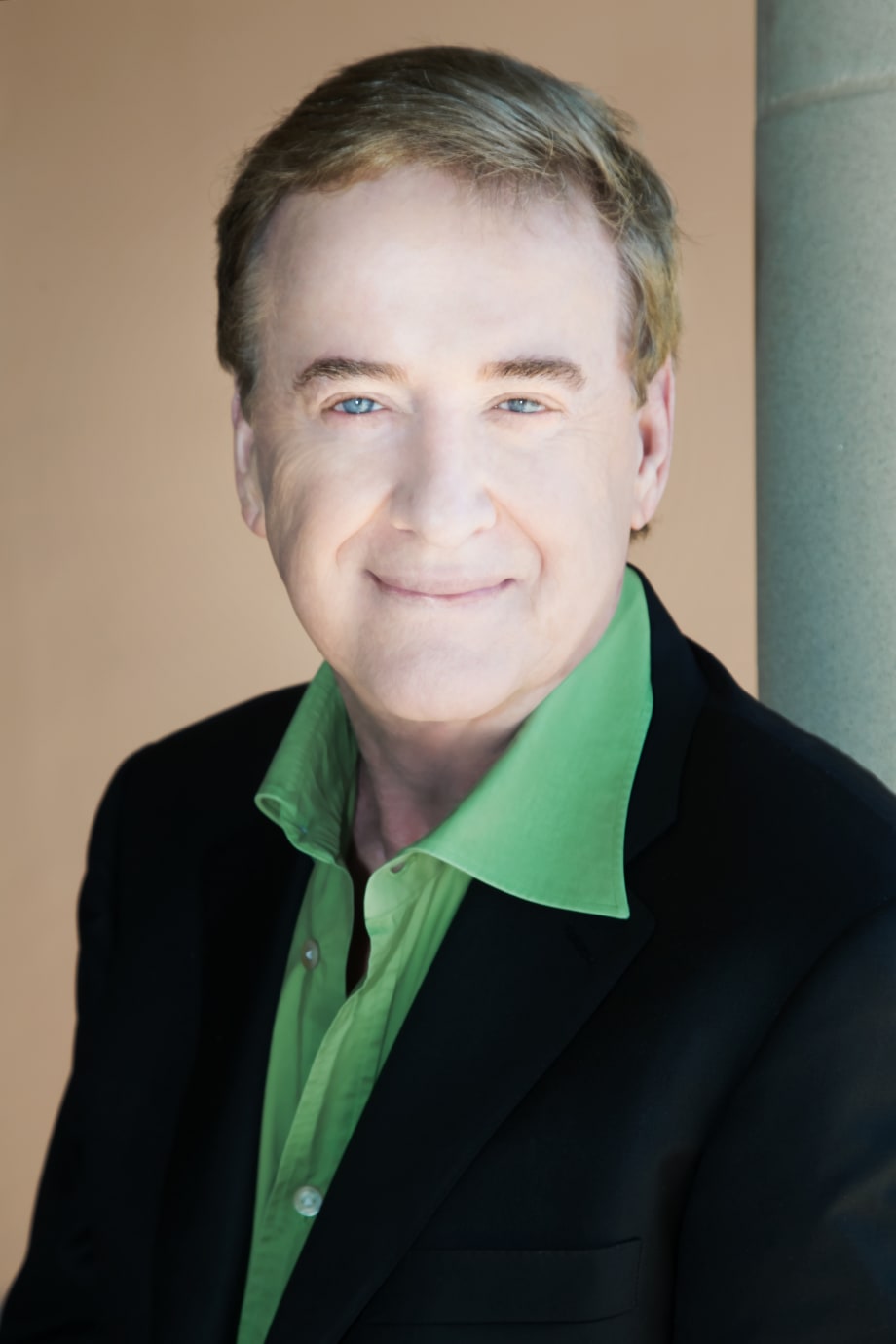
*Originally published on TheHill.com, this opinion piece by ColorProof CEO and Founder Jim Markham has been reprinted below. Markham comments on increased FDA regulations as it relates to the cosmetic industry.
Increased Food and Drug Administration regulations could have a negative effect on the entrepreneur or smaller businesses, especially within the beauty industry.
Small companies thrive on the importance of new product innovation and carve out new categories because of new technologies and ingredients as a point of differentiation. Many large companies are restricted by price and will repurpose formulas and fragrances continuously to save costs.
Given their budgets and current price points to consumers, they are limited in their development process and they're also limited from using the best new ingredients.
If by chance, they are able to use them, it is most likely not at therapeutic levels. Often the newest and most innovative ingredients come at a premium, which larger companies will forgo to save money, and instead substitute with stock ingredients — a decision that sacrifices performance in the end. Small companies need innovation in order to compete and give consumers the choice to not settle for mediocrity.
An increase in FDA regulations could prevent small, niche companies from discovering innovative ways to formulate and deliver new products that are not only safe for customers but also deliver better performance with incredible results never before possible. We don’t want an increase in regulations to force smaller companies out, which are the same companies that are driving the innovation. Ultimately an increase in FDA regulations would cause increased costs to consumers and force less-than-par product performance upon them.
I founded PureOlogy Serious Colour Care, the first luxury color care company that pioneered the use of sulfate-free, salt-free formulas. PureOlogy quickly became the market leader in professional color care and was marked by numerous awards, and eventually led to the sale to L’Oreal.
PureOlogy’s remarkable success was a direct result of ingredient discovery and incredible advances in product innovation that have since become the industry standard. Had product development been more deeply regulated at that time, we may not have the many advantages of sulfate-free hair care today that has taken the industry by storm.
Many manufacturers conceive a product first in terms of its price point, which limits the quality of ingredients that can be used. With ColorProof we start with the determining the performance we want to achieve using innovative ingredients with superior quality, and we work backward from there, determining the price point last. Formulating in this nature is the only way to ensure true innovation and spectacular results.
While we don’t need any additional FDA regulation, we are extremely cautious to ensure all our formulations do not use ingredients from their “do not use” list, which includes sulfates, gluten, salts, parabens, PABA and phthalates. Even if the FDA doesn’t have a potentially “harmful” ingredient on their list, we still go above and beyond to avoid that risky ingredient which may, or may not be safe. If the FDA discovers an ingredient we are using is, in fact, harmful, we will remove it from our formulas immediately.
One must keep in mind that regulations too heavy, or too strict, can stifle creativity and innovation, particularly in the beauty industry. We feel that the current regulations are more than adequate and are doing their job to keep consumers safe.
If the FDA adds more regulations, I fear it will remove the whole creative part of the formulation process. Product development will become about cost of goods, instead of superior performance and innovation.
--Jim Markham
This year’s awards centered around the Monochromatic trend, which is rooted in minimalism and intentional by design.
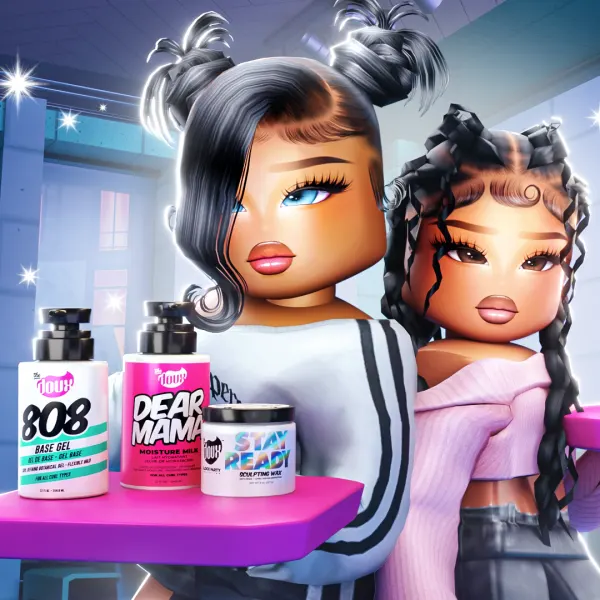
Haircare brand The Doux has launched “My Salon Empire,” a free-to-play salon management game on Roblox, helping the next generation celebrate the diversity of textured hair and explore salon entrepreneurship.
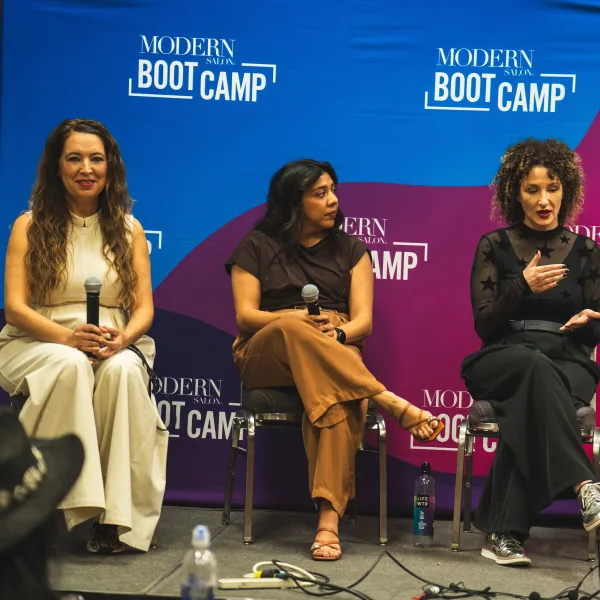
The show reported 30% attendance growth. It felt that way. This event for the southwest professional beauty community had heart, spice, and something for everyone.

Wella artists presented the Monochromatic trend movement, introduced new Pure Perfection color and Sebastian styling innovations, while the Wella team created interactive fun throughout Wella Studio in Los Angeles.

Dominique LyVar, an influential educator and artist, is remembered by those who loved him for his significant impact on the industry and contributions to the community.
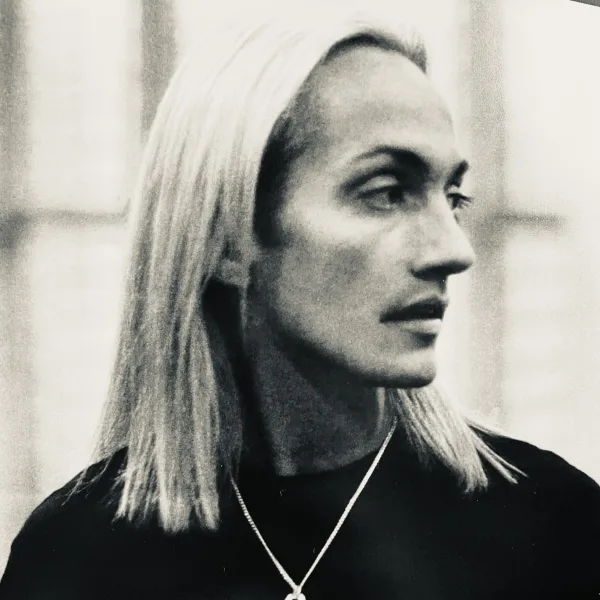
Known for his buttery blondes and a technique for highlighting hair with more precision that he called chunking, Brad Johns died on August 27. His friend and fellow colorist, David Stanko, shares thoughts on his talented colleague and close friend.

As technology evolves at an accelerated rate, you want to make sure you have the best in your business toolkit to help you grow sales, motivate your team, communicate with your current and future clientele, and streamline your managerial tasks. The 2026 SALON TODAY Technology Solutions Guide is designed to help you navigate today's growing landscape of salon and spa technology. In this guide, you'll find a curated look at more than 50 of the latest software platforms, digital solutions, and innovative features to help you compare options and identify the best fit for your business.

The Davines Edit reflects the brand’s passion for people and planet.

RÜTE Wash introduces a shower cap designed specifically for crown washing, helping clients with hair extensions cleanse the scalp while protecting the lengths from water.

Premiere San Antonio Presented by SalonCentric returns for its fourth edition August 30-31 at the Henry B. González Convention Center, delivering its biggest and boldest event to date.

One-Day Personal and Professional Development Education Event for Beauty Professionals Set for October 25, 2026, at the Hilton Philadelphia City Avenue.
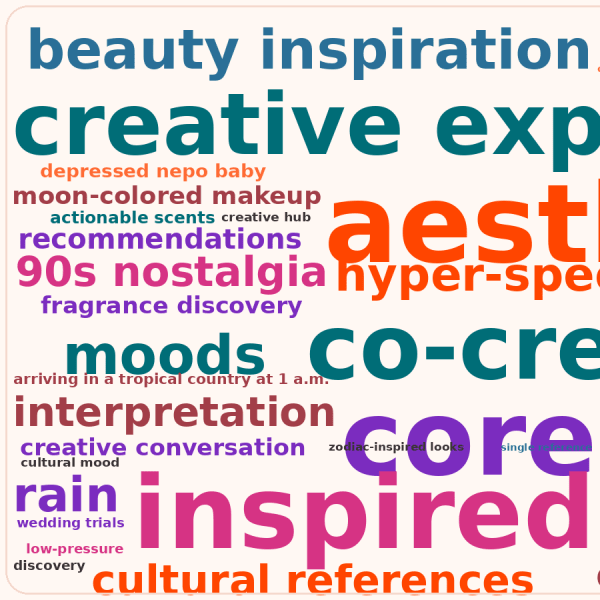
According to the report, people are moving away from copy-paste trends and toward community, using real experiences to develop a sense of taste and beauty that reflects who they are.

Hairstylists and barbers can showcase their creative and technical vision in two global categories with cash prizes and a chance to represent in Portugal.
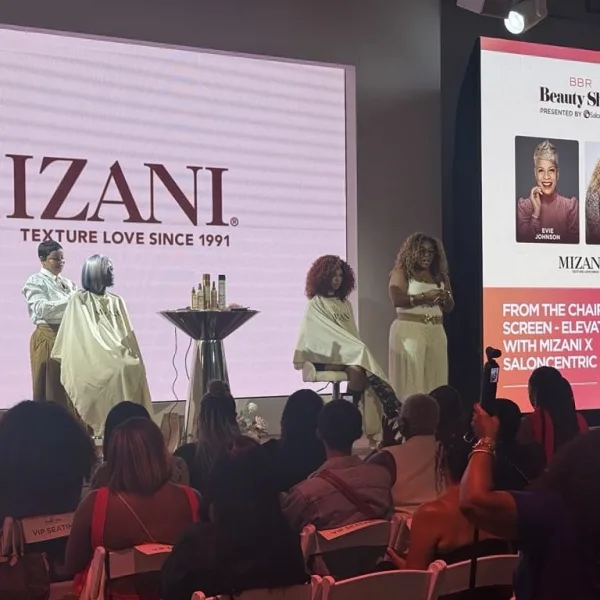
The BBR Beauty Show featured a prominent speaker lineup including Lacy Redway, Karrueche Tran, Danessa Myricks, Chelley B., Sabrina Elba, Jessica Harris-Dupart, and more.
The Professional Beauty Association and Pivot Point team up to develop an ongoing study that measures the confidence of salon owners, stylists, school owners, and students.
This shared recognition celebrates the strength of industry collaboration in advancing professional mobility.
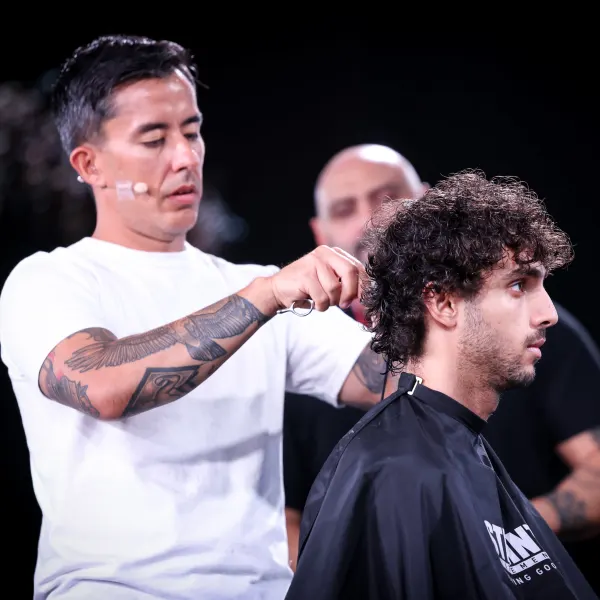
In Dubai, a salon visit isn’t an appointment. It’s a weekly routine, and clients can spend $800 to $1,400 a month on it, according to Gaurav Tripathi of MADI International. On October 6-8, 2026, the market behind those numbers opens its doors as Beautyworld Dubai marks its 30th edition at the Dubai World Trade Centre, bringing together distributors, brands, stylists and salon owners from all over the world.
Sponsored by BeautyWorld Dubai