



The Work Behind the Win: Road to NAHA Series Brings Artist Inside the Creative Process
A live education series explores the ideas, collaboration, creative decisions and processes behind the winning work.
by Anne Moratto
 MENU
MENU SEARCH
The United States was built upon a melting pot of cultures, so why would the country's spa menus be any different? Like food, fashions, languages and the arts, the multinational spa therapies that have washed upon our shores are all welcome. They dwell side by side, always changed a bit in the glow of
The United States was built upon a melting pot of cultures, so why would the country's spa menus be any different? Like food, fashions, languages and the arts, the multinational spa therapies that have washed upon our shores are all welcome. They dwell side by side, always changed a bit in the glow of the red, white and blue—a spa smorgasbord of choice steeped in the richness of many traditions.
"In the U.S. we've come up with some of our own techniques and given therapies our own spin, but in most cases we've adapted them from somewhere else," explains Lynne Vertrees, spa treatment developer for Lake House Spa at Lake Austin Spa Resort in Lake Austin, Texas. According to Vertrees, more often than not the global-sounding treatment originated exactly where you would assume from the name or the description. At her spa, she notes, "Our salts really do come from the Dead Sea, our Moor mud really does come from the Austrian Moors and our seaweed is shipped in from France. That's why it's sometimes on back order!"
There's no phony baloney in these treatments, agrees Linda-Anne Kahn, owner of Beauty Kliniek Aromatherapy Day Spa & Wellness Center in San Diego, California. "It's important that they're authentic," she says. "I trained with French therapists to learn thalassotherapy. I'm a specialist in manual lymph drainage, which originated in Austria and Germany, so I'm
certified by schools in both countries. I learned Shirobhyanga, a head massage from India that's done in a seated position, from a woman who was educated by an Indian therapist."
historical perspective
Europe is widely regarded as the birthplace of the modern spa, with historians identifying the Belgian city of Spa, not far from Brussels, as the epicenter. From early in the 20th century, bathers have flocked to Spa, situated in a valley with natural hot springs, to experience nature's own therapeutic hydromassage. Eventually the generic word "spa" came to refer to any place of water-inspired healing and, to this day, European spas remain focused on providing health-related benefits to relieve pain from arthritis and other conditions through the use of water and mud. Treatments like Lake House Spa's Moor Mud Back Relief and deep-cleansing Radiant Results Facial are European derivatives.
The Far East and Near East have a completely different take on spa. "For Asians, it's a belief system," says Vertrees. Treatments such as acupuncture, Reiki, shiatsu and ayurveda tend to
surround a medical core with herbal remedies, bodywork, psychology and spirituality. "Asia has its own body treatments, too, but they're mostly in the therapeutic massage category," Vertrees continues. "Even Thai massage is medical; it destresses you."
Kahn agrees, explaining that Indian body treatments focus on massage to bring out waste, followed by the application of flours to remove the toxins. Where European massage tends
to focus on the kneading, Asian methods rely on rhythmic patterns with long, flowing movements. Beauty Kliniek's Asian offerings include Abhyanga Four-Handed Massage; Dosha Balancing, a variety of ayurvedic treatments; and, from Tibet, Energy Balance With Healing Sounds.
In the U.S., we see no need to play favorites. Examine American spa menus, and you'll find services from every corner of the earth. Swedish massage, Turkish baths, Egyptian detoxes, Brazilian body scrubs, Japanese facials, Balinese masks, Australian rejuvenating treatments—the world is truly the American spa industry's oyster.
mark of distinction
Many spa owners feel that a creative menu sets them apart from the competition. "I like to do signature treatments that clients cannot get elsewhere," says Kahn. "For inspiration I began looking to other parts of the world, largely because of the exotic feel to the therapies." Kahn's intuition paid off; advertising treatments "from around the world" has brought her new clients.
"People are looking for something unique," adds Vertrees. "Presenting a service as 'exotic' does intrigue them. I think it's important to have the right wording; the marketing makes it more of an escape."
It had been nine years since Kim Dudek had taken a fresh look at her menu at Belladonna Day Spa and Retail Therapy in New Orleans. What she saw was boring and ordinary. Her top selling packages had the same generic-sounding names that other spas offered—"Total Transformation," "The Great Escape"—while some of her more interesting therapies sat on the menu virtually unnoticed. "No matter how we described the hydrotub treatment, no one really bought it," she recalls.
At the same time, Dudek happened to be rebranding. Isolating the first two letters of Belladonna—"Be"—offered a wealth of marketing possibilities that led Dudek to explore the idea of a global-oriented menu. So, about three years ago, Dudek decided to just start over.
She says, "I wanted a menu to reflect who we are, with treatments that would get people excited and say, 'Wow, I want that!' Our staff is very multicultural, plus I've traveled a lot and worked in spas in Mexico. I decided to recreate experiences from other places for my clients right here." Belladonna's "Be in Bali" and "Be in India" packages are two results of that approach.
shifting demand
The timing of Belladonna's menu makeover coincided with a change in what clients were expecting from their spa. Whereas the ultimate spa experience used to be a full day of pampering, Dudek observes that women no longer want to be in the spa that long.
"Husbands would purchase the eight-hour Total Transformation for their wives," says Dudek. "By the end of the eight hours, people are wet noodles; they can't even walk. Then the husband would show up with a new dress and diamond earrings and want to take his wife out to dinner, but she couldn't even put a sentence together!"
In California, Kahn sees another shift as well. "When I opened my salon in 1982, clients wanted to come in and have the best facial, the best massage or the best pedicure. Today people still want good work, but they also want an overall experience. Clients are steadily getting more demanding."
They're also becoming more sophisticated—and well traveled. "Many have visited exotic countries where they have gorgeous waterfalls or other outstanding features," notes Kahn. "In Las Vegas, they know this; each hotel transports you to a new place."
Yet the other side of the coin is that, between travels, people have 24/7 ties to their jobs and obligations. "Today, when time is of the essence and people cannot get away, coming into the spa and feeling indulged and as if they're in a faraway country is valuable," Kahn remarks. "When we do our Indonesian treatments, we throw a sarong over the bed to put guests in the mood, we use oils and herbs that the Indonesians use and, in accordance with Indonesian tradition, everything begins with soaking the feet." In some cases, the therapist describes the origin of the treatment and the culture that spawned it.
Belladonna, too, tries to replicate the mother countries. "We want to deliver a full experience," Dudek explains. "Typically, our packages start with a bath, followed by one or two scrubs and then massages." The therapist sets up the room by playing to all the senses, putting out a lotus bowl with a wet cloth and spreading flower petals across the floor. The choice of incense, music and even towel color—brown for mud treatments, green for tropical treatments—depends upon the nationality and nature of the package. If lunch is included, nearby restaurants stand ready to provide the coordinating ethnic fare. Notes Dudek, "Even the massage therapist says, 'I'm going to India for the day!'"
Ironically, this very detailed attention to creating something genuine is what makes the experience so utterly American. In the originating culture, there tends to be no embellishment at all. For a traditional 50-minute massage abroad, the client lies on plain white sheets; any petals on the floor must have been brought in on the soles of her shoes.
Kahn has long understood the tweaking and reshaping that must be done to accommodate the American market. "We offer a Bursten Massage and Hydrotherapy treatment," she says. "We use energizing peppermint lotions and follow the brushing by putting the client into the hydrotherapy tub." The technique hails from Germany, so Kahn decided to sample a Bursten massage when she was in Baden-Baden. There was neither peppermint in the plain soak nor any sheets at all. Recalls Kahn, "I was just lying on a table and, literally, when it was time to turn over the therapist slapped me on my behind!"
indigenous ingredients
Product sows the seed of many a spa treatment inspiration, which is one more reason to spice up the menu by harvesting faraway fields. Israel's Dead Sea salts and Austria's Moor mud are only two examples of the naturally soothing and healing elements that can be tapped from the other side of the earth.
"What's huge to me is finding products that make a difference," says Vertrees. "Olive oil, for example, was used in Rome and Greece." With that in mind, Lake House Spa's signature treatments include "Olive Our Love" with a description that notes, "The humble olive is alive with vital nutrients and antioxidants, and its oil is a marvelous moisturizer." Other items on the menu conjure up a voyage circling the globe:
Australia—The Eucalyptus Experience
Japan—Wonderful Wasabi and Green Tea Facial
Thailand—Sumatra Coconut Scrub
Iran and northern India—Pomegranate Rejuvenation
India—Ayurvedic treatments using coconut oil, sesame oil, amla, cedarwood and jatamansi
South America's Amazon Rainforest—Babassu Butter Bliss, using babassu oil from the nut of the palm tree with the same name; and Manaka Tapping Treatment, achieved with a wooden hammer from the Manaka palm
Coastal Britain and France—all seaweed treatments. "It's the cleanest water and produces the best seaweed," says Vertrees.
Africa—various treatments using shea butter
Because therapists in the various parts of the world have always had those products available, the techniques they developed work well with the ingredients native to their countries.
"When we do ayurvedic body polishing, we work with ayurvedic herbs such as brahmi, ashwagandi, rose and jasmine," Kahn says. "They have odors that clients are not used to smelling. Then we follow the Indian tradition: first the body polishing, next, create a sweat and then apply chickpea and other flours. Our Ayurvedic Facial uses herbs, lentil flour and essential oils like jasmine, rose and sandalwood."
Some foreign-sounding services are more contrived. Kahn admits that there's very little Egypt in her "Cleopatra's Secret" treatment. "I made it up," Kahn says of the popular gift item. "It's not really from Egypt. But we use honey and milk, and after I experienced it I said that I felt just like Cleopatra. We market this to brides so they'll feel like a queen before they get married."
The land of make-believe is an interesting place to visit as well, and even the more invented treatments are developed with good intentions. Says Vertrees, "We want to honor those therapies that come from different cultures."
A live education series explores the ideas, collaboration, creative decisions and processes behind the winning work.
According to the report, people are moving away from copy-paste trends and toward community, using real experiences to develop a sense of taste and beauty that reflects who they are.
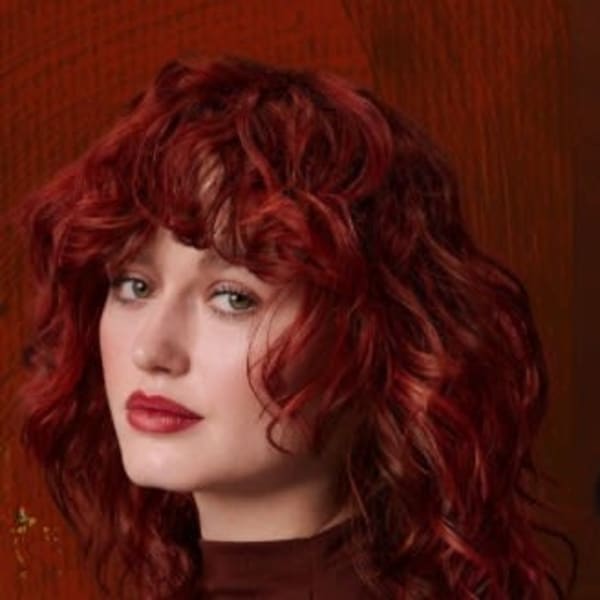
Hairstylists and barbers can showcase their creative and technical vision in two global categories with cash prizes and a chance to represent in Portugal.
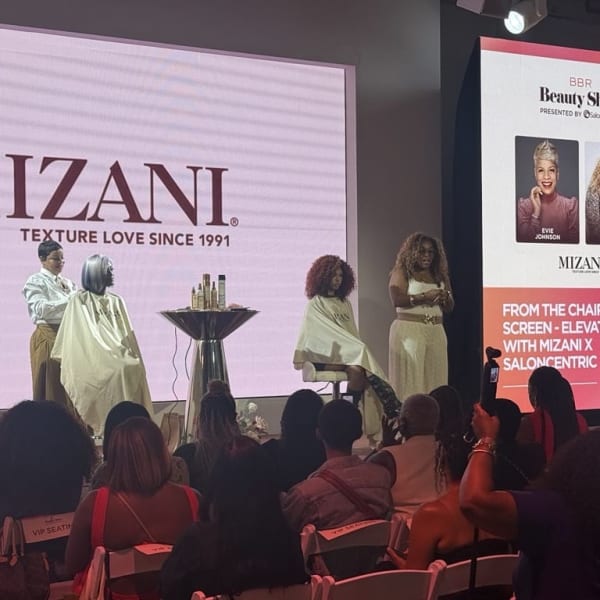
The BBR Beauty Show featured a prominent speaker lineup including Lacy Redway, Karrueche Tran, Danessa Myricks, Chelley B., Sabrina Elba, Jessica Harris-Dupart, and more.
The Professional Beauty Association and Pivot Point team up to develop an ongoing study that measures the confidence of salon owners, stylists, school owners, and students.
This shared recognition celebrates the strength of industry collaboration in advancing professional mobility.
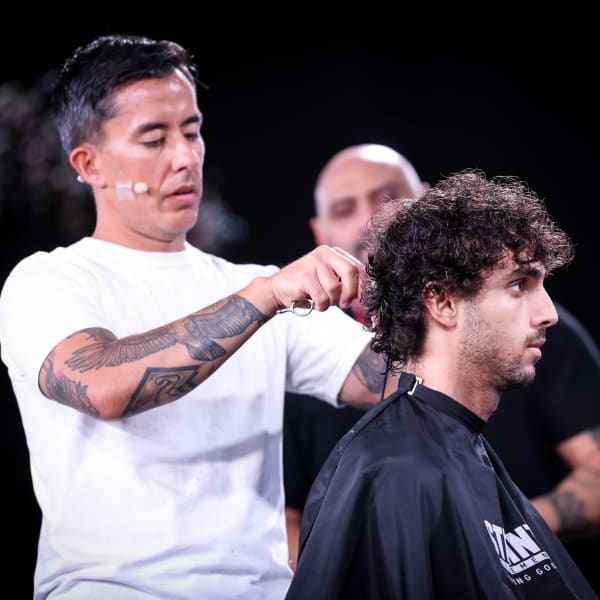
In Dubai, a salon visit isn’t an appointment. It’s a weekly routine, and clients can spend $800 to $1,400 a month on it, according to Gaurav Tripathi of MADI International. On October 6-8, 2026, the market behind those numbers opens its doors as Beautyworld Dubai marks its 30th edition at the Dubai World Trade Centre, bringing together distributors, brands, stylists and salon owners from all over the world.
Sponsored by BeautyWorld Dubai
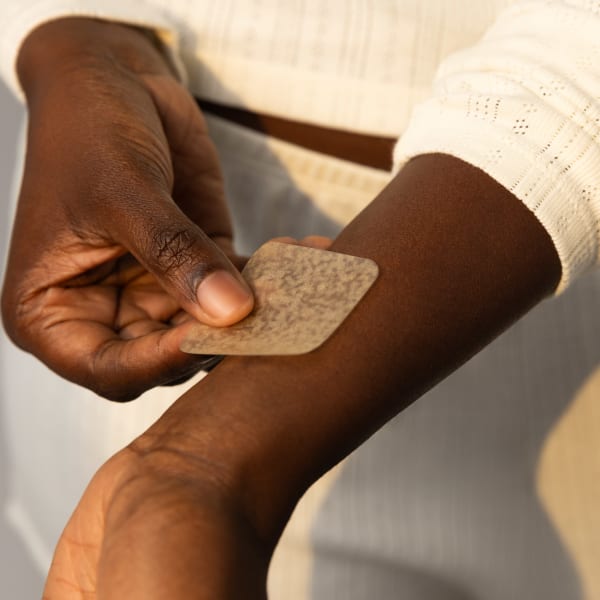
The Good Patch is a leading wearable wellness patch brand, offering wellness and skincare patches that support everyday needs including energy, sleep, relaxation and more.
Four publications for beauty industry professionals to enhance their leadership skills, financial awareness, professional growth, and joy!

Ulta Beauty has announced its partnership with Black Beauty Roster to launch the pilot of All Textures Certification (ATC). The new program is aimed at addressing gaps in education within the beauty industry and raising the level of skills and guest satisfaction for all.

Mireya Villarreal, founder of From Chair to Boss™, is bringing together beauty industry leaders for a new one-day educational event designed to help salon professionals strengthen the business side of their careers. From Chair to Boss Live! will take place September 28 at the Hilton Oak Brook Hills Resort & Conference Center in Oak Brook, Illinois.
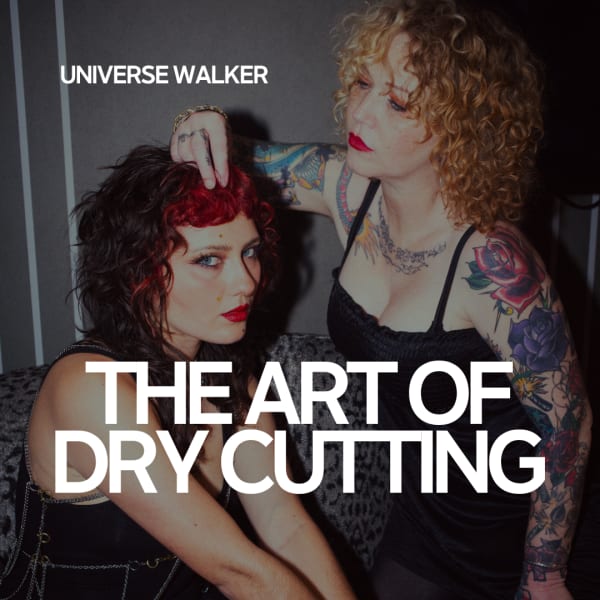
Salon owner, tech founder, and educator Universe Walker will bring her signature workshop, The Art of Dry Cutting, to Brooklyn on July 20, offering stylists a chance to deepen their understanding of shape, movement, texture, and dry cutting.
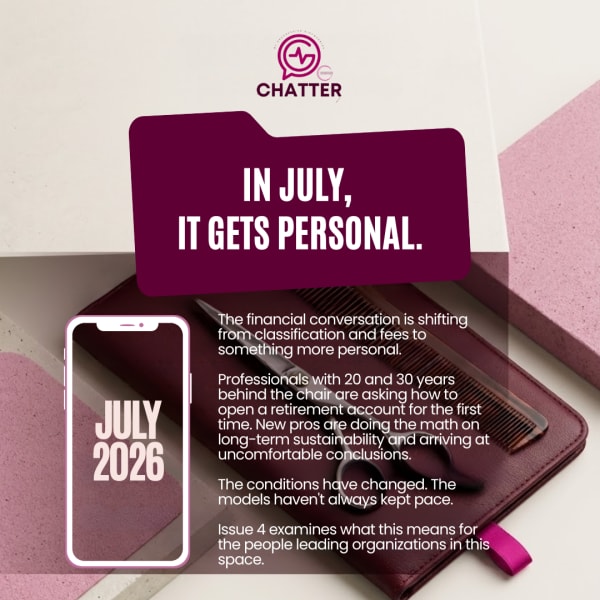
As part of our ongoing commitment to sharing resources that help beauty professionals stay informed, we thought it was worth introducing our audience to The Chatter and the unique perspective it brings to industry conversations.
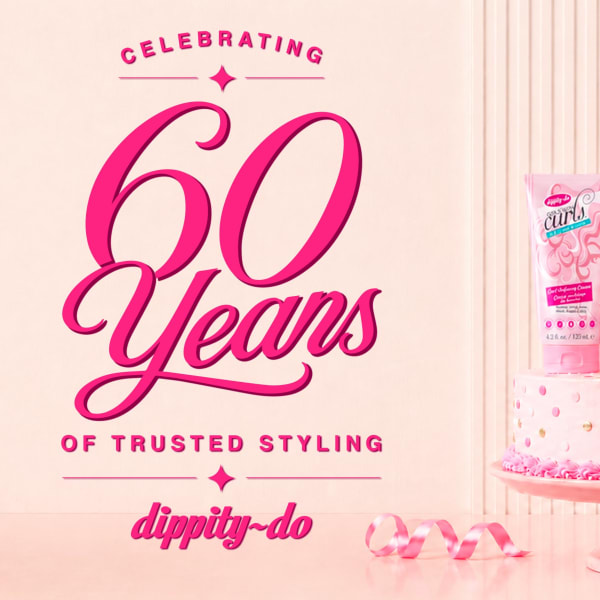
Celebrating 60 years in haircare, Dippity-Do is honoring its styling heritage with its Girls with Curls collection, a reimagined Light Hold Gelée inspired by the brand's original 1965 styling gel.
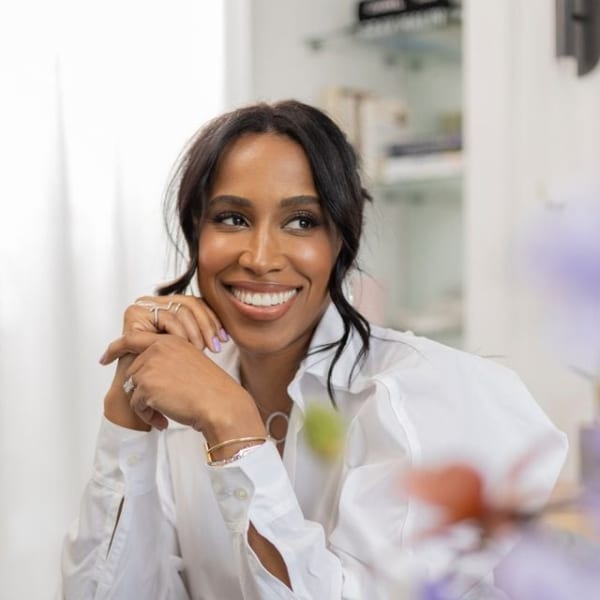
Covet & Mane has expanded its Pro Color System with the launch of Color Boost Drops, completing what the company says is the first professional color system engineered specifically for hair extensions.
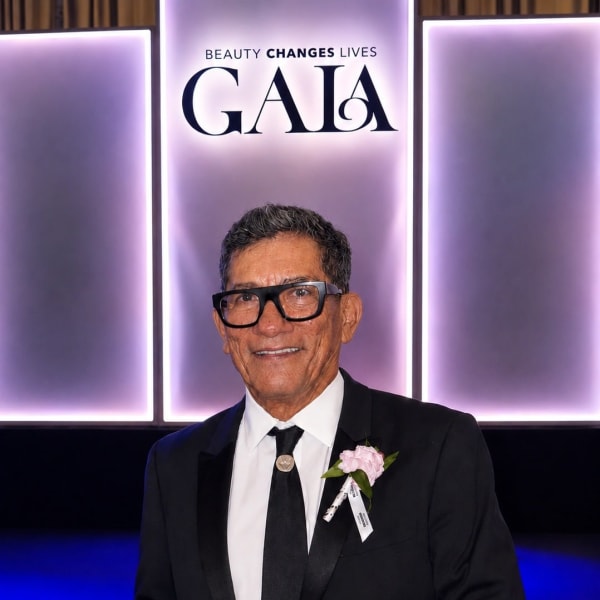
The 2026 Beauty Changes Lives Legacy Award has been awarded to Sam Villa for his trailblazing contribution, advocacy and mentorship that has profoundly transformed and elevated the professional beauty industry.
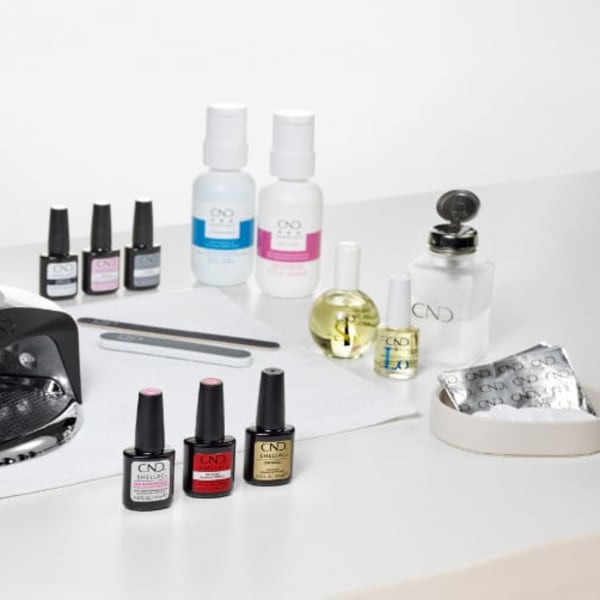
CND is relaunching its SHELLAC system with a new CND Visible Light Lamp, updated packaging, and an expanded shade offering.