




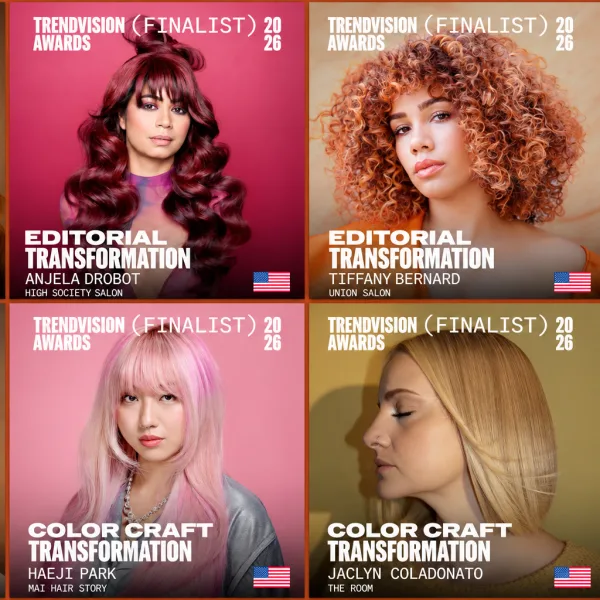
Wella Announces the Finalists of Wella Trend Vision Awards
This year’s awards centered around the Monochromatic trend, which is rooted in minimalism and intentional by design.
by Anne Moratto
 MENU
MENU SEARCH
In 2010, Jason Olsen, founder and CEO of IMAGE Studios, launched his salon suite business model. MODERN SALON chatted with Olsen to get his take on the status of suites today.
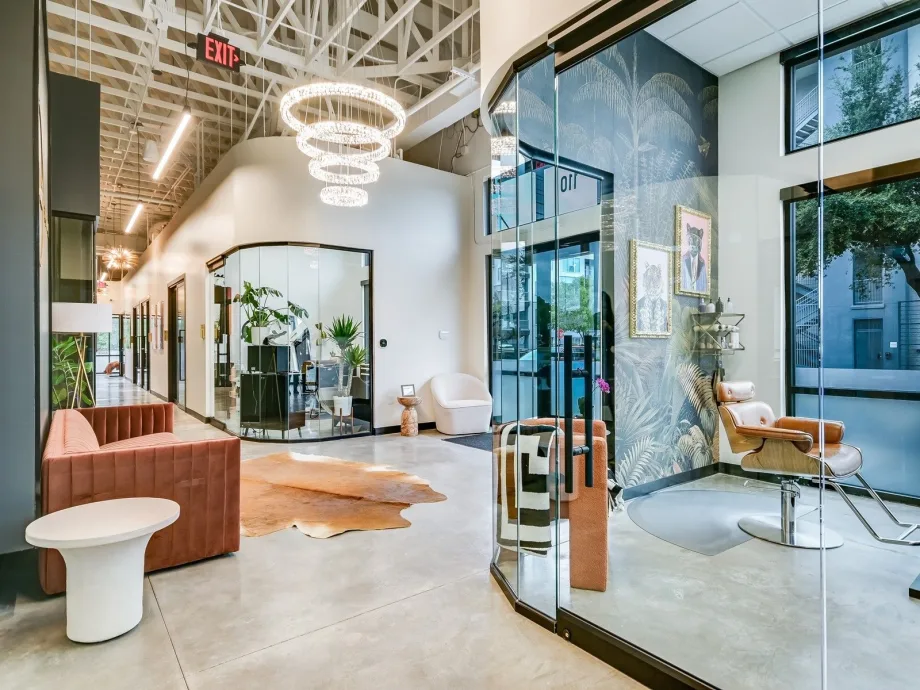
An IMAGE Studios in Austin, TX
Photo: Image Studios
The salon suite model has had tremendous growth in the past ten years. In 2010, Jason Olsen, founder and CEO of IMAGE Studios, launched his salon suite business model. During the 2009 recession, Olsen discovered the strength and resiliency of the beauty industry, which encouraged him to venture into the suite sector.
In 2016, he launched the franchise arm of the business and today there are IMAGE Studios® salons open all across the United States. Eventually, he plans to introduce the IMAGE business model to an international audience.
Recently, MODERN SALON spoke with Olsen to see if that strength and resiliency still holds (*spoiler: it does) and how IMAGE Studio continues to support their community.
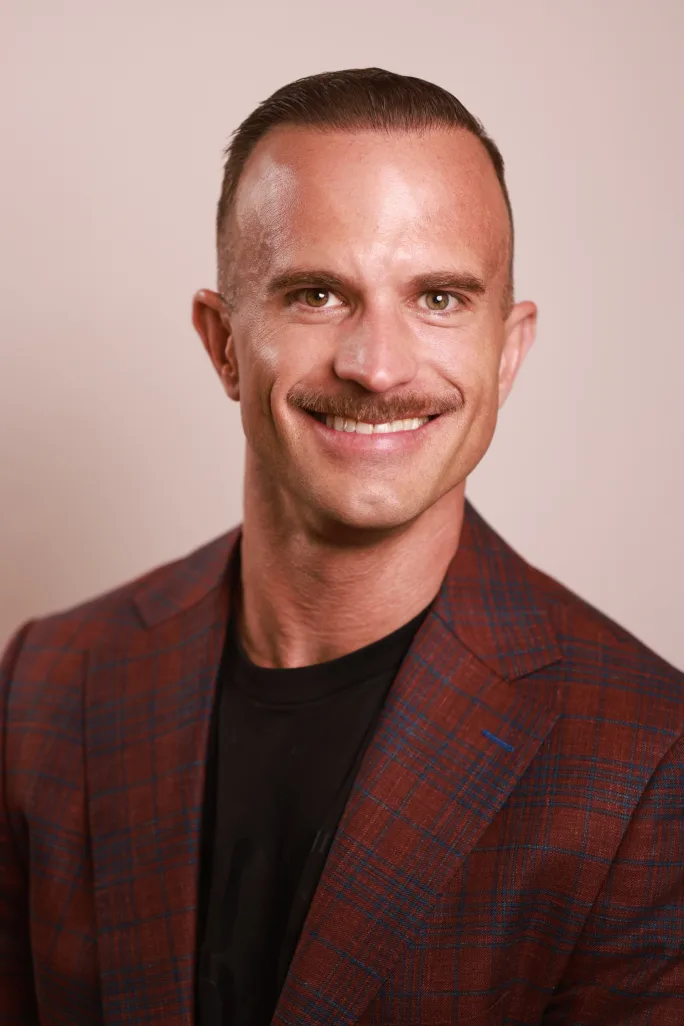
Under Jason Olsen's leadership, IMAGE Studios has earned recognition on the Inc. 5000, Mountain West Fastest 100, Utah 50 Fastest Growing, and Inc.’s Best Workplaces 2022 lists.
Photo: Image Studios
MODERN SALON: The suite model has had tremendous growth in the last ten years. Is this trend shifting? Is the talk about leaving suites just chatter, or is something bigger happening?
JASON OLSEN: I’ve heard some of that chatter too. We often ask ourselves, "Where’s the saturation point for suites?" It’s definitely not a model for everyone in beauty—probably not even half of the industry.
What sets us apart at Image is that we serve the broader beauty community, not just hairstylists and barbers. Our tenant base is about 55% hair, and the other 45% includes med spas, tattoo artists, estheticians, waxers, and more.
We’re all feeling the effects of economic pressure. Consumer spending has slowed due to inflation and tariffs. Many beauty professionals are reporting client cancellations for the first time in a long while. So yes, there's more hesitation to move into suites right now.
Still, there are around 100,000 beauty pros in suites nationwide, but hundreds of thousands booth rent. I see suites as booth rent 2.0. So I do think there’s a lot of growth potential ahead.
MS: How do you support newer professionals entering the suite model?
JO: That’s the tricky part. When we started, the average time in the industry before someone joined us was 10.3 years. Now, it’s 4.5.
Younger professionals need more support. We created an entrepreneurial curriculum through our Image Pro training program, delivered by Matthew across the country. But the biggest hurdle is getting people to engage with business education.
Beauty pros love education—but it’s typically skill-focused. When we bring up accounting or retirement savings, we lose them. So we try to make business training more appealing. For example, we teach how saving $16 a day can grow to $1.3 million in 20 years through compound interest—and that usually blows people’s minds.
And as we bring in younger beauty professionals, we need to make business education more appealing—just like a trending class from an Instagram star. Once we solve that, we’ll be able to support people straight out of school and set them up for lasting success.
MS: You came from the automotive world--how did you find your way to the beauty industry?
JO: Yes, I was a car dealer during the Great Recession—one of the worst industries to be in. I got major PTSD and didn’t want to go through that again.
I’d always heard that beauty was recession resistant, which is why I chose to get into the beauty industry – it’s innovative and creative. Services like threading, lash extensions, and Botox barely existed at scale 15 years ago. Now they’re everywhere. And each new service creates new professionals looking for space—and we’re built for that.
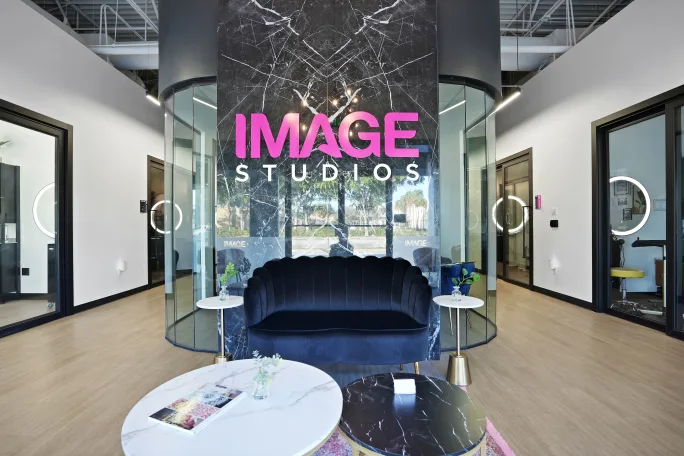
Photo: Image Studios
MS: You mentioned the design of your suites is modular--why has that been important?
JO: Design is our biggest differentiator. Most salon suites are built like permanent hair salons—with built-in cabinets and a shampoo bowl. That’s intimidating for non-hair pros.
Our studios are minimalist and modular. Everything—from cabinetry to sinks—is movable. If someone doesn’t need a shampoo bowl, we replace it with a hand sink. This makes it easier for people to envision the space for their own profession.
Because of this flexibility, our communities are more diverse—and that diversity leads to networking, referrals, and a real sense of community. Beauty is a social business, and going independent can be isolating. We work hard to counter that.
MS: We hear from artists that the reason they want to become independent is to realize their vision—to have creative freedom and flexibility. That’s the dream, right?
JO: Exactly. It’s about building your brand and running your business your way.
This year’s awards centered around the Monochromatic trend, which is rooted in minimalism and intentional by design.
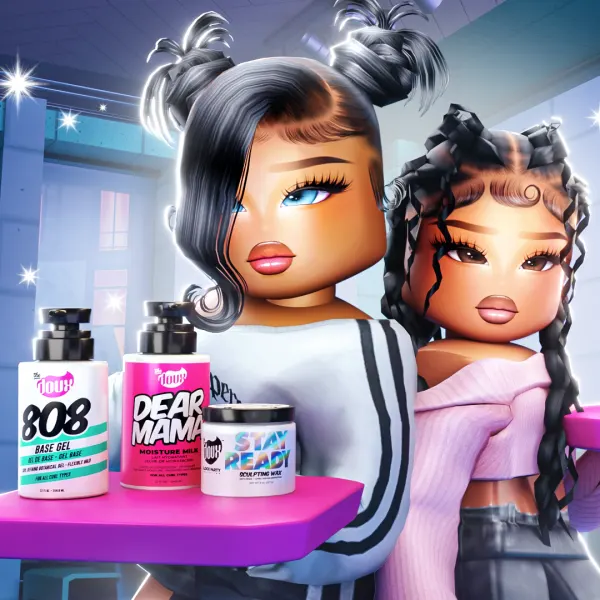
Haircare brand The Doux has launched “My Salon Empire,” a free-to-play salon management game on Roblox, helping the next generation celebrate the diversity of textured hair and explore salon entrepreneurship.
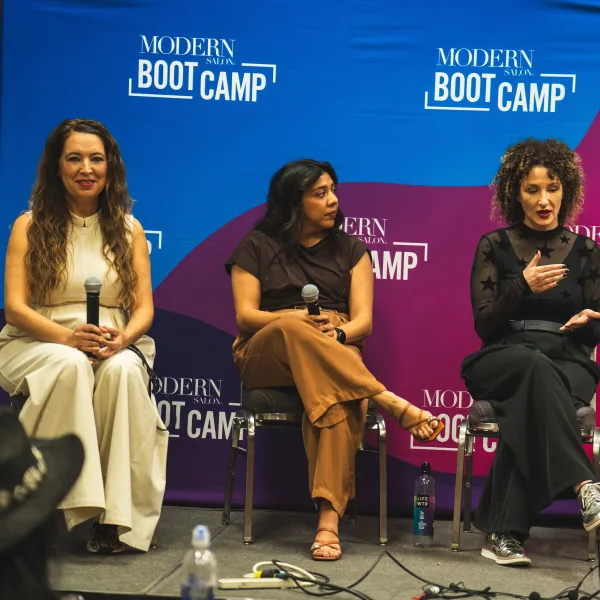
The show reported 30% attendance growth. It felt that way. This event for the southwest professional beauty community had heart, spice, and something for everyone.
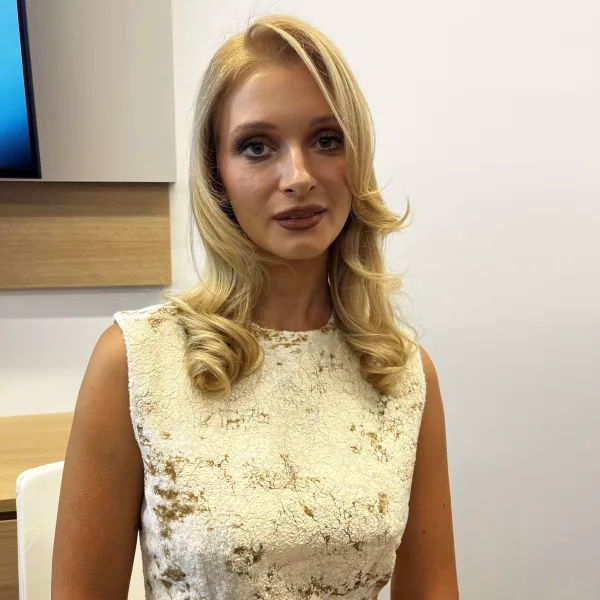
Wella artists presented the Monochromatic trend movement, introduced new Pure Perfection color and Sebastian styling innovations, while the Wella team created interactive fun throughout Wella Studio in Los Angeles.

Dominique LyVar, an influential educator and artist, is remembered by those who loved him for his significant impact on the industry and contributions to the community.
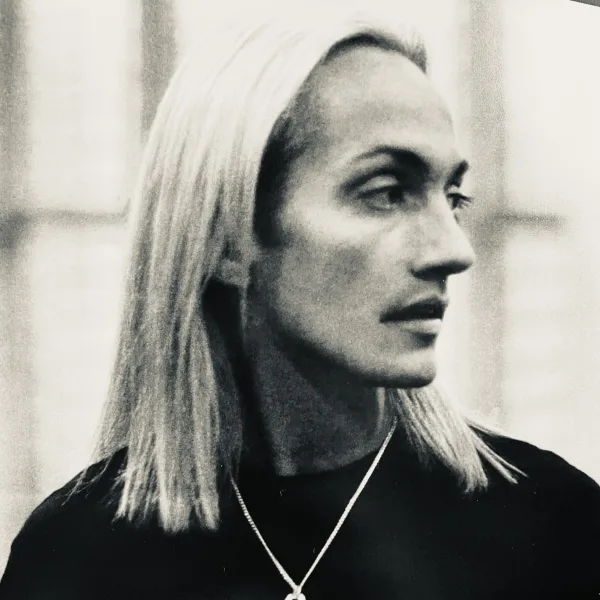
Known for his buttery blondes and a technique for highlighting hair with more precision that he called chunking, Brad Johns died on August 27. His friend and fellow colorist, David Stanko, shares thoughts on his talented colleague and close friend.
As technology evolves at an accelerated rate, you want to make sure you have the best in your business toolkit to help you grow sales, motivate your team, communicate with your current and future clientele, and streamline your managerial tasks. The 2026 SALON TODAY Technology Solutions Guide is designed to help you navigate today's growing landscape of salon and spa technology. In this guide, you'll find a curated look at more than 50 of the latest software platforms, digital solutions, and innovative features to help you compare options and identify the best fit for your business.
The Davines Edit reflects the brand’s passion for people and planet.
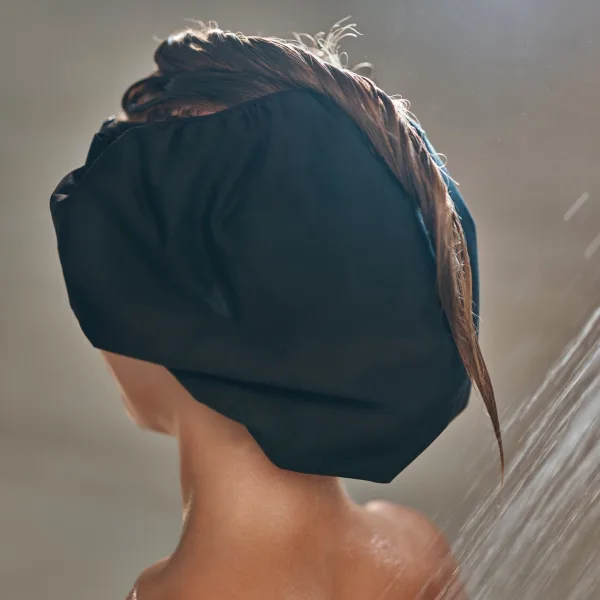
RÜTE Wash introduces a shower cap designed specifically for crown washing, helping clients with hair extensions cleanse the scalp while protecting the lengths from water.
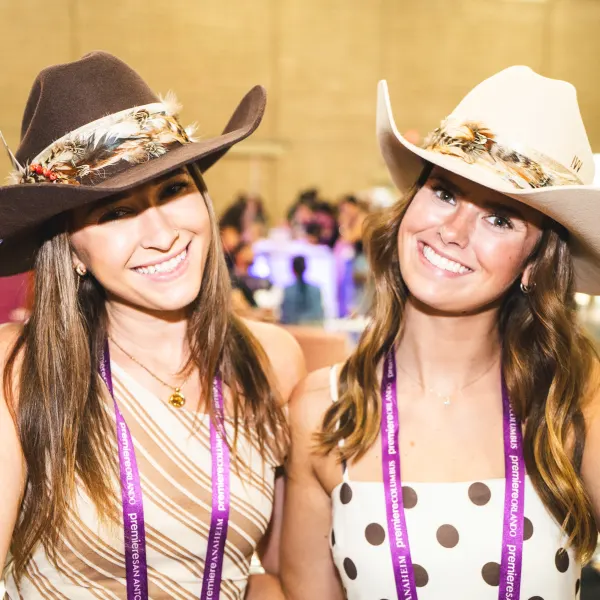
Premiere San Antonio Presented by SalonCentric returns for its fourth edition August 30-31 at the Henry B. González Convention Center, delivering its biggest and boldest event to date.
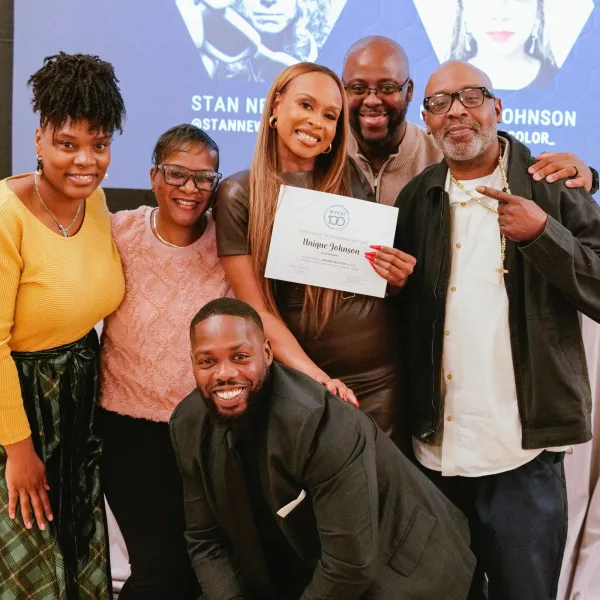
One-Day Personal and Professional Development Education Event for Beauty Professionals Set for October 25, 2026, at the Hilton Philadelphia City Avenue.
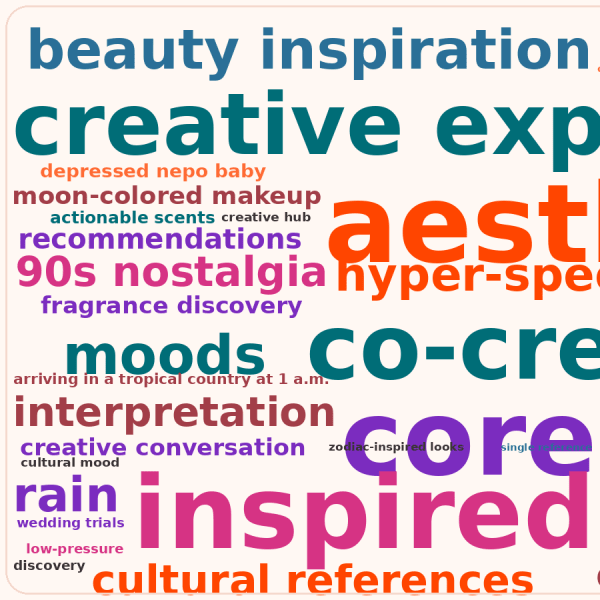
According to the report, people are moving away from copy-paste trends and toward community, using real experiences to develop a sense of taste and beauty that reflects who they are.

Hairstylists and barbers can showcase their creative and technical vision in two global categories with cash prizes and a chance to represent in Portugal.
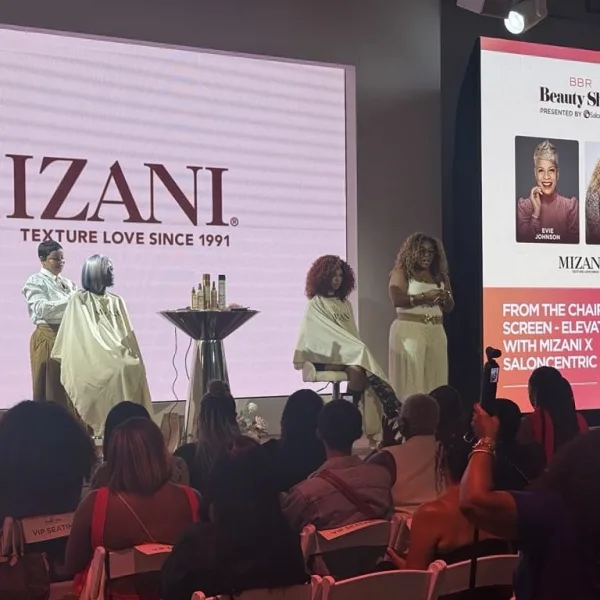
The BBR Beauty Show featured a prominent speaker lineup including Lacy Redway, Karrueche Tran, Danessa Myricks, Chelley B., Sabrina Elba, Jessica Harris-Dupart, and more.
The Professional Beauty Association and Pivot Point team up to develop an ongoing study that measures the confidence of salon owners, stylists, school owners, and students.
This shared recognition celebrates the strength of industry collaboration in advancing professional mobility.
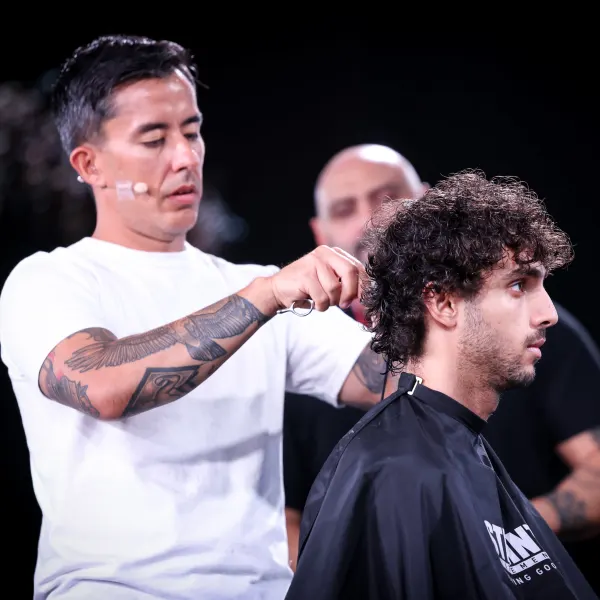
In Dubai, a salon visit isn’t an appointment. It’s a weekly routine, and clients can spend $800 to $1,400 a month on it, according to Gaurav Tripathi of MADI International. On October 6-8, 2026, the market behind those numbers opens its doors as Beautyworld Dubai marks its 30th edition at the Dubai World Trade Centre, bringing together distributors, brands, stylists and salon owners from all over the world.
Sponsored by BeautyWorld Dubai