



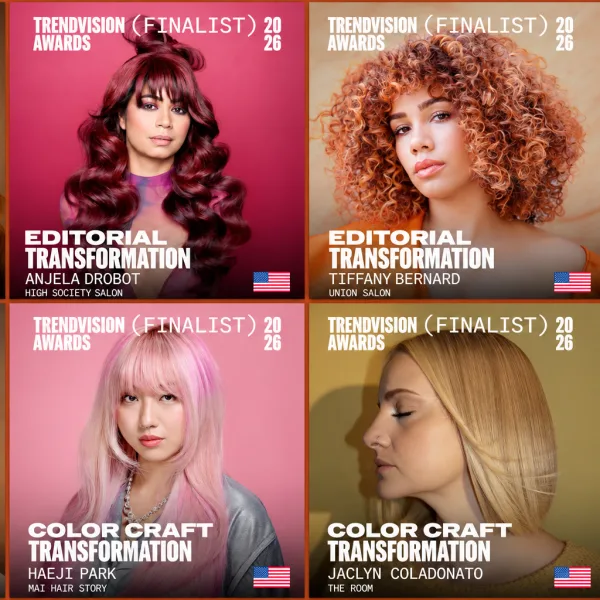
Wella Announces the Finalists of Wella Trend Vision Awards
This year’s awards centered around the Monochromatic trend, which is rooted in minimalism and intentional by design.
by Anne Moratto
 MENU
MENU SEARCH
No surprise that products promoting a cleaner lifestyle--soaps, sanitizers, even shampoos--continue to hold but products that are deemed 'can-wait' items may struggle for years to come, according to this new report from Kline.

There’s nothing pretty to say about this: The U.S. cosmetics and toiletries market is on track to experience the sharpest decline ever recorded in the 60+ years Kline has been tracking the market due to the COVID-19 pandemic. So far, the 0.8% drop in 2009 during the last recession is the biggest market dip ever reported by Kline. The only other time Kline noted a market decrease was a 0.3% falloff in 1991 amid another recession.
Previously forecast to grow at a CAGR of 3.8% through 2023, Kline has revised its forecasts for the $75 billion U.S. market due to the unfolding crisis. New forecasts, published by Kline last week in a special report on the topic, indicate a decline of 2.5% in 2020 as the most likely outcome, with the best-case scenario reflecting a 1.5% gain and the worst-case scenario at an 8.1% drop. And given the current state of the pandemic, with lockdowns now inching closer toward summer months, our current worst-case scenario may, in fact, become the most-likely scenario.
“Given the unprecedented situation that is unfolding globally as both a health crisis as well as a financial one, it is not surprising that the beauty market should experience its worst performance now,” says Carrie Mellage, Vice President of Kline’s Consumer Products Practice. “Even our worst-case scenario of ‑8% probably does not feel steep enough given the dark days we are all living, but there are enough essential categories in the mix to keep the market stable.”
Kline’s forecasting analysis clusters beauty categories into four groups:
Rescue categories, such as hand sanitizers and liquid hand soaps, that will experience spiked levels
Everyday basics like shampoos and deodorants, which consumers are expected to more or less use as usual
Soothing solutions such as facial skin care and nail polishes, which are expected to decline near term but may benefit from consumers turning to them as a treat and/or to maintain or establish a part of their routine they can still control
Can-wait categories including fragrances and color cosmetics, which are expected to decline sharply during social distancing of the health crisis and continue to suffer during the economic fallout in the years to come
“The cosmetics market will undoubtedly suffer in 2020 and in the years to come, but we expect it to recover within three to five years as it has in all past recessions,” says Mellage. “Compared to other industries, the beauty market is fairly recession-proof, and its products will continue to be desired by consumers—both for meeting basic needs as well as an indulgence.” Historically, the “lipstick theory” has proven true, with lipsticks (during the four recessions from 1973 through 2001) and eye makeup (in the most recent 2008-2009 recession) performing exceptionally well during recessionary times. “Perhaps we’ll have another winner in the mix this time too,” adds Mellage.
Kline’s scenario forecasts were generated using expert judgement, based on a thorough review of decades of category performance through previous recessionary periods, along with what is currently known about the unfolding pandemic and economic situation. Detailed scenario forecasts and commentary are provided for 20 individual product categories in Kline’s Impact of COVID-19 on the U.S. Cosmetics & Toiletries Market report.
About Kline
Kline is a worldwide consulting and research firm dedicated to providing the kind of insight and knowledge that helps companies find a clear path to success. The firm has served the management consulting and market research needs of organizations in the agrochemicals, beauty & personal care, chemicals & materials, energy, and life sciences industries for more than 60 years. For more information, visit www.KlineGroup.com.
This year’s awards centered around the Monochromatic trend, which is rooted in minimalism and intentional by design.
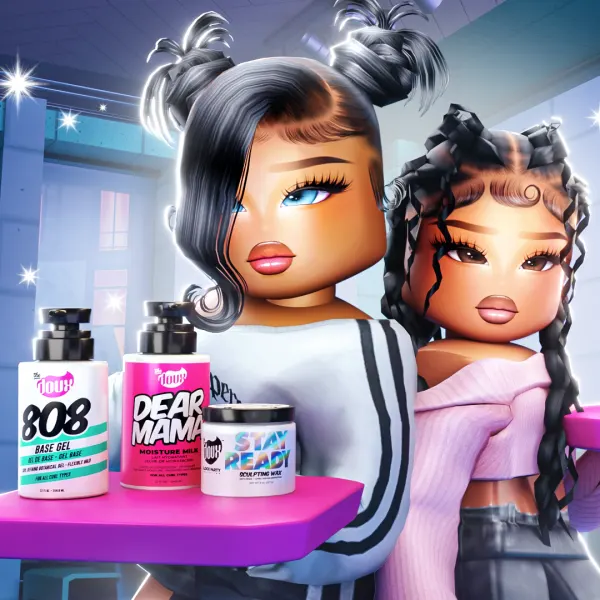
Haircare brand The Doux has launched “My Salon Empire,” a free-to-play salon management game on Roblox, helping the next generation celebrate the diversity of textured hair and explore salon entrepreneurship.
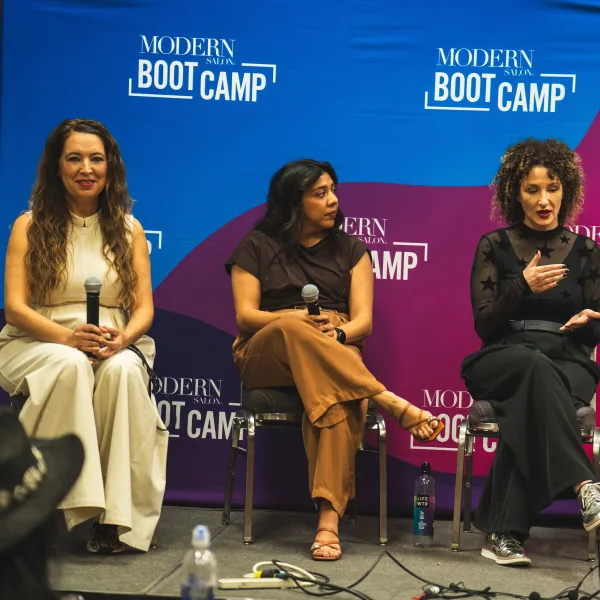
The show reported 30% attendance growth. It felt that way. This event for the southwest professional beauty community had heart, spice, and something for everyone.

Wella artists presented the Monochromatic trend movement, introduced new Pure Perfection color and Sebastian styling innovations, while the Wella team created interactive fun throughout Wella Studio in Los Angeles.

Dominique LyVar, an influential educator and artist, is remembered by those who loved him for his significant impact on the industry and contributions to the community.
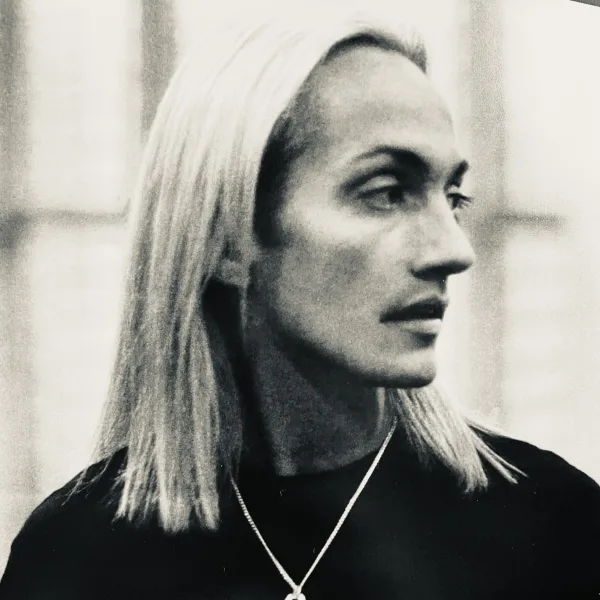
Known for his buttery blondes and a technique for highlighting hair with more precision that he called chunking, Brad Johns died on August 27. His friend and fellow colorist, David Stanko, shares thoughts on his talented colleague and close friend.
As technology evolves at an accelerated rate, you want to make sure you have the best in your business toolkit to help you grow sales, motivate your team, communicate with your current and future clientele, and streamline your managerial tasks. The 2026 SALON TODAY Technology Solutions Guide is designed to help you navigate today's growing landscape of salon and spa technology. In this guide, you'll find a curated look at more than 50 of the latest software platforms, digital solutions, and innovative features to help you compare options and identify the best fit for your business.
The Davines Edit reflects the brand’s passion for people and planet.
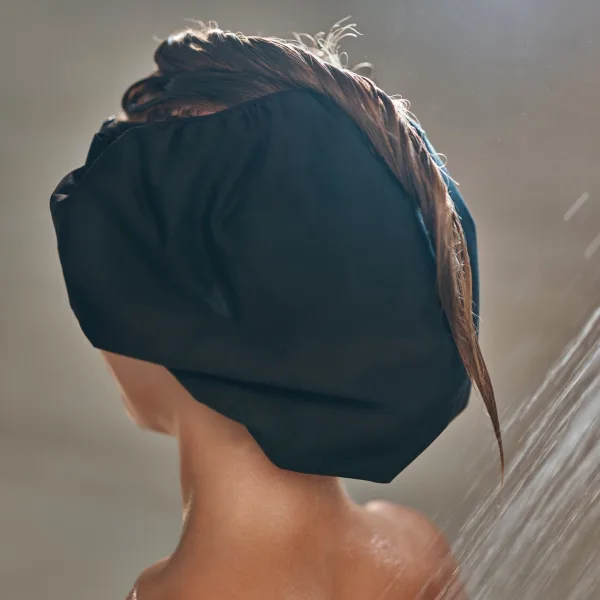
RÜTE Wash introduces a shower cap designed specifically for crown washing, helping clients with hair extensions cleanse the scalp while protecting the lengths from water.

Premiere San Antonio Presented by SalonCentric returns for its fourth edition August 30-31 at the Henry B. González Convention Center, delivering its biggest and boldest event to date.

One-Day Personal and Professional Development Education Event for Beauty Professionals Set for October 25, 2026, at the Hilton Philadelphia City Avenue.
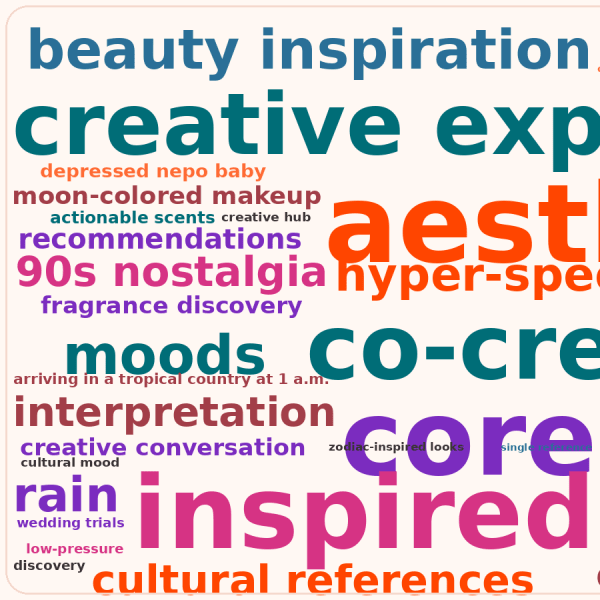
According to the report, people are moving away from copy-paste trends and toward community, using real experiences to develop a sense of taste and beauty that reflects who they are.

Hairstylists and barbers can showcase their creative and technical vision in two global categories with cash prizes and a chance to represent in Portugal.
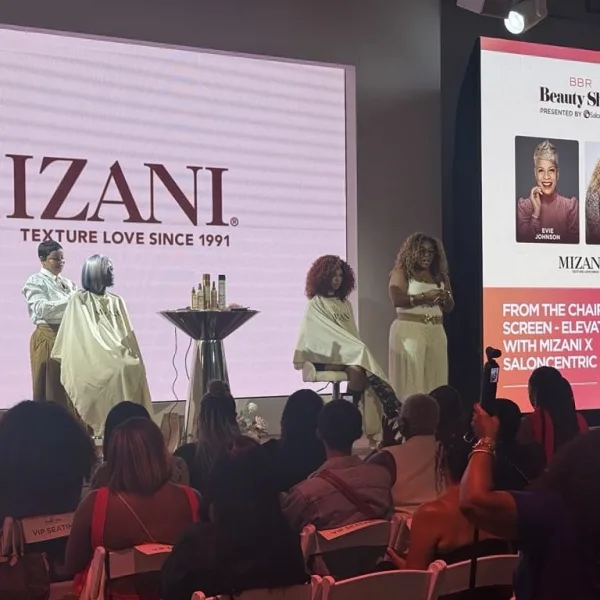
The BBR Beauty Show featured a prominent speaker lineup including Lacy Redway, Karrueche Tran, Danessa Myricks, Chelley B., Sabrina Elba, Jessica Harris-Dupart, and more.
The Professional Beauty Association and Pivot Point team up to develop an ongoing study that measures the confidence of salon owners, stylists, school owners, and students.
This shared recognition celebrates the strength of industry collaboration in advancing professional mobility.
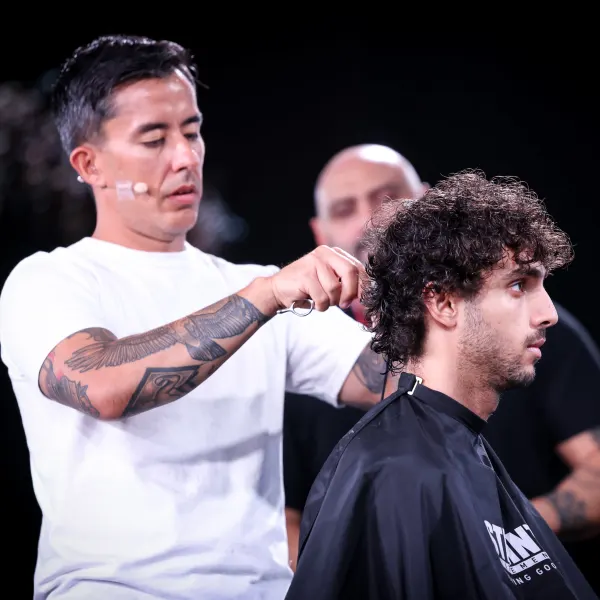
In Dubai, a salon visit isn’t an appointment. It’s a weekly routine, and clients can spend $800 to $1,400 a month on it, according to Gaurav Tripathi of MADI International. On October 6-8, 2026, the market behind those numbers opens its doors as Beautyworld Dubai marks its 30th edition at the Dubai World Trade Centre, bringing together distributors, brands, stylists and salon owners from all over the world.
Sponsored by BeautyWorld Dubai