




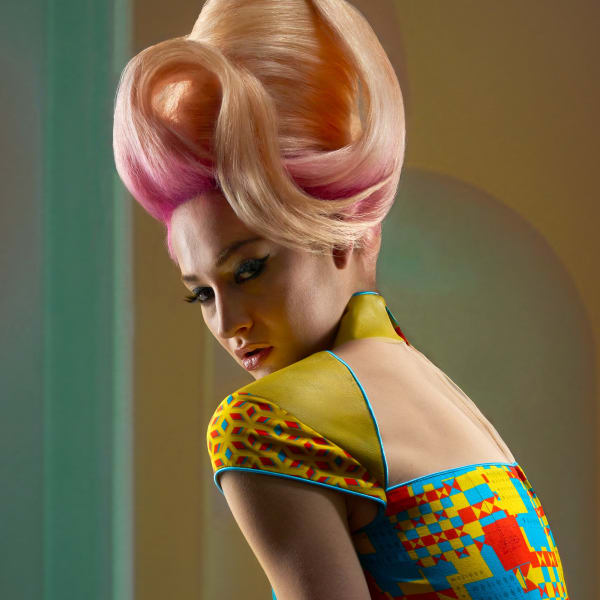
The Work Behind the Win: Road to NAHA Series Brings Artist Inside the Creative Process
A live education series explores the ideas, collaboration, creative decisions and processes behind the winning work.
by Anne Moratto
 MENU
MENU SEARCH
Does your basic skin care business need a boost? Many alternative skin care therapies that originated in ancient Asia are gaining popularity among today's spagoers right here in the U.S. These therapies are based on total wellness principles that don't just treat a skin condition, but address the
Does your basic skin care business need a boost? Many alternative skin care therapies that originated in ancient Asia are gaining popularity among today's spagoers right here in the U.S. These therapies are based on total wellness principles that don't just treat a skin condition, but address the underlying causes, through relaxation, meditation and energy healing techniques. As your clients seek balance in their lives, you may be hearing more requests for these out-of-the-ordinary treatments. In fact, research from an industry trend forecasting company, SpaFinder, indicates that may be sooner than you think. Says company president Susie Ellis, "We predict that many of these spa trends, which seem so new and unfamiliar now, will soon be mainstream—helping many people live healthier, happier lives."
Sound like nirvana? It could be; but first, come down to earth and consider these options in the context of your spa and how they can complement your current skin care practice. We've already started the research for you. Read on to find out what these services are, what you need to know before you add them to your menu—and how they can better your bottom line.
acupuncture
origin: ancient China
the process: While the client is lying down, tiny needles are inserted 1/4- to 1-in into acupressure points on the body to balance energy. Clients may feel a slight pinch, but no pain. Duration and frequency of treatments differ depending on what the client is trying to achieve, but can take up to 10 sessions for effects to be felt.
the results: Medically-oriented acupuncture can be used to relieve pain and treat chronic diseases such as asthma, but is most commonly used in spas for simple stress-relief.
time/cost: At The Spa at Hotel Valley Ho in Scottsdale, Arizona, Brad Garrett, spa director, offers acupuncture facial rejuvenation treatments that last 60 minutes and cost $150. The treatment "helps fast-twitch muscles in the face, which can cause wrinkles, relax. It will leave the face looking younger and rejuvenated."
equipment needed: Acupuncturists use stainless steel needles; the Japanese variety are shorter and thicker, while the Chinese type are very fine and longer, "about the width of a cat's whisker," explains Garrett, who uses the Chinese needles.
training required: At Valley Ho, acupuncturists are certified doctors of Oriental Medicine. Five years of full-time training is the standard for the degree.
great for: Garrett says the treatment is safe for virtually anybody, so anyone with aches and pains or a general malaise would be a good candidate.
outlook: "There's definitely more growing acceptance of acupuncture," says Garrett, who believes the benefits of acupuncture will one day make it as ubiquitous as massage. "Business has been steady and we've noticed more and more interest from our clients."
cupping
origin: ancient China
the process: With the client lying facedown on treatment, specially-designed glass cups are briefly heated inside with a flame, then placed open-side down on the exposed back. The heated air inside the cup creates a vacuum, drawing skin inside and creating blood-infused, raised sections on the skin. Oils may be used to allow moving cups up and down the patient's body. Recently, a new method of "cold suction," or vacuum using a hand-held pump attached to each cup, has been sometimes used to replace heat suction.the results: According to therapists at Argyle Salon & Spa in West Hollywood, California, it is believed that the body's toxins lie beneath the surface of the skin and are pulled out during the cupping. The suction also stimulates blood flow, acting as an effective means of pain management and an overall balancing treatment.
time/cost: At Shen Shen Health & Harmony in Chicago, sessions are typically 30 minutes at $45.
equipment needed: A set of glass cups and body oils, if needed.
training required: A licensed acupuncturist performs the service.
great for: Anyone with circulation or digestive issues; can also help those with allergies, as it opens up respiratory airways. However, anyone with a high fever, broken skin or a tendency to bleed easily should avoid cupping treatments, according to Argyle.
outlook: Cupping, which caught the public's interest when Gwyneth Paltrow showed off her telltale marks in an open-back dress in 2004, has long been a popular at-home treatment in the Asian community. Your more adventuresome clients will love the results. However, the resulting bruises may turn off most everyone else. A better bet: Acupuncture and traditional massage, which have wider appeal with similar benefits.
reiki
origin: ancient Tibet
the process: While lying face up on a treatment table in a darkened room and fully clothed, the client lies still while the therapist holds his or her hands a few inches above the body and manipulates the energy flow (called chi) for maxiÀšÃ‚mum benefit. Reiki is said to align body, mind and spirit, with the client drawing healing energy from the therapist. There is generally no touching, although in some instances the therapist may cradle the client's head.
the results: According to practitioners, Reiki will leave you clear-minded and free of physical and emotional distress. It heals, harmonizes and rebalances the body's energy.
time/cost: At Urban Oasis Day Spa in Chicago, Illinois, a 60-minute treatment is $90.
equipment needed: none
training required: A licensed massage therapist with Reiki certification.
great for: Those under mental or physical stress, or those seeking clarity in their lives.
outlook: A no-touch body treatment may be a hard sell to your massage-loving clients, so you will need to play up the mental benefits of this service. Those with overworked, overscheduled clients will have a receptive audience to this type of service.
reflexology
origin: Uncertain, but believed to be ancient China or Egypt
the process: Reflexology is based on the belief that specific points in the hands and feet correspond to certain bodily organs. At Kaya Day Spa in Chicago, a client lies face up on a treatment bed and the therapist uses thumb pressure on specific areas of the feet to stimulate circulation and release energy throughout the body. Reflexology is often also incorporated into manicures, pedicures and massages.
the results: Besides relieving stress and soothing muscles, it is thought that reflexology can bolster the immune system, relieve pain and even help manage chronic disease.
time/cost: At Kaya, the cost for a 30-minute treatment is $45.
equipment needed: none
training required: A licensed massage therapist with reflexology certification.
great for: Anyone on their feet all day, or those suffering from pain or chronic illness, particularly digestive or respiratory. Not recommended for pregnant women.
outlook: Because of the simplicity and low cost to the spa, look for reflexology to be popping up on more spa menus as clients demand more accessible and convenient wellbeing treatments. Think of it as an easy add-on to any of your current massages.
Indian head massage, or champissage
origin: ancient India
the process: Head massage part of tradition; mothers massaged their children and it was a standard in men's hair cuts to rid the scalp of dead skin cells and spread oils in the hair, according to therapies expert Sandra Howe. ("Shampoo" is originated from the abbreviated "champi.") Today, head massage concentrates on the head, face, neck and shoulders and involves a firm touch, long strokes and acupressure on sinuses, temples and the forehead. At Spa Space in Chicago, Director Nikki Villagomez says that clients (who may change into a robe or opt to stay in their street clothes) lie face up on a treatment table. The therapist will start with a hand and foot massage to signal the beginning of relaxation before moving to the upper body. Oils may or may not be used, depending on client preference.
the results: The treatment will release tension and ease headaches, eyestrain, fatigue and sinus problems, says Villagomez.
time/cost: At Spa Space, a client can choose either 30-, 60- or 90-minutes for $50, $95 or $135
equipment needed: Massage oil optional.
training required: A licensed massage therapist.
great for: Office workers or anyone who spends a lot of time on the computer; problem sleepers and sinus sufferers; massage newbies or particularly modest clients.
outlook: You can't go wrong with this one—massage therapies are the number one most requested spa service. Even clients who choose, say, a deep tissue massage, will opt to add on a 30-minute Indian head massage as well, says Villagomez: "This has been a staple on our menu for the past three years." She suggests creating your own massage therapy "combos" to introduce the service to clients.
watsu
origin: A combination of traditional Shiatsu and water therapy, Watsu was developed in California in the 1980s.
the process: According to Hal Lubash, lead therapist at Cornelia Day Resort in New York City, the process takes place in a four-foot deep pool heated to 98 degrees. Both the therapist and client wear bathing suits, and the client's legs are also fitted with flotation bands for buoyancy. (For extra buoyancy, the treatment can also be done in a saltwater pool.) The therapist cradles the client in his or her arms for support while moving the client through the water, allowing the water's drag to stretch and move different parts of the body, releasing energy, soothing muscles and improving circulation.
the results: "It feels like floating in space," says Lubash, who compares the benefits to a massage and says muscles tend to be sore the next day. "It's a very profound, totally modern experience."
time/cost: At Cornelia, a session runs 60 minutes and costs $200. The Watsu room is completely tiled in sky-blue glass squares, with two skylights for clients to gaze at throughout treatment.
equipment needed: A large, heated pool; flotation devices
training required: All therapists are licensed massage therapists, are required to know Shiatsu, must take three weeks of classwork on Watsu and undergo 20 practice sessions in demonstrating Watsu. They also must vow to undergo continuous training on the treatment.
great for: While an amazing experience for anybody, says Lubash, pregnant women or those with joint or muscle pain will get the most relief from being weightless.
outlook: Right now, Cornelia is the only spa in New York City offering Watsu, and Lubash says it's more prevalent on the West Coast and Hawaii. Nevertheless, he predicts it will "take over the world." However, space and cost constraints limit where where the service can be offered, so unless you work at a large day spa or resort, it's probably not practical.
shiatsu
origin: ancient Japan; Shiatsu means "finger pressure"
the process: On a floor mat or low table in a darkened room, the client lies face up and fully dressed in comfortable, loose fitting clothes. No oils are used. Instead, the therapist uses finger or thumb pressure along acupuncture meridians (the energy lines in the body) to balance energy. Says therapist Ellen Williams at Oasis Day Spa in New York City, "It's similar to using acupuncture needles." Williams also uses her fingers to detect organ function and employs stimulation to rebalance them if needed.
the results: A top stress reliever; clients are calmer and "blissed out," says Williams, who says those benefits last longer than traditional massage.
time/cost: 60 minutes for $100 or 90 minutes for $130.
equipment needed: A floor mat or low table, depending on preference.
training required: A licensed massage therapist who has undergone a Shiatsu certification course and take continuous training.
great for: Clients who are bored with traditional massage and looking for something new. Not recommended for pregnant women in their first trimester.
outlook: "A lot of people think Shiatsu is going to hurt, and it doesn't have to," says Williams, who has created a Swedish massage/Shiatsu combo to entice clients. You will have to encourage your clients to take the plunge, but once they do, Williams believes they'll keep coming back.
A live education series explores the ideas, collaboration, creative decisions and processes behind the winning work.
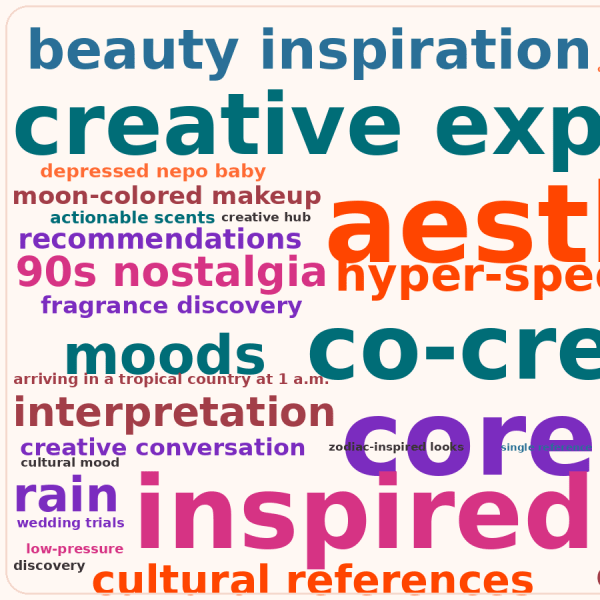
According to the report, people are moving away from copy-paste trends and toward community, using real experiences to develop a sense of taste and beauty that reflects who they are.
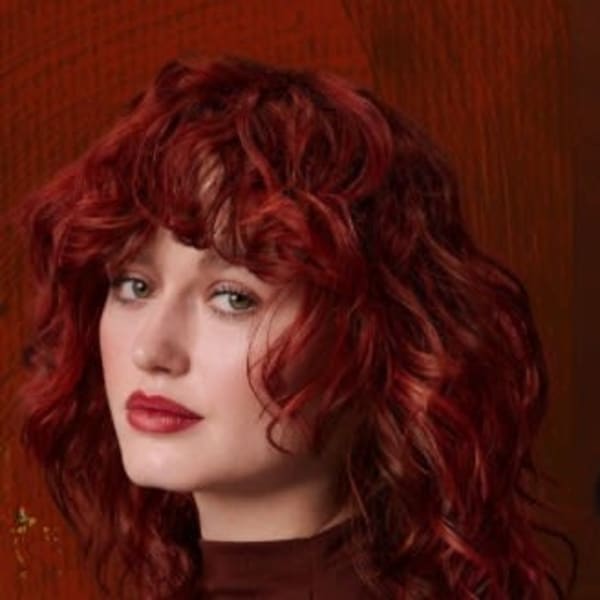
Hairstylists and barbers can showcase their creative and technical vision in two global categories with cash prizes and a chance to represent in Portugal.
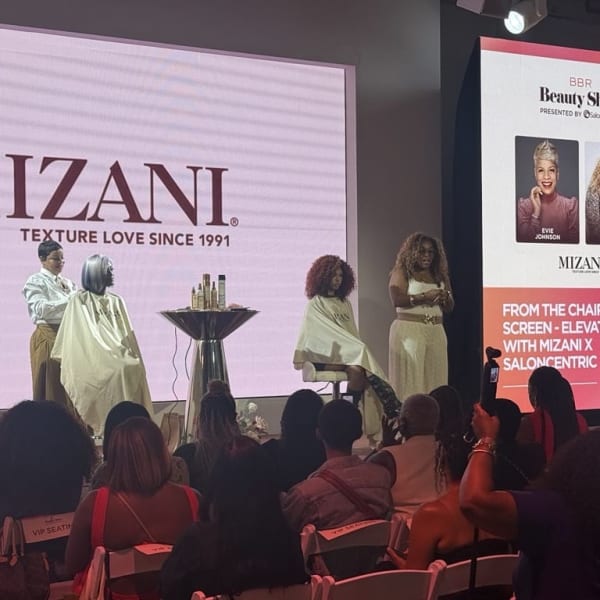
The BBR Beauty Show featured a prominent speaker lineup including Lacy Redway, Karrueche Tran, Danessa Myricks, Chelley B., Sabrina Elba, Jessica Harris-Dupart, and more.
The Professional Beauty Association and Pivot Point team up to develop an ongoing study that measures the confidence of salon owners, stylists, school owners, and students.
This shared recognition celebrates the strength of industry collaboration in advancing professional mobility.
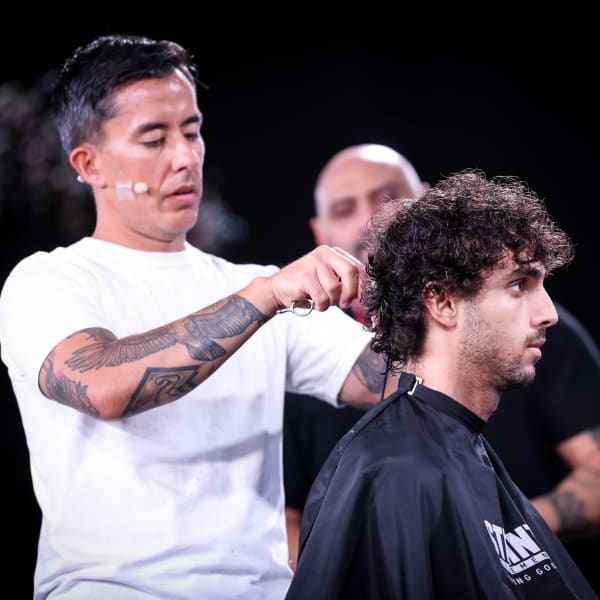
In Dubai, a salon visit isn’t an appointment. It’s a weekly routine, and clients can spend $800 to $1,400 a month on it, according to Gaurav Tripathi of MADI International. On October 6-8, 2026, the market behind those numbers opens its doors as Beautyworld Dubai marks its 30th edition at the Dubai World Trade Centre, bringing together distributors, brands, stylists and salon owners from all over the world.
Sponsored by BeautyWorld Dubai
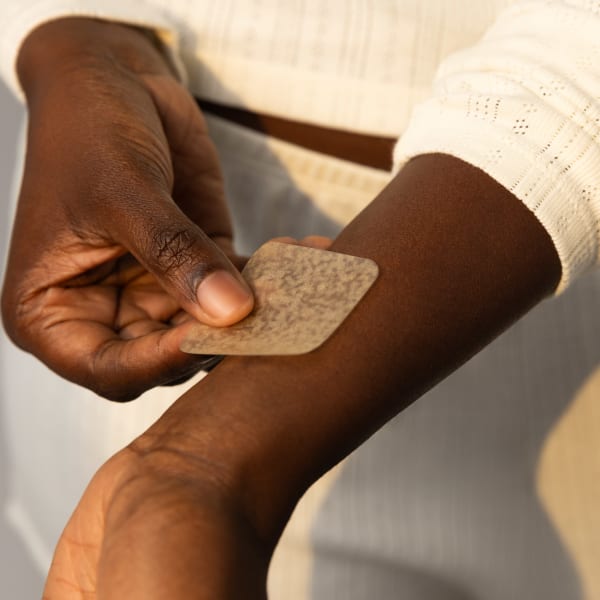
The Good Patch is a leading wearable wellness patch brand, offering wellness and skincare patches that support everyday needs including energy, sleep, relaxation and more.
Four publications for beauty industry professionals to enhance their leadership skills, financial awareness, professional growth, and joy!

Ulta Beauty has announced its partnership with Black Beauty Roster to launch the pilot of All Textures Certification (ATC). The new program is aimed at addressing gaps in education within the beauty industry and raising the level of skills and guest satisfaction for all.
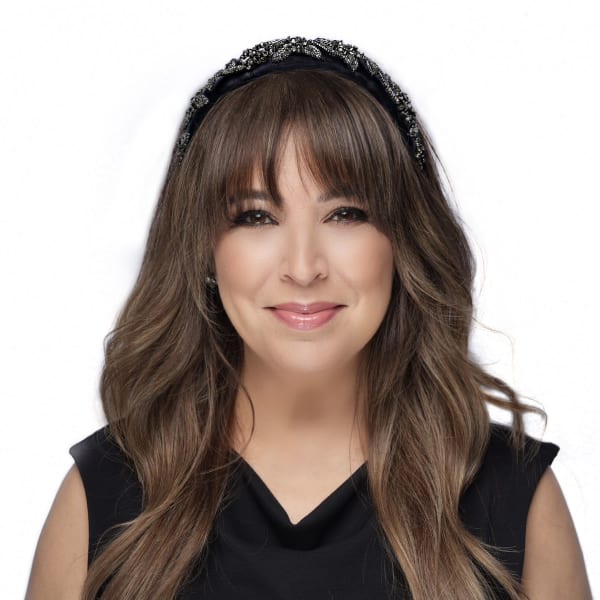
Mireya Villarreal, founder of From Chair to Boss™, is bringing together beauty industry leaders for a new one-day educational event designed to help salon professionals strengthen the business side of their careers. From Chair to Boss Live! will take place September 28 at the Hilton Oak Brook Hills Resort & Conference Center in Oak Brook, Illinois.
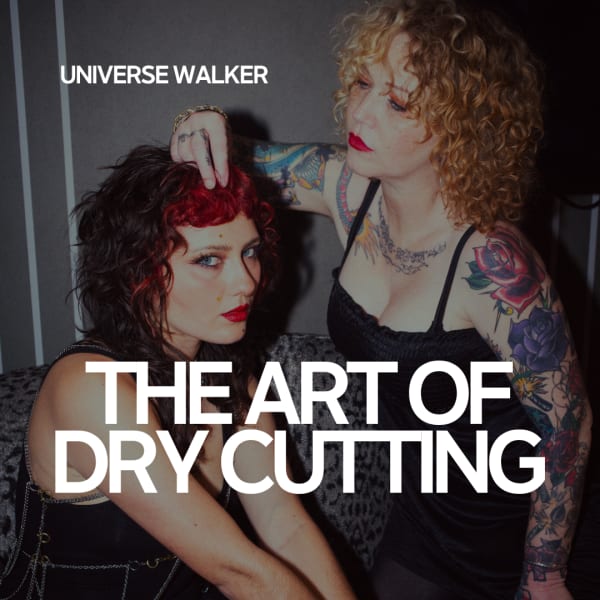
Salon owner, tech founder, and educator Universe Walker will bring her signature workshop, The Art of Dry Cutting, to Brooklyn on July 20, offering stylists a chance to deepen their understanding of shape, movement, texture, and dry cutting.
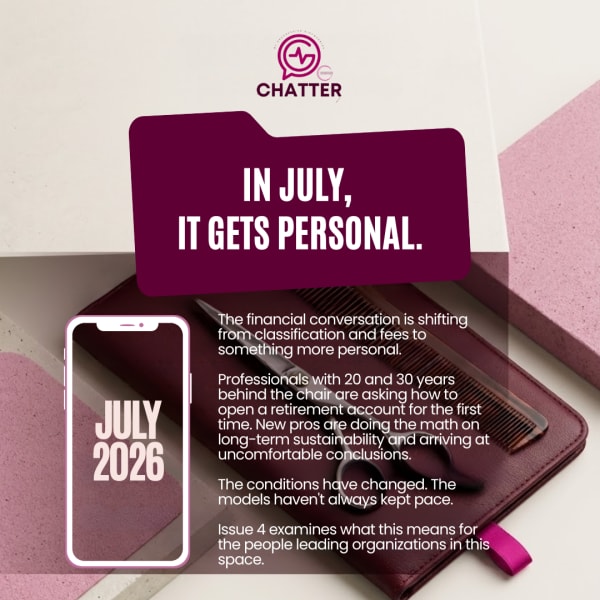
As part of our ongoing commitment to sharing resources that help beauty professionals stay informed, we thought it was worth introducing our audience to The Chatter and the unique perspective it brings to industry conversations.
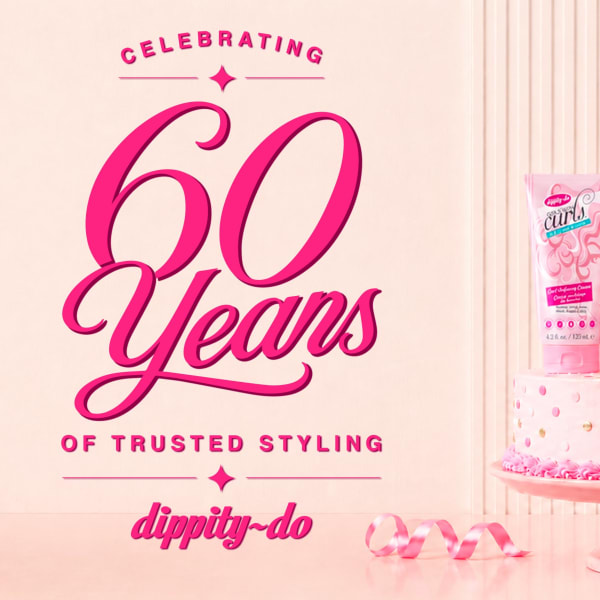
Celebrating 60 years in haircare, Dippity-Do is honoring its styling heritage with its Girls with Curls collection, a reimagined Light Hold Gelée inspired by the brand's original 1965 styling gel.

Covet & Mane has expanded its Pro Color System with the launch of Color Boost Drops, completing what the company says is the first professional color system engineered specifically for hair extensions.
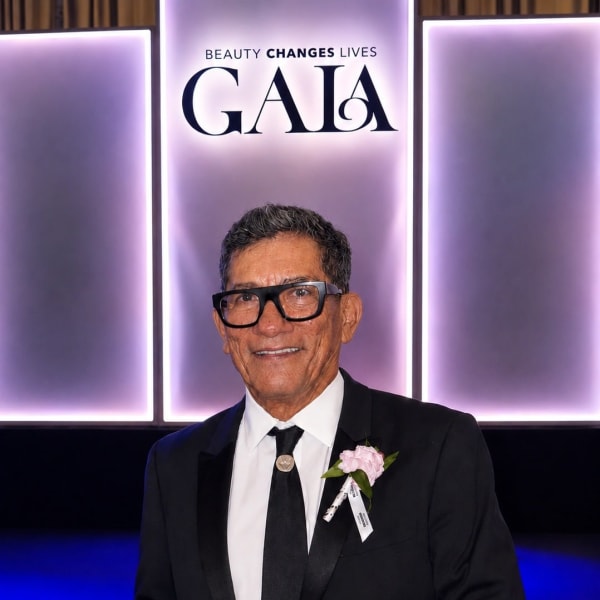
The 2026 Beauty Changes Lives Legacy Award has been awarded to Sam Villa for his trailblazing contribution, advocacy and mentorship that has profoundly transformed and elevated the professional beauty industry.
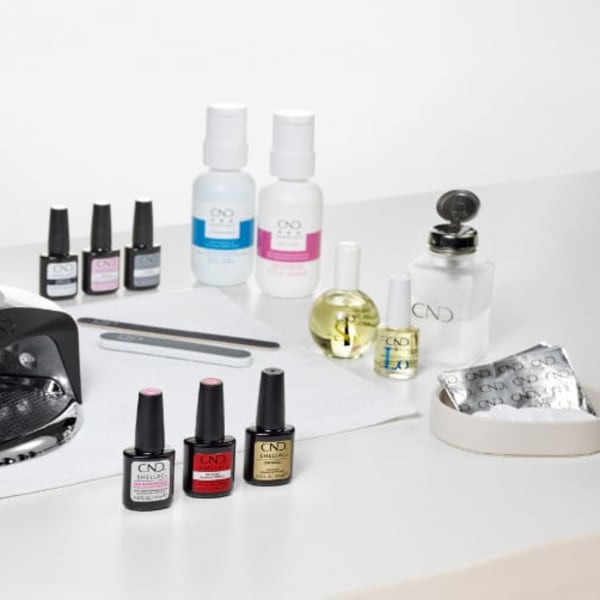
CND is relaunching its SHELLAC system with a new CND Visible Light Lamp, updated packaging, and an expanded shade offering.