





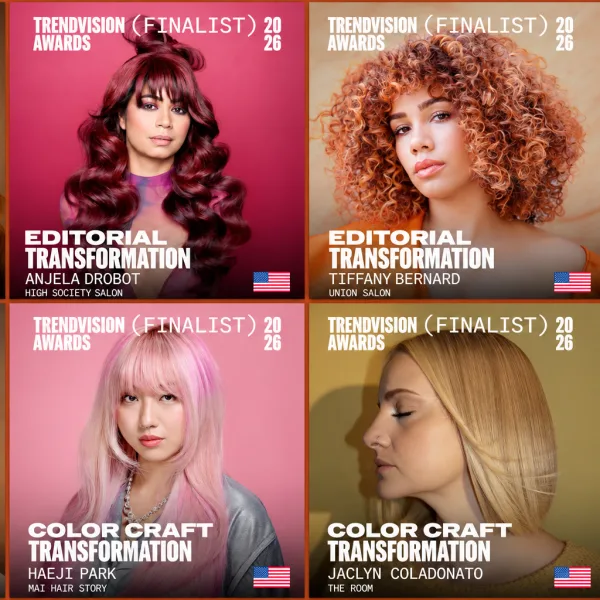
Wella Announces the Finalists of Wella Trend Vision Awards
This year’s awards centered around the Monochromatic trend, which is rooted in minimalism and intentional by design.
by Anne Moratto
 MENU
MENU SEARCH
Cosmetologists are not receiving the level of training they were getting even two years ago. Here's why and what salons can do about it.

Lori Fudens
Between the pandemic lockdown and states' new tendency to reduce the number of required training hours, salons are bringing on new hires who are not as well trained as in the past. These gaps affect professionals just graduating from cosmetology school as well as stylists who are reentering the industry after time away.
The pandemic has impacted salons in two ways. First, the 2020 lockdown meant that a whole group of stylists missed the opportunity for in‐person, hands-on training. At least now cosmetology schools are open again, and salons are back in business.
Second, as salon owners try to maintain a safe, healthy environment for staff and guests, many are limiting the number of people in the salon at any given time, maintaining distance between clients, and establishing safety protocols. These limitations mean that owners may have to balance maintaining the business with training new hires and, in some cases, decide between the two.
It’s a lot of responsibility, commitment, time, cost, and effort to mentor and educate a new stylist who is a recent cosmetology graduate. Even stylists returning to the job after an extended break often need supervision and to “deep-dive learn” into certain subjects to ensure that they are meeting the salon owner’s standards in providing services.
For newer stylists, self‐confidence is at risk without proper leadership, which can cause a high rate of career dropout. Without adequate attention or lead staff to help them, the new hires can become frustrated and quit. High turnover creates even more problems for the salon owner. Bottom line: the salon’s overall earnings is impacted.
The possibility is increasing for a customer to walk into a salon and receive services from an unlicensed person. New state government regulations that significantly cut the number of training hours required to be a cosmetologist or barber are sweeping the country. California, Texas, and Vermont have already reduced the number of hours required for licensure, and other states are considering similar legislation to lower or even eliminate the hours required to get a cosmetology license.
For many years, in most states the standard was 1,600 hours required to become a cosmetologist and 1,500 hours for a barber. In 2014, Pennsylvania was one of the first states to diminish state‐required training. In 2019, Texas followed by reducing required hours to 1,000. Today, Indiana’s proposed House Bill 1364 would eliminate state licensing requirements for barbers, cosmetologists, estheticians, and nail technicians, and California’s Bill SB 803 would eliminate the hands‐on exam and reduce required training hours to 1,000 for licensure.
Some states that are reducing training hours are simultaneously developing new 600‐hour programs that train stylists in cutting and styling services only. While any additional programs are a step in the right direction, these basic-service courses ignore other highly requested services such as coloring, Balayage, color correction, and chemical straightening.
The reduced training requirements are designed to enable more workers to enter the profession, but there are unintended consequences. With inadequate training, many stylists will become frustrated in their new careers, and already struggling salons will be forced to dedicate increased staff training time to undereducated professionals.
Also serious is the risk of bodily injury. A clumsy mistake or lapse in judgment by an inadequately training professional could cause personal injury either to the client or the stylist. Tools of the trade such as shears, scissors, trimmers, and razors must be sharp for precision cutting and, therefore, can be dangerous in unskilled hands. Curling irons and hair straighteners can cause burns or scars. Strong chemicals for coloring, bleaching, straightening, or perming hair can cause hair breakage, scalp burns, severe hair damage, or allergic reactions.
As if the potential for bodily harm is not scary enough, improper training could lead to legal action in cases of hair damage or bodily harm. Lawsuits would prove more costly to the stylist or the salon owner than additional hours of education and hands‐on experience.
Salons are left to minimize the various risks to the industry caused by diminished training. Through their own programs, mentorship and apprenticeship, they can help to fill the gap.
In addition, virtual training has changed the way companies in many industries are training their employees, and cosmetology is no exception. Modern digital education is available to stylists with just a smart phone or iPad. Remote training ranges from webinars and zoom meetings to discussion groups and online classes. Students can benefit from watching carefully crafted videos. Add to that an exact checklist of doable actions to demonstrate, and you can train someone faster than ever. Hairstylists can access exactly what they need to learn in order to master what matters in the beginning of their career or to reenter the salon industry.
The author, Lori Fudens, is a stylist, trainer, salon owner and owner of Infinity Hair Training, a company that makes available Fudens's Hairstylist Accelerator Program to provide new hairstylists and veteran stylists who are returning to the salon with an opportunity to learn more on their own. The program's modules and checklist of actions build confidence and skill in the craft while addressing both basic and advanced techniques as well as soft skills such as planning and managing social media. The program is intended to complement any other training program the salon uses.
This year’s awards centered around the Monochromatic trend, which is rooted in minimalism and intentional by design.
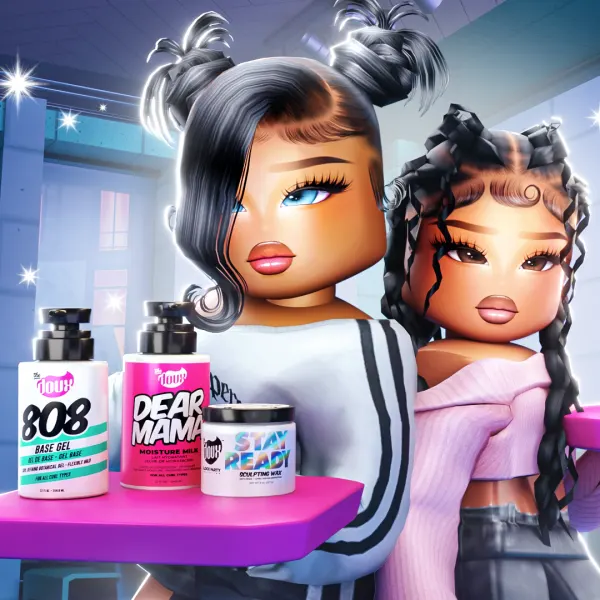
Haircare brand The Doux has launched “My Salon Empire,” a free-to-play salon management game on Roblox, helping the next generation celebrate the diversity of textured hair and explore salon entrepreneurship.
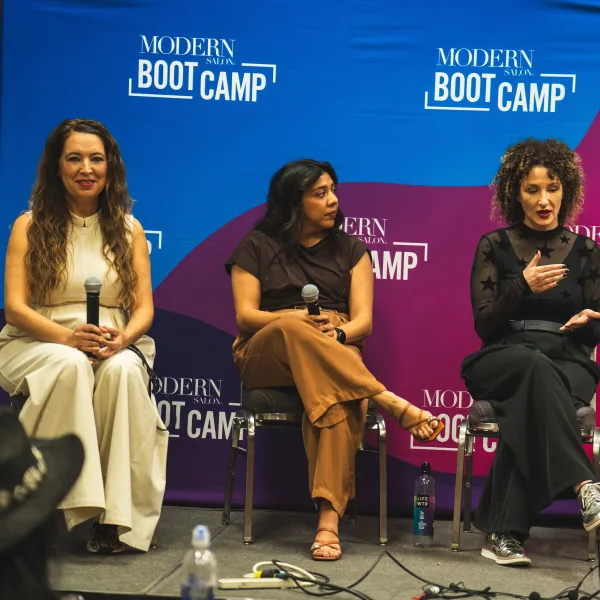
The show reported 30% attendance growth. It felt that way. This event for the southwest professional beauty community had heart, spice, and something for everyone.
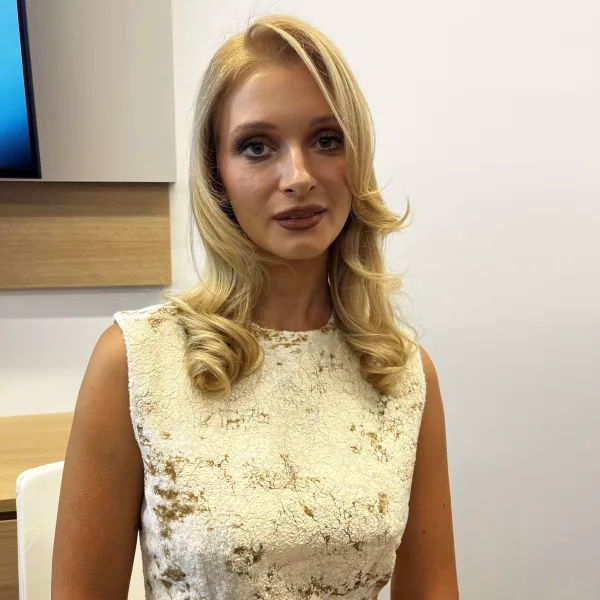
Wella artists presented the Monochromatic trend movement, introduced new Pure Perfection color and Sebastian styling innovations, while the Wella team created interactive fun throughout Wella Studio in Los Angeles.

Dominique LyVar, an influential educator and artist, is remembered by those who loved him for his significant impact on the industry and contributions to the community.
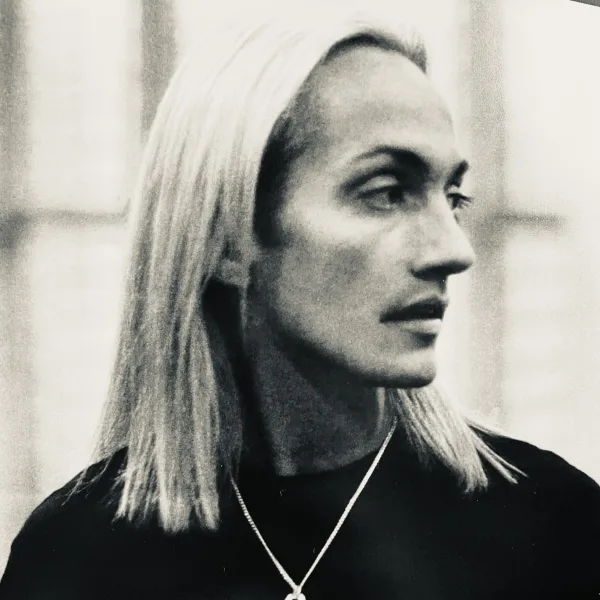
Known for his buttery blondes and a technique for highlighting hair with more precision that he called chunking, Brad Johns died on August 27. His friend and fellow colorist, David Stanko, shares thoughts on his talented colleague and close friend.
As technology evolves at an accelerated rate, you want to make sure you have the best in your business toolkit to help you grow sales, motivate your team, communicate with your current and future clientele, and streamline your managerial tasks. The 2026 SALON TODAY Technology Solutions Guide is designed to help you navigate today's growing landscape of salon and spa technology. In this guide, you'll find a curated look at more than 50 of the latest software platforms, digital solutions, and innovative features to help you compare options and identify the best fit for your business.

The Davines Edit reflects the brand’s passion for people and planet.

RÜTE Wash introduces a shower cap designed specifically for crown washing, helping clients with hair extensions cleanse the scalp while protecting the lengths from water.
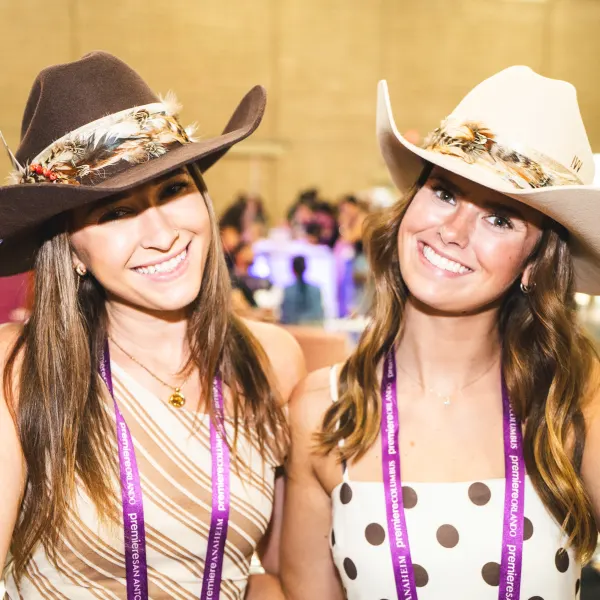
Premiere San Antonio Presented by SalonCentric returns for its fourth edition August 30-31 at the Henry B. González Convention Center, delivering its biggest and boldest event to date.

One-Day Personal and Professional Development Education Event for Beauty Professionals Set for October 25, 2026, at the Hilton Philadelphia City Avenue.
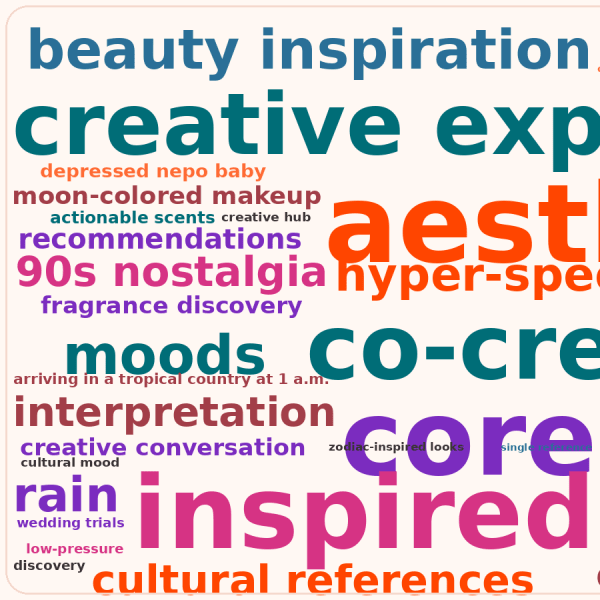
According to the report, people are moving away from copy-paste trends and toward community, using real experiences to develop a sense of taste and beauty that reflects who they are.

Hairstylists and barbers can showcase their creative and technical vision in two global categories with cash prizes and a chance to represent in Portugal.
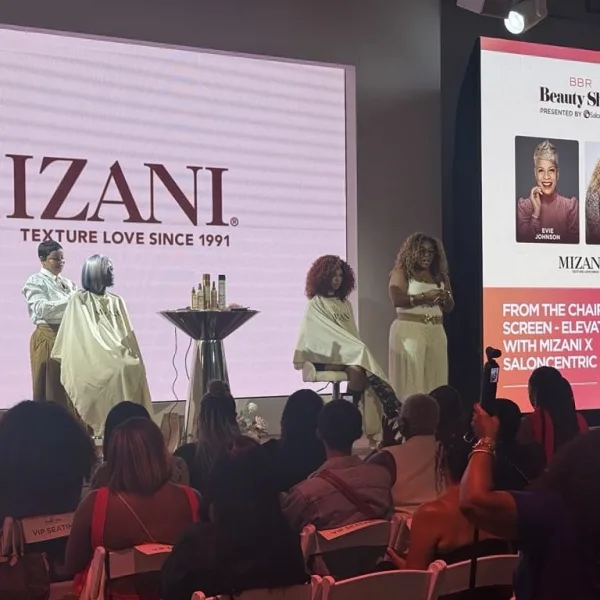
The BBR Beauty Show featured a prominent speaker lineup including Lacy Redway, Karrueche Tran, Danessa Myricks, Chelley B., Sabrina Elba, Jessica Harris-Dupart, and more.
The Professional Beauty Association and Pivot Point team up to develop an ongoing study that measures the confidence of salon owners, stylists, school owners, and students.
This shared recognition celebrates the strength of industry collaboration in advancing professional mobility.
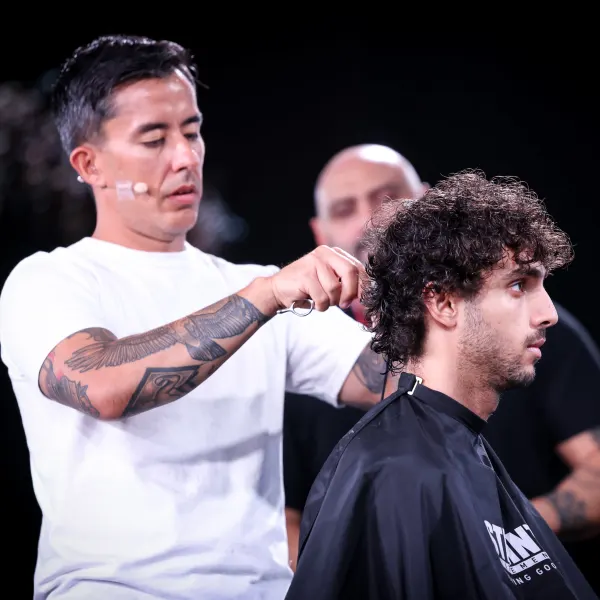
In Dubai, a salon visit isn’t an appointment. It’s a weekly routine, and clients can spend $800 to $1,400 a month on it, according to Gaurav Tripathi of MADI International. On October 6-8, 2026, the market behind those numbers opens its doors as Beautyworld Dubai marks its 30th edition at the Dubai World Trade Centre, bringing together distributors, brands, stylists and salon owners from all over the world.
Sponsored by BeautyWorld Dubai