




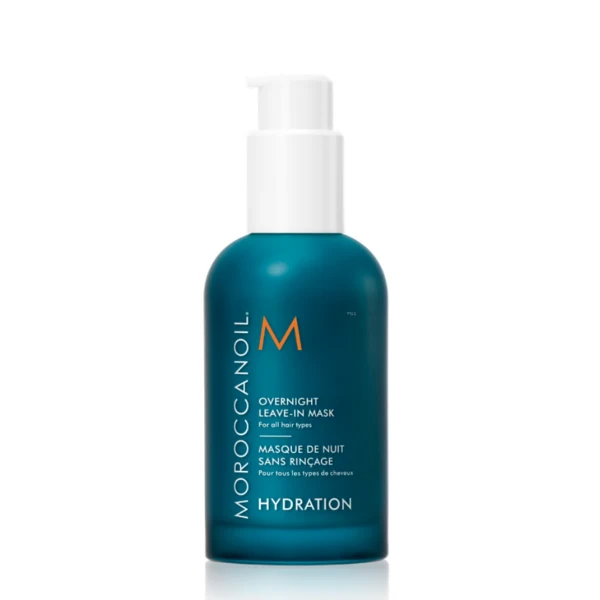
Moroccanoil Introduces Overnight Leave-in Mask: The Ultimate Treatment for Deep Hydration and Lasting Smoothness
Moroccanoil's new hair mask features innovative vegan snail mucin to help seal in moisture and smooth hair overnight.
 MENU
MENU SEARCH
Kenny Duncan, United States lead educator for Andis and owner of Mane Attraction Unisex Salon in Philadelphia, shares his tips for the perfect fade.
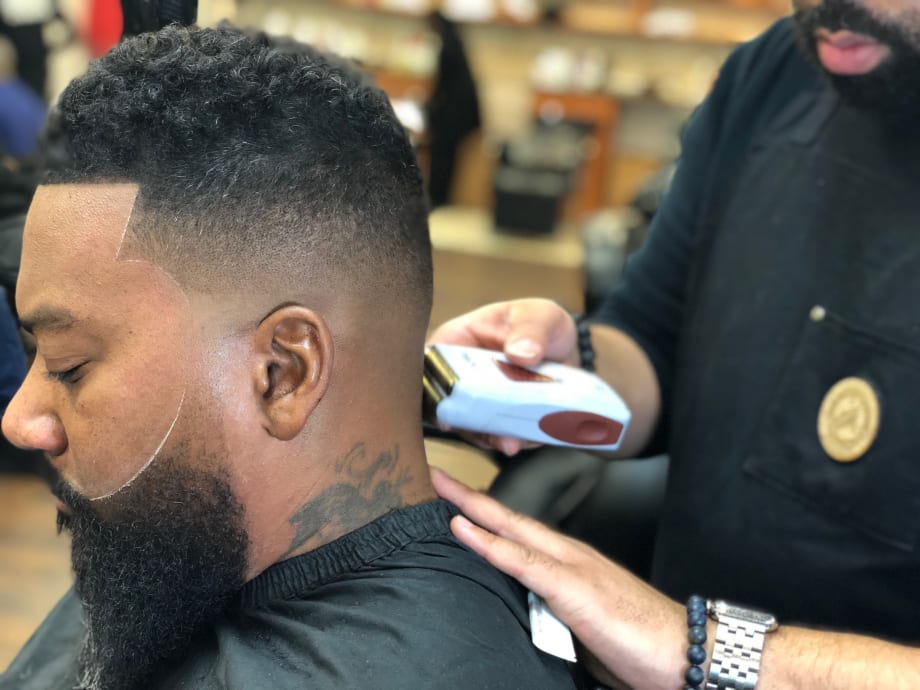
Kenny Duncan uses the Andis ProFoil Li Shaver for an ultra-smooth bald fade.
Most men’s haircuts typically include some form of a taper, where the hair will be closer on the sides and back and longer in the crown. When a man requests an extremely close, almost bald, cut on the sides and back of their heads, the taper is called as a fade. Kenny Duncan, United States lead educator for Andis and owner of Mane Attraction Unisex Salon in Philadelphia, shares his tips for fading.
To achieve an aggressively close, tapered fade haircut, specific tools are needed for a quality cut. Every adjustable blade clipper can cut close enough for a fade, but not every clipper cuts close enough to produce a bald fade. Most hair professionals will use either attachment combs or the clipper-over-comb technique to blend hair from 2.4 mm up to the desired length at the top. The most important section for fading is between bald and 1.2 mm of hair. The closest-cutting clipper will leave the hair at .2 mm, which would feel like very short stubble. To remove the stubble, opt for a shaver or razor for an ultra-smooth finish. Duncan uses the Andis ProFoil Li Shaver to shave the hair bald.
He says, “When the shaver is used with the C-stroke motion to blend, the hairs can be cut down to about .2 mm. Now to blend from .2 mm up to 1.2 mm, I use the Andis Fade or the Andis Fade Master, both of these clippers have the ability to leave hair between .2 mm and 1.2 mm depending on whether the adjustable blade is closed or all the way open.”
Moroccanoil's new hair mask features innovative vegan snail mucin to help seal in moisture and smooth hair overnight.
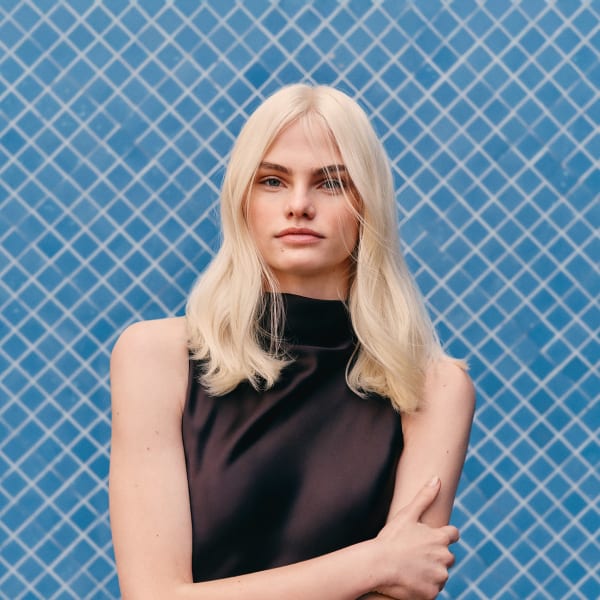
Are your blondes feeling blah? Give ’em a lift with LightDimensions SilkLift Strong
Sponsored by Goldwell
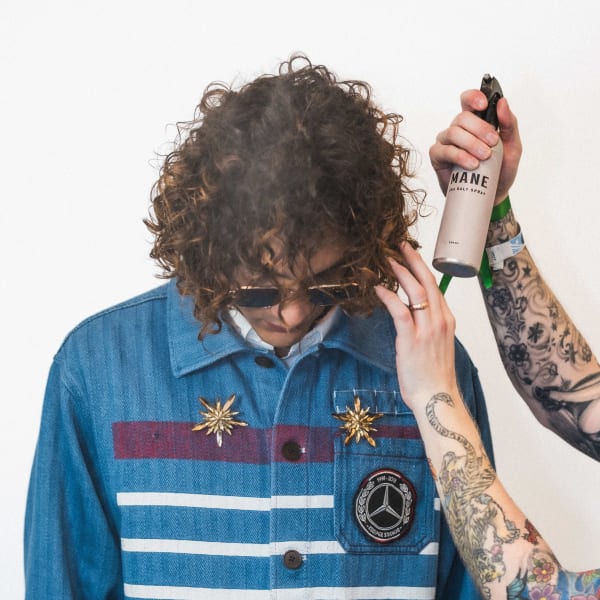
Renowned international session stylist, Richard Phillipart chooses sustainable styling brand to create 48 unique looks celebrating natural texture and individuality.
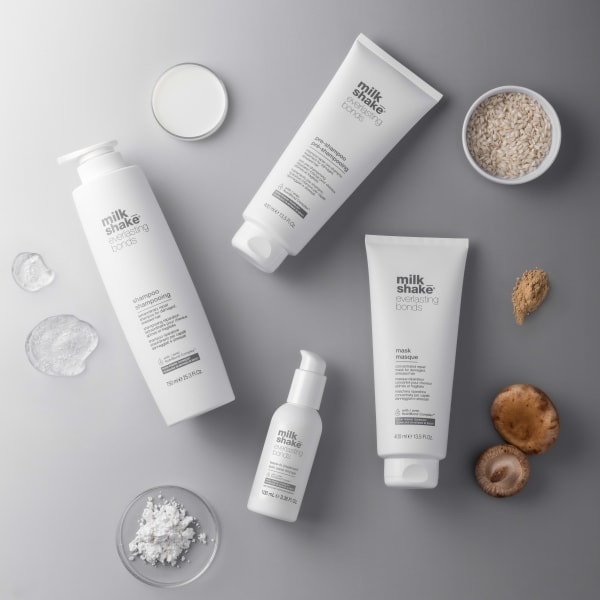
milk_shake everlasting bonds, the new professional bond repair system, is formulated to rebuild the hair’s structure while delivering softness, shine and effortless manageability.
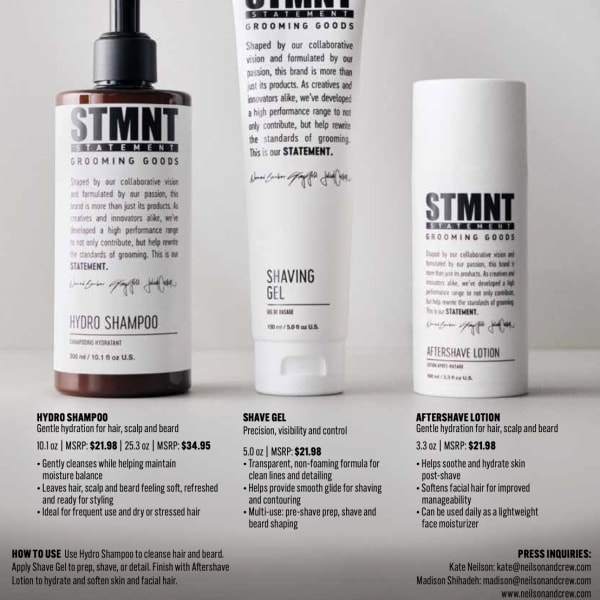
STMNT Grooming Goods is expanding into the shave care category with three new additions to its lineup.
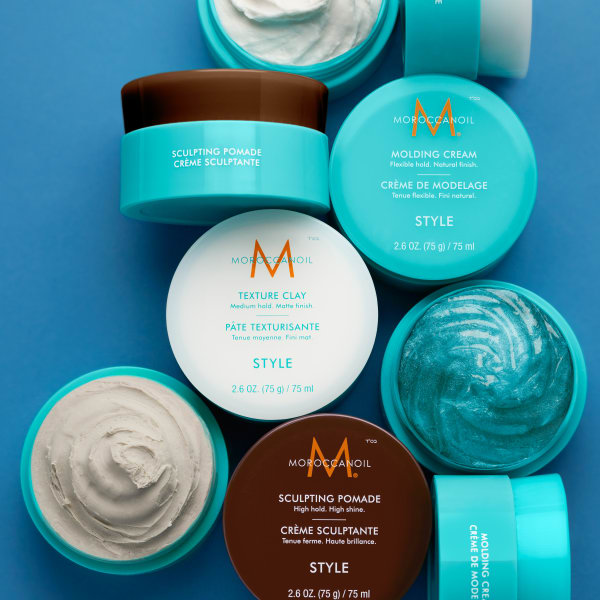
The launch of Moroccanoil's Sculpting Pomade highlights a renewed focus on styling within the brand’s iconic haircare lineup, advancing the category with elevated formulas, refreshed packaging, and a clearly defined trio of styling essentials.

Curl Cult founder Janine Jarman, a hairstylist, salon owner, educator, and product creator, is opening a community investment round that gives hairdressers and clients the opportunity to own a stake in the company they helped grow.
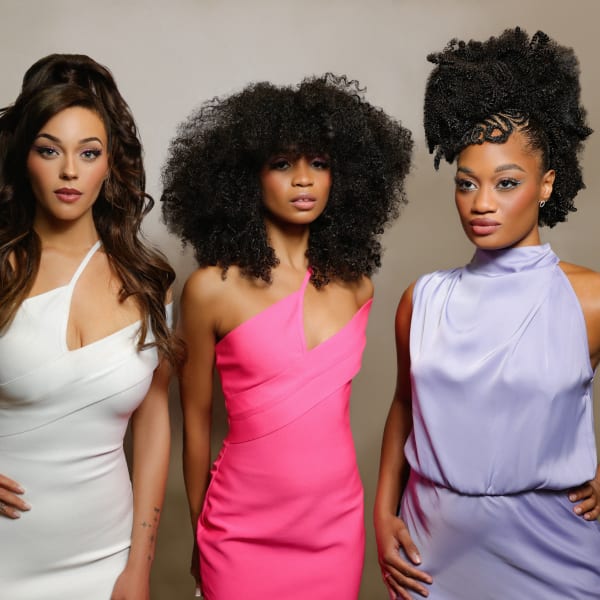
With Structured Texture: Runway Shapes, Real-World Textures, Monae Everett wanted to bridge the gap between high-fashion hair and the real textures stylists work with every day.
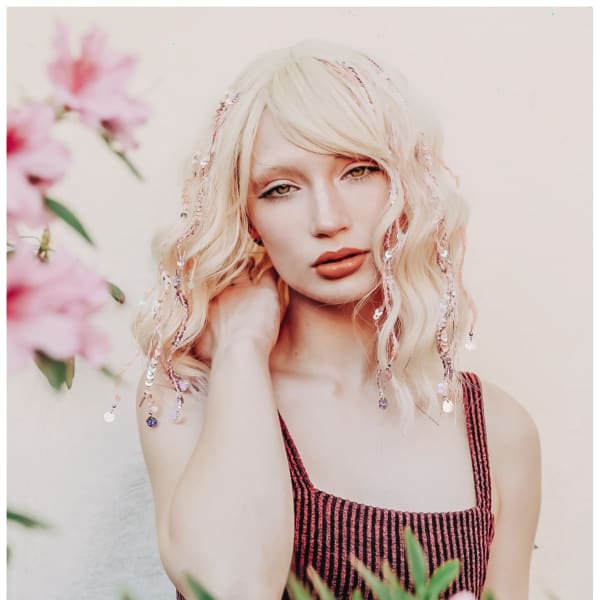
Bee Sam’s VanStrands blend shimmer, color, and customization into a trend-forward enhancement designed for modern salon clients.
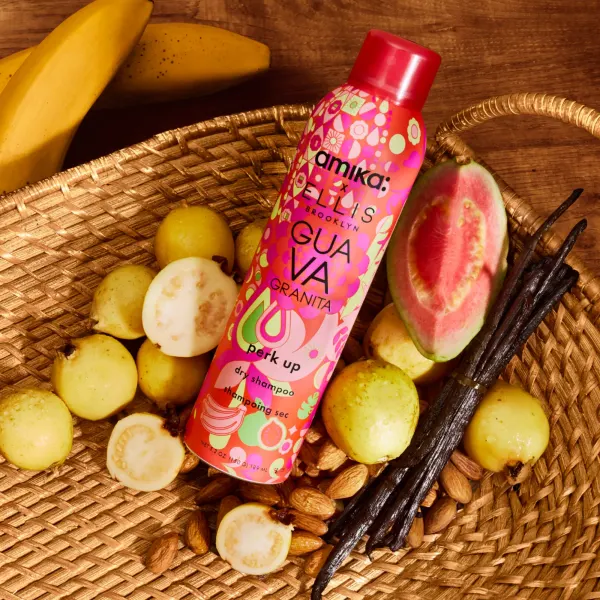
Perk Up Guava Granita Dry Shampoo is a juicy new launch from amika that puts a tropical twist on their bestselling dry shampoo with notes of guava, banana and vanilla inspired by sunshine, smoothies, and vacation energy in a bottle.
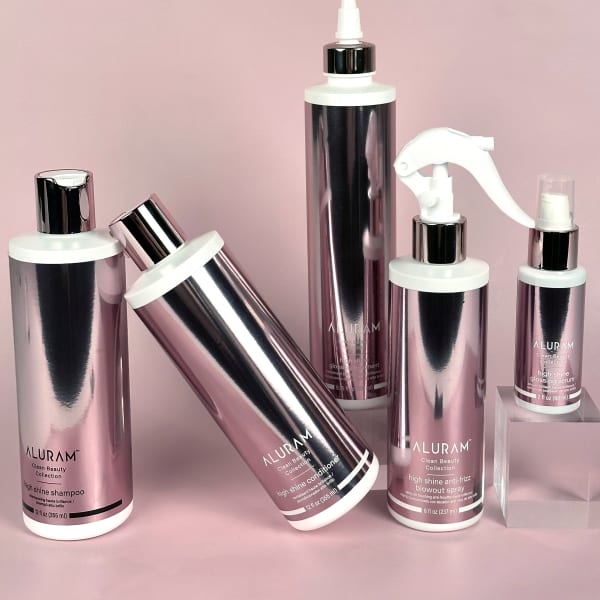
Shine Time: Aluram’s High Shine Line Delivers Moisture and Shine with Clean Ingredients
Sponsored by Aluram
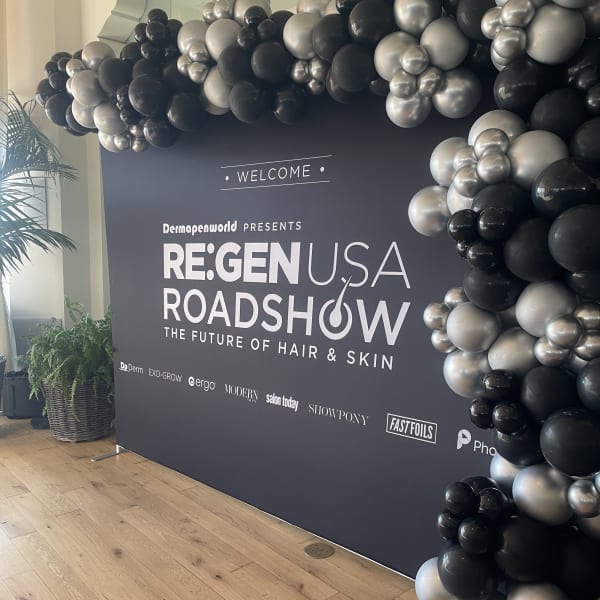
After a nationwide roadshow, DermapenWorld leaders share their biggest insights on the growing demand for hair loss solutions, and why education, empathy, and community are driving the conversation.
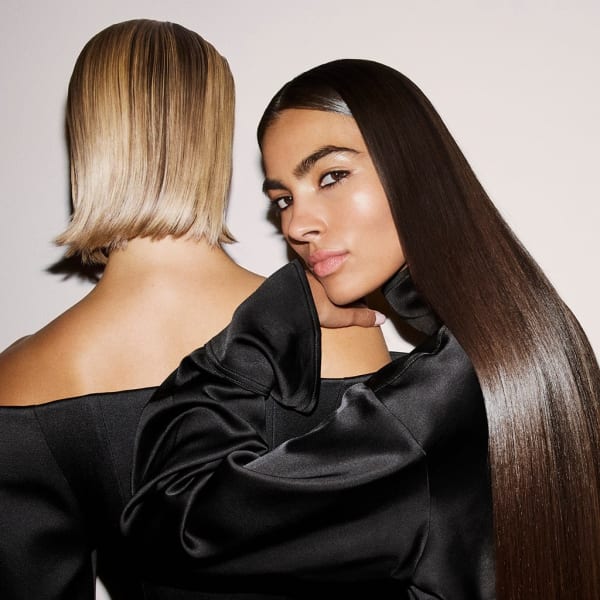
Oribe introduces an essential new addition to its iconic styling collection: Supershine Smoothing Wax Stick, designed for seamless styling.
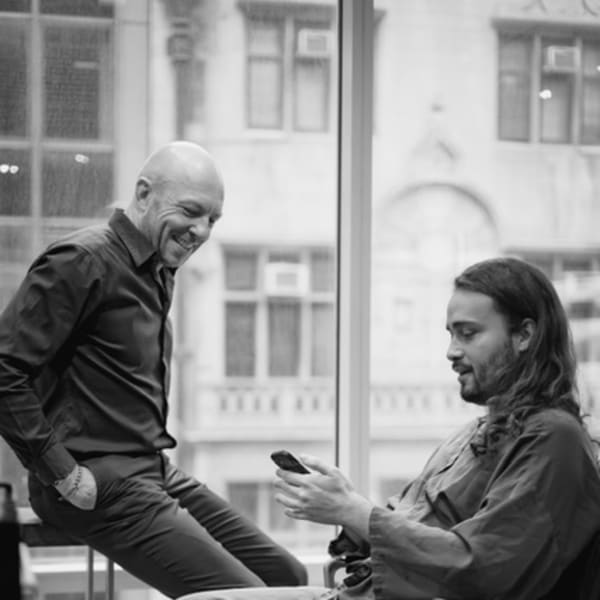
The Paul Labrecque Salon salon is finding success --for stylists and clients, alike--offering scalp care and specialized treatments. MODERN spoke to Moine about how this focus meets an important need and drives client loyalty.
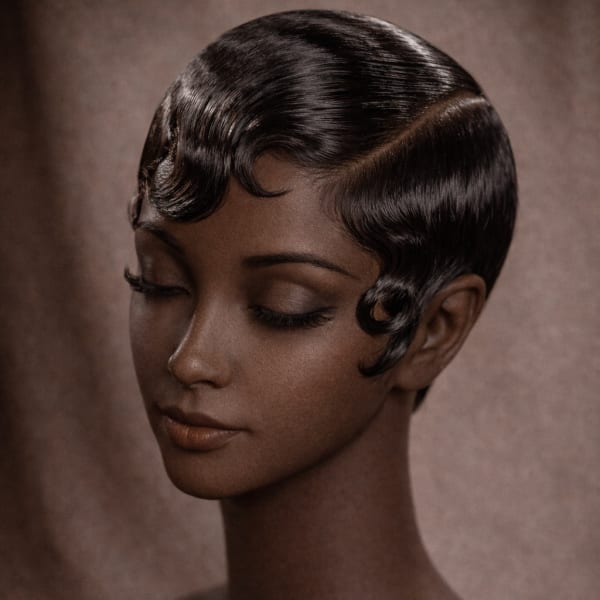
Before the pixie cut became a Hollywood symbol of modern femininity, it was already living, breathing, and evolving in Black culture. Texture expert and Moroccanoil Global Color Ambassador Greg Gilmore gives us an overview of the iconic Black women who popularized the pixie over the past century.

Romantic goth hairstyles are trending for 2026, and these Sebastian Professional artists have long anticipated the look.
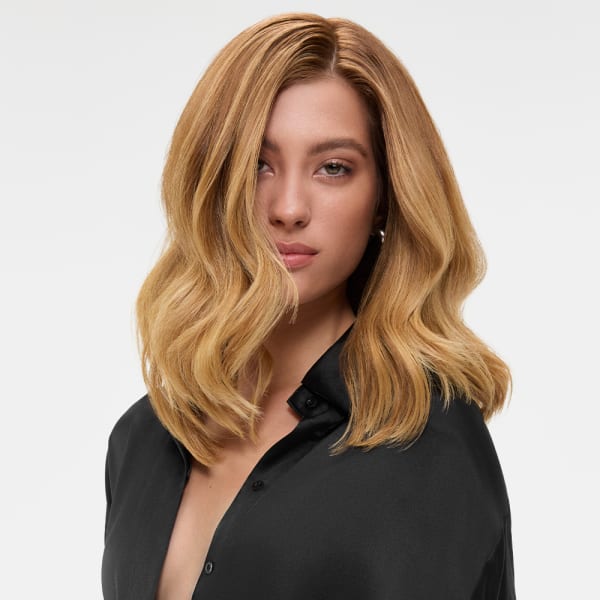
Less frizz. No restrictions. Up to 3 months of smooth. Wella Professionals' SmoothFiller is the smoothing service your clients (and your revenue) have been waiting for.
Sponsored by Wella