Climbing Out of Burnout: How One Hairstylist Got Unstuck
Feeling pressure to perform, to say 'yes' to everything and to work when completely uninspired led this stylist to feel stuck and burnout. But she climbed out of burnout and wrote a book about it.
Anne Moratto・Director of Brand Content Strategy, MODERN SALON and NAILS
“Stuckness” might not be an official medical diagnosis but burnout is. Feeling burned out, uninspired and perhaps afraid can create a feeling of being stuck in your circumstances, with no light at the end of the tunnel. But the old saying, “the only way out is through” might apply to the journey undertaken by hair artist Roxie Jane Hunt (@roxiejanehunt), who, at different points in her life, found herself feeling hollowed out and unhappy but not sure what to do about it. Eventually, though, she found a way forward and initiated a change in a healthier direction.
The Getting Unstuck Journey
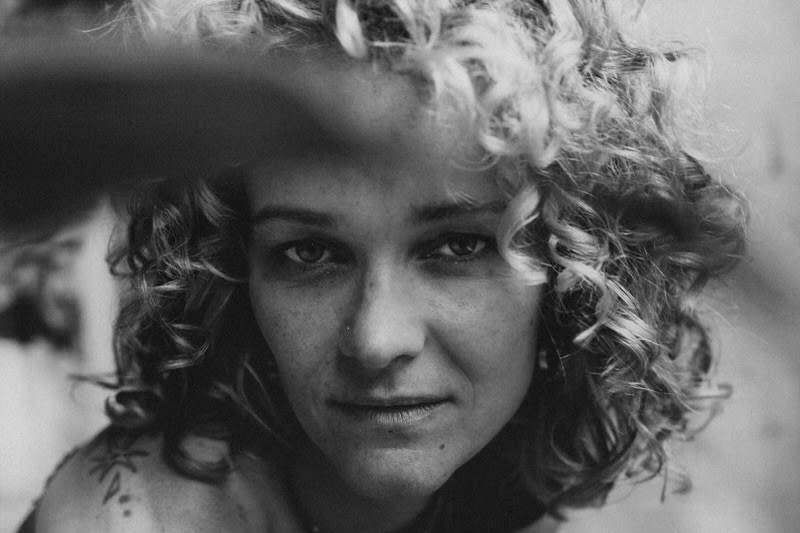
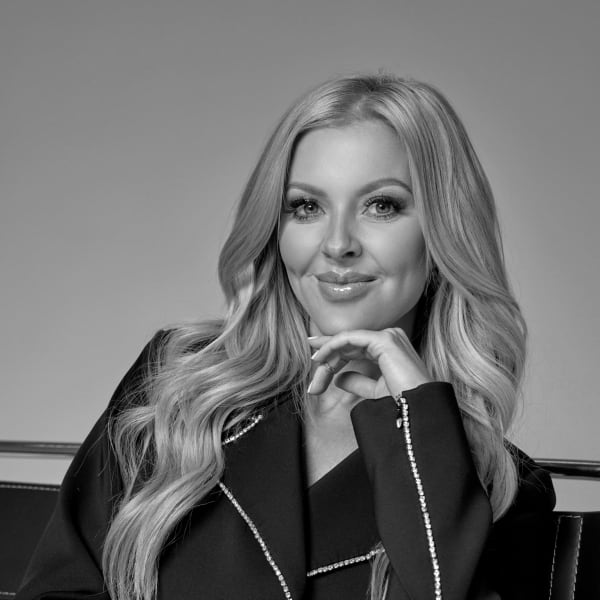
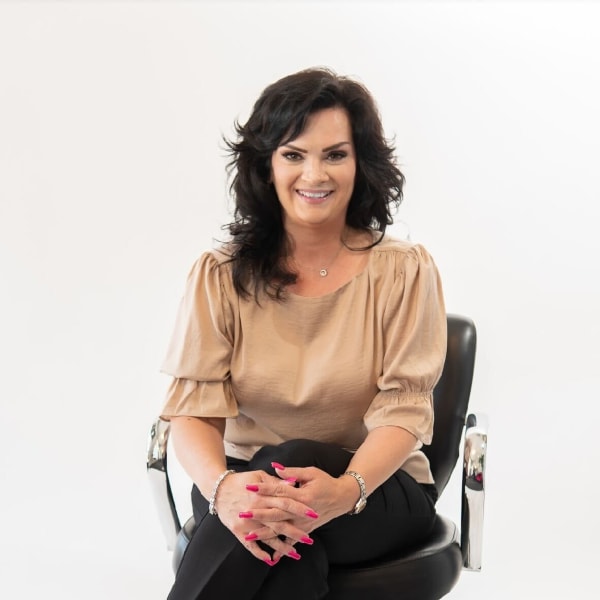
In addition to her work as a hairstylist, Hunt (shown above) is an artist, writer and Founder of the Free Your Hair movement. She debuted her first book, UNSTUCK: Magic + Method for Stepping Into Your Worth, this January. Hunt says the book is for working creatives who want to feel more ease, freedom, and purpose in their lives and is a blueprint on how to initiate change from the inside out.
Ad Loading...
But every journey begins with those first steps. In a phone conversation with Hunt, we heard a story of someone born to be an artist.
“I had my hands in people’s hair from the time I was five or six, braiding and playing with it," Hunt describes. "When I was 16, I had a school counselor who said, I see you doing haircuts every lunchtime and I see you’re also failing your classes, so why don’t you go to cosmetology school.”
It was the right place for her, and when she launched into her career, she did editorial work and also built a clientele doing hair parties. One of her early mentors was Victoria Gentry at Vain Salon in downtown Seattle. “In those important, formative years, she taught me how to cut hair in a different way, how to be with people in a different capacity, and the art of a really good consultation. She broke all the rules of what I had learned in my beauty education in a very good, and intuitive way.”
With her skills and her confidence sharpened and strong, she launched into the busy life and schedule of a hairstylist—and about five years in, experienced her first bout of burnout.
“I was tired all the time, I felt like I was bad at what I did, and I didn’t know what was up,” Hunt says, describing the experience. “All I could think was that the salon culture I was in felt toxic to me and I was not able to work at a pace where I was able to do my best work. Looking back, the pressure to just keep going and to fit as many people in as possible and just to crank them in and crank them out, my art form had lost its creative edge and its meaning.”
Ad Loading...
Also having become a Mother at this time, she quit the salon job and started doing haircuts at home. “I had this great hutch and I would open it up and make a salon parlor in the living room, until my kids got home. Long term, I knew I didn’t want to work out of my living room but I was a bit desperate and I know it was temporary.”
As she continued to work this way, enjoying the convenience and the ability to work at her own pace, she identified possible contributors to her feelings of burnout. “There wasn’t that noisy culture around me of never taking break. Also the backroom culture—the competition and cattiness—was gone. I think those conversations perpetuate harm on stylists and clients.”
Getting Unstuck Through Creativity
During this time, Hunt carved out space in her schedule for some creative discovery.
“I had visions of what I wanted to do with hair color but I had never been able to experiment and take time to do that,” Hunt explains. “I rented this little art studio where I brought all my color and I started to play with wefts of hair, pulling all these techniques from the fine art world—stenciling, spray, different ways of mixing—and I got really excited about what I was discovering.”
When she started to share the results of her creative exploration using the hashtag #freeyourhaircolor, Jayne Edo of Edo Salon in San Francisco noticed—and asked her to come teach these color techniques to the team at Edo.
Ad Loading...
“ And I said, I’m not a teacher but I can show you what I know and what I’m playing with.” And she did. “We had this highly imaginative, very collaborative and really fun session. After, Jayne said this class helped change the culture in their salon. She also said, you have to keep teaching.
“Looking back, I realize now that this was me climbing out of burnout,” she says. “Having an outlet to practice my skills was so important. A lot of us get into doing hair because we’re artists, but it’s easy to lose that when we are in a culture of pushing and pushing and being overaccommodating. Without creativity, things can get stuck and we lose meaning.”
How to Get Unstuck and Initiate Change
When talking to other artists about her journey, she encourages them to put one day a month aside for rediscovering their art.
“Once a month, take time to commit to being creative. If you can, even take a half or full day for your creative pursuit with hair. Oh, and find your muse. I have about ten of them, clients and friends, who I can call on and they are always down to experiment.
“But you don't have to be working on a client. Maybe you're using a mannequine and you’re braiding, or you're coloring a weft and it scratches that itch of that curioisty you have about hair,” she continues. “It will pay off, I promise, tenfold, because you will develop something new that you can use on a client. The creativity is part of healing from burnout.”
Ad Loading...
Hunt says banishing burnout also required her to remember the why she worked with people and the impact a stylist can have to help transform a person’s life.
“There is that cliché we have about the breakup cut but there is so much to it. People have been using hair as an initiation for ages—new hair can propel them—and we as hairdressers have a role in helping to facilitate change. People know when they come to me, they can try something new. I say, what haircut do you need to bring in that change? And then every time they look in the mirror, they are reminded of the commitment that have made to themselves to get sober, to move across the country, to end a toxic relationship.”
Hunt has a self-paced online course called The Alchemy of Change. “It’s how to work with initiation and ritual in your services.”
Of her book, Unstuck, Hunt says, "It is a living seed. Plant it in yourself. Let it come to fruition. Sow new seeds and share them. My deepest prayer with this book is that it can be an irresistible invitation for you—and by extension, your community—to get to know and share your unique medicine right now.”
Anny VanDriel, owner of Be Rosie Salon and creator of Pricing Isn’t Personal, volunteered to share a pricing presentation to beauty school students a year ago, and ended up learning more than she expected.
From the launch of the Ulta BeautyArtist Collective to the evolution of Trendspiration, celebrating stylists is what The Salon at Ulta Beauty does best.
With more than four decades in the industry, hairdresser and MODE Education founder Stan Newton has built a career around the art and discipline of cutting hair, learning the rules so he can break them.
Beauty professionals should evaluate each service based on its popularity, profitability, and alignment with current trends. Conducting client surveys and analyzing booking data can provide insights into which services are in demand and which might be phased out.
LifeSpa leader Ali Yanez explains why strong mentorship, predictable income, meaningful recognition and the right work environment help beauty professionals build careers that last.
Whether a beauty professional chooses a commission salon, booth rental, salon suite or salon ownership, the common thread is having more choices than ever before.
Sport Clips Haircuts will host its inaugural "Level Up Live," a first-of-its-kind virtual event that combines live haircutting education, career inspiration, product knowledge, and employment opportunities for licensed stylists and cosmetology students nationwide.
Orthopedic PT reveals three daily exercises plus ergonomic advice that can help salon professionals avoid the aches and injuries caused by standing, bending and repetitive overhead work.
Salon suite pioneer Karen Kaminski argues that the next evolution of independent beauty businesses won't be defined by beautiful spaces alone, it will be driven by smarter systems that help professionals spend less time on administrative work and more time serving clients.
At a time when many LGBTQ+ people felt compelled to hide parts of themselves, Carlos Valenzuela found a career in beauty and a community that offered opportunity based on what you could do and how well you could do it.
Whether it's social media, fashion, film, art, or culture, Chaz Dean advises stylists to stay aware of what's inspiring people. Take the elements that make sense for you in these five lessons learned through a life in beauty.
For Jessica Domoney, building a successful career isn't about saying yes to every opportunity, it's about protecting your time, investing in yourself and creating an experience clients won't forget.
"The mistake people make is treating AI like a vending machine instead of a personal assistant." Digital marketing expert Scott Moon shares how beauty professionals can use AI while staying authentic
Real-world advice on creativity, consultations, color, burnout, business, boundaries, inclusivity, client care, and career growth from educators and industry experts.
Real-world advice on creativity, consultations, color, burnout, business, boundaries, inclusivity, client care, and career growth from educators and industry experts.