In this expert column, internationally recognized educator Rita Perna Allor shares why beauty professionals are uniquely positioned to educate, support and empower clients, while staying within their professional scope of practice.
Editor's Note
Today's beauty professionals are often asked questions that go far beyond cut, color, and style. Clients increasingly look to their trusted stylist or barber for guidance when they notice changes in their hair or scalp, making scalp wellness an important part of the modern salon conversation. In this expert column, internationally recognized educator Rita Perna Allor shares why beauty professionals are uniquely positioned to educate, support and empower clients, while staying within their professional scope of practice.
Expert Insights for Today's Beauty Professional
Over the past several years, I've noticed a significant shift in the conversations happening in salons. Clients are no longer asking only about color, cuts, or styling. They're asking why they're shedding more hair than usual, why their scalp feels dry or irritated, why their hair seems thinner, or why it doesn't feel as healthy as it once did.
What many professionals don't realize is that these questions often have very little to do with hair alone.
For many clients, changes in their hair can affect confidence, self-image, and even their willingness to socialize or have their picture taken. Hair is deeply personal. It influences how people see themselves, and when something changes, they are often looking for reassurance just as much as they are looking for answers.
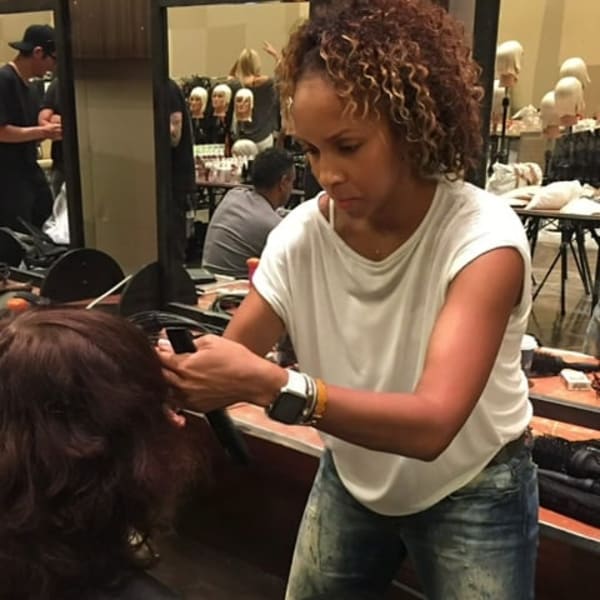
As beauty professionals, we're in a unique position. While we're not there to diagnose or treat medical conditions, we are often the first person a client trusts enough to mention that something doesn't feel right.
That trust is incredibly valuable.
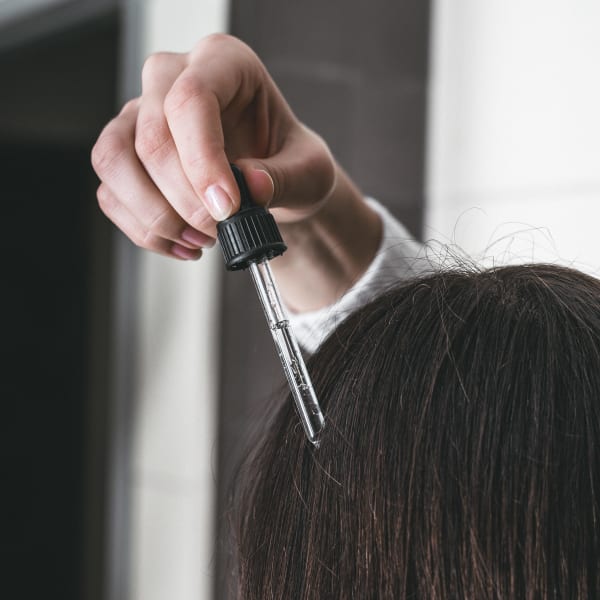
You don't have to be a trichologist or medical professional to talk about scalp wellness. Your role is to observe, educate, listen, and recommend professional care that supports the overall health and appearance of the scalp and hair.
By making scalp wellness part of every consultation, we elevate the client experience, strengthen relationships, and create meaningful conversations that extend far beyond the chair.
1. Lead with Curiosity and Compassion
The best consultations begin with curiosity, not assumptions.
When clients mention shedding, thinning, or scalp discomfort, remember that they're often sharing something they're worried about. The way we respond can either build confidence or make them feel embarrassed.
Instead of pointing out a problem, invite them into a conversation.
Questions to Ask
- How has your scalp been feeling lately?
- Have you noticed any changes since your last visit?
- Has anything changed with your hair that you've been concerned about?
- Have you noticed more hair shedding than usual?
- Is there anything about your hair or scalp that you'd like us to work on together?
Notice the last question.
The phrase "work on together" immediately changes the dynamic. It lets clients know they're not facing the concern alone.
If You're Not Sure How to Bring It Up
"Before we get started, I'd love to take a quick look at your scalp. I check everyone's scalp because healthy-looking hair begins with a healthy foundation, and it helps me personalize your service and recommendations."
This makes scalp wellness feel like a normal part of every appointment, not something that's only discussed when there's a problem.
2. Observe Without Creating Fear
One of the biggest mistakes professionals make is leading with what they think is wrong.
Instead, lead with what you observe.
As you assess the scalp, you may notice dryness, excess oil, buildup, redness, or areas where the hair appears less dense.
Describe what you see without creating alarm.
Instead of saying:
"Your hair is thinning."
Try:
"I'm noticing a little more scalp visibility in this area than I remember seeing before."
Instead of:
"Your scalp isn't healthy."
Try:
"I'm seeing a little dryness and buildup today. That's actually very common, and there are several ways we can support your scalp."
Clients remember how you make them feel far longer than the exact words you use.
3. Educate with Confidence, Not Complexity
Clients don't need a science lesson.
They need someone who can explain things in a way that makes sense.
One of my favorite ways to explain scalp wellness is this:
"We spend so much time caring for our hair, but we often forget the scalp. Just like healthy soil helps a garden thrive, a healthy scalp creates the ideal environment for healthy-looking hair."
Simple analogies help clients understand why scalp care matters without overwhelming them.
4. Recommend Solutions That Feel Supportive
Once you've listened and completed your assessment, recommend solutions based on your client's goals, not your sales goals.
That might include:
- A professional scalp wellness treatment
- A clarifying service
- Hydration for a dry scalp
- A personalized homecare routine
- Regular scalp check-ins at future appointments
A Helpful Transition
"Based on what we've talked about today, I have a few ideas that could help support your scalp between appointments. Would you like me to walk you through them?"
That simple question invites collaboration instead of creating pressure.
5. Make Scalp Wellness Part of Every Visit
The most successful professionals don't wait until a client expresses concern.
They normalize scalp wellness by making it part of every consultation.
When clients know you'll routinely check in, they begin to view scalp wellness the same way they view skincare—as an essential part of self-care rather than a reaction to a problem.
Closing the Conversation
"We'll take a quick look at your scalp each time you come in, monitor any changes together, and make recommendations as needed. It's a simple way to help keep both your scalp and hair looking and feeling their best."
Those consistent conversations build trust, strengthen loyalty, and often become one of the reasons clients return.
The Opportunity
Scalp wellness isn't simply another service to add to the menu.
It's an opportunity to deepen the consultation, build stronger relationships, and help clients feel seen, heard, and cared for.
In today's salon environment, technical skills will always be important, but meaningful conversations are what create lasting client loyalty.
When we begin every consultation with curiosity, compassion, and education, we're doing more than caring for hair—we're caring for the person sitting in our chair.
About the Author
Rita Perna Allor is an internationally acclaimed educator specializing in hair loss, scalp health and professional beauty education. She is the Partnership Manager-Global Haircare EXO-GROW by Dermapenworld. Passionate about helping stylists and barbers better understand the emotional and physical impact of hair and scalp concerns, she equips beauty professionals with the knowledge, confidence and practical tools to elevate client care, strengthen consultations and deliver meaningful results.