How Top Color Experts Handle Formulation, Gray Coverage, and Client Expectations
MODERN SALON gathered three top educators for a candid, technical conversation on all things professional hair color. Megan Winfield, Adrienne Dara, and Marco Pelusi share their tips on consultations, upgraded services, formulation, and strategies for gray coverage that stylists can implement immediately.
Anne Moratto・Director of Brand Content Strategy, MODERN SALON and NAILS
Professional hair color services continue to evolve, shaped by changing client expectations, product innovations, and a desire for customized services. In this MODERN SALON panel, three educators and colorists—Megan Winfield, Adrienne Dara, and Marco Pelusi—discuss some top-line color questions. From conducting a valuable and instructive consultation to advanced gray coverage and client retention strategies, this Q&A offers up-to-date insights for salon pros from salon pros.
MODERN SALON (MS): Let's start at the beginning of a color appointment. What consultation questions do you ask to ensure you're speaking the same language as your client?
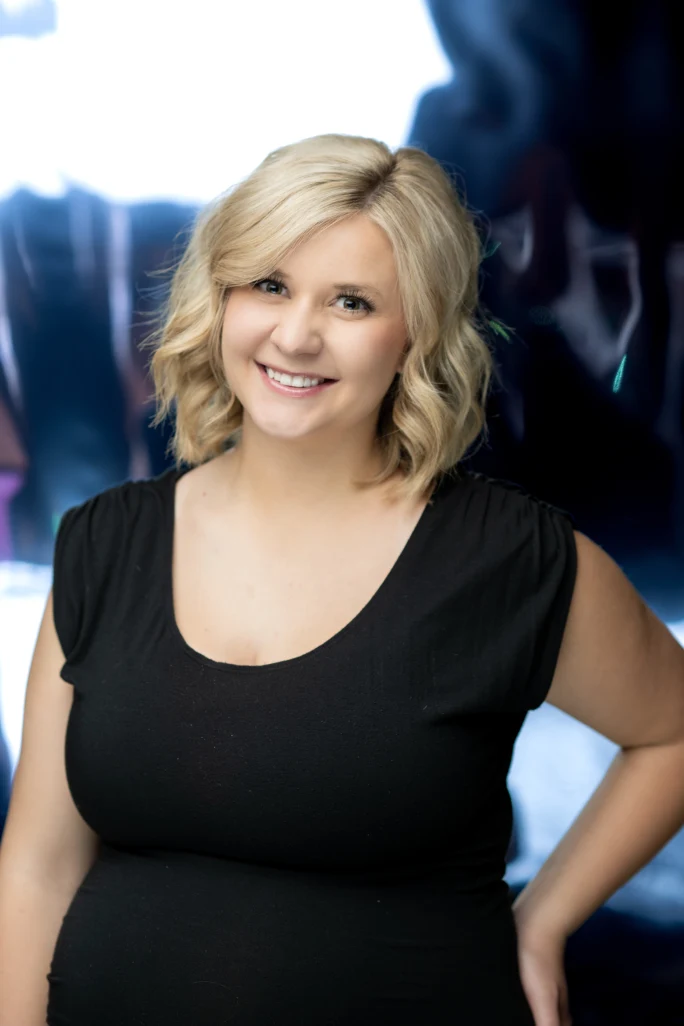
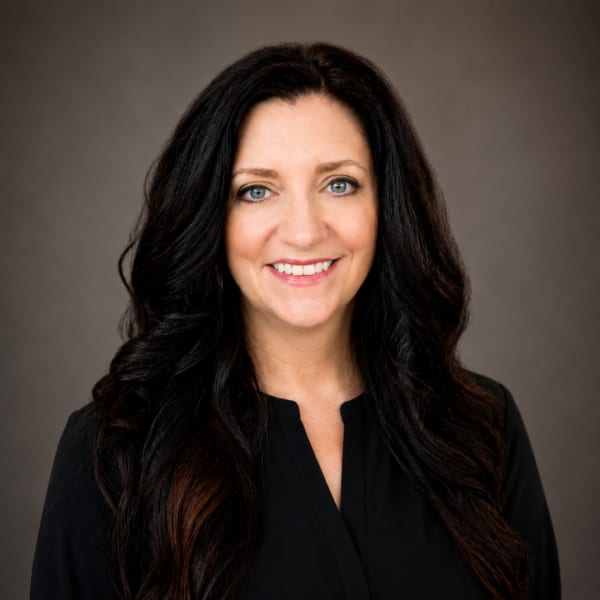
Megan Winfield is a hairstylist, salon owner, and Kenra Professional Artistic Team Member based in Montana. Megan has over a decade of experience specializing in blonding and lived-in color. Since joining Kenra in 2018, her passion for education has flourished. Megan’s dedication to helping others feel beautiful shines through her work behind the chair, in the classroom, and on stage at various events throughout the country.
Megan Winfield (MW): I treat the consultation more like a conversation than a formal process. I always ask what they’re loving and not loving about their hair. That second part is key because it shows how we can improve their experience. Open-ended questions help start a more thorough conversation, and spending five extra minutes upfront often leads to a more successful service.
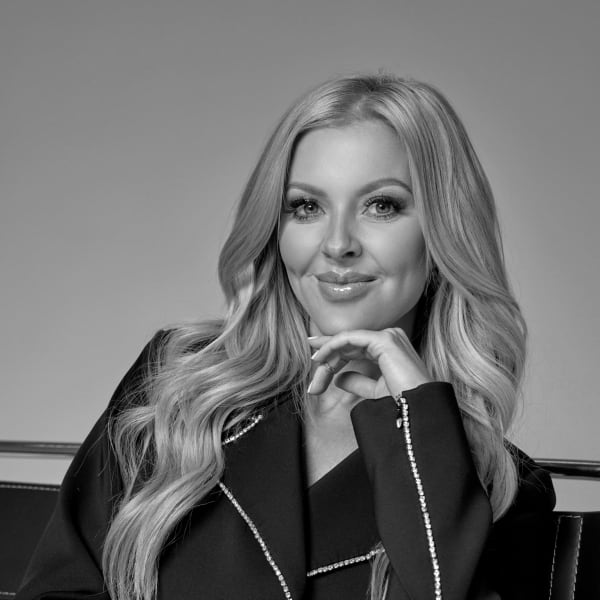
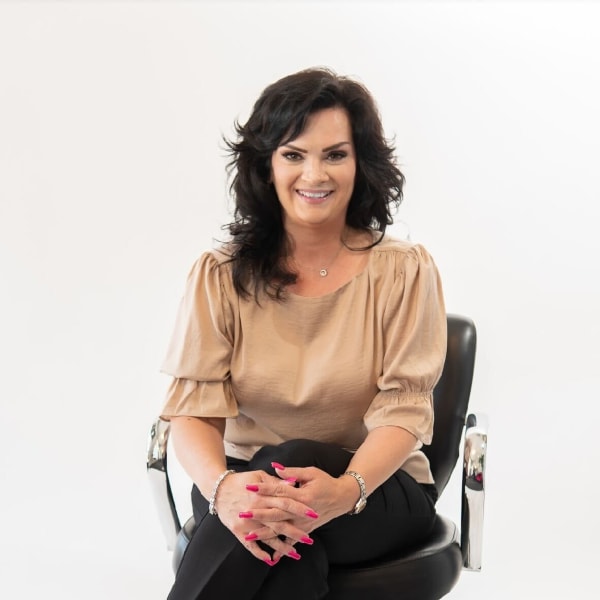
Philadelphia based Colorist, Adrienne Dara, is best known for her bold lived-in blonding techniques. She is a Naha 2025 Educator of the Year Finalist, a SalonCentric Ambassador and a Redken Global Brand Ambassador. She is passionate about helping stylists to grow both professionally and creatively. Adrienne's mission is to give stylists the skills they need to effectively formulate with clarity and to gain confidence behind the chair.
Adrienne Dara (AD): I agree. I want it to feel like a relaxed conversation—not a confrontation. I make direct eye contact and sit beside them instead of standing over them, which can feel intimidating. I use what I call "visual verbiage" to ensure clarity—like asking if they prefer a bold or soft face frame instead of using industry terms like "money piece." Photos are essential too, and I show a variety to identify what tonality the client is drawn to.
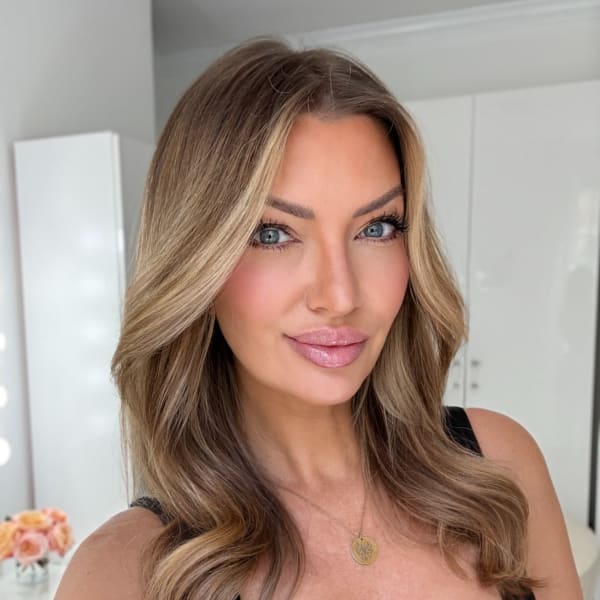
West Hollyood-based Marco Pelusi is a globally recognized hair color authority whose passion for color began in his family’s upscale chain of East Coast salons. Today, he conducts standing-room-only education sessions where he shares expert techniques to help stylists achieve consistently exceptional color results.
Marco Pelusi (MP): My motto: Two ears, one mouth. Listen first. And ask targeted questions like, "What problems did you have with your last color?" That reveals a lot. I also focus on understanding the limitations of the client's hair and managing expectations. I'd rather under-promise and over-deliver than the reverse.
MS:What about customized or upgraded color services? When do you introduce those to the client?
Ad Loading...
MP: I like to offer a six-month plan based on seasonal shifts and the client's needs. For example, in summer, I might suggest highlights to a brunette client. If they're not ready, I’ll revisit the idea later or pre-book the service.
AD: My approach is very budget-conscious. I help clients plan their year—a full service early in the year, partial in the middle, and face-framing at the end. For gray blending, I might bring them in between full services for a zone 1 root application. It’s about crafting a plan that respects both results and budget.
MW: I always outline costs during the consultation to avoid surprises. I also recommend follow-ups, not as optional, but by offering two date/time choices. That way, I lead the conversation. And I always follow up with new guests within a week—it shows you care and builds loyalty.
MS:What are the most common questions stylists ask you in your education sessions?
AD: Formulation. It's a massive, ongoing learning process. I remind stylists that our canvas is never the same—no one-size-fits-all. Give yourself grace.
Ad Loading...
MP: Highlighting technique: Should I slice or weave? How thick should it be? My answer: Respect the client’s hair growth patterns and the shape of the head. Also, slices are stronger; weaves are softer.
MW: Toning and formulation questions come up a lot. Many stylists overcomplicate things. I always remind them to go back to basics: porosity, texture, density, and the color wheel. You can’t fix a level 9 problem with a level 10 toner.
MS: And what about client questions?
AD: "How long will my color last?" I ask about their hair care routine, water quality, and how often they wash.
MW: Same—hard water and product use really impact longevity. That question often leads into maintenance scheduling.
Ad Loading...
MP: Gray coverage is a huge topic. Clients want to know if their gray will be fully covered and how quickly it will return. That leads into discussions about blending vs. full coverage and their maintenance commitment.
MS:Can each of you share a favorite color chemistry tip or technique?
MP: Use foils for scalp-to-end control and precision. Don’t over-squeeze them—that causes bleeding. I also like using different color foils for highlights vs. lowlights.
AD: I use a "movie cast" analogy when formulating with Redken Shades EQ: Brown-to-tan series are the main characters, black-to-gray are the supporting cast, and vivid tones are the extras. The percentage used should reflect those roles.
MW: I teach the acronym FAST: Formulation, Application, Saturation, and Timing. Also: You can’t fix a level 9 mistake with a level 10 Band-Aid. Always tone at the correct level.
Ad Loading...
MS:Quick myth-busting round—what’s one common misconception you hear?
AD: "Toners make my hair darker." Not true—you just need to lift to the right level first.
MP: "Leaving color on too long makes it too dark." Not always. For permanent color, that’s often a myth. But lightener left on too long is a problem.
MW: "Purple shampoo lightens hair" and "You need heat to process lightener faster" are two big myths I hear. Not true.
MS:Any techniques you think are going out of style?
Ad Loading...
MW: Super chunky highlights. Some love them, but I prefer a lived-in look.
MP: Highlights taken too close to the scalp, unless it’s on certain blondes.
MP: One of the top questions I get is: “I have this client with gray hair—how do I approach it?” First, determine your starting point. Take the time to assess the percentage of gray—if the first thing you see at the regrowth is white, they’re likely over 50% gray. If you mostly see their natural color, they’re under 50%. Use this estimate to guide formulation. A good rule of thumb: match the percentage of gray with the same percentage of natural tone in the formula. For resistant gray, I’ve found success leaving color on longer than the standard processing time. With some lines, a little added heat (always following manufacturer guidance) can help open the cuticle before fully processing the color.
Ad Loading...
AD: That gray percentage analysis is so important—it becomes your “legend” for navigating formulation. I always clarify with clients whether they want to blend or cover their gray, and then I show them what that grow-out will look like. A client might say they want full coverage, but they’re not prepared for the maintenance it requires. For clients who want both coverage and dimension, I evaluate whether the color line is a gel, cream, or liquid, and whether it allows simultaneous gray coverage and highlights. But I never approach it with a “how fast can I do this?” mindset. Instead, I ask: What is the best plan for this client’s canvas?
MW: I love that, and I’d add that gray percentage isn’t consistent across the head. A client might be 100% gray at the hairline but only 25% in the crown. That requires multiple formulas. Our calibrated N series at Kenra makes formulation easier, but I always check if the hair is resistant. In that case, pre-softening or pigment loading—using distilled water, never tap—is key. Follow your manufacturer’s directions. Also, don’t overlook the power of a good consultation. And when transitioning clients to embrace their gray, we need to offer grace and a realistic, service-based plan.
AD: Absolutely. If you master gray coverage, you’ll retain clients long-term. Most of my every-3-weeks clients are gray coverage regulars.
MP: And they’re the most loyal. They’re the bread and butter of many salons.
MW: Totally. And as more clients want to embrace their gray, we need to help them do it gradually and beautifully—not with a harsh line, but with a strategic blend.
Thanks to our friends at SalonCentric for their support in bringing you this conversation.
Anny VanDriel, owner of Be Rosie Salon and creator of Pricing Isn’t Personal, volunteered to share a pricing presentation to beauty school students a year ago, and ended up learning more than she expected.
From the launch of the Ulta BeautyArtist Collective to the evolution of Trendspiration, celebrating stylists is what The Salon at Ulta Beauty does best.
With more than four decades in the industry, hairdresser and MODE Education founder Stan Newton has built a career around the art and discipline of cutting hair, learning the rules so he can break them.
Beauty professionals should evaluate each service based on its popularity, profitability, and alignment with current trends. Conducting client surveys and analyzing booking data can provide insights into which services are in demand and which might be phased out.
LifeSpa leader Ali Yanez explains why strong mentorship, predictable income, meaningful recognition and the right work environment help beauty professionals build careers that last.
Whether a beauty professional chooses a commission salon, booth rental, salon suite or salon ownership, the common thread is having more choices than ever before.
Sport Clips Haircuts will host its inaugural "Level Up Live," a first-of-its-kind virtual event that combines live haircutting education, career inspiration, product knowledge, and employment opportunities for licensed stylists and cosmetology students nationwide.
Orthopedic PT reveals three daily exercises plus ergonomic advice that can help salon professionals avoid the aches and injuries caused by standing, bending and repetitive overhead work.
Salon suite pioneer Karen Kaminski argues that the next evolution of independent beauty businesses won't be defined by beautiful spaces alone, it will be driven by smarter systems that help professionals spend less time on administrative work and more time serving clients.
At a time when many LGBTQ+ people felt compelled to hide parts of themselves, Carlos Valenzuela found a career in beauty and a community that offered opportunity based on what you could do and how well you could do it.
Whether it's social media, fashion, film, art, or culture, Chaz Dean advises stylists to stay aware of what's inspiring people. Take the elements that make sense for you in these five lessons learned through a life in beauty.
For Jessica Domoney, building a successful career isn't about saying yes to every opportunity, it's about protecting your time, investing in yourself and creating an experience clients won't forget.
"The mistake people make is treating AI like a vending machine instead of a personal assistant." Digital marketing expert Scott Moon shares how beauty professionals can use AI while staying authentic
Real-world advice on creativity, consultations, color, burnout, business, boundaries, inclusivity, client care, and career growth from educators and industry experts.
Real-world advice on creativity, consultations, color, burnout, business, boundaries, inclusivity, client care, and career growth from educators and industry experts.