




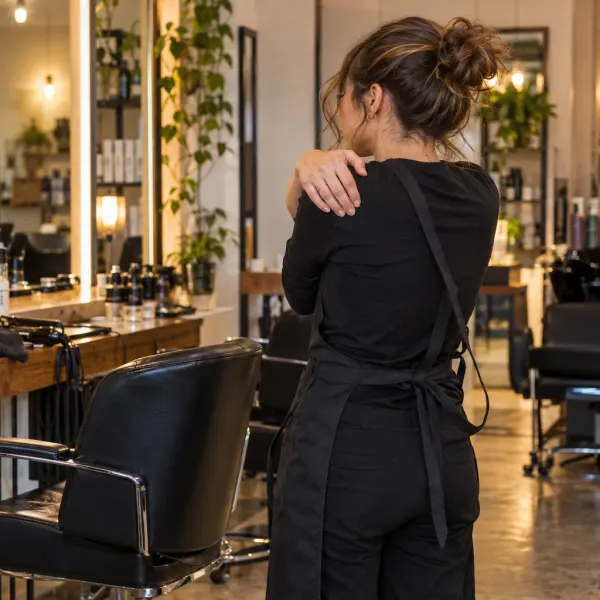
Why Salon Work Makes Your Body Ache & What You Can Do to Feel Better
We learn some simple moves and strategies to keep the blood pumping through the muscles and limit posture problems from The Balanced Beauty Pro
by Anne Moratto
 MENU
MENU SEARCH
Five red flags that may indicate you have an eating disorder come with advice from psychologist Dr. Sherrie Campbell.

Photography by Tuomas Marttila for Getty Images
As March 1 marked the last day of National Eating Disorders Awareness Week, it’s a good time to take inventory of your approach to eating.
“Is food your frenemy?” asks California psychologist Dr. Sherrie Campbell, author of Loving Yourself: The Mastery of Being Your Own Person. It’s key to love yourself more than you love food, Campbell says, because otherwise you’re giving food too much control over how you feel about yourself. Campbell lists five progressive red flags, in order, that let us know we’re heading in a dangerous direction:
1. You use food to feel good. Eating replaces boredom by giving you something to do, and of course it tastes good. “Our bodies respond physically and emotionally when we eat,” Campbell says. “Who doesn’t want to feel good? Food is a quick fix to getting our mood elevated.”
2. Food makes you feel bad. Before and during the meal or snack, you feel great—but then comes the letdown. Maybe you ate too much or ate the wrong type of food. We feel bad when we lose control, and that leads to guilt and self-loathing, according to Campbell.
3. Feeling full makes you feel fat. “It is hard for many of us to tell the difference between fat and full,” Cambell observes. “When we feel full we are often feeling fat and writhing in the discomfort of our recent eating adventure. We can’t stand ourselves, our loss of control; we are full of regret.” It can make you want to never eat again.
4. You try to balance any overindulgence. Do you ever feel that, if you just exercise enough or if you barely eat for a couple of days, you’ll make up for last night’s nonstop snacking? “We go extreme the other way trying work off our bad behavior,” says Campbell, which she says puts our self-esteem on a roller coaster ride.
5. You can’t get your mind off the eating cycle. Fat/thin, fat/thin—it begins to be all you think about. You label your days and, when you’ve determined that you’re having “a fat day,” you let your insecurity take over, asking anyone you can find whether you look fat. On “thin” days you’re just as focused on being thin. Campbell calls this having a “Jekyll-and-Hyde with food,” and you may find it running your life.
At this point, you’re about at rock bottom. How can you climb back up?
Make friends with food, Campbell advises. Since we cannot survive without food, we must come to terms with it. “The way to make food your friend is to know your limits,” Campbell adds. “Food should make you feel good about yourself, not bad.”
Rather than giving into the temporary euphoria of tasting something good or eating a lot only to have it lead later to self-hatred, learn to see the rewards in self-control! Recapturing your self-control will help you love yourself.
“When we are in a love-hate relationship with food, we are actually in a love-hate relationship with ourselves,” Campbell continues. “We cannot feel love for ourselves if we are buried under feelings of having no control. We are feeling fat and unattractive, or full and guilty. Nothing positive can enter when we allow food to trigger these low-self-worth emotions. It comes down to being healthy and disciplined. Control is sexy, control is confident and control is elegant.”
We learn some simple moves and strategies to keep the blood pumping through the muscles and limit posture problems from The Balanced Beauty Pro

Anny VanDriel, owner of Be Rosie Salon and creator of Pricing Isn’t Personal, volunteered to share a pricing presentation to beauty school students a year ago, and ended up learning more than she expected.

From the launch of the Ulta BeautyArtist Collective to the evolution of Trendspiration, celebrating stylists is what The Salon at Ulta Beauty does best.
Sponsored by Ulta Beauty
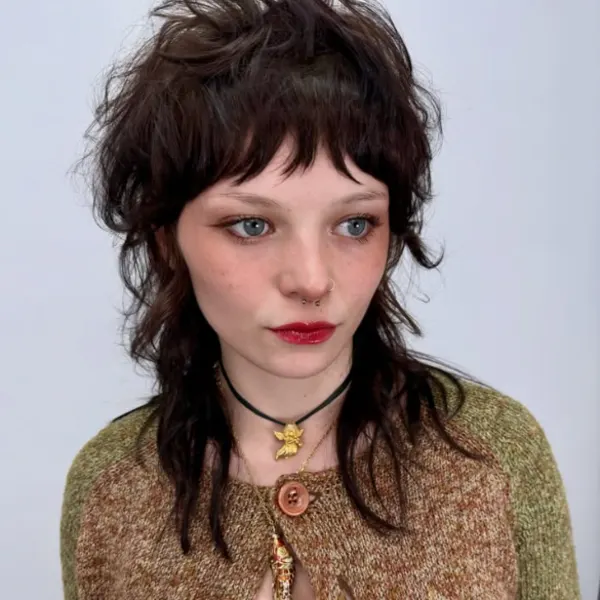
With more than four decades in the industry, hairdresser and MODE Education founder Stan Newton has built a career around the art and discipline of cutting hair, learning the rules so he can break them.
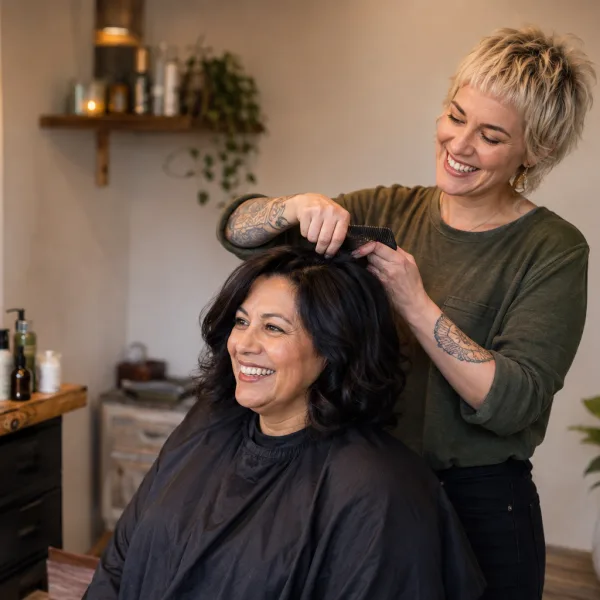
Beauty professionals should evaluate each service based on its popularity, profitability, and alignment with current trends. Conducting client surveys and analyzing booking data can provide insights into which services are in demand and which might be phased out.
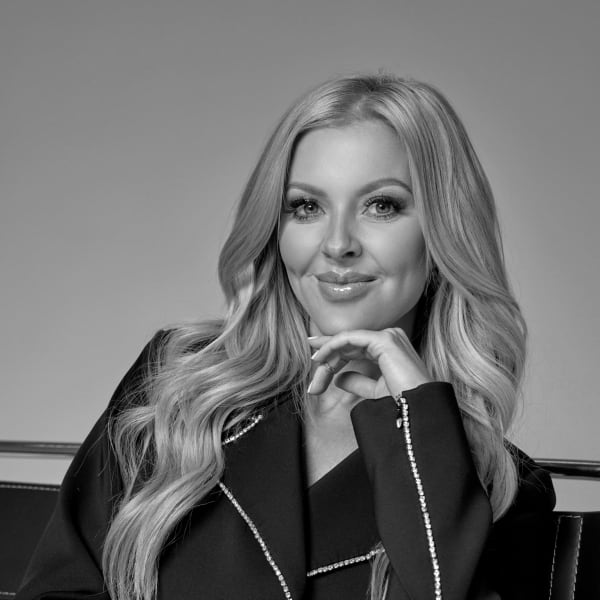
LifeSpa leader Ali Yanez explains why strong mentorship, predictable income, meaningful recognition and the right work environment help beauty professionals build careers that last.
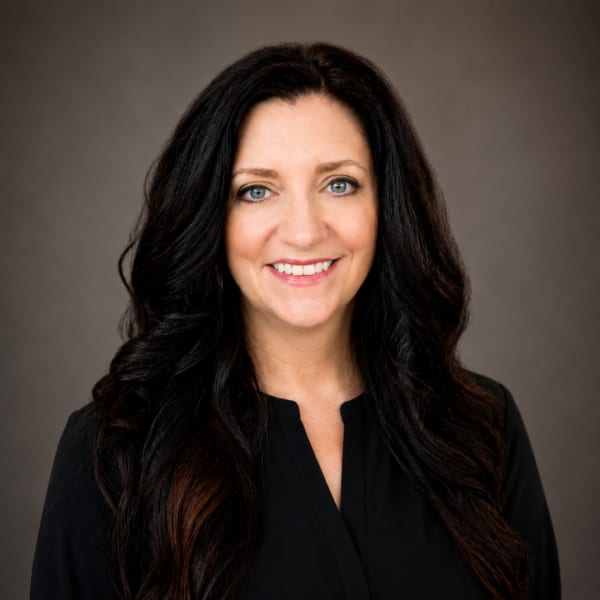
Whether a beauty professional chooses a commission salon, booth rental, salon suite or salon ownership, the common thread is having more choices than ever before.
Sport Clips Haircuts will host its inaugural "Level Up Live," a first-of-its-kind virtual event that combines live haircutting education, career inspiration, product knowledge, and employment opportunities for licensed stylists and cosmetology students nationwide.
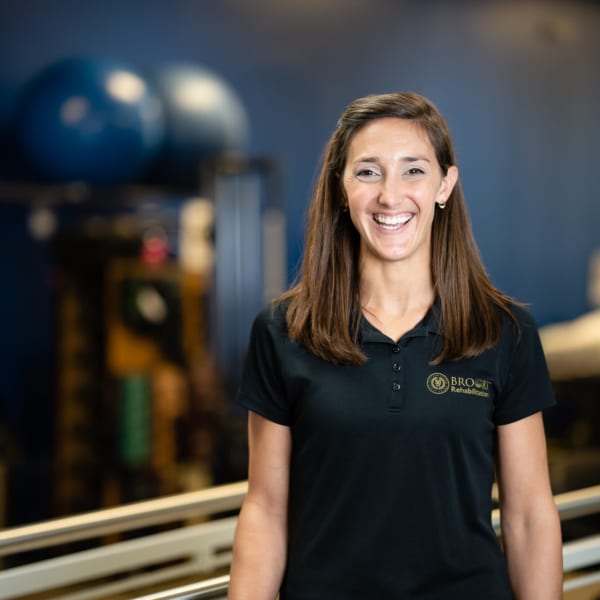
Orthopedic PT reveals three daily exercises plus ergonomic advice that can help salon professionals avoid the aches and injuries caused by standing, bending and repetitive overhead work.
Four publications for beauty industry professionals to enhance their leadership skills, financial awareness, professional growth, and joy!
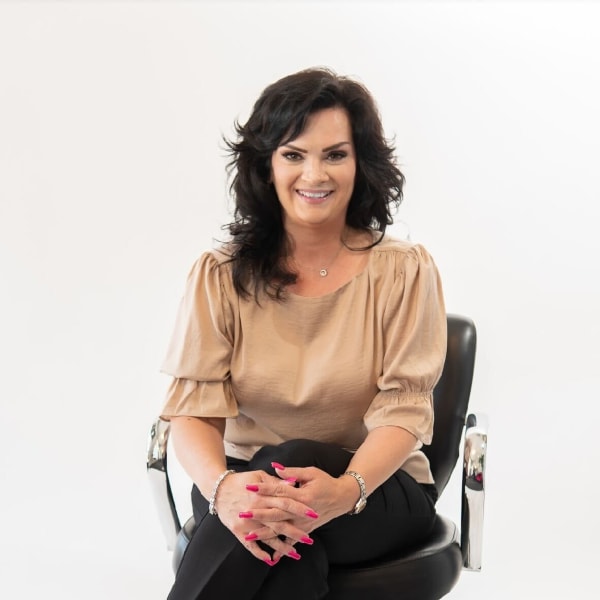
Salon suite pioneer Karen Kaminski argues that the next evolution of independent beauty businesses won't be defined by beautiful spaces alone, it will be driven by smarter systems that help professionals spend less time on administrative work and more time serving clients.

At a time when many LGBTQ+ people felt compelled to hide parts of themselves, Carlos Valenzuela found a career in beauty and a community that offered opportunity based on what you could do and how well you could do it.

Whether it's social media, fashion, film, art, or culture, Chaz Dean advises stylists to stay aware of what's inspiring people. Take the elements that make sense for you in these five lessons learned through a life in beauty.
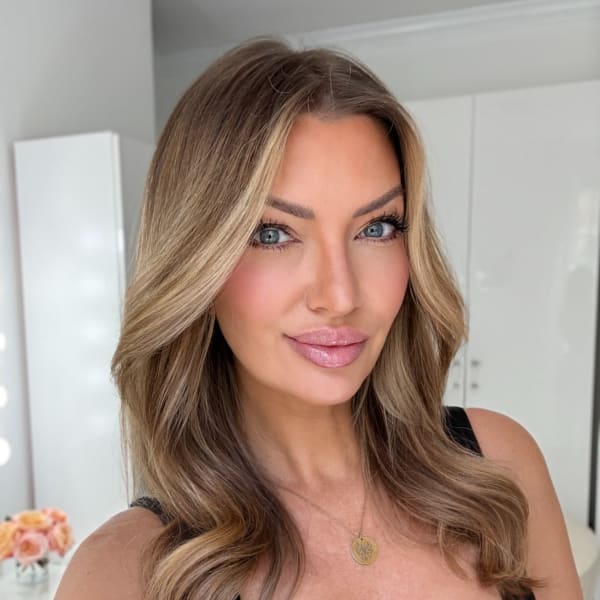
For Jessica Domoney, building a successful career isn't about saying yes to every opportunity, it's about protecting your time, investing in yourself and creating an experience clients won't forget.
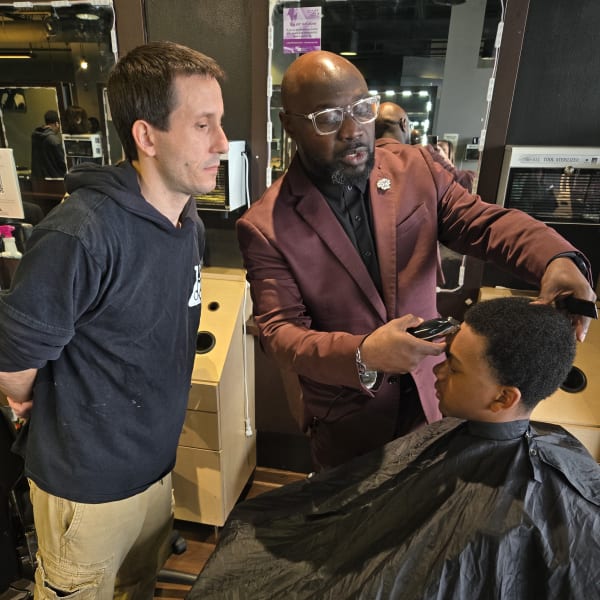
MODERN SALON sat down with Samuels to discuss the book, beauty education, mentorship and the habits that help beauty professionals thrive.
"The mistake people make is treating AI like a vending machine instead of a personal assistant." Digital marketing expert Scott Moon shares how beauty professionals can use AI while staying authentic

Real-world advice on creativity, consultations, color, burnout, business, boundaries, inclusivity, client care, and career growth from educators and industry experts.