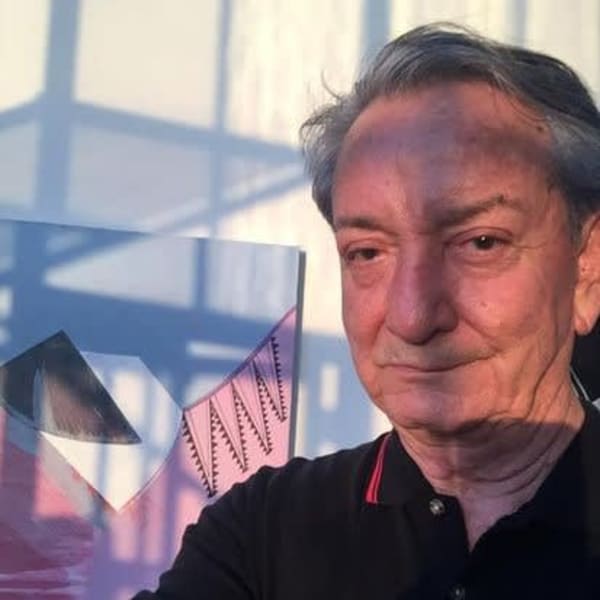
More than 1 million new cases of skin cancer are diagnosed each year, and one in five Americans will develop skin cancer in their lifetime. This concerns John Halal, a former salon owner, the founder of Honors Beauty College and immediate past president of the American Association of Cosmetology Schools (AACS).
Halal also is a chemist. He’s the author of Hair Structure and Chemistry Simplified and Milady's Hair Care and Product Ingredient Dictionary, as well as a contributing author to several Milady publications, including the Milady Standard Cosmetology Textbook. According to Halal, 90 percent of skin cancers result from exposure to ultraviolet (UV) radiation from the sun and tanning beds.
Ad Loading...
While limited exposure to sunlight can be beneficial, Halal says a tan “is a sign that your skin is being damaged and under attack from UV radiation.” UV rays—both UVA and UVB—are the damaging rays that harm the skin. While sunscreen protects the skin from some UVB rays, it does nothing to shield us from UVA rays, which Halal says are just as harmful.
“UVA, commonly known as ‘black light,’ penetrates the dermis and contributes substantially to chronic sun damage and the risk of skin cancer,” Halal says. “A sunscreen with a high SPF may provide adequate protection from UVB rays but offer little or no protection from UVA exposure. Make sure the sunscreen you use is labeled ‘Broad Spectrum.’”
Specifically, Halal says that: SPF2 blocks about 50% of UVB rays SPF15 blocks about 95% of UVB rays SPF30 blocks about 97% of UVB rays SPF blocks 0% of UVA rays; only Broad Spectrum blocks UVA.
Although you may find it intuitive to choose an organic sunscreen, Halal recommends opting for inorganic sunscreens.
“Unlike organic sunscreens that absorb and react chemically when exposed to UV rays, inorganic sunscreens reflect the UV rays,” he explains. “Inorganic sunscreens reduce the risk of skin irritation and eliminate concerns about unwanted chemical reactions.”
Ad Loading...
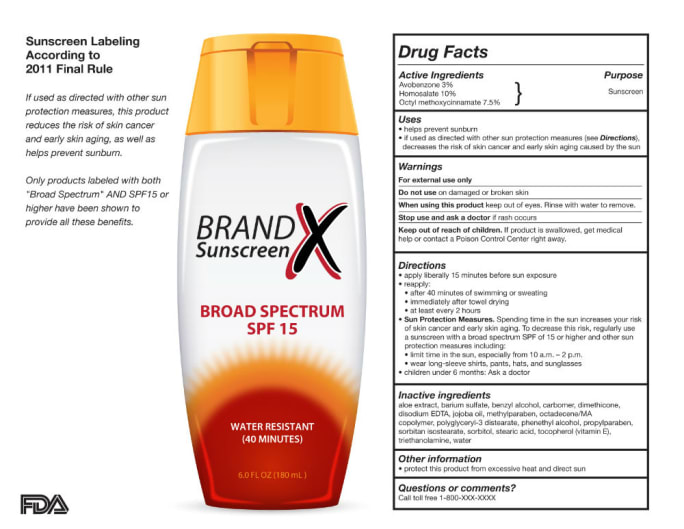
To clear up the confusion about sunscreen products, the Food & Drug Administration (FDA) issued new regulations effective December 2013. Halal lists some key changes:
*To be labeled “Broad Spectrum,” a sunscreen must provide protection from both UVB and UVA and have an SPF15 or higher. *Only Broad Spectrum sunscreens may claim to reduce the risk of skin cancer and early skin aging, and they must add “if used as directed with other sun protection measures.” *Sunscreen products not labeled “Broad Spectrum” must include a warning that spending time in the sun increases the risk of skin cancer and early skin aging and that the product “has been shown only to help prevent sunburn, not skin cancer or early skin aging.” *Products claiming an SPF higher than SPF50 cannot carry a specific number and must be labeled simply SPF50+, since the FDA does not have data proving that an SPF above 50 provides additional protection. *Water-resistance claims must indicate whether the sunscreen remains effective for 40 minutes or 80 minutes while swimming or sweating. *The FDA specifically has not approved claims of offering protection that’s instant, waterproof, sweatproof, a sunblock or effective for more than two hours.
John Halal’s Do’s and Don’ts for Practicing Safe Sun
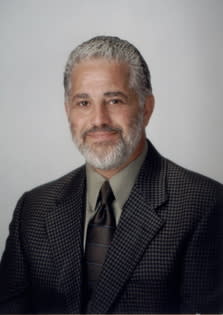
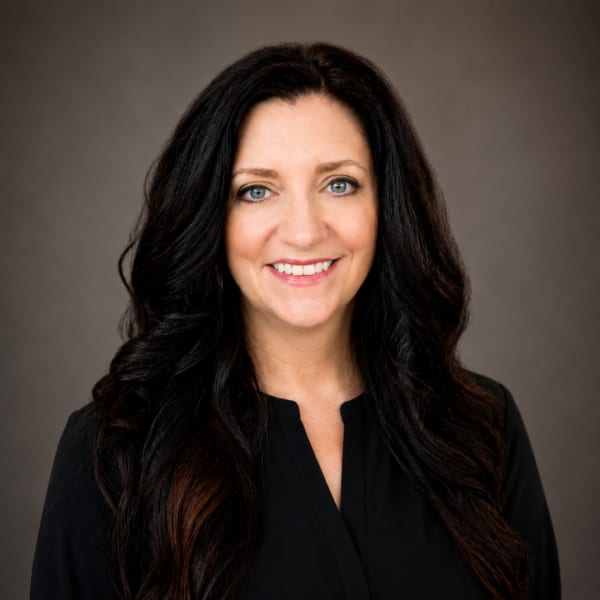
John Halal
DO:
1. Make sure your sunscreen is labeled Broad Spectrum. 2. Use inorganic sunscreen that contains zinc oxide and titanium dioxide. 3. Use sunscreen even on cloudy days. 4. Apply sunscreen liberally, in two applications, 20 minutes before going out in the sun. 5. Reapply sunscreen every hour—more frequently when swimming or sweating.
Ad Loading...
Do NOT:
1. Use a sunscreen with an SPF over SPF30. 2. Use sunscreen with an SPF over 15 if your skin becomes easily irritated. 3. Go out in the sun between 10am to 2pm, when the sun is the strongest. 4. Rely on sunscreen label terms such as “natural,” “non-chemical” and “chemical-free,” which all can be false and misleading. 5. Believe claims that a sunscreen is waterproof, sweat-proof, a sunblock, effective instantly or effective for more than two hours. These claims are not approved.
Anny VanDriel, owner of Be Rosie Salon and creator of Pricing Isn’t Personal, volunteered to share a pricing presentation to beauty school students a year ago, and ended up learning more than she expected.
From the launch of the Ulta BeautyArtist Collective to the evolution of Trendspiration, celebrating stylists is what The Salon at Ulta Beauty does best.
With more than four decades in the industry, hairdresser and MODE Education founder Stan Newton has built a career around the art and discipline of cutting hair, learning the rules so he can break them.
Beauty professionals should evaluate each service based on its popularity, profitability, and alignment with current trends. Conducting client surveys and analyzing booking data can provide insights into which services are in demand and which might be phased out.
LifeSpa leader Ali Yanez explains why strong mentorship, predictable income, meaningful recognition and the right work environment help beauty professionals build careers that last.
Whether a beauty professional chooses a commission salon, booth rental, salon suite or salon ownership, the common thread is having more choices than ever before.
Sport Clips Haircuts will host its inaugural "Level Up Live," a first-of-its-kind virtual event that combines live haircutting education, career inspiration, product knowledge, and employment opportunities for licensed stylists and cosmetology students nationwide.
Orthopedic PT reveals three daily exercises plus ergonomic advice that can help salon professionals avoid the aches and injuries caused by standing, bending and repetitive overhead work.
Salon suite pioneer Karen Kaminski argues that the next evolution of independent beauty businesses won't be defined by beautiful spaces alone, it will be driven by smarter systems that help professionals spend less time on administrative work and more time serving clients.
At a time when many LGBTQ+ people felt compelled to hide parts of themselves, Carlos Valenzuela found a career in beauty and a community that offered opportunity based on what you could do and how well you could do it.
Whether it's social media, fashion, film, art, or culture, Chaz Dean advises stylists to stay aware of what's inspiring people. Take the elements that make sense for you in these five lessons learned through a life in beauty.
For Jessica Domoney, building a successful career isn't about saying yes to every opportunity, it's about protecting your time, investing in yourself and creating an experience clients won't forget.
"The mistake people make is treating AI like a vending machine instead of a personal assistant." Digital marketing expert Scott Moon shares how beauty professionals can use AI while staying authentic
Real-world advice on creativity, consultations, color, burnout, business, boundaries, inclusivity, client care, and career growth from educators and industry experts.
Real-world advice on creativity, consultations, color, burnout, business, boundaries, inclusivity, client care, and career growth from educators and industry experts.