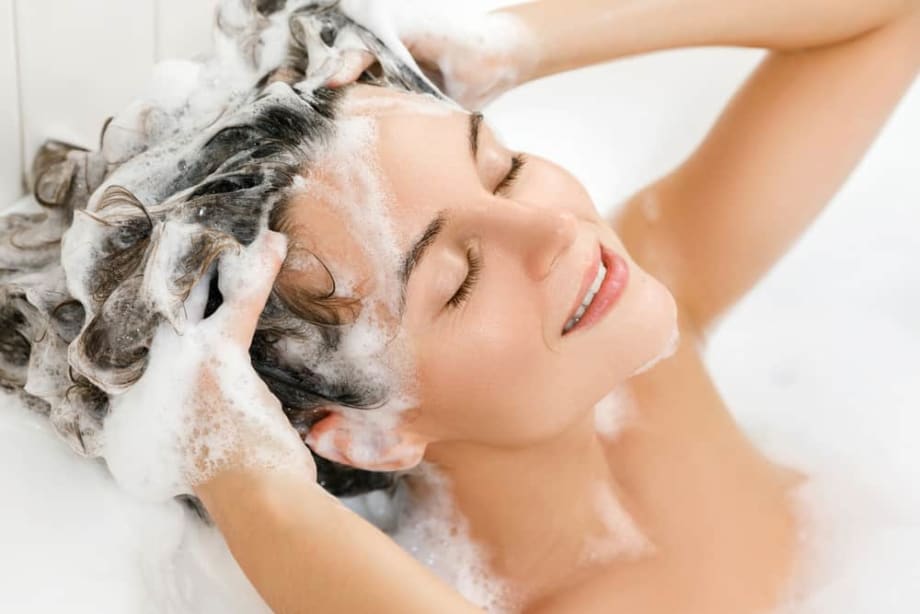
Shampoo can contain ingredients that can be harmful to sensitive clients and can pose a risk to the environment. One of the most common ingredients is sulfates. As a professional you already know that shampoos with sulfates should be avoided to protect hair color from fading. Here are some other ingredients worth learning more about.
Shampoo can contain ingredients that can be harmful to sensitive clients and can pose a risk to the environment. One of the most common ingredients is sulfates. As a professional you already know that shampoos with sulfates should be avoided to protect hair color from fading. Here are some other ingredients worth learning more about.
1. Ammonium Lauryl Sulfate or Sodium Laureth Sulfate (SLES)
Sulfates are very strong detergents that bind with the sebum on the scalp and with water. When the shampoo is rinsed out the sulfates take the oils and residue as well. The hair will feel cleansed, but this can be damaging to stressed or weak hair which can make it brittle and increase frizz.
2. Sodium Lauryl Sulfate (SLS)
This sulfate creates a lathering foam but it can compromise follicles when left on the scalp.! Clients with color-treated hair or dry hair should definitely avoid SLS, because it will fade their color and strip strands of natural oils.
3. Parabens
Parabens are known to be harmful. They are used as a preservative to prevent bacteria from growing in cosmetics and shampoos. Parabens can mimic the hormone estrogen and have been linked to increased growth of breast cancer cells. There are many professional brands that have eliminated parabens from their formulas. Make sure you know all the ingredients in the brands your salon offers.
4. Sodium Chloride
Sodium chloride is another name for salt. Sodium chloride in shampoo and conditioner is added to make the consistency thicker. Salt can make an already sensitive scalp dry and itchy, which can cause hair loss.
5. Polyethylene Glycols (PEG)
PEG is a thickening agent derived from petroleum that is often contaminated with byproducts. There has not been sufficient research done to conclude that PEGs themselves are toxic as shampoo ingredients, but common byproducts in PEGs can be harmful.
6+7. Diethanolamine (DEA) and Triethanolamine (TEA)
DEA and TEA are emulsifiers and foam agents that reduce surface tension so water-soluble and oil-soluble ingredients can blend together. In 1998, researchers found a link between the topical application of DEA and cancer in animals, but the effects on humans are unclear. The European Commission has banned DEA in cosmetics.
8. Formaldehyde
Formaldehyde is a known human carcinogen and has been proven to be absorbed through the skin in animal testing. Manufacturers often add it to products as a preservative, but it can also be released over time from other types of preservatives. A common one in shampoos is quaternium-15.
9. Alcohol
Most alcohols have a drying effect, and the higher it appears in the ingredient list, the more the product contains. Some alcohols such as Cetearyl alcohol and Stearyl alcohol are not as drying and can actually help hair retain moisture. Be sure to let clients know that if they already have dry hair, the ingredients to avoid usually have a “prop” in the name, like Isopropyl alcohol or propanol .Here again is your opportunity as a professional to educate clients about home maintenance and recommend an appropriate shampoo.
10. Synthetic Fragrances
Products that list “fragrance” on the label can contain many hidden chemicals. They can irritate the skin and scalp, which can lead to hair loss.
11. Synthetic Colors
Most shampoos and conditioners are dyed with a synthetic color to make them look nice. These dyes might come from petroleum or coal-tar sources which can have harmful health effects. Synthetic colors will normally go by FD&C or D&C combined with a number.
12. Dimethicone
Dimethicone is a type of silicone that is used in many hair products and can cause product buildup. It acts as a barrier on the surface of the hair and can collect dirt and residue, leading to clogged pores on the scalp and skin irritation. Advise clients to use products containing this incredient with a light hand and recommend a clarifying product if they have a problem with buildup.
13. Cocamidopropyl Betaine
Cocamidopropyl betaine is another foam booster. Although it’s derived from coconut oil, it can cause problems for sensitive clients. This surfactant is used in hair products along with dimethylaminopropylamine, which can cause skin irritation, allergies, rosacea, and eczema.
14. Triclosan
Triclosan was banned from being used in antibacterial soaps in 2016 but is still allowed in toothpaste, shampoos, and deodorants. It’s a chemical antibacterial agent known to cause hormone disruptions, which can lead to cancer and affect fetal development, among other things.
15. Retinyl Palmitate
Retinyl palmitate is the ester of retinol combined with palmitic acid. It’s a known skin irritant that can cause peeling, scaling, redness, and itching.
What to look for in a brand
Many shampoos use only natural, non-toxic, and organic ingredients. If a client is suffering from hair loss or unhealthy hair growth have a consultation and evaluate all the products they are using at-home. Then offer solutions and a regimen to help them back to healthy hair. . As part of that plan you can suggest natural supplements that contain plant-derived ingredients that work synergistically to help your natural hair growth.
Read more about Nutrafol.