Nearly 800,000 strokes occur in the U.S. each year, causing about 133,000 deaths. However, many stroke victims survive; an estimated 7 million Americans alive today have survived strokes. The risk of stroke increases with age, and more women than men have strokes. In fact, each year women are twice as likely to die from stroke than breast cancer. We have made some progress—the death rate from stroke fell in the decade from 1998 to 2008.
May, National Stroke Awareness Month, is a good time to become educated about how to recognize stroke and potentially save a life. As beauty professionals, you see a lot of clients for hours at a time—anything can happen! When you’re trying to determine whether someone has had a stroke, the acronym to remember is FAST:
Ad Loading...
F = FACE. Ask the person to smile. Does one side of the face droop? A = ARMS. Ask the person to raise both arms. Does one arm drift downward? S = SPEECH. Ask the person to repeat a simple sentence. Does the speech sound slurred or strange? T = TIME. Act immediately and call 911 if you observe even one of these signs.
Lowering Risk
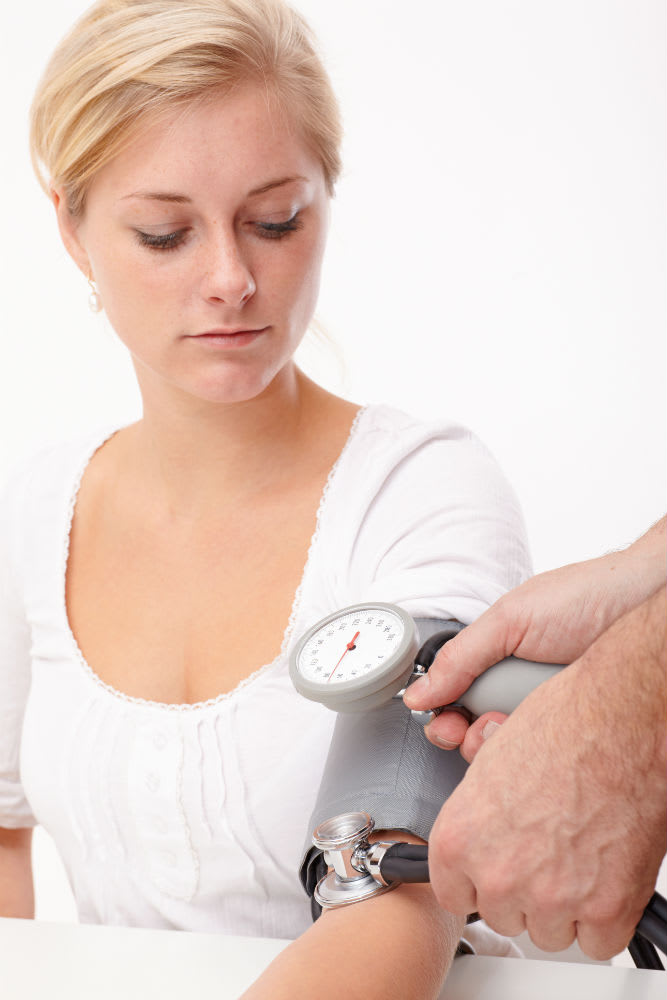
Atrial fibrillation, or “Afib,” refers to an abnormal heartbeat that can increase stroke risk by 500 percent. Afib can cause blood to pool in the heart and perhaps form a clot that causes a stroke. At your annual checkup, your doctor will listen to your heartbeat and diagnose and treat Afib if it’s present.
Other than treatment for an Afib condition, lowering your stroke risk involves many of the habits that contribute to overall health:
1. Maintain recommended blood pressure levels. 2. Stop smoking. Smoking doubles the risk of stroke. 3. Control alcohol use. Most doctors recommend no more than two drinks per day. 4. Maintain recommended cholesterol levels. High cholesterol levels can clog arteries and cause a stroke. 5. Control diabetes. Many people with diabetes have health problems that are also stroke risk factors. 6. Exercise and maintain a nutritional diet.
Ad Loading...
The exercise doesn’t have to be intensive. Sophia Wang, Ph.D., associate professor at City of Hope's Department of Population Sciences, reports on a study of more than 133,000 women that found that moderate activity like brisk walking, recreational tennis, golf and bicycling on flat surfaces cut the risk of stroke by 20 percent and, additionally, offset some of the increase in stroke risk associated with hormone replacement therapy. Increasing the exercise intensity did not appear to further cut the risk of stroke.
“I was surprised that moderate physical activity was most strongly associated with a reduced risk of stroke,” Wang says. “Moderate activity, such as brisk walking, appeared to be ideal in this scenario.”
Anny VanDriel, owner of Be Rosie Salon and creator of Pricing Isn’t Personal, volunteered to share a pricing presentation to beauty school students a year ago, and ended up learning more than she expected.
From the launch of the Ulta BeautyArtist Collective to the evolution of Trendspiration, celebrating stylists is what The Salon at Ulta Beauty does best.
With more than four decades in the industry, hairdresser and MODE Education founder Stan Newton has built a career around the art and discipline of cutting hair, learning the rules so he can break them.
Beauty professionals should evaluate each service based on its popularity, profitability, and alignment with current trends. Conducting client surveys and analyzing booking data can provide insights into which services are in demand and which might be phased out.
LifeSpa leader Ali Yanez explains why strong mentorship, predictable income, meaningful recognition and the right work environment help beauty professionals build careers that last.
Whether a beauty professional chooses a commission salon, booth rental, salon suite or salon ownership, the common thread is having more choices than ever before.
Sport Clips Haircuts will host its inaugural "Level Up Live," a first-of-its-kind virtual event that combines live haircutting education, career inspiration, product knowledge, and employment opportunities for licensed stylists and cosmetology students nationwide.
Orthopedic PT reveals three daily exercises plus ergonomic advice that can help salon professionals avoid the aches and injuries caused by standing, bending and repetitive overhead work.
Salon suite pioneer Karen Kaminski argues that the next evolution of independent beauty businesses won't be defined by beautiful spaces alone, it will be driven by smarter systems that help professionals spend less time on administrative work and more time serving clients.
At a time when many LGBTQ+ people felt compelled to hide parts of themselves, Carlos Valenzuela found a career in beauty and a community that offered opportunity based on what you could do and how well you could do it.
Whether it's social media, fashion, film, art, or culture, Chaz Dean advises stylists to stay aware of what's inspiring people. Take the elements that make sense for you in these five lessons learned through a life in beauty.
For Jessica Domoney, building a successful career isn't about saying yes to every opportunity, it's about protecting your time, investing in yourself and creating an experience clients won't forget.
"The mistake people make is treating AI like a vending machine instead of a personal assistant." Digital marketing expert Scott Moon shares how beauty professionals can use AI while staying authentic
Real-world advice on creativity, consultations, color, burnout, business, boundaries, inclusivity, client care, and career growth from educators and industry experts.
Real-world advice on creativity, consultations, color, burnout, business, boundaries, inclusivity, client care, and career growth from educators and industry experts.