





Why Salon Work Makes Your Body Ache & What You Can Do to Feel Better
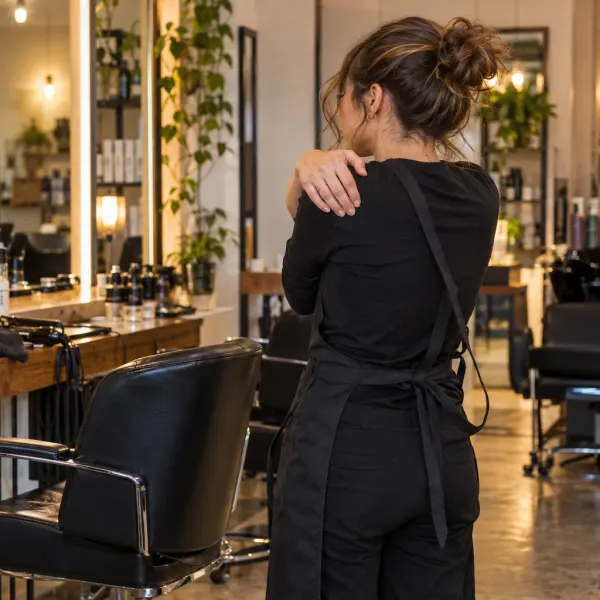
We learn some simple moves and strategies to keep the blood pumping through the muscles and limit posture problems from The Balanced Beauty Pro
by Anne Moratto
 MENU
MENU SEARCH
All women face the day when they will stop menstruating. Knowledge is power! You can’t predict exactly how you’ll feel, but you can understand the range of experiences you may have. The first signs are likely to occur between ...
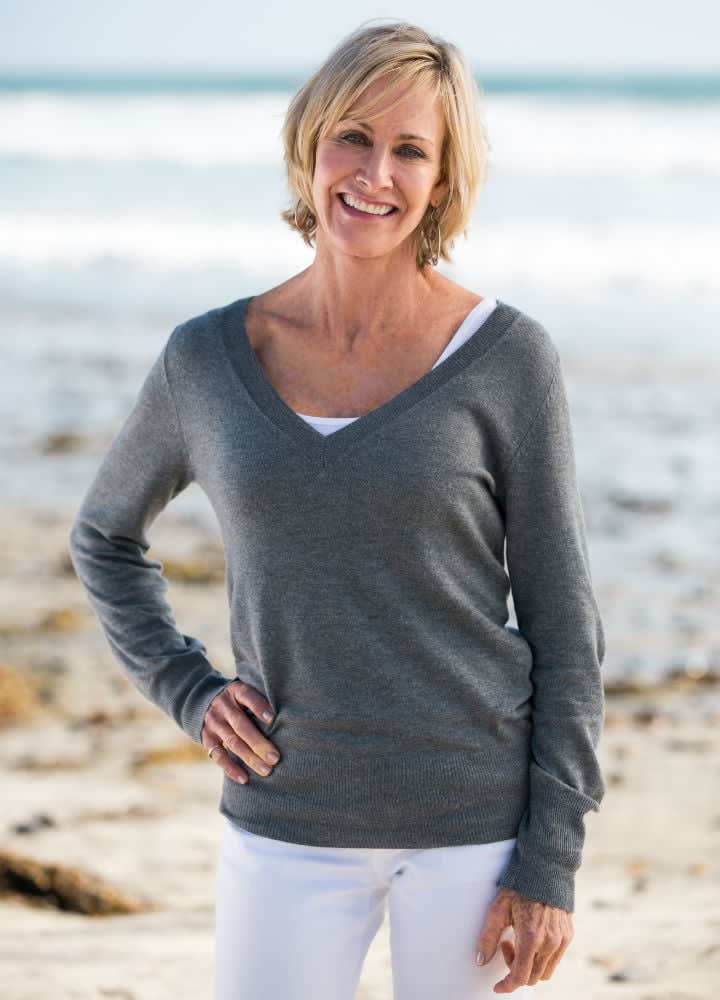
AMR Image for Getty Images
All women face the day when they will stop menstruating. Knowledge is power! You can’t predict exactly how you’ll feel, but you can understand the range of experiences you may have.
The first signs are likely to occur between ages 40 and 50, when perimenopause may stretch your period from 25-30 days to more like 40-50 days, or you may begin missing periods altogether. You’re considered in full menopause when you haven’t had a period for 12 months with no medical explanation other than age, according to Nicole C. Woitowich, director of science outreach and education at Women’s Health Research Institute.
Woitowich lists typical symptoms during perimenopause that frequently continue after menopause:
Hot flashes
Night sweats
Vaginal dryness
Joint pain
Mood changes
Sleep disturbances
For some women, one or more of these symptoms can be severe. What can you do to relieve symptoms?
Hormone therapy. This can come in the form of pills, creams or skin patches containing estrogen or progesterone in order to “replace” hormones that you’re no longer producing. “While the use of hormone therapy is still regarded as one of the most effective ways to control menopause symptoms,” Woitowich says, “it may not be appropriate for everyone.” Hormone therapy can increase the risk of blood clots, heart attack, stroke, uterine cancer and breast cancer. If your symptoms are bad enough, discuss the pros and cons of hormone replacement therapy with your doctor.
Cognitive-behavioral therapy. While studies have concluded that cognitive-behavioral therapy does not reduce the severity of menopause symptoms, it can help women cope and manage their symptoms.
Selective Serotonin Reuptake Inhibitors (SSRI). Some evidence suggests that treatment with SSRIs, drugs typically used to treat depression and anxiety, are effective in reducing the frequency and severity of hot flashes.
“In addition, the Office on Women’s Health encourages women to maintain a healthy lifestyle by staying active, eating a balanced diet and reducing stress to ease the discomfort of menopause symptoms,” Woitowich adds. To learn more about your own potential journey through menopause, use the Women’s Health Research Institute’s an online self-assessment tool.
We learn some simple moves and strategies to keep the blood pumping through the muscles and limit posture problems from The Balanced Beauty Pro

Anny VanDriel, owner of Be Rosie Salon and creator of Pricing Isn’t Personal, volunteered to share a pricing presentation to beauty school students a year ago, and ended up learning more than she expected.

From the launch of the Ulta BeautyArtist Collective to the evolution of Trendspiration, celebrating stylists is what The Salon at Ulta Beauty does best.
Sponsored by Ulta Beauty
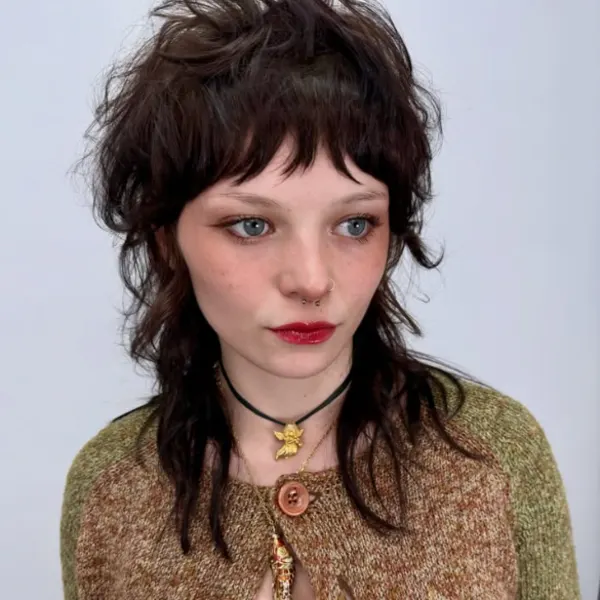
With more than four decades in the industry, hairdresser and MODE Education founder Stan Newton has built a career around the art and discipline of cutting hair, learning the rules so he can break them.
Beauty professionals should evaluate each service based on its popularity, profitability, and alignment with current trends. Conducting client surveys and analyzing booking data can provide insights into which services are in demand and which might be phased out.
LifeSpa leader Ali Yanez explains why strong mentorship, predictable income, meaningful recognition and the right work environment help beauty professionals build careers that last.
Whether a beauty professional chooses a commission salon, booth rental, salon suite or salon ownership, the common thread is having more choices than ever before.

Sport Clips Haircuts will host its inaugural "Level Up Live," a first-of-its-kind virtual event that combines live haircutting education, career inspiration, product knowledge, and employment opportunities for licensed stylists and cosmetology students nationwide.
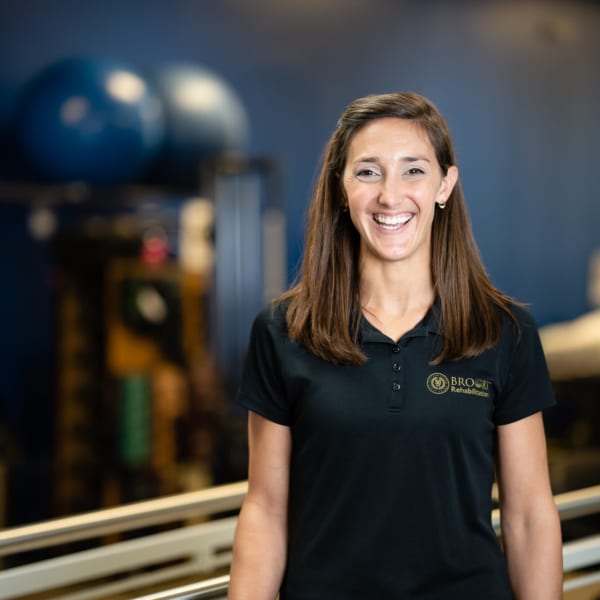
Orthopedic PT reveals three daily exercises plus ergonomic advice that can help salon professionals avoid the aches and injuries caused by standing, bending and repetitive overhead work.

Four publications for beauty industry professionals to enhance their leadership skills, financial awareness, professional growth, and joy!
Salon suite pioneer Karen Kaminski argues that the next evolution of independent beauty businesses won't be defined by beautiful spaces alone, it will be driven by smarter systems that help professionals spend less time on administrative work and more time serving clients.

At a time when many LGBTQ+ people felt compelled to hide parts of themselves, Carlos Valenzuela found a career in beauty and a community that offered opportunity based on what you could do and how well you could do it.

Whether it's social media, fashion, film, art, or culture, Chaz Dean advises stylists to stay aware of what's inspiring people. Take the elements that make sense for you in these five lessons learned through a life in beauty.
For Jessica Domoney, building a successful career isn't about saying yes to every opportunity, it's about protecting your time, investing in yourself and creating an experience clients won't forget.
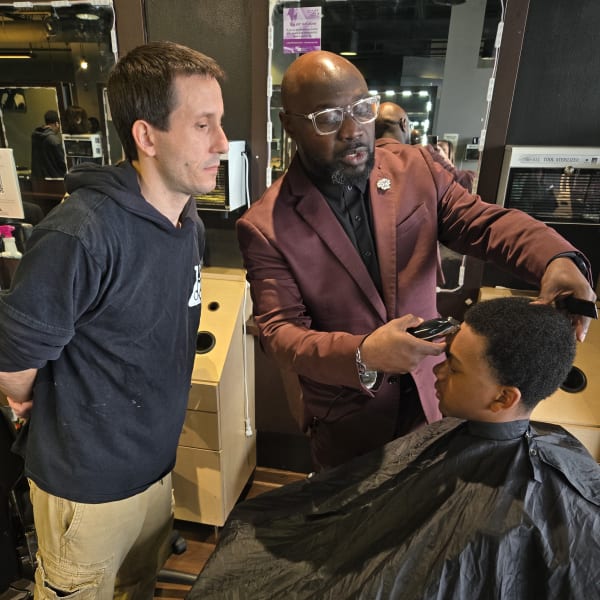
MODERN SALON sat down with Samuels to discuss the book, beauty education, mentorship and the habits that help beauty professionals thrive.
"The mistake people make is treating AI like a vending machine instead of a personal assistant." Digital marketing expert Scott Moon shares how beauty professionals can use AI while staying authentic

Real-world advice on creativity, consultations, color, burnout, business, boundaries, inclusivity, client care, and career growth from educators and industry experts.