





Travel Tuneups: Wellness Retreat in Portugal for a Healthier 2027
From restorative treatments to personalized fitness and nutrition, Longevity Senses Cascais offers three wellness getaways to help guests build healthier habits.
by Anne Moratto
 MENU
 SEARCH
THE TALK - WHAT TO SAY WHEN YOUR CLIENTS ASK: “What’s the difference between salon products and cheaper store brands?”
Salon and mass market products generally use the same ingredients; the difference tends to be in amount and quality. For instance, most Argan-type oils contain high percentages of silicones, but there are many grades, and professional products usually rely on pharmaceutical grade silicones. Don’t trash-talk store brands—explore and uptalk yours. Read the label first; it lists ingredients in descending order of predominance. Get the lowdown on benefits from your supplier.
Newer, Better
Salon ingredients are usually on the cutting edge of technology and high-performance, which means they cost more. For example, salon shampoos tend to use gentler lathering agents like TEA lauryl, or are sulfate-free. Salon conditioners aim for an ideal moisture/protein balance via the newest renewable oils, such as higher-quality natural oils that penetrate better (Rainforest Pequi Oil, apricot), as well as surface coating oils, like jojoba and sunflower. When it comes to proteins like hydrolyzed wheat, ones with lower molecular weight penetrate better, and the range can be vast, from 1,800 to 150. Theresa McGaha, co-owner of Moutons, in Grapevine, TX, says low-molecular-weight ingredients in her professional conditioner translate into strong penetration, without weighing hair down.
Pro-Tested
Salon products are developed faster around current trends (dry shampoo, powdered volumizers) or the newest eco and science-based ingredients. Notes Ginger King, an Englewood Cliffs, NJ-based chemist who has formulated both types of products, “Salon products go through more testings by stylists, since the customers are really discerning pros who transfer their passion to consumers.”
pH Matters
The ideal pH for shampoo is 4.5 to 5.5; you can test products with a pH strip. When pH leans acidic, the cuticle is closed, moisture is sealed in and color-fade is inhibited. Here’s where comparatively small salon brands may shine; mass-market products have tested inconsistently from batch to batch, and many have a high enough pH to fade color, according to pros who tested with a calibrated pH meter.
PRO TALK TO SHARE
1. Many professional products offer a money back guarantee, if sold in a salon. Drugstores can’t and won’t do this.
2. Professional products are recommended for an individual. “That’s why we’re licensed, take continuing education, and understand hair textures and types,” says Xena Parsons of Xena’s Beauty Co., NYC. Tell your client, “If you trust your hair to me, why not trust my advice on products…and support a local business?”
3. Say, “I can show you how much to use and how to use it to get a certain look. You can’t get customized advice or a styling lesson in a store.”
4. Add, “I can determine if your hair has mineral build-up that is preventing products from working at optimum level. I can also assess if a certain product is working for you or not.”
5. Many salon products are formulated with a full understanding of salon color and other chemicals in mind. Store products can depend on your hair being healthy, and usually address just a few issues, like dryness or fragility.
From restorative treatments to personalized fitness and nutrition, Longevity Senses Cascais offers three wellness getaways to help guests build healthier habits.
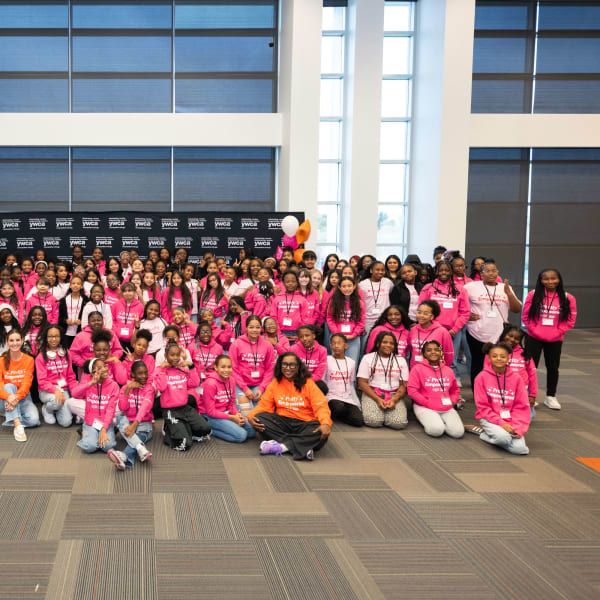
YWCA Metropolitan Chicago and Ulta Beauty Charitable Foundation (UBCF) brought together 150 girls ages 9–14 for Pretty Empowered, a hands-on experience designed to build confidence and introduce girls to careers options.

Like many hairdressers, I saw opening a salon as the next logical step. But I also wanted my salon to be a little different, and needed to figure out ways to stand out in a sea of salons.
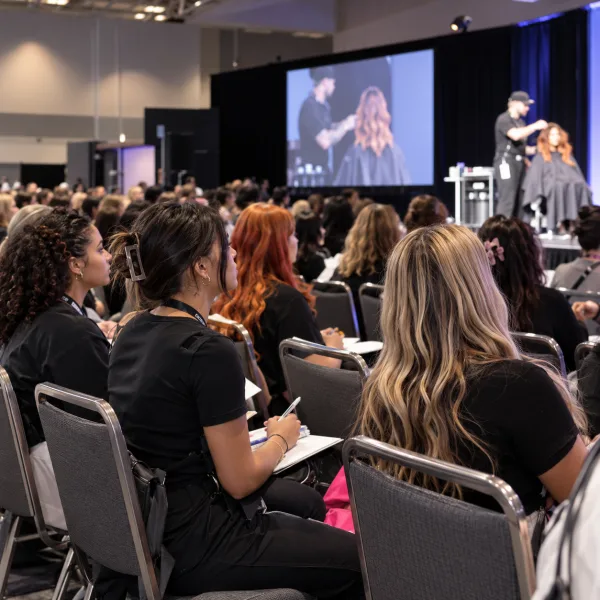
Powered by the brand’s Suite Relief Program, a North America initiative funds education and trade show access for students across cosmetology, barbering, esthetics, nail technology, and massage therapy.

What makes salon content worth a pause? Hairstylists Janelle Eyre, Sean Crutcher and Luis Rodriguez share how they show their work, earn guests’ trust and make posting feel manageable. You can get MORE from these artists in our upcoming webinar!
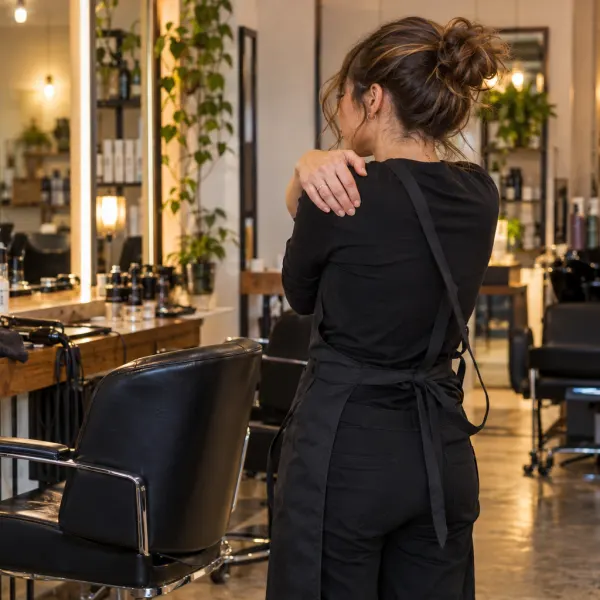
We learn some simple moves and strategies to keep the blood pumping through the muscles and limit posture problems from The Balanced Beauty Pro

Anny VanDriel, owner of Be Rosie Salon and creator of Pricing Isn’t Personal, volunteered to share a pricing presentation to beauty school students a year ago, and ended up learning more than she expected.

From the launch of the Ulta BeautyArtist Collective to the evolution of Trendspiration, celebrating stylists is what The Salon at Ulta Beauty does best.
Sponsored by Ulta Beauty

With more than four decades in the industry, hairdresser and MODE Education founder Stan Newton has built a career around the art and discipline of cutting hair, learning the rules so he can break them.
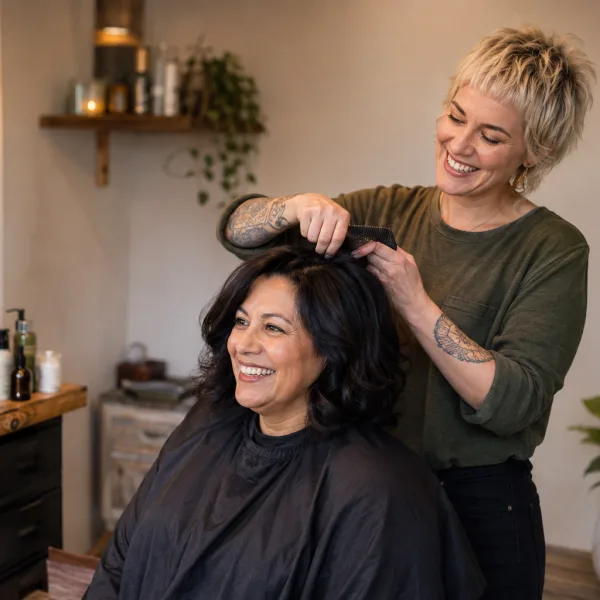
Beauty professionals should evaluate each service based on its popularity, profitability, and alignment with current trends. Conducting client surveys and analyzing booking data can provide insights into which services are in demand and which might be phased out.

LifeSpa leader Ali Yanez explains why strong mentorship, predictable income, meaningful recognition and the right work environment help beauty professionals build careers that last.

Whether a beauty professional chooses a commission salon, booth rental, salon suite or salon ownership, the common thread is having more choices than ever before.

Sport Clips Haircuts will host its inaugural "Level Up Live," a first-of-its-kind virtual event that combines live haircutting education, career inspiration, product knowledge, and employment opportunities for licensed stylists and cosmetology students nationwide.
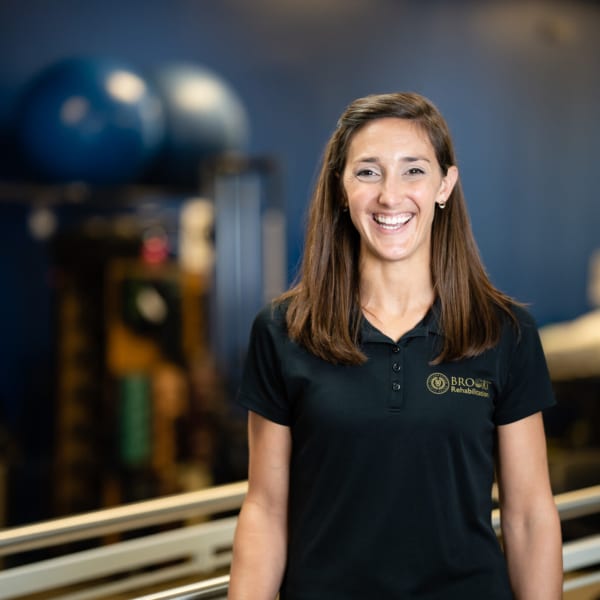
Orthopedic PT reveals three daily exercises plus ergonomic advice that can help salon professionals avoid the aches and injuries caused by standing, bending and repetitive overhead work.

Four publications for beauty industry professionals to enhance their leadership skills, financial awareness, professional growth, and joy!
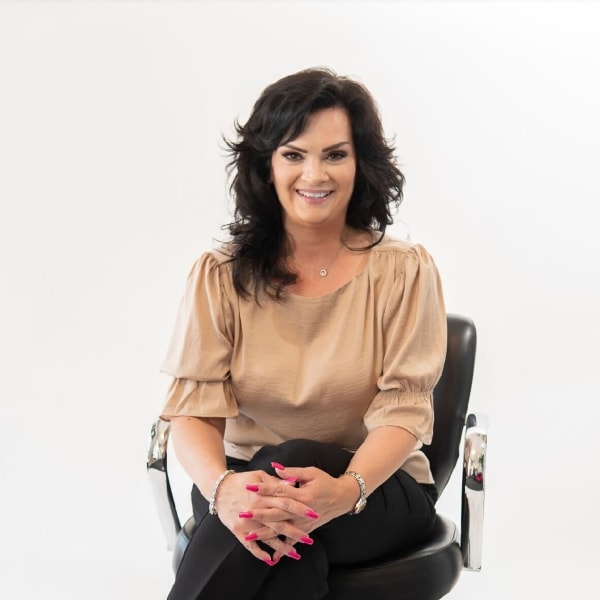
Salon suite pioneer Karen Kaminski argues that the next evolution of independent beauty businesses won't be defined by beautiful spaces alone, it will be driven by smarter systems that help professionals spend less time on administrative work and more time serving clients.

At a time when many LGBTQ+ people felt compelled to hide parts of themselves, Carlos Valenzuela found a career in beauty and a community that offered opportunity based on what you could do and how well you could do it.