



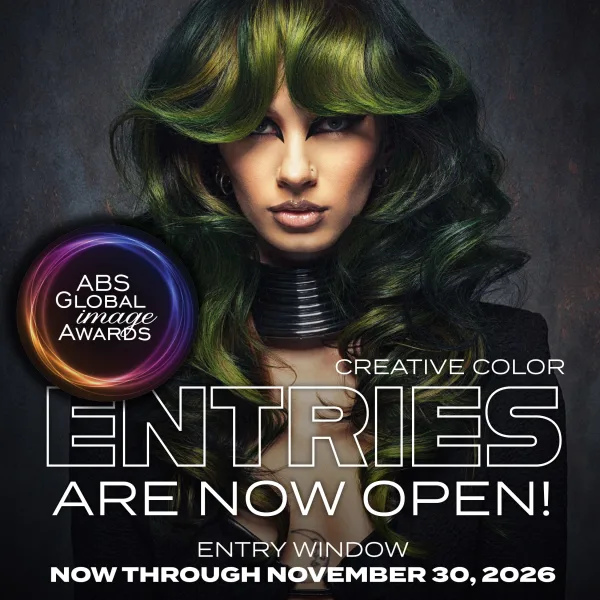
America's Beauty Show Opens Entries for the 2027 ABS Global Image Awards
This global competition celebrates the artistry, energy, and creative PULSE of the professional beauty community.
by Staff
 MENU
MENU SEARCH
Three tips on how to avoid using products that were tested on animals.
“Most women are aware that animals have been used to test products...that their favorite conditioner is not as ‘organic’ as packaging would have consumers believe,” says Santosh Krinsky, head of the international personal-care brand Beauty Without Cruelty (www.beautywithoutcruelty.com) -- the first to ban animal-testing for its products in 1963.
BWC’s products are produced with zero animal testing and contain no animal ingredients.
While vegetarianism, veganism and an overall concern for the ethical treatment of animals have experienced a welcome boom in recent years, animal rights advocacy has a long history, Krinsky says. Among the pioneering entrepreneurs were Lady Muriel Dowding and Kathleen Long, who recognized the plight of conscious creatures and led the animal rights charge in England, eventually launching BWC.
“They helped change the course of how we see other living things and ourselves, pointing out the cruel irony of animal torture as a means to feel beautiful,” he says.
Krinsky outlines three tips for those professionals who want to support cosmetics manufacturers with shared values.
• Labels can be misleading, such as “not tested on animals.” While there are multiple organizations dedicated to animal well-being, there is no strict set of rules governing product labels that read, “not tested on animals” or “we are against animal testing.” The claims may simply mean that a third party does the testing, or they acquire raw materials that are being actively tested on animals by the raw material vendor to supply to the manufacturer. Or, companies may have a loose interpretation of “cruelty-free.”
Most chemicals in most products were, at some point, tested on animals. The certifying agencies, recognizing this fact, have set a “fixed cut-off date” (such as 1996), which acknowledges that no one can undo what was done in the past. “It deepens my joy that BWC, since its inception in 1963, has never commissioned nor accepted animal testing either on its own or by its suppliers for the ingredients used in its products,” Krinsky says.
Look for the endorsement of groups with high certification standards, such as the Coalition for Consumer Information on Cosmetics, whose “leaping bunny” logo is an internationally recognized and trusted symbol. The Vegan Society of England is the stringent clearing house for vegan trademark registrations – look for the word “Vegan” with a flower forming the V.
• “Natural” and “organic” do not necessarily mean a product is cruelty-free. These buzzwords may fall short of certification from a reputable organization. “Natural” and “organic” doesn’t necessarily equate to cruelty-free and “not tested on animals.” Suppliers are required to assess safety for natural and organic ingredients just as for synthetic materials, and evidence may be gathered using animal tests, so those products are as likely as any others to have relied upon animal testing.
“Of course, most of these companies probably are doing their ‘natural’ or ‘organic’ product ethically,” he says. “I encourage conscientious consumers to dig deeper if it’s not clear.”
Also, it’s sometimes the case that ingredients not being tested by a company or its suppliers may still be actively tested for other purposes, or by other companies or in other parts of the world. That is outside the control of the company using the ingredient in a conscientious way.
• Look for the country where the product was manufactured. The EU agreed on a European ban on animal testing, but animal testing is still common practice in the United States, Asia and other parts of the world. American companies no longer test on dogs and cats, however, rabbits, guinea pigs, mice and other creatures are subject to various tests that constitute torture.
This global competition celebrates the artistry, energy, and creative PULSE of the professional beauty community.
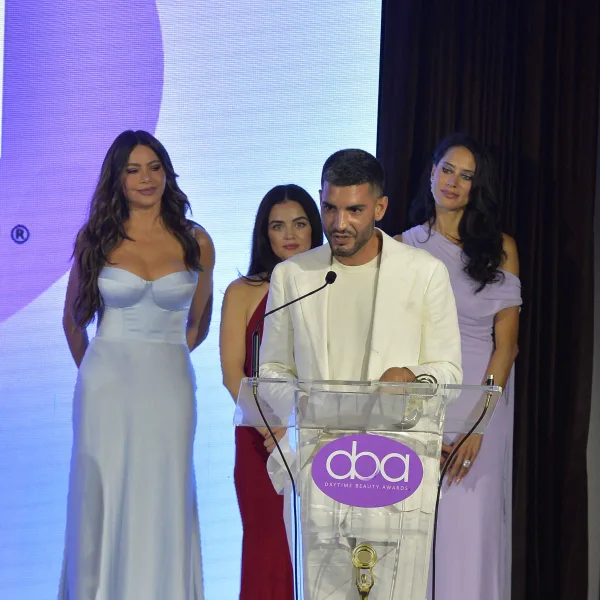
Sofia Vergara, Lucy Hale, Alison Brie, John Salley, Brian Austin Green and more honored the best achievements in Science Behind Beauty, Health & Wellness at this glittering event.
Stress was the factor respondents blamed most often when their skin worsened, cited by 54%, followed by diet at 37% and hormones at 35%.
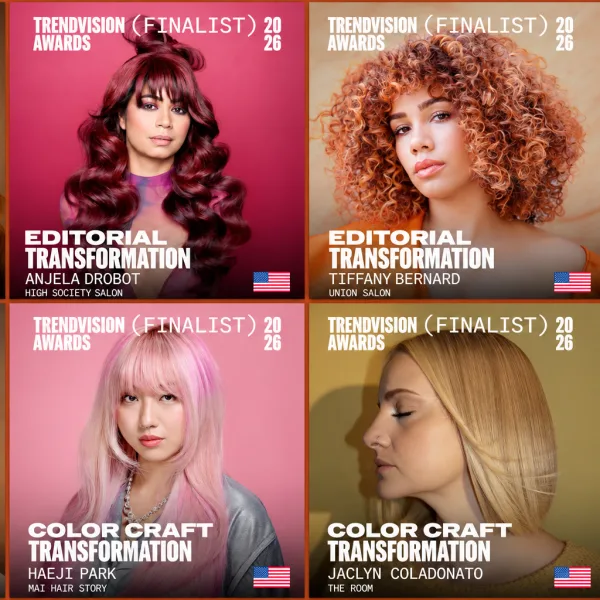
This year’s awards centered around the Monochromatic trend, which is rooted in minimalism and intentional by design.
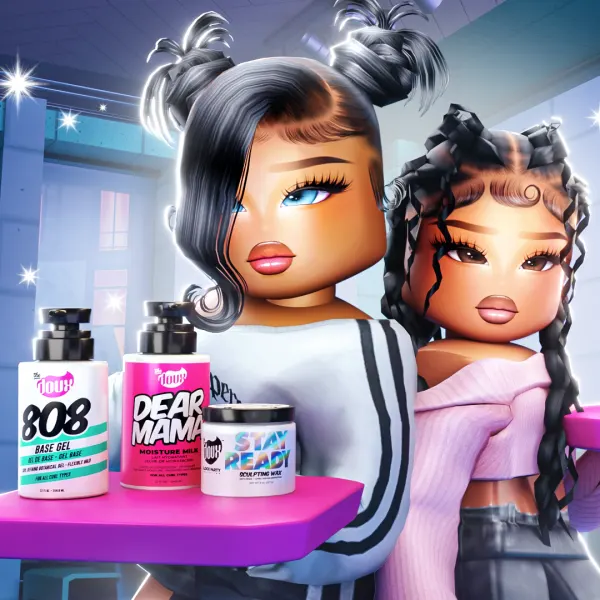
Haircare brand The Doux has launched “My Salon Empire,” a free-to-play salon management game on Roblox, helping the next generation celebrate the diversity of textured hair and explore salon entrepreneurship.
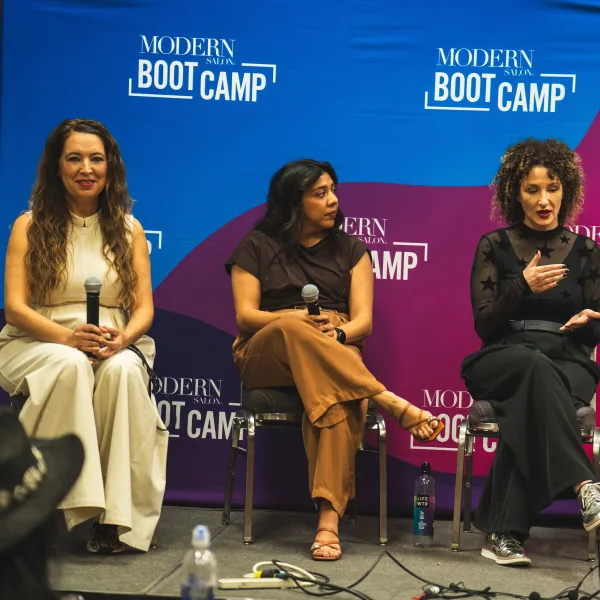
The show reported 30% attendance growth. It felt that way. This event for the southwest professional beauty community had heart, spice, and something for everyone.
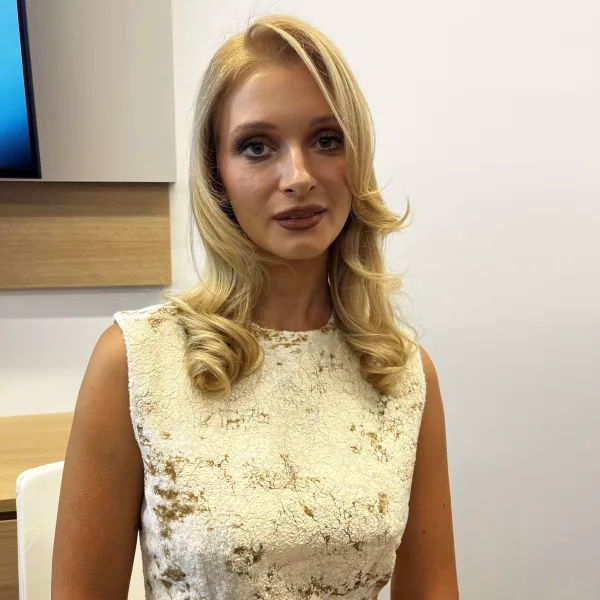
Wella artists presented the Monochromatic trend movement, introduced new Pure Perfection color and Sebastian styling innovations, while the Wella team created interactive fun throughout Wella Studio in Los Angeles.

Dominique LyVar, an influential educator and artist, is remembered by those who loved him for his significant impact on the industry and contributions to the community.
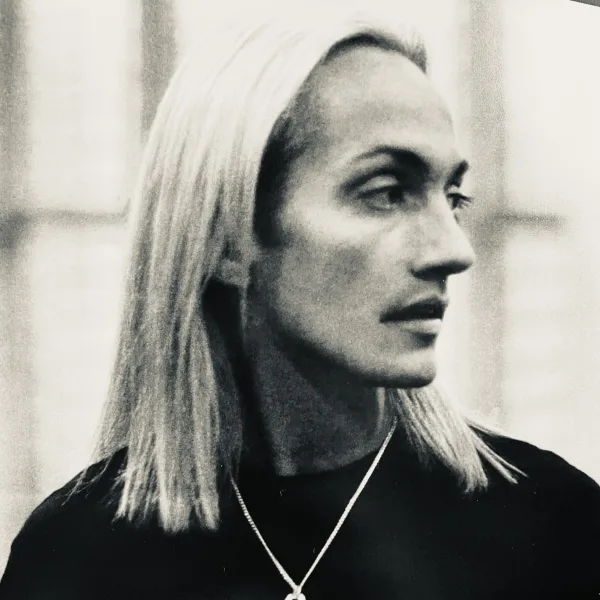
Known for his buttery blondes and a technique for highlighting hair with more precision that he called chunking, Brad Johns died on August 27. His friend and fellow colorist, David Stanko, shares thoughts on his talented colleague and close friend.
As technology evolves at an accelerated rate, you want to make sure you have the best in your business toolkit to help you grow sales, motivate your team, communicate with your current and future clientele, and streamline your managerial tasks. The 2026 SALON TODAY Technology Solutions Guide is designed to help you navigate today's growing landscape of salon and spa technology. In this guide, you'll find a curated look at more than 50 of the latest software platforms, digital solutions, and innovative features to help you compare options and identify the best fit for your business.
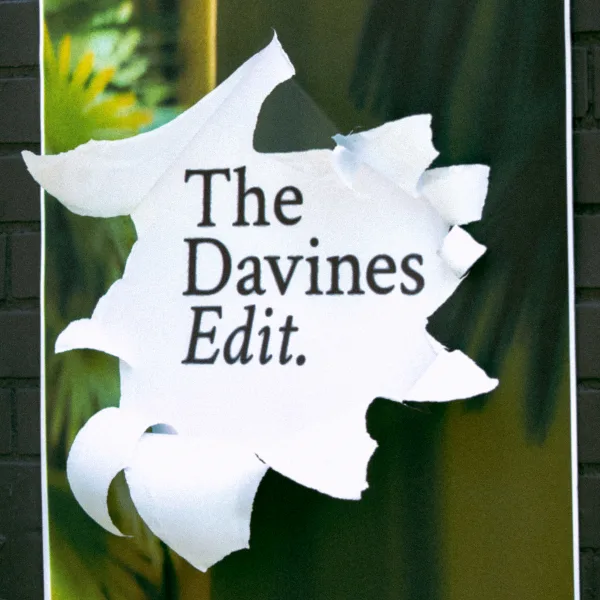
The Davines Edit reflects the brand’s passion for people and planet.
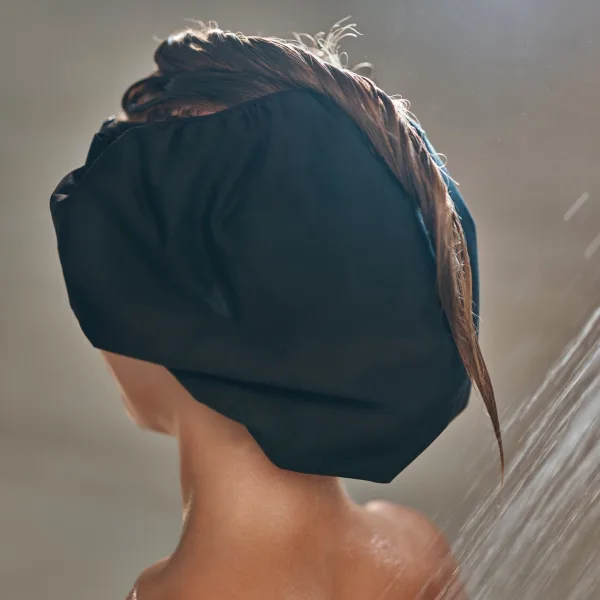
RÜTE Wash introduces a shower cap designed specifically for crown washing, helping clients with hair extensions cleanse the scalp while protecting the lengths from water.
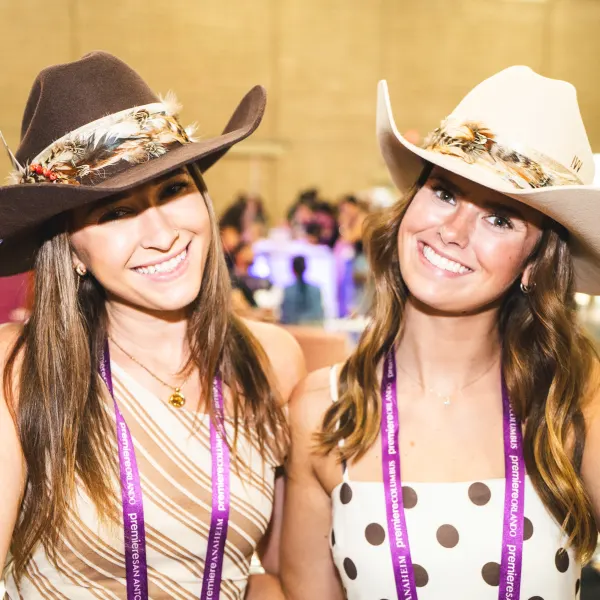
Premiere San Antonio Presented by SalonCentric returns for its fourth edition August 30-31 at the Henry B. González Convention Center, delivering its biggest and boldest event to date.
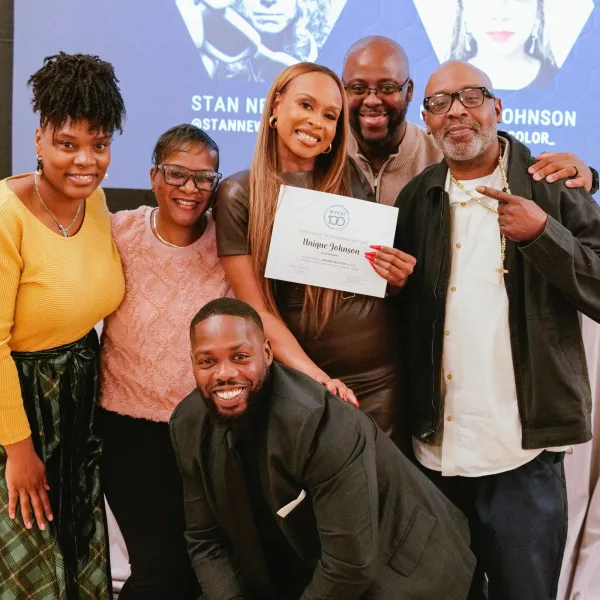
One-Day Personal and Professional Development Education Event for Beauty Professionals Set for October 25, 2026, at the Hilton Philadelphia City Avenue.
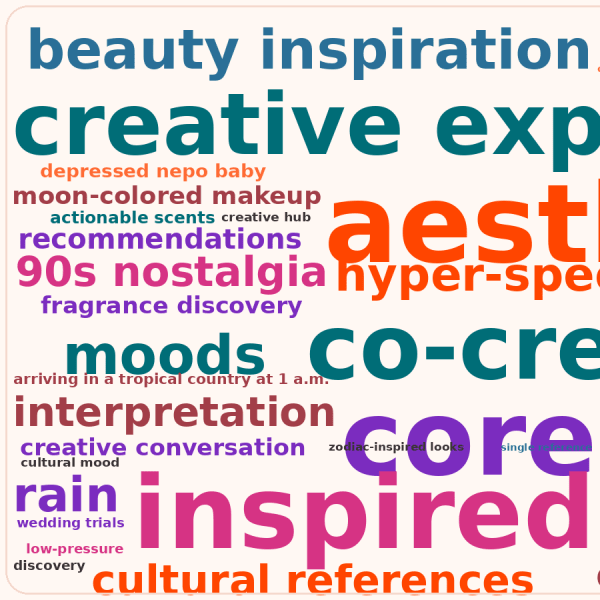
According to the report, people are moving away from copy-paste trends and toward community, using real experiences to develop a sense of taste and beauty that reflects who they are.
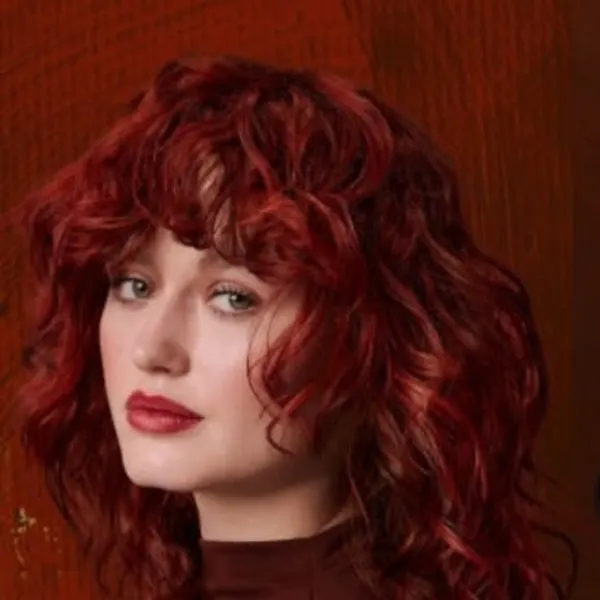
Hairstylists and barbers can showcase their creative and technical vision in two global categories with cash prizes and a chance to represent in Portugal.
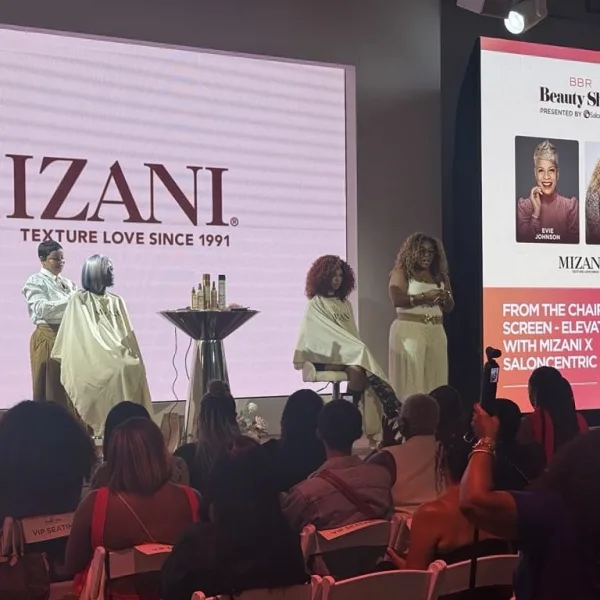
The BBR Beauty Show featured a prominent speaker lineup including Lacy Redway, Karrueche Tran, Danessa Myricks, Chelley B., Sabrina Elba, Jessica Harris-Dupart, and more.