






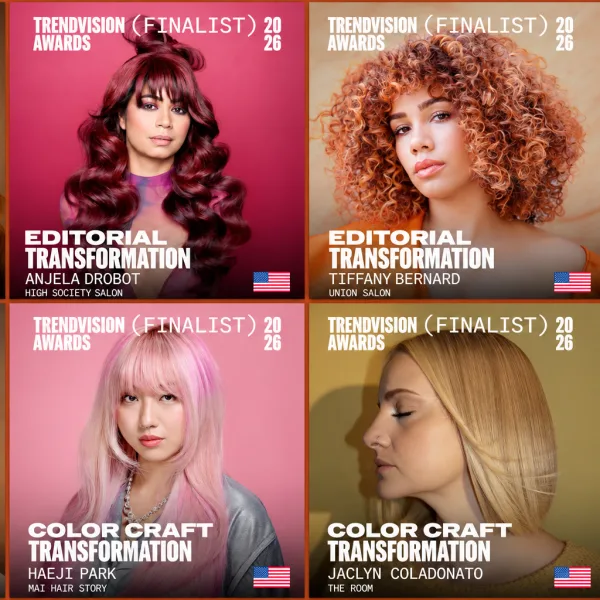
Wella Announces the Finalists of Wella Trend Vision Awards
This year’s awards centered around the Monochromatic trend, which is rooted in minimalism and intentional by design.
by Anne Moratto
 MENU
MENU SEARCH
Shifting curly clientele to wear natural texture more often can build business, nourish creativity and cement loyalty.
The client comes in expecting a blowout. That’s what she’s always had, so that’s what she expects. But, deep down, that’s not always what she wants. What the client wants is to feel beautiful.And for curly clients, the road to feeling beautiful has, well, twists.
Sometimes it’s a blowout or straightening service, while other times natural alternatives can give curlies a fresh look for a day or an entire season. Driven by celebrity and fashion trends, stylists across the country are taking curly clients by the hand and guiding them down the winding path that leads straight to the heart of who they are. The “true texture” benefits are obvious to the client—but also powerful and profitable for the salon and stylist, given the range of new curl-enhancing products and service opportunities that the professional beauty industry has created to help clients celebrate texture as well as tame it.
“In the consultation, I ask about the client’s goals and get her hair history,” says Tracy Aaron, a stylist at 7 Salon in Bellevue, Washington.
Many times, she finds that women want to embrace their curl but have not been taught any styling strategies except how to dry their hair straight.
“Consultation is a huge part of the service even with clients you’ve had for a long time,” agrees Jessica McConnell, assistant manager at Frontenac Salon and Spa in St. Louis, Missouri. “Clients leave you because they can’t get something new. They may want something fresh or fun just for that day, so we help people discover their curls.”
Some days, the weather impacts which style will fare best. In the Northwest, where it rains a lot, Aaron says a smooth, straight look can lose its “wow” factor when the client walks out into the drizzle.
Mindi Umbrell, a stylist at Akada Salon in Columbus, Ohio, is an advocate for working with someone’s natural texture to “mix it up” and offer options. “If someone is flatironing or blowing it out every single day, I teach her how to wear her hair in a natural way instead of fighting it,” she explains. “But if I have a client who absolutely hates her curl and isn’t going to change, then I will teach her how to keep her hair healthy.”
When you assume every curly client wants a straight look, you forfeit the opportunity to educate her about her options, adds Aaron. “I lose the chance to watch that client leave the salon with a big smile, thanking me for opening up her world to something she already had but didn’t know how to bring out,” she says.
Thinking along the same lines is Wafaya Abdallah, owner of Oasis Salon in Rockville, Maryland. “We call it ‘setting them free,’” says Abdallah. “because they’re embracing who they are. When women see how beautiful their curly hair looks with no frizz and without taking off too much length, I’ve had women cry in my chair.”
In Houston, independent stylist Geri Curtis says that women are so accustomed to straightening their hair that they can’t believe the curly look she fashions for them is their hair.
“I’ve had clients tell me that I’ve changed their life—that it’s a miracle,” says Curtis, who plans an April opening for her new salon, aptly called Planet Curls. “And male clients come in with big frizz! I teach them how to manage it, and they go from being hippies to these dudes with beautiful curls!”
The salon visit is an awakening, agrees Marie Sansom of Curly Cutz by Marie at New Images Salon in Georgetown, Texas. When you give clients the tools and the knowledge that they need for their hair type, you help them like their hair. “They see that they can achieve an even curl,” Sansom says. “By the time we’re finished, they’re amazed—and I’m amazed, too! It’s exciting to see how each head of hair will turn out!”
Like Aaron, Sansom looks at every curly encounter as an opportunity to educate. Booking each new client into a two-hour slot, Sansom tells these clients, “I’m going to break down what you think you know about your hair, and then I’m going to build up new knowledge.”
How They Started
“Although cosmetology school did not teach us effective curly-hair techniques in school, I thought I knew about curly hair because I had curly hair,” says Sansom. “But I didn’t know anything; I had always straightened my hair.” Beginning in 2007, Sansom took three years off to stay at home with her children and spent that time researching the art and science of curly hair and experimenting on her own hair.
For Aaron, who does not have curly hair, the curly cue clicked when 13 years ago a regular client told her, “I really like you. You’re a great person. But I hate the way you do my hair.” She wanted to wear her hair curly, not blown out, so Aaron made a deal: she’d do the client’s cuts for free if she could practice her skills on her.
“It took some trial and error,” Aaron continues. “I asked the advice of other stylists, and I went online to learn about porosity, texture and curl patterns. But mostly I listened to my clients, learning what had and hadn’t worked for them. Even though I had a strong background in cutting, I’d approached cutting from a perspective of precision, so I had to readjust my thinking.”
It took Aaron three years to develop the expertise, and by then she had so many curly clients that she could specialize. Now when clients ask for a blowout or flatironing, she refers them to other stylists in the salon.
Umbrell has enjoyed exploring natural textures of all kinds ever since training in the Vidal Sassoon method.
“I found that I agreed with the Sassoon philosophy of working with what the client naturally has,” Umbrell says. “It’s rare that you see Sassoon instructors pull out any kind of iron; they don’t even use round brushes. They’re all about giving someone an awesome cut for her natural texture.” Through advocating this approach and wearing her own curl in a natural style, Umbrell found herself attracting a large curly clientele and now thinks of herself as a curl expert while still enjoying all types of hair.
“I’m an artist and love the diversity,” says Umbrell.
A’Kiyia Kelly also entered the specialty through a preference for natural texture. “There was no dramatic turning point,” says Kelly, who’s been doing hair for 20 years and now has A’Kiyia’s Natural Twist & Hair Braiding in Kennesaw, Georgia. “I got tired of experiencing breakage from too many perms, too much heat. I educated myself about braiding and other natural styles, improving my skills by practicing on myself and my mom, talking to other stylists and watching styling videos.”
Abdallah didn’t find the curly-hair specialty as much as the specialty found her—through retail. She’d been doing hair for 20 years when a salesperson wanted her to try a line of products targeted to curlies.
“We put them on the shelf,” she recalls, “and all of a sudden clients started asking whether we were now doing naturally curly hair!” The timing was right. She and her stylists invested in training, and now the majority of the salon’s clients ask for a natural texture look.
McConnell was drawn to curly hair because she and the salon’s owner both wanted to embrace her own texture. Eight years ago they took a class and, with their sharpened skills, their curly clients started looking better and that attracted more curly clients.
“When we took that first class, we had no idea the impact it would have on our business,” McConnell says. “We weren’t trying to start a revolution. But within about a year we realized the effect we were having, so we sought out more education.” To promote their new expertise, the salon’s website is CallingAllCurls.com.
The Money Follows
Naming your salon or website something specific to curly hair is one way to market your expertise, confirms Michelle Breyer, president of Texture Media Inc. and co-founder of consumer web site NaturallyCurly.com. If you prefer not to make that much of a commitment, you can still develop natural texture business by presenting all the alternatives to every curly client.
“Blowing out the client’s curls has become a revenue source that stylists and salons are used to,” Breyer says. “But a growing number of women want to know all their options with curly hair. By providing them with options, you will expand your market, not shrink it.”
Curtis’ experience bears this out. “Now I have a wait list, which I never had,” she says.
McConnell adds, “We think of ourselves as a family salon, so we do have straight-haired clients, but today about 70 percent are curly. It’s a niche market; if you spend the time to learn about curly hair, it will help your business. It’s kept us busy at a time when other salons weren’t.”
Abdallah made the switch to primarily natural looks at what might have seemed the worst possible time—in 2008, just as the economy was sinking— and yet her salon thrived. “That first year the salon grew 20 percent,” she reports. “We’ve grown every year since, and we don’t advertise at all.”
As Abdallah discovered, word-ofmouth tends to drive the natural texture business. At her salon with only five stylists, Abdallah counts 50 to 70 new referrals a month, increasing in summertime to 100 or even more. Every six to eight months, she’s had to add another stylist.
Professionally crafted braids and twists are client magnets. “People with those looks attract attention,” says Kelly. “Women are always asking my clients for the name of the stylist who did their hair. I also get a lot of clients through YouTube; I demonstrate braiding on videos, and I have a lot of subscribers.”
Agrees Breyer, “People walk up to curlies on the street if they like their look. Curly clients also are very loyal and will travel hours for the right stylist.”
Curlies tend to be enthusiastic and are willing to write reviews for stylists who solve their hair issues, plus the specialty can earn attention from the press. “My initial curly client wrote the first review of me on NaturallyCurly.com,” says Aaron, “and then a local magazine wrote an article about me. That’s when my business really took off.”
Some stylists charge a premium for the more complicated texture hair cut, and up-servicing can become a further revenue source. Umbrell builds her curly clients’ tickets with glossing to bring out the shine. “Glosses give the client versatility,” she says. “On curly hair, which is more porous, the glosses fade really nicely.”
An increasingly popular way to generate curly business is to hold “curly night out” educational parties. It’s a great way to sell retail, which in itself boosts the curly ticket. As Curtis observes: “Curly girls buy a million products.”
This year’s awards centered around the Monochromatic trend, which is rooted in minimalism and intentional by design.

Haircare brand The Doux has launched “My Salon Empire,” a free-to-play salon management game on Roblox, helping the next generation celebrate the diversity of textured hair and explore salon entrepreneurship.
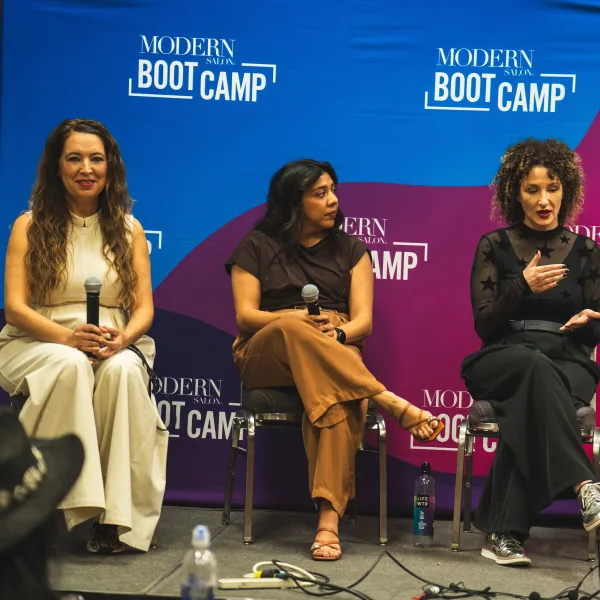
The show reported 30% attendance growth. It felt that way. This event for the southwest professional beauty community had heart, spice, and something for everyone.
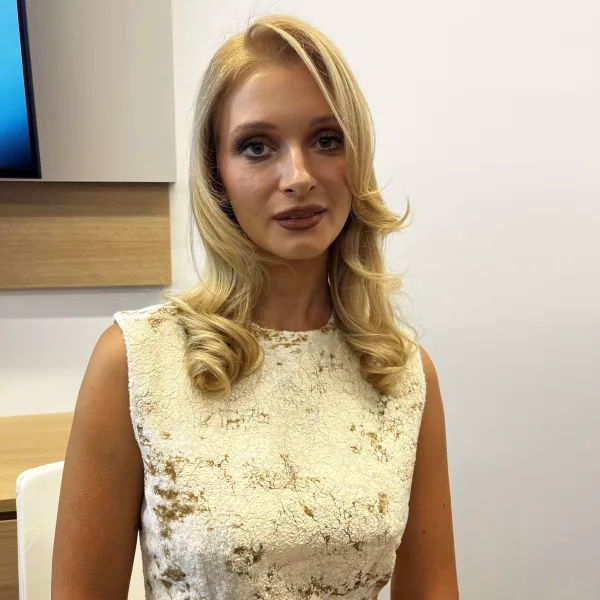
Wella artists presented the Monochromatic trend movement, introduced new Pure Perfection color and Sebastian styling innovations, while the Wella team created interactive fun throughout Wella Studio in Los Angeles.

Dominique LyVar, an influential educator and artist, is remembered by those who loved him for his significant impact on the industry and contributions to the community.
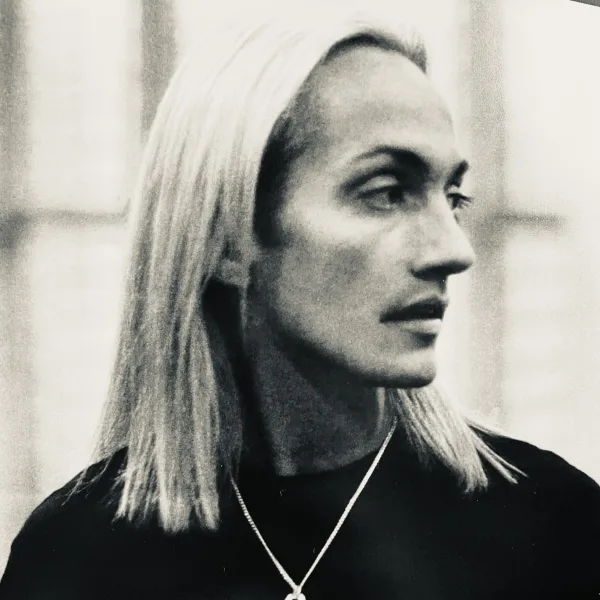
Known for his buttery blondes and a technique for highlighting hair with more precision that he called chunking, Brad Johns died on August 27. His friend and fellow colorist, David Stanko, shares thoughts on his talented colleague and close friend.

As technology evolves at an accelerated rate, you want to make sure you have the best in your business toolkit to help you grow sales, motivate your team, communicate with your current and future clientele, and streamline your managerial tasks. The 2026 SALON TODAY Technology Solutions Guide is designed to help you navigate today's growing landscape of salon and spa technology. In this guide, you'll find a curated look at more than 50 of the latest software platforms, digital solutions, and innovative features to help you compare options and identify the best fit for your business.
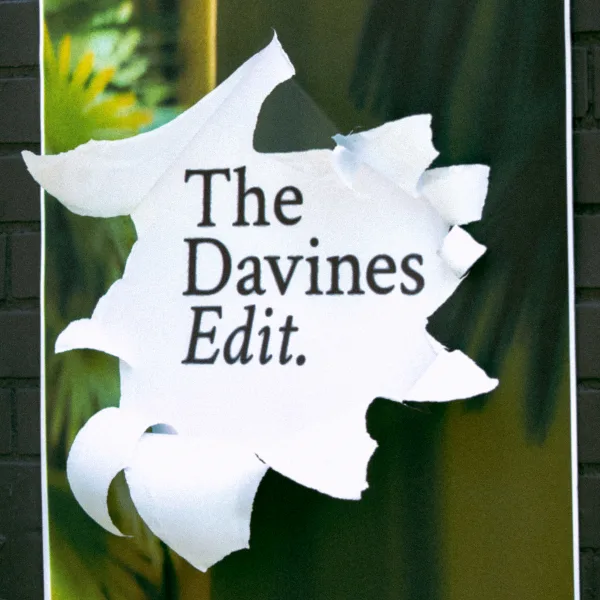
The Davines Edit reflects the brand’s passion for people and planet.

RÜTE Wash introduces a shower cap designed specifically for crown washing, helping clients with hair extensions cleanse the scalp while protecting the lengths from water.
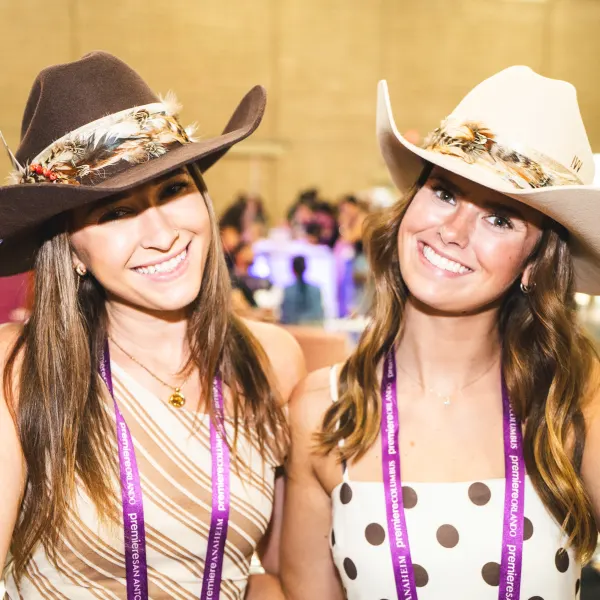
Premiere San Antonio Presented by SalonCentric returns for its fourth edition August 30-31 at the Henry B. González Convention Center, delivering its biggest and boldest event to date.

One-Day Personal and Professional Development Education Event for Beauty Professionals Set for October 25, 2026, at the Hilton Philadelphia City Avenue.
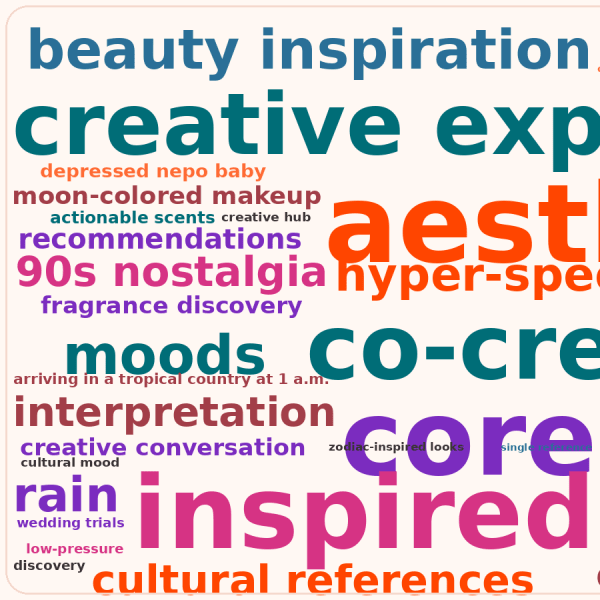
According to the report, people are moving away from copy-paste trends and toward community, using real experiences to develop a sense of taste and beauty that reflects who they are.

Hairstylists and barbers can showcase their creative and technical vision in two global categories with cash prizes and a chance to represent in Portugal.
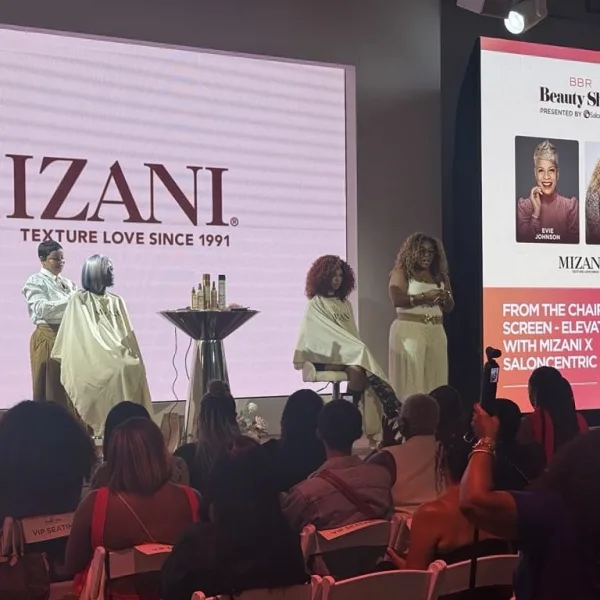
The BBR Beauty Show featured a prominent speaker lineup including Lacy Redway, Karrueche Tran, Danessa Myricks, Chelley B., Sabrina Elba, Jessica Harris-Dupart, and more.
The Professional Beauty Association and Pivot Point team up to develop an ongoing study that measures the confidence of salon owners, stylists, school owners, and students.
This shared recognition celebrates the strength of industry collaboration in advancing professional mobility.
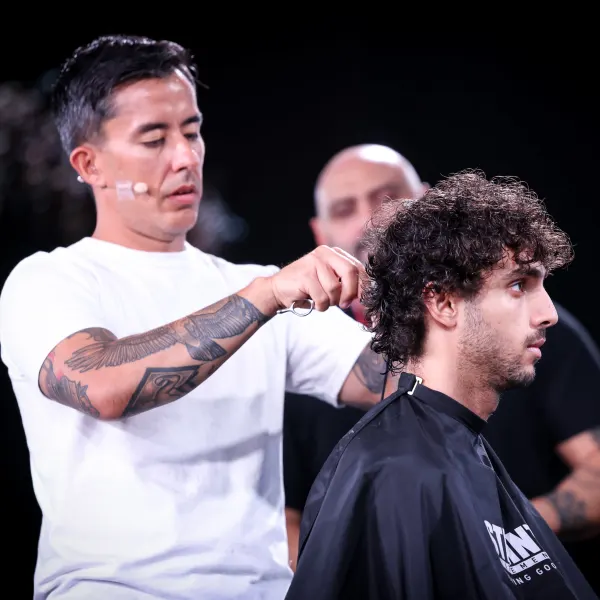
In Dubai, a salon visit isn’t an appointment. It’s a weekly routine, and clients can spend $800 to $1,400 a month on it, according to Gaurav Tripathi of MADI International. On October 6-8, 2026, the market behind those numbers opens its doors as Beautyworld Dubai marks its 30th edition at the Dubai World Trade Centre, bringing together distributors, brands, stylists and salon owners from all over the world.
Sponsored by BeautyWorld Dubai