5 Tips for Perfect Shade Selection and Color Placement
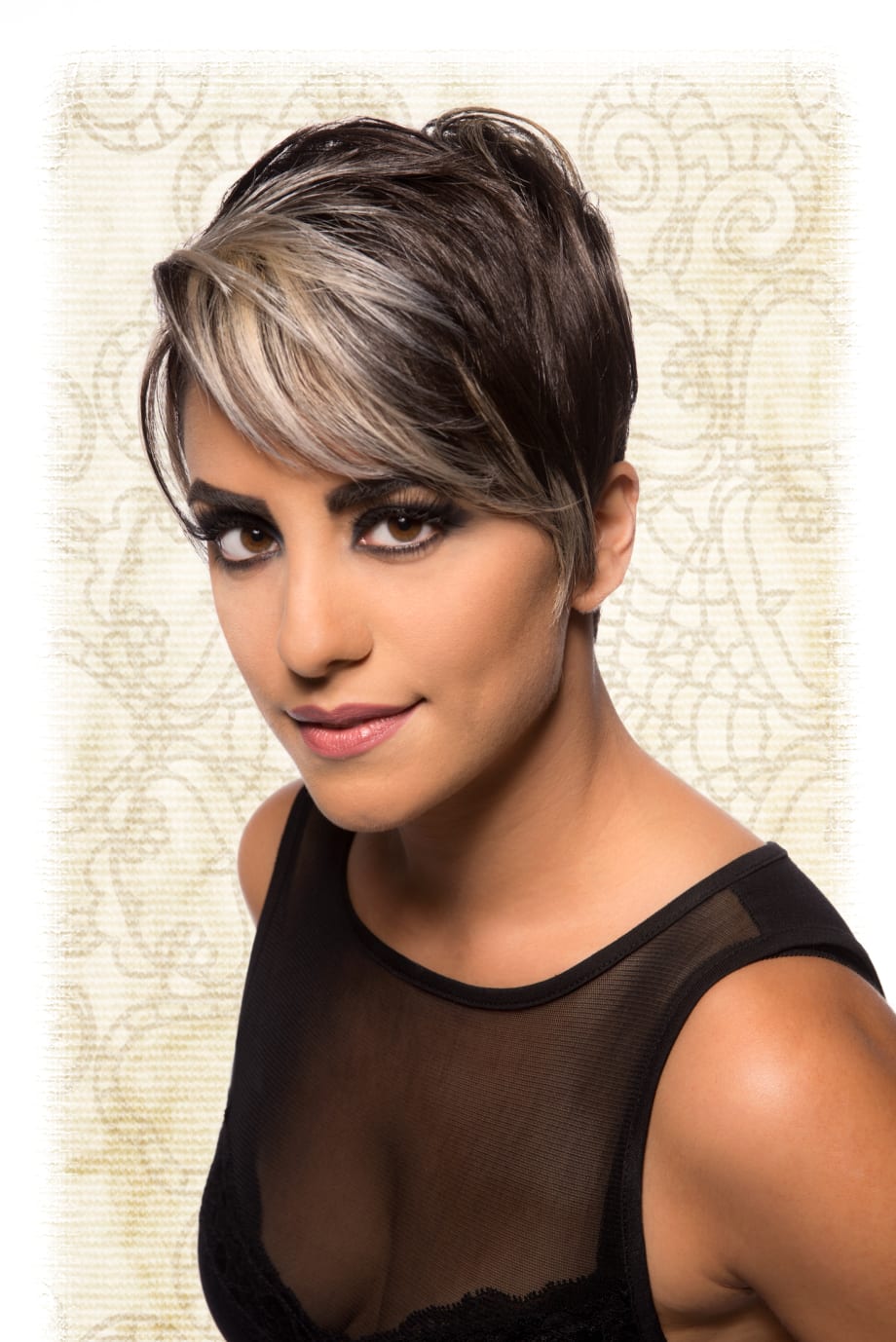
It’s all about customized color that works with the cut. At the David Salon in Costa Mesa, California, Nicole Ankenman uses placement to draw attention to focal points. She bases her shade selection on what complements skin tones. Here, ...
Elizabeth Jakaitis・Assistant Editor
January 16, 2015
A cut that is tight around the hairline, razored at the sides and disconnected at the texturized top is ideal for contrasting colors that showcase movement.
2 min to read
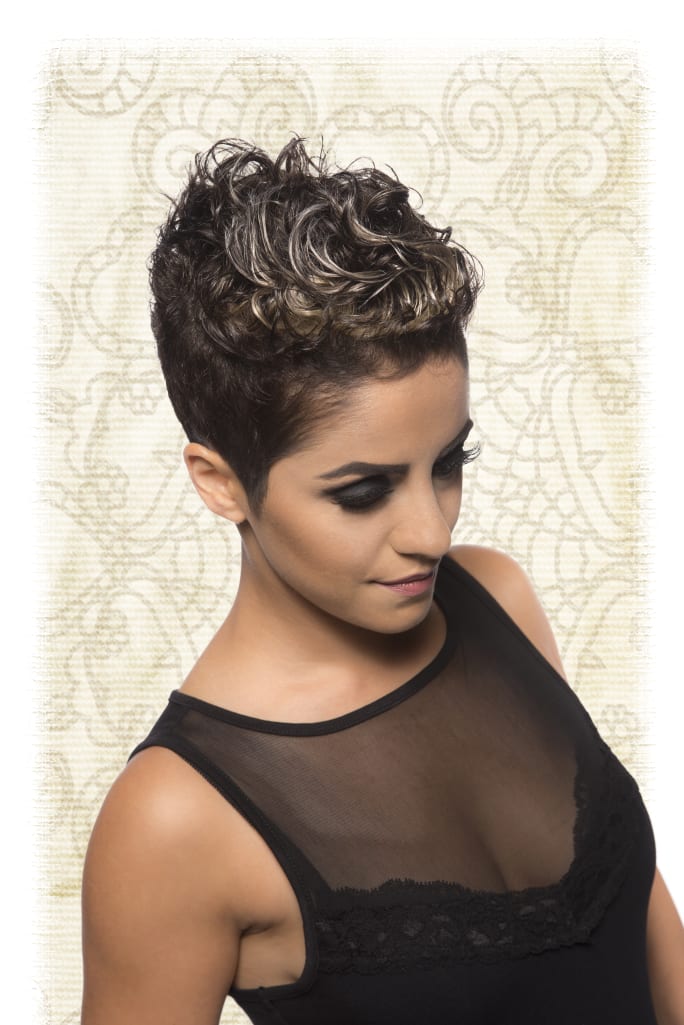
It’s all about customized color that works with the cut. At the David Salon in Costa Mesa, California, Nicole Ankenman uses placement to draw attention to focal points. She bases her shade selection on what complements skin tones. Here, the top is broken up with a chevron of silvery beige, which contrasts nicely with the model’s new soft, matte brunette base and livens up her olive skin tone. Placement also enhances her natural curl.
Ankenman’s tips for perfect shade selection and color placement:
Ad Loading...
1. Make sure lighter pieces are evident on thick, curly hair. Take fine back-to-back slices. If you try to lift larger sections, you’ll get uneven color and an orange unprocessed root with hair that is lighter on the ends.
2. Consider future changes. On this model, the color can be toned to soften the contrast or completely covered if the client wants a change. It also grows out without looking obvious. “This color is non-committal—you can’t see the root of the color placement because of how the hair is cut and styled,” adds Ankenman.
3. Make your color transitional, so it looks different based on how the hair is styled. Here, the model can hide some color splashes by wearing her hair curlier, or showcase them by shifting the part or blow drying her hair straight.
4. Coloring the hairline can be tricky when naturally coily hair is cut super short. Use a color-blocking cream at the hairline and push it slightly into the hair to avoid creating a hard color line or getting color on the skin.
5. To platinumize a shade, lighten to the light-yellow stage, then tone with beige. This creates the customized, contrasting color that dark-haired clients want.
Ad Loading...
CREDITS:
Hair: Nicole Ankenman
Makeup: Lee Yim
Photography: Taggart Winterhalter for Purely Visual
What makes salon content worth a pause? Hairstylists Janelle Eyre, Sean Crutcher and Luis Rodriguez share how they show their work, earn guests’ trust and make posting feel manageable. You can get MORE from these artists in our upcoming webinar!
Anny VanDriel, owner of Be Rosie Salon and creator of Pricing Isn’t Personal, volunteered to share a pricing presentation to beauty school students a year ago, and ended up learning more than she expected.
From the launch of the Ulta BeautyArtist Collective to the evolution of Trendspiration, celebrating stylists is what The Salon at Ulta Beauty does best.
With more than four decades in the industry, hairdresser and MODE Education founder Stan Newton has built a career around the art and discipline of cutting hair, learning the rules so he can break them.
Beauty professionals should evaluate each service based on its popularity, profitability, and alignment with current trends. Conducting client surveys and analyzing booking data can provide insights into which services are in demand and which might be phased out.
LifeSpa leader Ali Yanez explains why strong mentorship, predictable income, meaningful recognition and the right work environment help beauty professionals build careers that last.
Whether a beauty professional chooses a commission salon, booth rental, salon suite or salon ownership, the common thread is having more choices than ever before.
Sport Clips Haircuts will host its inaugural "Level Up Live," a first-of-its-kind virtual event that combines live haircutting education, career inspiration, product knowledge, and employment opportunities for licensed stylists and cosmetology students nationwide.
Orthopedic PT reveals three daily exercises plus ergonomic advice that can help salon professionals avoid the aches and injuries caused by standing, bending and repetitive overhead work.
Salon suite pioneer Karen Kaminski argues that the next evolution of independent beauty businesses won't be defined by beautiful spaces alone, it will be driven by smarter systems that help professionals spend less time on administrative work and more time serving clients.
At a time when many LGBTQ+ people felt compelled to hide parts of themselves, Carlos Valenzuela found a career in beauty and a community that offered opportunity based on what you could do and how well you could do it.
Whether it's social media, fashion, film, art, or culture, Chaz Dean advises stylists to stay aware of what's inspiring people. Take the elements that make sense for you in these five lessons learned through a life in beauty.
For Jessica Domoney, building a successful career isn't about saying yes to every opportunity, it's about protecting your time, investing in yourself and creating an experience clients won't forget.
"The mistake people make is treating AI like a vending machine instead of a personal assistant." Digital marketing expert Scott Moon shares how beauty professionals can use AI while staying authentic