





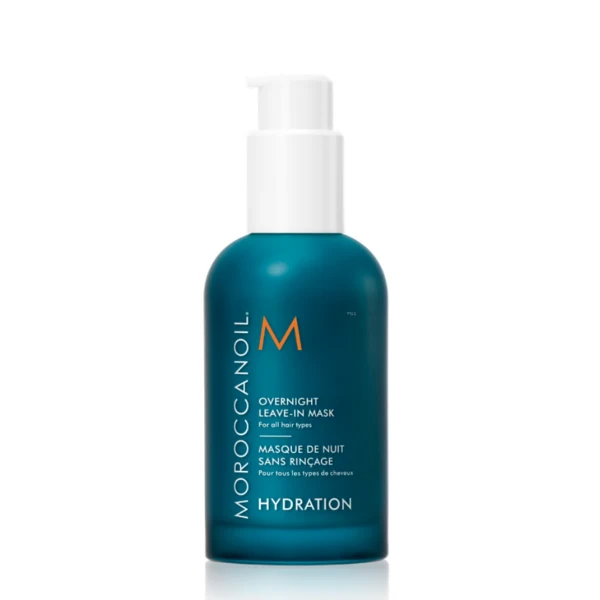
Moroccanoil Introduces Overnight Leave-in Mask: The Ultimate Treatment for Deep Hydration and Lasting Smoothness
Moroccanoil's new hair mask features innovative vegan snail mucin to help seal in moisture and smooth hair overnight.
 MENU
MENU SEARCH
Hair Cuttery educator Starr Mason shares her expertise in protective styles.
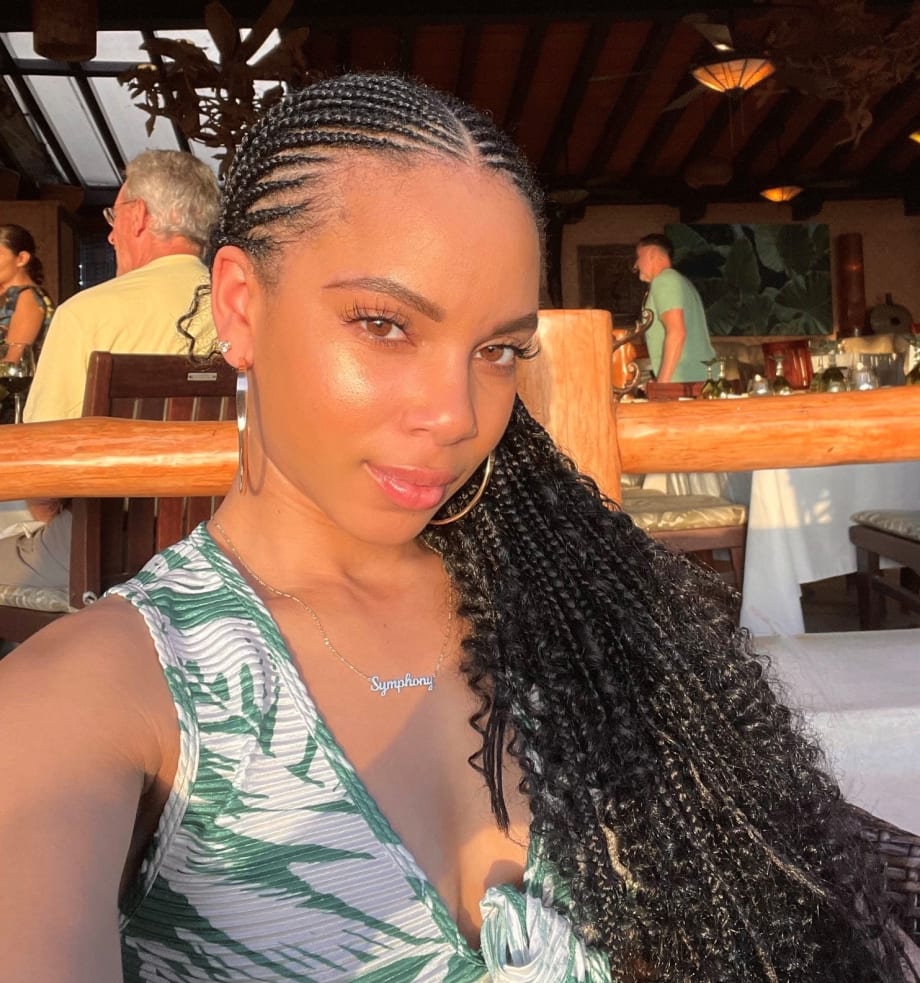
Cornrows on top; boho-style knotless box braids on the bottom
Photo: Symphony Dixon
Combing, pulling, stretching, fiddling. Setting, flat-ironing, and heat-drying. Our hair puts up with a lot from us. For your clients with textured hair, that can mean a constant risk of breakage. You can hear the hair pleading: Just give me a rest!
The solution is to offer these clients a protective style. Starr Mason, Field Education Leader at Hair Cuttery Family of Brands, is an expert on protective styles and wears them herself. Offering your client a protective style indicates you’ll either cover the hair, tie it into place, or combine those two strategies. Mason identifies four general categories of protective styles.
Wigs. A wig is the ultimate protective style. Not only is the client unable to touch the hair, but environmental elements also cannot reach it. Underneath the wig, the natural hair can be cornrow-braided to keep it safe and in place. Wigs can be made of either human hair or synthetic hair.
The big advantage to wigs, Mason says, is the ability to easily switch up the style. A client with multiple wigs can wear one style for work and have a completely different look to go to an event the same evening.
“With wigs, I can change my attitude,” Mason says. “My hair can be short and curly or long and flowing.”
Crochet braids
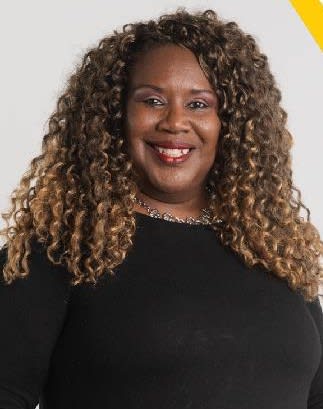
Starr Mason wearing crochet braids
To achieve a crochet style, first braid the hair in cornrows and then use a “latch hook” crochet tool to attach extensions. At two to three hours, the looping process of attaching the hair goes much more quickly than braiding naturally long, textured hair into a similar look.
“The cool thing about crochet styles is that the add-in hair comes in many different styles, textures, and colors,” Mason says. “The guest picks what she wants, you braid her hair and then crochet the hair into the braiding, and the crochet comes out only when you cut it out.”
Typically, the crochet lasts about a month, depending on the texture of the hair—the straighter and finer the texture, the shorter the time frame. Usually a synthetic blend, the add-on hair can just be rinsed in the shower.
Cornrows
While cornrows keep the hair in place under a wig or with a crochet, they also can be a style on their own, but Mason cautions stylists to be mindful of guests with thinning hair. For a great look, Mason suggests creating cornrows that form a little ponytail and then attaching a long or curly ponytail onto the ends.
Other braiding
Braids have always been an effective way to protect textured hair or keep any hair from reacting to the elements. Braids give the client a style she can keep for days with little additional maintenance. The downside is the time involved. Braiding long, textured hair into a lot of individual braids can take as long as 10 hours, according to Mason.
Weaves
Weaves continue to have their fans. To do a traditional sew-in weave, the stylist sews a weft of, usually, human hair onto prebraided hair with a special sewing needle and special thread. Guests can either opt to have a partial, “leave-out” weave that leaves the natural hair out at the top to blend it or choose “full closure” with no hair left out.
“A weave is a classic look,” Masons notes. “It looks more like it’s the person’s real hair. Your client will look as if she has long, flowy hair.”
Because it’s human hair, weaves can be expensive, Mason adds. Whereas a five-pack of synthetic hair for a crochet might cost $30, even if the client wears all five at once it’s nowhere near the cost of what might be a $300 weave. But you can take out a weave and reuse it, while the synthetic hair is not reusable.
Even if you do not offer protective styles, you should encourage your protective style guests to come to you, the professional, for the preservice—the shampoo, conditioner and protein treatment—and for any color service. Then you can refer your guest to a specialist in protective styles.
“Let’s say that your guest is getting an extension of blonde cornrows,” Mason says. “Her natural hair should be blonde as well. Suggest bringing in her extension hair so that you can match the color perfectly.”
In addition, you can help your protective style clients to maintain scalp health.
“Apply a serum or oil to the scalp after it’s braided but before you add a crochet or wig,” Mason recommends. “The oil helps loosen up the braid while adding protective moisture. Apply it at the part with a needle-nose dropper; the body temperature will melt it and spread it throughout the head. This step helps the hair from getting dry and causing breakage, which would defeat the purpose of wearing the protective style.”
Protective styles have evolved.
Mason explains, “When I was growing up, we wore our hair braided and got it pressed to make it straighter. Braiding was considered a ‘locked down’ style. We didn’t call it ‘protective,’ but since we weren’t using heat to curl it or blow it dry, the braiding was protecting the hair.”
Between the braiding of Mason’s youth and the protective styles of today came decades of chemical relaxers that gave people with textured hair the ability to wear straighter looks. Mason says protective styles began replacing chemical relaxers at roughly the dawn of the 21st century, when the fashion changed to more natural-looking styles.
“When this movement started, people would go through the ‘big chop’ to cut off their relaxer hair and leave the new, natural hair coming in,” Mason explains. “We would give them a protective style to let their hair grow out before the big chop—to protect that new hair from breakage at the point where natural hair meets relaxer hair. People were also still flat-ironing their curly or coily hair, which makes the hair lose its curl pattern. So we protected their hair to give it a rest.”
Men’s hair never quite went through this transition.
“When men wear their hair braided, they’re considered to just have a braided look,” Mason says. They wouldn’t refer to it as a protective style. It’s just their style.”
For daily maintenance of textured hair, there’s nothing like a protective style.
“Your hair is part of your fashion,” Mason says, a truth that hairdressers see played out day after day in their chairs. “If your hair is a mess, even if you’re wearing the best clothes you don’t feel like yourself.”
That’s why Mason believes women with textured hair are willing to budget for protective styles that keep daily maintenance time at a minimum.
“It’s a lifesaver,” she says. “With my natural hair, I have to set it with gel at night, comb it out in the morning, and then apply more product. With a protective style, I sleep in a silk bonnet, remove it in the morning, spray in a leave-in conditioner with a little water, run my fingers through the crochet, and I’m ready to go. My curls are set.”
Moroccanoil's new hair mask features innovative vegan snail mucin to help seal in moisture and smooth hair overnight.
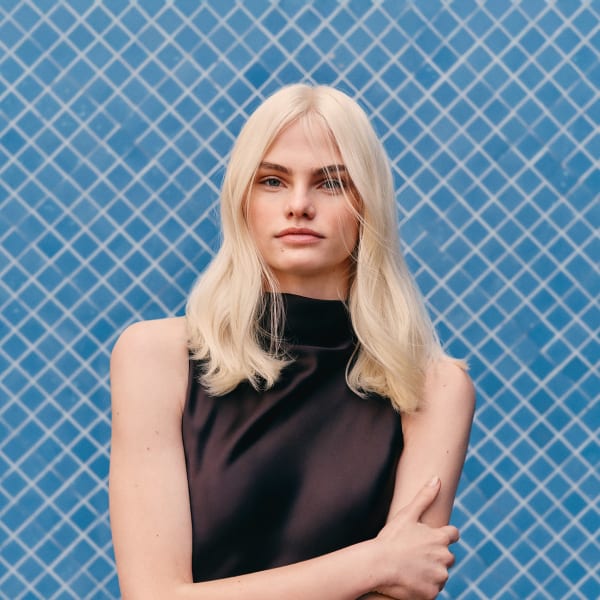
Are your blondes feeling blah? Give ’em a lift with LightDimensions SilkLift Strong
Sponsored by Goldwell
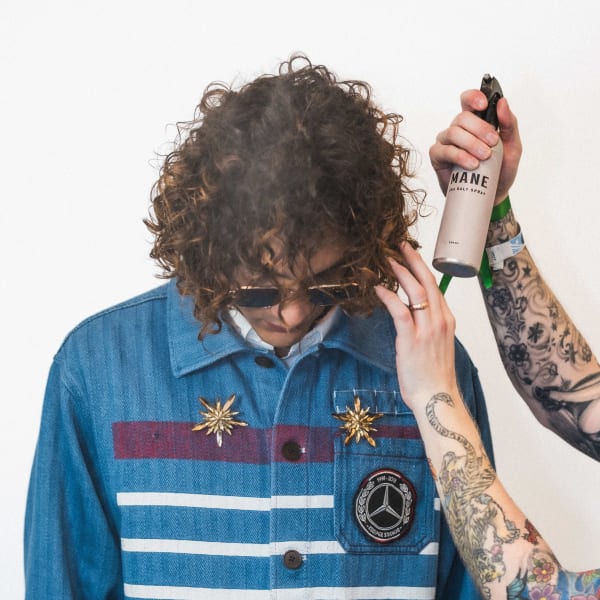
Renowned international session stylist, Richard Phillipart chooses sustainable styling brand to create 48 unique looks celebrating natural texture and individuality.
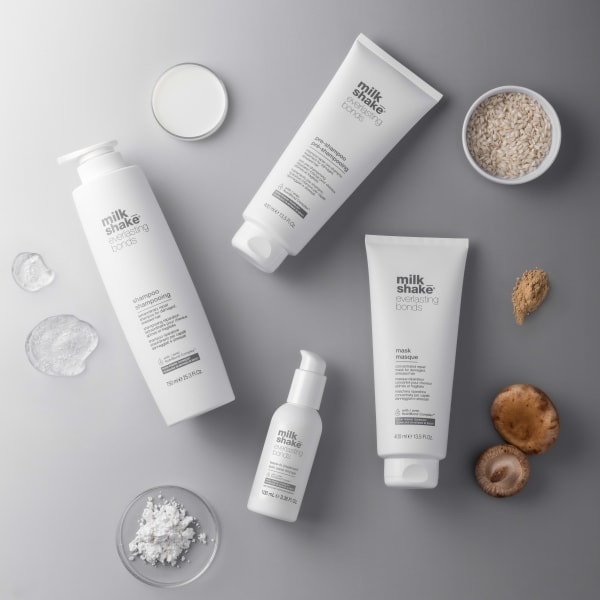
milk_shake everlasting bonds, the new professional bond repair system, is formulated to rebuild the hair’s structure while delivering softness, shine and effortless manageability.
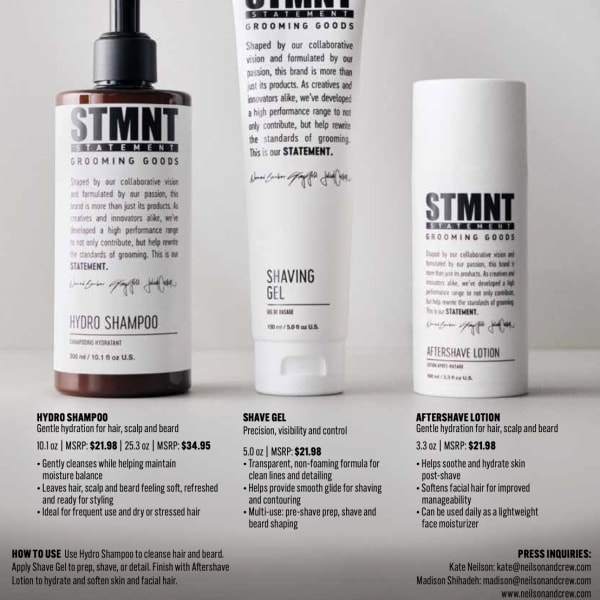
STMNT Grooming Goods is expanding into the shave care category with three new additions to its lineup.
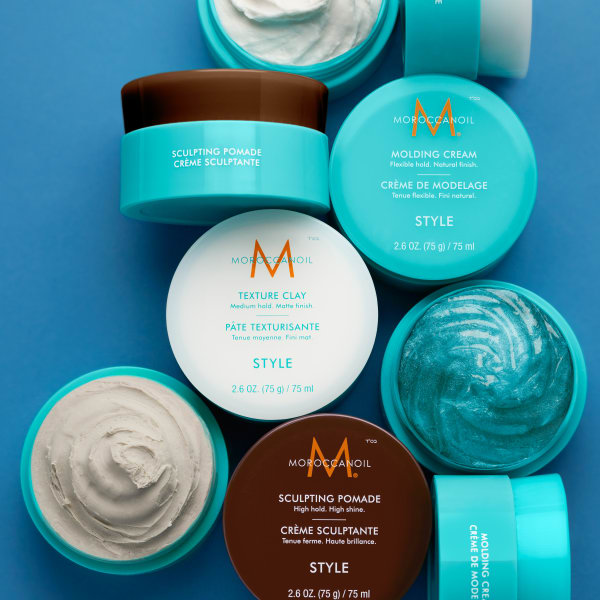
The launch of Moroccanoil's Sculpting Pomade highlights a renewed focus on styling within the brand’s iconic haircare lineup, advancing the category with elevated formulas, refreshed packaging, and a clearly defined trio of styling essentials.

Curl Cult founder Janine Jarman, a hairstylist, salon owner, educator, and product creator, is opening a community investment round that gives hairdressers and clients the opportunity to own a stake in the company they helped grow.
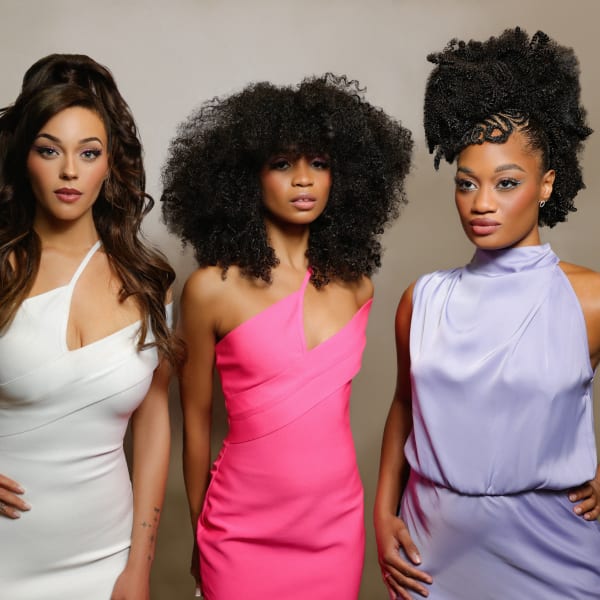
With Structured Texture: Runway Shapes, Real-World Textures, Monae Everett wanted to bridge the gap between high-fashion hair and the real textures stylists work with every day.
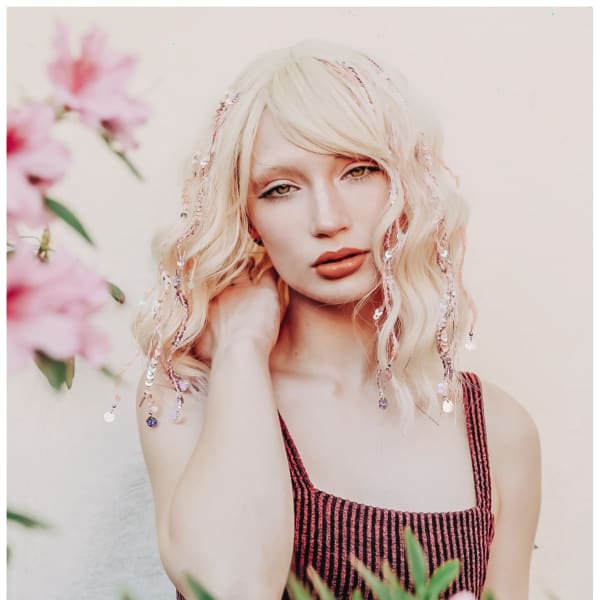
Bee Sam’s VanStrands blend shimmer, color, and customization into a trend-forward enhancement designed for modern salon clients.
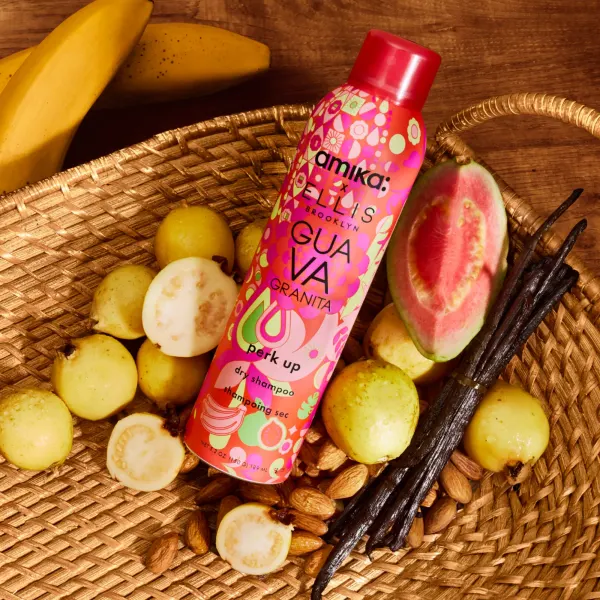
Perk Up Guava Granita Dry Shampoo is a juicy new launch from amika that puts a tropical twist on their bestselling dry shampoo with notes of guava, banana and vanilla inspired by sunshine, smoothies, and vacation energy in a bottle.
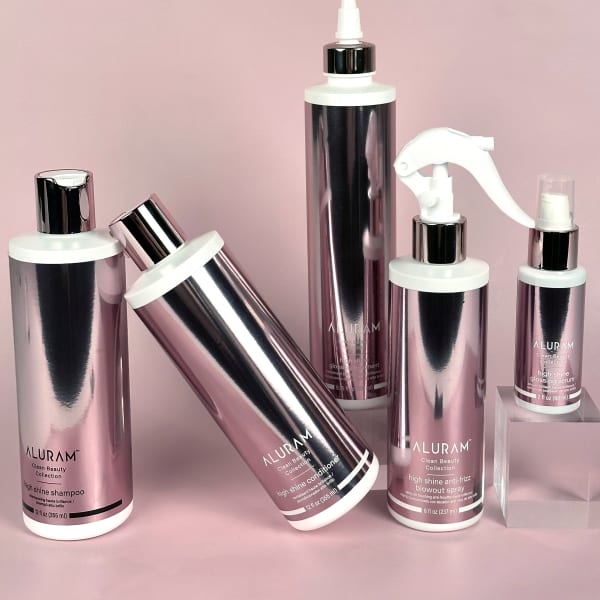
Shine Time: Aluram’s High Shine Line Delivers Moisture and Shine with Clean Ingredients
Sponsored by Aluram
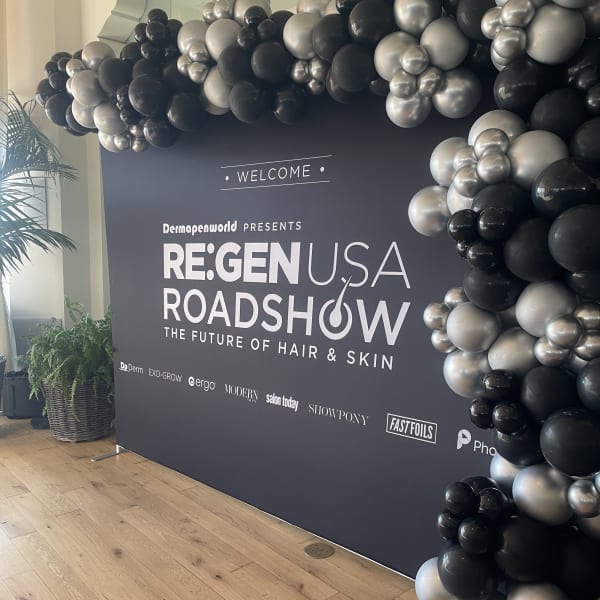
After a nationwide roadshow, DermapenWorld leaders share their biggest insights on the growing demand for hair loss solutions, and why education, empathy, and community are driving the conversation.
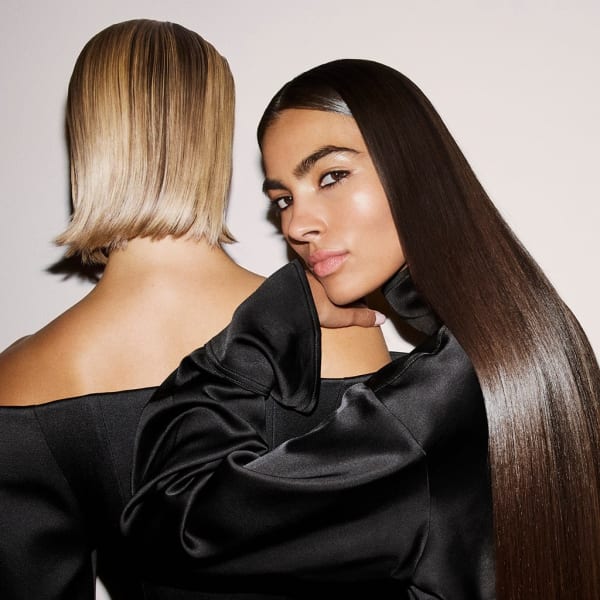
Oribe introduces an essential new addition to its iconic styling collection: Supershine Smoothing Wax Stick, designed for seamless styling.
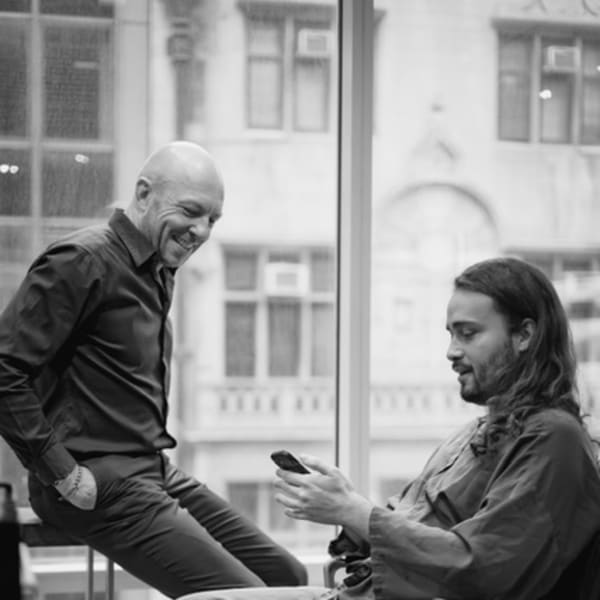
The Paul Labrecque Salon salon is finding success --for stylists and clients, alike--offering scalp care and specialized treatments. MODERN spoke to Moine about how this focus meets an important need and drives client loyalty.
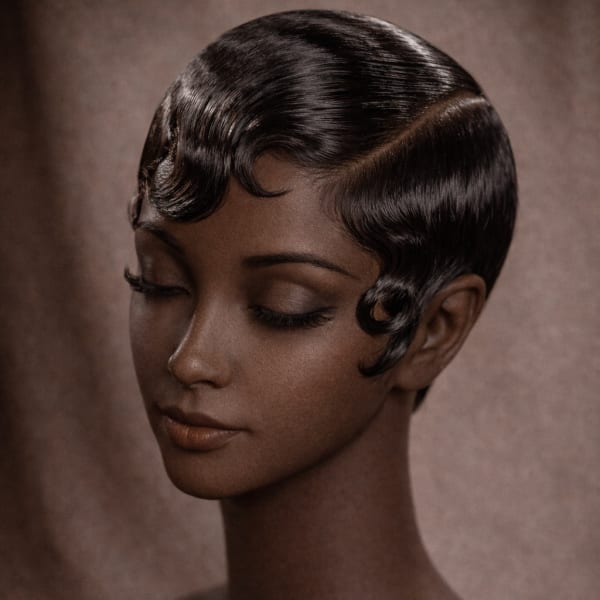
Before the pixie cut became a Hollywood symbol of modern femininity, it was already living, breathing, and evolving in Black culture. Texture expert and Moroccanoil Global Color Ambassador Greg Gilmore gives us an overview of the iconic Black women who popularized the pixie over the past century.
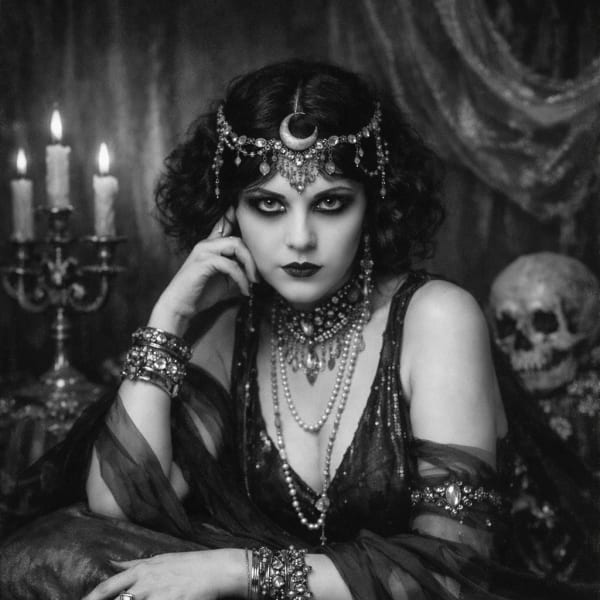
Romantic goth hairstyles are trending for 2026, and these Sebastian Professional artists have long anticipated the look.
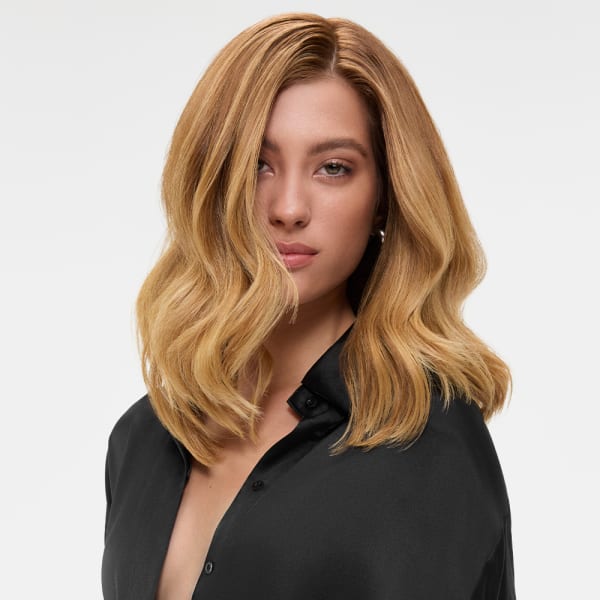
Less frizz. No restrictions. Up to 3 months of smooth. Wella Professionals' SmoothFiller is the smoothing service your clients (and your revenue) have been waiting for.
Sponsored by Wella