





Why Salon Work Makes Your Body Ache & What You Can Do to Feel Better
We learn some simple moves and strategies to keep the blood pumping through the muscles and limit posture problems from The Balanced Beauty Pro
by Anne Moratto
 MENU
MENU SEARCH
When coloring textured hair, a proper analysis, plus an understanding of your client’s maintenance habits, is key.


Image courtesy of KMS California
No two curly heads are the same—experience with a variety of textures and color know-how will get you expert results.
According to Barbara Forgione, founder of Colour Bunz, there are three major factors to consider before coloring textured hair: density, porosity and genetic background.
Density is the thickness or hair per square inch. The denser the hair, the more product will be used for complete saturation. Porosity is the hair’s ability to absorb water. Porosity indicates the health of the hair. All hair is porous and has the ability to absorb water. Healthy hair’s bonds are strong, so when it absorbs water its elastic, meaning the hair will stretch and spring back. Unhealthy hair’s bonds are weak. When wet, the hair has no elasticity and will snap and break.
It is important to know your client hair’s porosity when choosing a color product. Do a simple strand test with wet hair. If it stretches and returns, it’s healthy, if it quickly snaps and breaks, the hair is damaged.
Genetic background also plays a significant role in how the hair reacts to color. Genes determine the pigments in our hair as well as the texture and density.
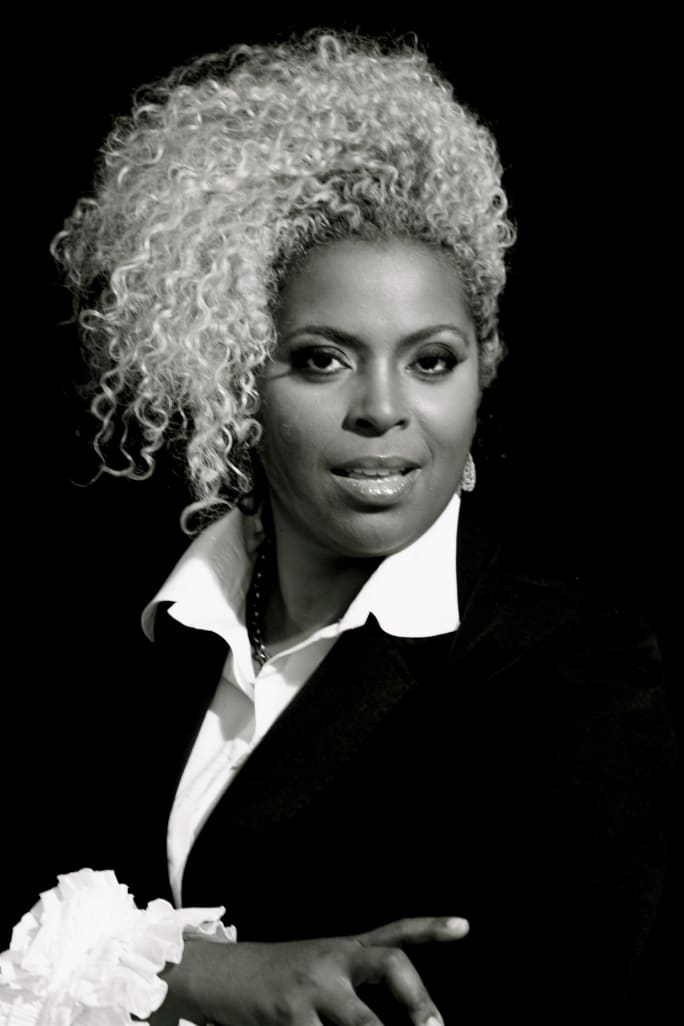
“Work with lower-volume developers on hair that has been treated with relaxers.”—Toni Garcia-Jackson
Also consider if there any other chemical treatments in the hair such as relaxers, perms or straightening treatments.
“If I am coloring textured hair that has been chemically straightened, I prefer to drop my developer—if a 30 volume is needed I use 20 instead,” says Abraham Sprinkle, Keratin Complex artist. “Due to the fact that the hair is usually extremely porous and sensitized, the developer will have a stronger reaction.”
Whether highlighting or applying all-over haircolor, Sprinkle prefers to use warm, rich tones on the client’s natural base.
“Textured hair can look dry or powdery with tones that are too cool, so something warmer can add reflective properties giving the illusion of shine.”
When coloring textured and chemically treated hair, Toni Garcia-Jackson, Mizani educator and textured color artist for Product Club, says textured and chemically sensitized hair needs more moisture. “Work with lower-volume developers on hair that has been treated with relaxers,” Garcia-Jackson says. “For hair that has compromised porosity and elasticity, and when using a lightener is not an option, a high-lift color is always a good choice and will offer a great pop of color with less damage.”
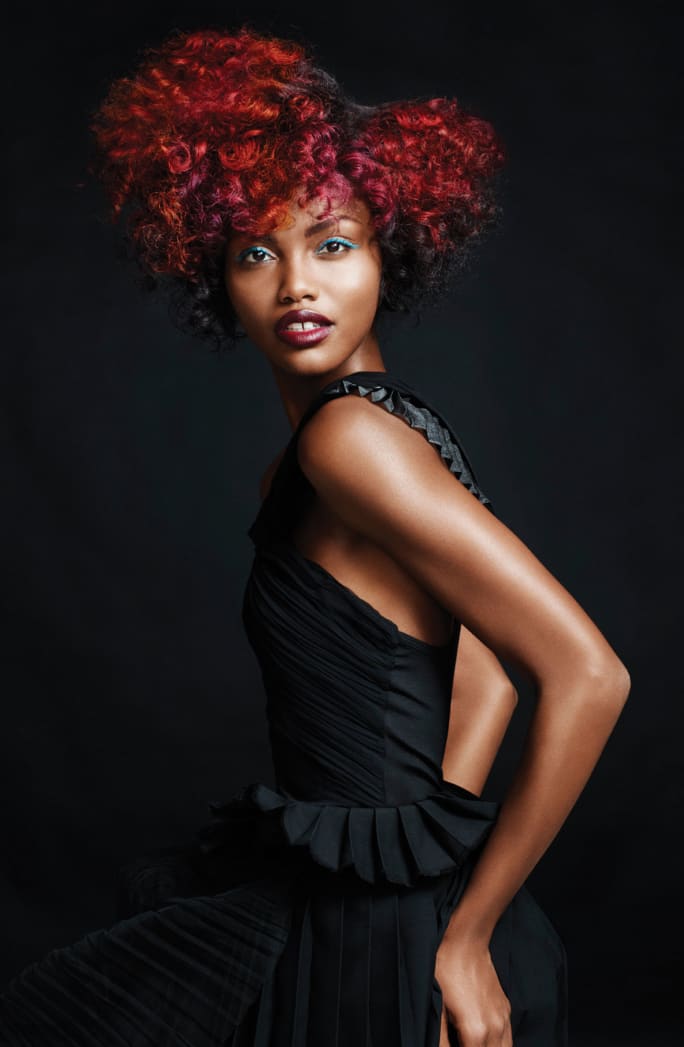
Image courtesy of Paul Mitchell
“When coloring textured hair, I prefer to keep the base color and underneath deeper while putting in strategically placed highlight flashes on the tips of the hair,” says Matrix Artistic Director Michael Albor. “This keeps the hair looking more solid and dense so there’s less of an opportunity to appear frizzy.”
Albor discourages stylists from placing finely woven weaves throughout the hair, as these highlights will get lost in the hair. “This will only change the total tonality, leaving textured hair to appear lifeless,” he says.
Pintura highlighting, an-awarding winning hair-painting technique and the color method of choice for DevaCurl, is specifically designed to add light-reflecting highlights to curls. “Unlike traditional highlighting techniques that focus more technically on color placement, pintura allows the artist to utilize their technical and visual skills to provide dimension and enhance curls,” says Shari Harbinger, vice president of education at DevaCurl.
Special care should also be taken with processing. Be careful not to damage the hair by using too strong a developer or over-processing the lightening formula, which could potentially lead to breakage in some areas. To help reduce the damage commonly associated with coloring, a product category has emerged to address the hair’s bonds and protect it when lifting.
Brazilian Bond Builder, also known as B3, is a professional tool that can be mixed into any color formulation to build bonds with no added processing time. B3 utilizes a specifically engineered co-polymer combined with a high-purity, targeted delivery system to reattach and build the bonds that make up the hair’s cellular membrane complex, helping prevent the loss of cuticle and cortex cells responsible for supporting the inner structure of the hair. According to B3, this technology dramatically reduces breakage and helps prevent damage during color services, which improves the overall integrity of the hair while prolonging color retention and vibrancy between appointments.
We learn some simple moves and strategies to keep the blood pumping through the muscles and limit posture problems from The Balanced Beauty Pro

Anny VanDriel, owner of Be Rosie Salon and creator of Pricing Isn’t Personal, volunteered to share a pricing presentation to beauty school students a year ago, and ended up learning more than she expected.

From the launch of the Ulta BeautyArtist Collective to the evolution of Trendspiration, celebrating stylists is what The Salon at Ulta Beauty does best.
Sponsored by Ulta Beauty

With more than four decades in the industry, hairdresser and MODE Education founder Stan Newton has built a career around the art and discipline of cutting hair, learning the rules so he can break them.

Beauty professionals should evaluate each service based on its popularity, profitability, and alignment with current trends. Conducting client surveys and analyzing booking data can provide insights into which services are in demand and which might be phased out.

LifeSpa leader Ali Yanez explains why strong mentorship, predictable income, meaningful recognition and the right work environment help beauty professionals build careers that last.

Whether a beauty professional chooses a commission salon, booth rental, salon suite or salon ownership, the common thread is having more choices than ever before.

Sport Clips Haircuts will host its inaugural "Level Up Live," a first-of-its-kind virtual event that combines live haircutting education, career inspiration, product knowledge, and employment opportunities for licensed stylists and cosmetology students nationwide.
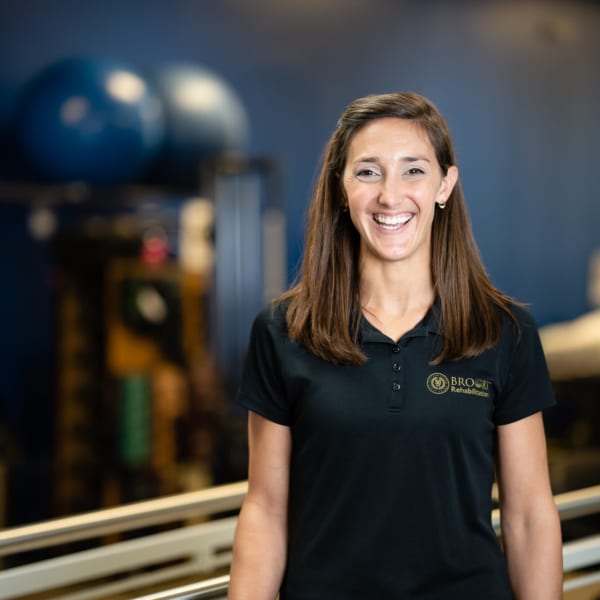
Orthopedic PT reveals three daily exercises plus ergonomic advice that can help salon professionals avoid the aches and injuries caused by standing, bending and repetitive overhead work.

Four publications for beauty industry professionals to enhance their leadership skills, financial awareness, professional growth, and joy!
Salon suite pioneer Karen Kaminski argues that the next evolution of independent beauty businesses won't be defined by beautiful spaces alone, it will be driven by smarter systems that help professionals spend less time on administrative work and more time serving clients.

At a time when many LGBTQ+ people felt compelled to hide parts of themselves, Carlos Valenzuela found a career in beauty and a community that offered opportunity based on what you could do and how well you could do it.

Whether it's social media, fashion, film, art, or culture, Chaz Dean advises stylists to stay aware of what's inspiring people. Take the elements that make sense for you in these five lessons learned through a life in beauty.

For Jessica Domoney, building a successful career isn't about saying yes to every opportunity, it's about protecting your time, investing in yourself and creating an experience clients won't forget.
MODERN SALON sat down with Samuels to discuss the book, beauty education, mentorship and the habits that help beauty professionals thrive.

"The mistake people make is treating AI like a vending machine instead of a personal assistant." Digital marketing expert Scott Moon shares how beauty professionals can use AI while staying authentic

Real-world advice on creativity, consultations, color, burnout, business, boundaries, inclusivity, client care, and career growth from educators and industry experts.