While at Eufora's Global 2019 Conference in March, we had one of those lucky moments happen; Dee Fortier, Eufora Artistic Director (@deevahairkitchener) came into one of the classrooms and took some questions on how-to photograph hair for competitions. The Instagram TV video of her response now has 146,909 thousand views. We knew we were on to something good and asked Fortier to expand on some points. Here is her very bookmark-able response:
When shooting hair for competitions, you want to just start playing. Plan your looks on the mannequins and take pictures so you can see the balance.
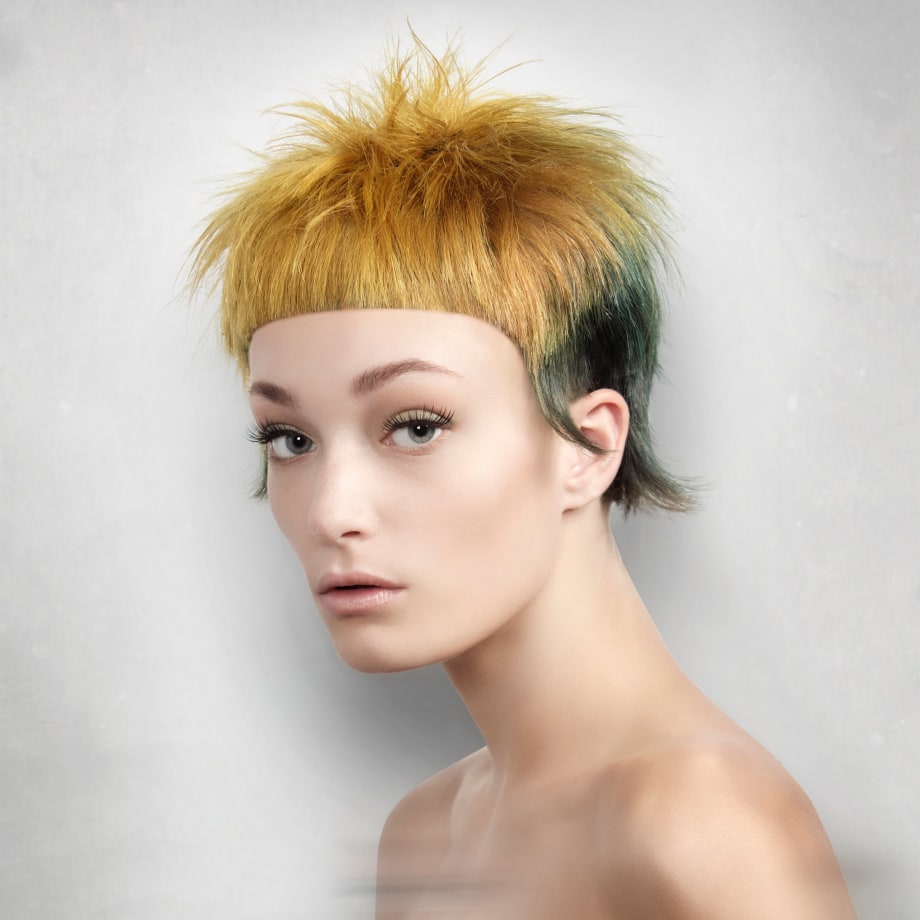
“Most of the time stylists will generate an idea for a photoshoot in their heads, but it doesn’t always translate the same way onto the hair, especially for a photo shoot. Practice on a mannequin or model and take photos through the entire process. Typically the hair will look much smaller on camera than it does in person. When styling for photo shoots and playing with the looks, opt for a more exaggerated amount of style.
“If what you begin to create and photograph isn’t what you envisioned go back and ask the questions, ‘where can I make it bigger?’, ‘how much bigger do I need to create the look in certain areas?’, ‘what is my focal point?’ Always build from this focal point. Looks should not always be uniform – looks for competitions must have an ‘oohh factor.’”
Continue to photograph the look along the way. Train the eye to look at the photo and ask yourself whether or not it looks good.
“Remember, a photo is two dimensional so don’t get too caught up in the back view of the hair. Train your eye to instead see how the hair balances or doesn’t balance. As stylists we are always behind our client so it’s easy to prioritize this section of the head when in reality most times the back of the head won’t be seen in the final photography.
“I suggest looking in the mirror at all times through the process. The mirror becomes your front image and helps you to see how the final look will shape up when photographed. Always look at the hair through the mirror and slightly pivot the chair from side to side to getting a good sense of how the finished model will look on camera. In person a look can be amazing, but sometimes it just doesn’t translate well on camera. The mirror acts as a preview of this.”
Select a photographer who shoots beauty…
“Find a photographer who has shot hair before. While this can be difficult, beginners can start looking for beauty photographers; they are the next closest to a hair photographer. Wedding and fashion photographers will most likely not have the experience you need for a quality hair photo. The finished imagery will not be a full body shot, but chest or waist up at the maximum. The hair and face will be shot very close, which not all photographers have experience doing.
“Ensure you and your photographer are aligned on what post work needs to be done to the images. Sometimes, as an artist you will want to push the envelope during the post work and your photographer should know this and be comfortable with it.”
…and give them direction. Create a mood board and make sure you are clear with what you want your end results to be.
“Your mood board should always include a slide on lighting. Share images of other photo shoots where you like the lighting, these can be of hair or not. Also share with the photographer any focal points for the look so they can light accordingly. Lighting on the head can show color dimension and draw the eye to a certain area of the style. You will have to guide the photographer on the parts of the hair you want emphasized with light. Be clear with the photographer on what is in important on each cut and color so that the photographer ensures it is best lit for the image in the mood you want the end result to be.
Share the clothing you like (or no clothing). Tell the photographer what you want the hair to say about the three looks.
There should always be a slide in your mood board for makeup. The makeup and clothes should both complement the hair, not over power it.
You should also send the photographer inspiration of the type of story you want to tell. Is it crisp and clean or dark and ominous? What is the feel of the collection?
Share what type of background you want for the look whether it’s all white, gray, busy, or other.
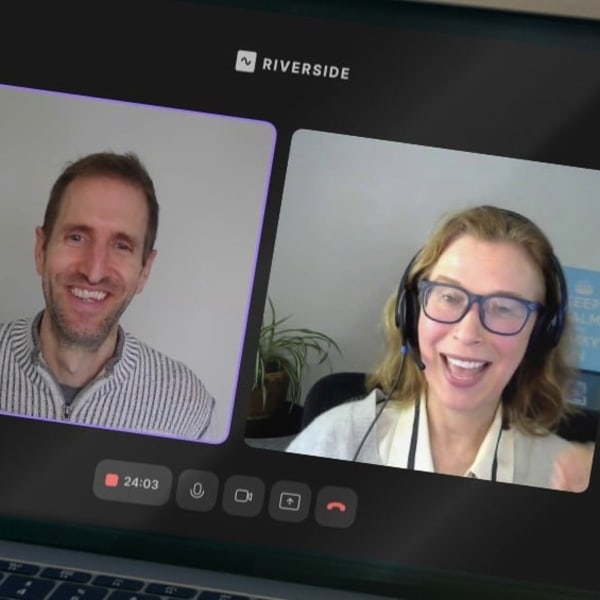
Once the mood board is complete I recommend holding a conference call to walk through it all together. This will help you communicate your vision clearly.”
Before you shoot, know why you’re shooting
“I’m coaching a salon right now on their photoshoot and the advice I gave them is ‘find out what you want to do your photo shoot for.’ If it for competition work then do your homework. Go on websites like NAHA, Contessas, British Awards – those are the types of end results you want to get.
If you are doing a collection for your own marketing of your business or salon, this is a different end result.
“I also want to explain there are two types of editorial imagery: one, is for fashion magazines and, two, is the hair competition editorial category. These two are very different from each other.
When you are doing editorial hair for competition, it isn’t like taking a page out of W or Vogue. They don’t live the same way in the hair dresser world. On set for an editorial shoot for fashion, the hair is downplayed but edgy. The fashion needs to shine.
“To win an editorial category for a competition, hair is pushed to the limit. The line can be blurred between fashion editorial and editorial competition so I always tell young stylists that it is important to understand the difference. Take the look you see in a fashion magazine and exaggerate it three times or more – this is what you need for an editorial competition.”
deevahair.com