




My First Time: A Razor Cut with Nick Arrojo
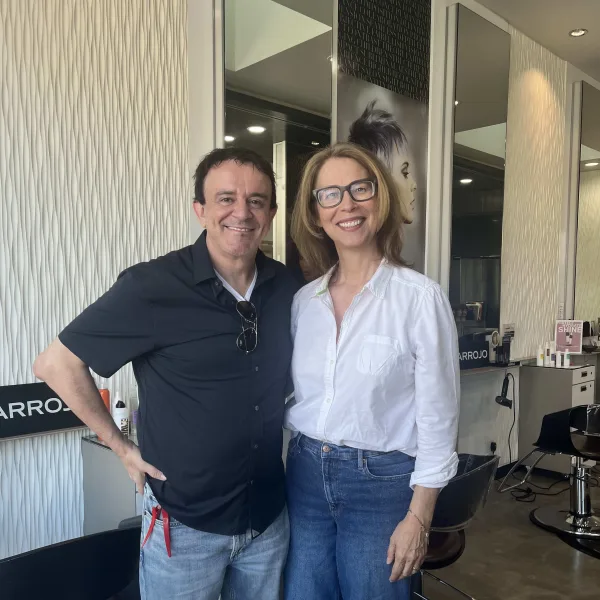
In an anniversary year for the Arrojo NYC brand, on an early Monday morning, Nick Arrojo used a razor on my hair. And I liked it.
by Anne Moratto
 MENU
MENU SEARCH
In an industry with so many options and opportunities, we asked these artists what made them niche down and choose a specialty. See Caidy Brasure's perspective on specializing in editorial and special occasion styling.
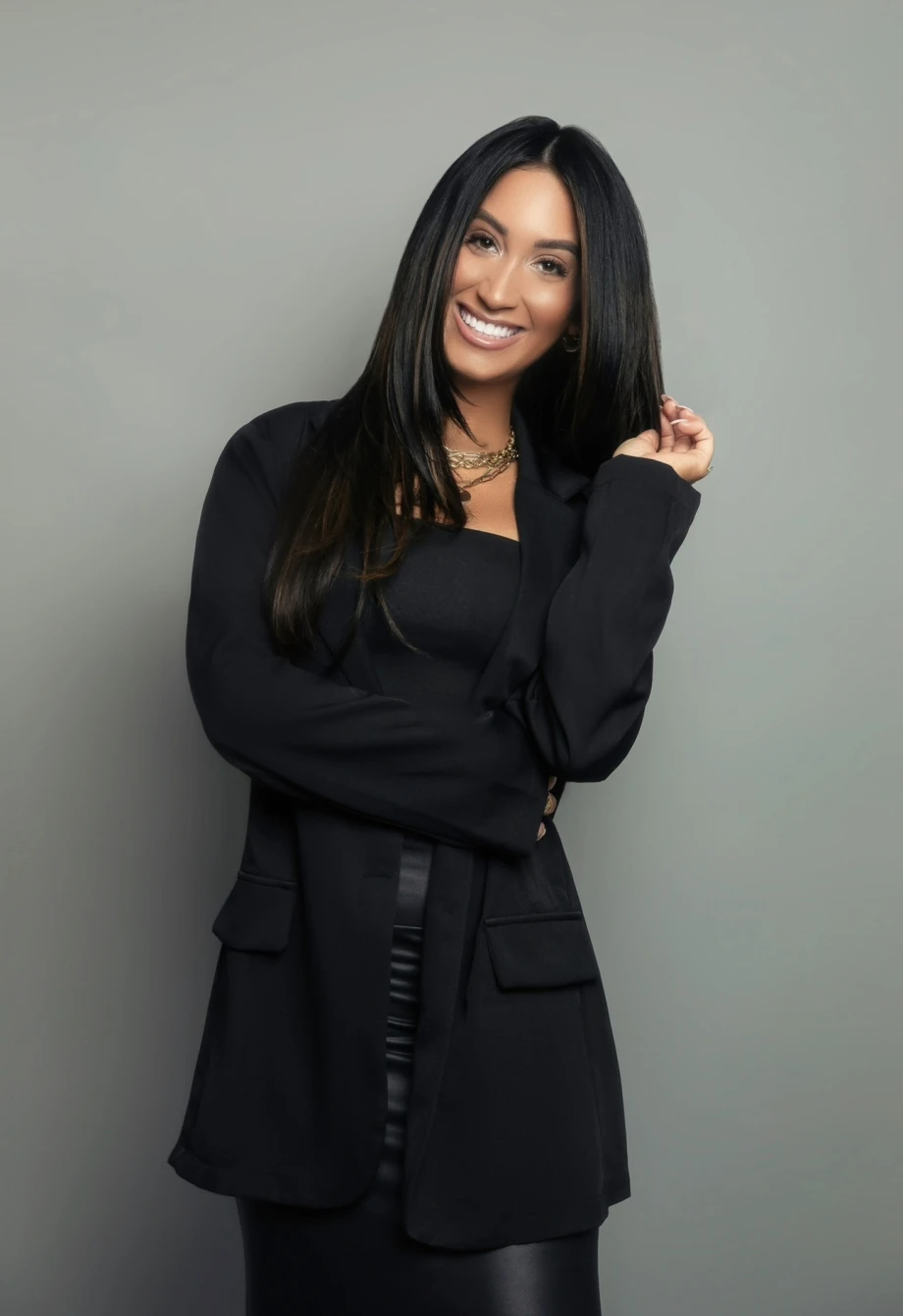
Caidy Brasure, Special Occasion & Editorial Stylist
photo courtesy of Caidy Brasure
"Doing hair" can be just the beginning. For licensed beauty professionals, there are so many ways to go. While some will choose to practice all the different disciplines, others find themselves pulled in a specific direction.
These artists chose to specialize, and they wouldn't have it any other way.
Greenville, SC
Specializing in Special Occasion Styling
Why did you choose your specialty?
I chose my specialty because I've always been drawn to hair as an art form. Not just styling, but sculpting. Bridal, editorial, creative styling, intricate braiding, and hair extensions; each one allows me to design hair through structure, texture, and shape in a way that feels almost architectural. Intentional, sculpted, and entirely bespoke. It goes beyond simply "doing hair" for me; it's a form of expression. It's where I channel my passion, precision, and inventiveness into something tangible and transformative.
I also deeply appreciate the emotional side of being a hairstylist. The connection we build with clients is a unique and special bond. In many ways, we become trusted confidants. That level of trust and intimacy makes the work so much more meaningful, making it not just about hair but about creating a space where clients feel seen, heard, and cared for.
Wedding hair, in particular, carries even more emotional weight, as it's tied to one of the most significant days in someone's life. Being entrusted with that moment is truly an honor I never take lightly. There's something incredibly powerful about helping someone feel elevated, confident, and fully themselves.
Over time, I realized my passion extended beyond creating these looks—I loved teaching them. Guiding other industry professionals to refine their craft, from mastering prep and sectioning to perfecting product placement and longevity techniques, is deeply rewarding.
That's why I love specializing in styling, updos, braiding and hair extensions, because it feels so aligned with my vision. It allows me to merge creativity, technical precision, and education into a single practice, where artistry and mentorship work hand in hand.
At what point in your career did you make that decision?
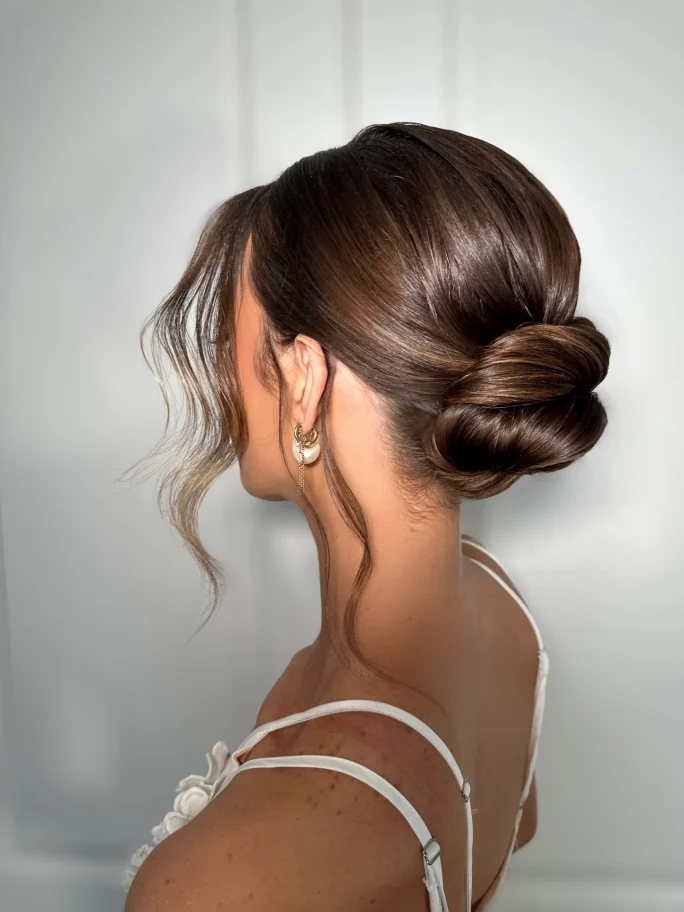
hair by Caidy Brasure
photo courtesy of Caidy Brasure
I always knew I wanted my focus to be based on hair styling as a whole, but when I entered cosmetology school, many told me I had to cut and color hair to be successful, and for a while, I wondered if they were right. A few years in, I felt defeated and even considered leaving the industry altogether.
Then I attended a hair show where Martin Parsons was on stage, and everything clicked.
I realized I didn’t have to follow everyone else’s path to pursue my dream. For the last 13 years, I’ve been building my career as a styling, updo, braiding and extension specialist, and I’ve made it my mission to educate others and be the guide I wish I had when I first started, showing that with focus, passion, and dedication, you can build a career on your own vision.
Did you lose clients when you specialized?
Yes, I did. But I chose to see it as creating space for the opportunities I truly wanted, rather than filling my schedule with services that didn't fuel my passion or help me grow as an artist. Specializing allowed me to focus on the work that inspires me and attracts clients aligned with my vision.
How has it impacted your income?
Specializing has had a significant impact on my income, but not in the way most people expect. At first, narrowing my focus meant fewer clients and a smaller book, which felt risky. Over time, though, it allowed me to position myself as a premium, in-demand stylist in my niche. I began attracting clients who valued my expertise, precision, and artistry and wanted to invest in the experience and results I provide.
It's not just about volume; it's about value. Specializing in the services I love has enabled me to command higher rates, book the work I love more consistently, and create long-term client relationships that are both financially and creatively rewarding.
In many ways, focusing on my passion has turned into the most sustainable and profitable path I could have taken.
How do you market your specialty?
I market my specialty by positioning myself clearly around what I do best. The content I share through social media posts, videos and tutorials highlights my area of expertise. This allows me to showcase not just the finished look but the artistry, structure, and technique behind it. I also share behind-the-scenes insights, educational tips, and client experiences to demonstrate my expertise and build trust.
Networking within the industry, attending hair shows, and collaborating with photographers, vendors for weddings and special events, and other creatives have been key. I focus on connecting with clients and professionals who value my niche, so my marketing isn’t about reaching everyone, but rather reaching the right people who appreciate and invest in what I offer.
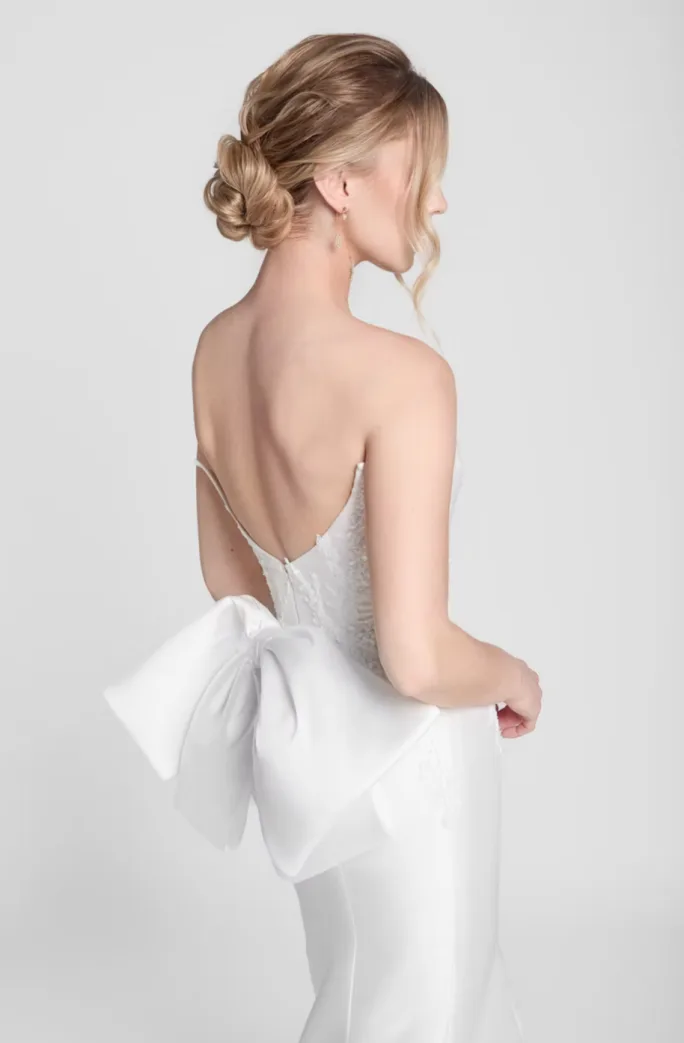
hair by Caidy Brasure
Photo: Mikayla Gold
What’s one mistake you made when building your specialty?
One mistake I made early on was trying to appeal to everyone instead of focusing on my niche. I spent time offering services that didn't align with my passion or strengths, hoping it would fill my schedule. In hindsight, it slowed my growth and diluted my brand.
The lesson I learned is that specializing means saying no to some opportunities so you can fully invest in the work that excites you and attracts the clients you truly want. Once I embraced that, my artistry, client base, and confidence grew exponentially.
Has specializing improved your overall career satisfaction?
Absolutely. Focusing on my area of specialization allows me to do work I'm truly passionate about every day, rather than spreading myself thin across services that don't inspire me. It's also given me the freedom to be creative, refine my craft, and teach others, which adds a whole new level of fulfillment.
Beyond the artistry, it's allowed me to build meaningful client relationships, attract opportunities that align with my vision, and feel confident in the value I provide. Specializing hasn't just improved my career, it's made me love it even more.
What advice would you give someone considering specializing?
My advice is to follow your passion and trust your instincts, even if it feels risky at first. Specializing means narrowing your focus, which can feel like turning away clients or opportunities, but it ultimately allows you to build a brand and career around the work that truly excites you. Invest in your craft, be patient, and don't be afraid to say no to things that don't align with your vision.
That being said, it's just as important to remain open to new ideas, because sometimes saying yes to something you initially want to decline can lead to even greater opportunities. Surround yourself with mentors and peers who inspire you, and remember that specialization isn't limiting, it's what allows you to stand out, attract the right clients, and grow both creatively and professionally. At the end of the day, your goals and vision may not make sense to everyone else, and that's okay. As long as it makes sense to you, that's what matters. Trust yourself.
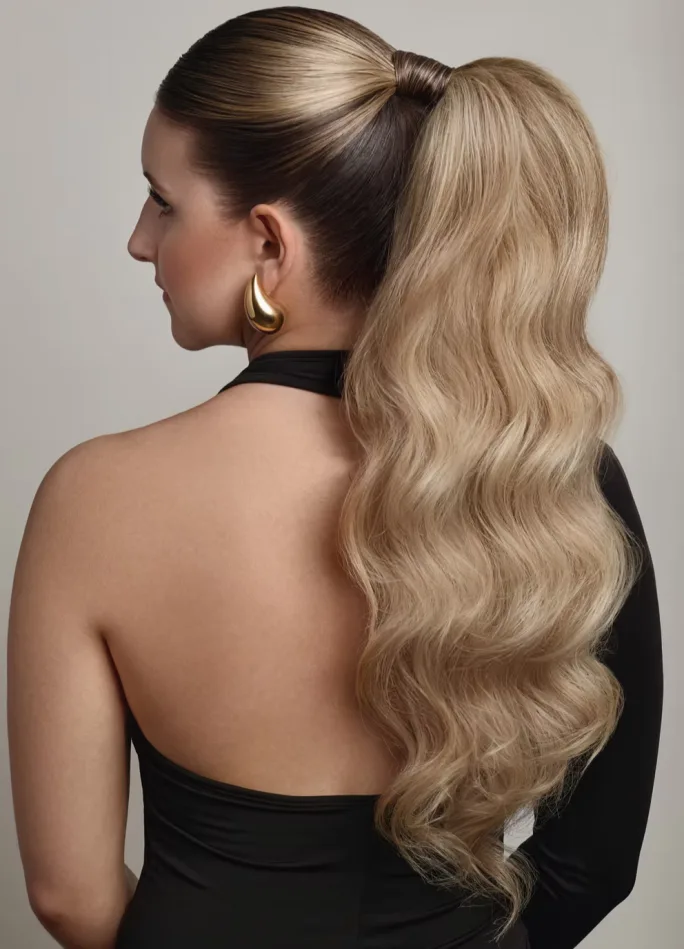
hair by Caidy Brasure
Photo: Mikayla Gold
How much additional training did you invest in to become a specialist?
Becoming a specialist required a significant investment in additional training beyond cosmetology school. I spent years attending advanced courses, workshops, and hair shows focused on styling, updos, and creative techniques, as well as braiding and hair extensions. I also invested time in mentorships and one-on-one training with industry leaders to refine my technical skills and build confidence in my craft
Specializing isn't just about talent; it's about committing to ongoing education, practicing consistently, and staying current with trends and techniques. That dedication has been essential to developing both my artistry and my reputation in the industry.
Do you ever say no to services outside your niche? How do you handle that conversation?
Yes, I do. When a client requests a service outside my specialty, I handle it honestly and professionally. I explain that my focus is on styling and updos, which enables me to deliver the highest-quality work and results. I often recommend trusted colleagues or stylists who excel in those areas, so the client still feels taken care of and receives the best possible outcome.
In an anniversary year for the Arrojo NYC brand, on an early Monday morning, Nick Arrojo used a razor on my hair. And I liked it.

Join us in congratulating this year's list of hardworking, game-changing individuals.

With more than four decades in the industry, hairdresser and MODE Education founder Stan Newton has built a career around the art and discipline of cutting hair, learning the rules so he can break them.
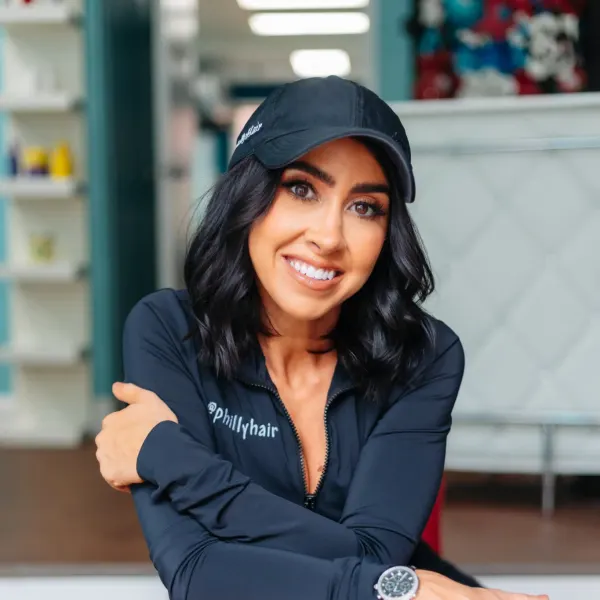
Ashley Leoncini believes success in beauty is built through genuine connection, resourcefulness and the willingness to evolve. A bridal specialist with 17 years in the industry, Leoncini has created a career by making clients feel valued, investing in hands-on education and redefining success to include a healthier work-life balance.
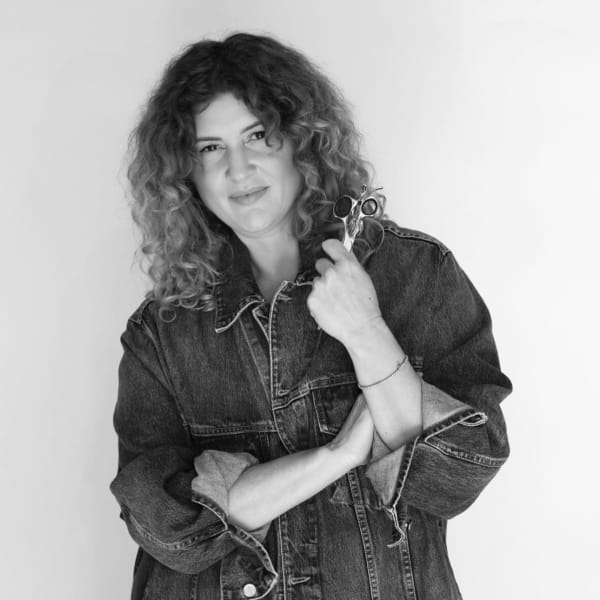
Able to create a shag with gorgeous texture on anyone, Stephanie Carrillo has found her calling within the beauty industry. Now she teaches shag cutting techniques herself, inspiring countless other stylists to fall in love with creating the popular look.
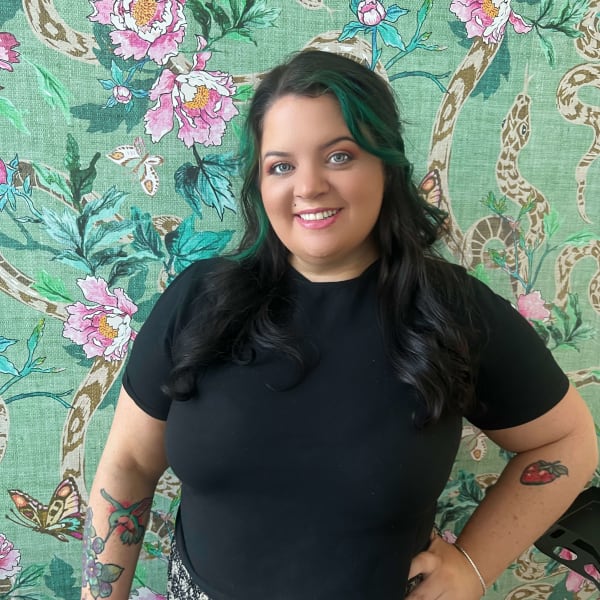
When you think of Stephanie Geib, think bold color. Think beautiful dimension. Think...your hairstylist best friend. As a 2017 Honoree of the MODERN SALON 100, Geib is the perfect example of being a positive force in the beauty industry, advising that being kind to others and sharing your knowledge is the real success.
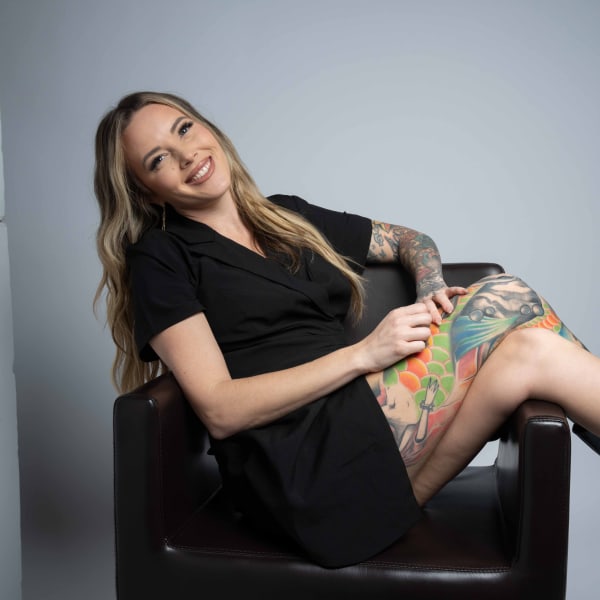
Hannah Mejia believes lasting success comes from mastering your craft, embracing lifelong education and trusting that the career you dream about is within reach. A stylist, educator and content creator, Mejia has spent 15 years building a business rooted in creativity, communication and continuous growth.

Katy Samuels has spent 14 years proving that creativity thrives when you stop searching for the "right" way and start trusting your own instincts. Known for her creative color work and signature Headband Prism technique, Samuels encourages beauty professionals to embrace mistakes, refine their craft and develop a style that's uniquely their own.

Erin Munoz has spent 17 years building a thriving business behind the chair while proving that success doesn't have to come at the expense of life outside the salon. A color specialist, content creator and salon owner, Munoz believes beauty professionals should treat their careers like businesses, embrace change and make room for both financial growth and personal fulfillment.

North Carolina-based hairstylist Tyler Plemmons wants you to know one thing: Positivity and perseverance will get you everywhere. This MODERN SALON Artist Connective Member and 2018 MODERN SALON 100 Honoree is known for beautiful balayage, gorgeous vivids, and soft pastel hair color.
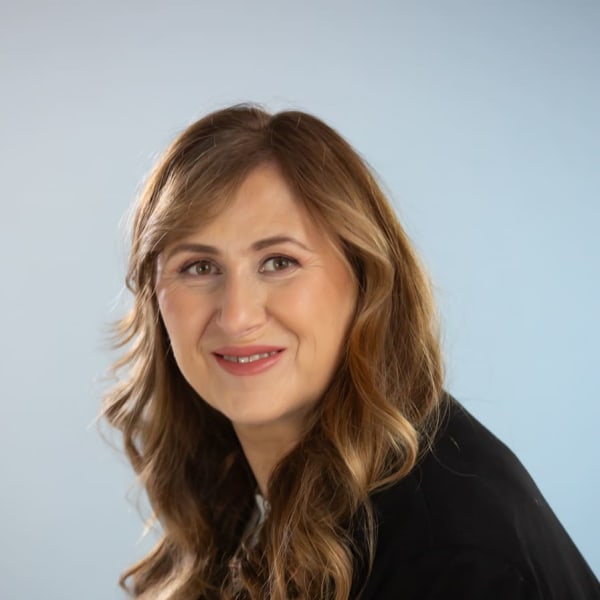
For Angelica Tanta, success has always come down to one thing: practice. Originally from Romania, Tanta credits an online mentor from Ukraine—despite never meeting in person and communicating through Google Translate—with inspiring her to perfect her bridal artistry through relentless repetition.

Angela Orozco believes long-term success in the beauty industry is built on trust, consistency and genuine human connection. A stylist at The Nest Salon in Brea, California, Orozco has spent 14 years cultivating a reputation for dimensional brunettes, precision haircutting and authentic relationships that have fueled her career.

Erin Mills believes beauty professionals deserve more than a successful career. A hairstylist turned multi-salon owner, Mills has spent 17 years growing her business while helping her team create lasting impact.
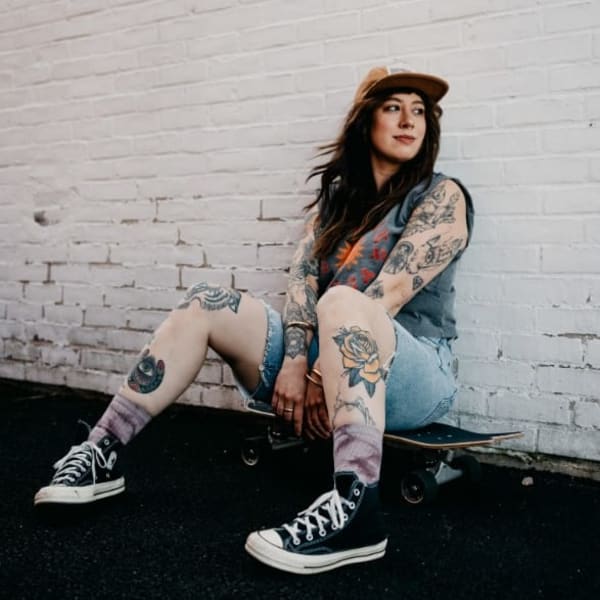
For Mish Jolie (@meltedbymish), success isn't measured by how busy you are, it's measured by how fulfilled you feel. The Connecticut-based stylist, educator and MODERN SALON 100 honoree has built a career around balayage, lived-in brunettes and razor cutting.
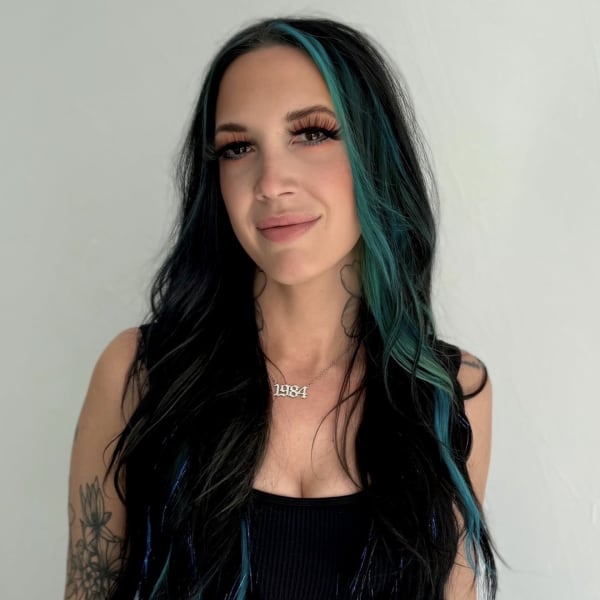
Amanda Harsche has built her career on two simple beliefs: never stop learning and never stop connecting.
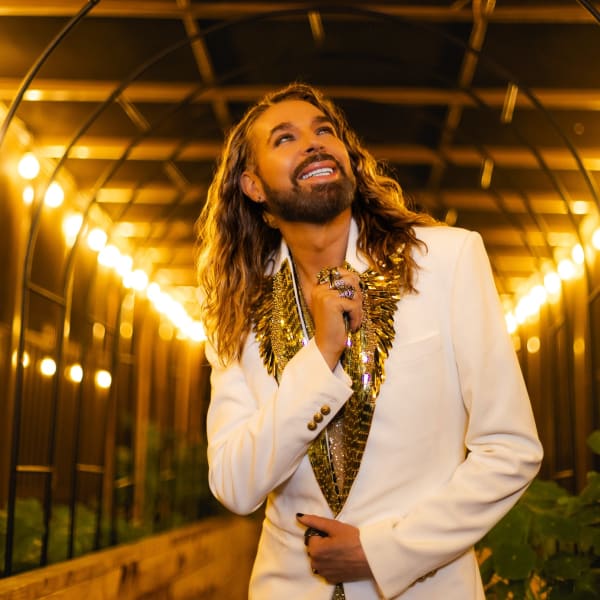
Whether it's social media, fashion, film, art, or culture, Chaz Dean advises stylists to stay aware of what's inspiring people. Take the elements that make sense for you in these five lessons learned through a life in beauty.
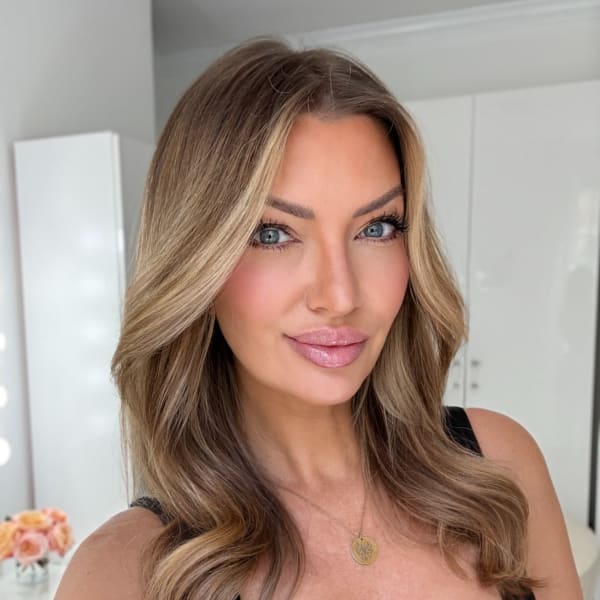
For Jessica Domoney, building a successful career isn't about saying yes to every opportunity, it's about protecting your time, investing in yourself and creating an experience clients won't forget.