




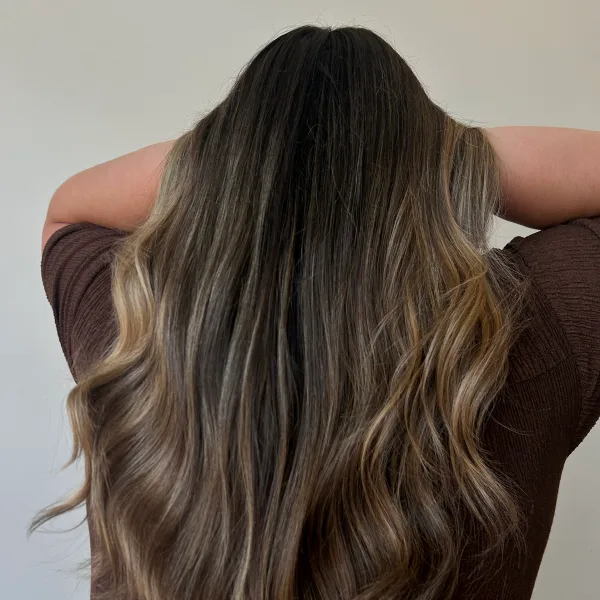
Sweet Treat
Skyla Kuykendall creates lived-in color with Paul Mitchell lightener and the Demi.
 MENU
 SEARCH
MODERN checked in with "Formula Boss" David Stanko and asked him what are the five things every colorist should know. Here he answers.
The five things every colorist should know.
One of the most knowledgeable colorists in the industry is David Stanko (AKA "Formula Boss"). Stanko has been working tirelessly on color application, formulation and trend for decades, honing his skills on clients and in the labs of some of the top color brands available today. His workshops and training sessions are regularly sold-out, and the Q and A part of every program is always insightful.
Here Stanko answers the top five questions he gets from colorists:
1. How can I prevent hair color from fading?
A. Tell your client to not get all hot in the shower. In salon, use tepid water along with a sulfate-free shampoo, advising her to do the same at home. Next, the no-nos: Don't set your blower on high heat or use a flat-iron at 5000º.If you (or she) must heat style, use heat/UV-protecting products. If her reality is more like: workout, shampoo, get a blow-dry and maintain it for days with a dry shampoo, color vibrancy will be dim within 14 days.
2. Why should I avoid lightening more than two shades at a time?
A: Stanko says, “Orange” you glad you’re reading this?" Most permanent hair color is intended to lift or lighten about two levels. Dyes control the warm (orange) undertones that are exposed—but only when the hair is lifted one or two levels. If you bend this rule and go lighter, the dyes won’t be able to control the warm undertones, and the result will be too warm or red—in other words, bl-orange and brassy.
3. What will happen if I leave hair color on too long?
A: "Put down the phone and pay attention," Stanko says. Over-processing gives you a color that’s too dark, flat or muddy. This also happens when you pull the color through the ends to refresh them or when the color is in contact with dry, damaged hair for too long. "Only check your texts when the ‘do is done."
4. Do I really need to use a color and a developer from the same brand?
A: "Duh, yes" Stanko says. Hair color is formulated to work with a dedicated developer, so that the alkali or “lifting power” is liberated in a way that balances the lifting and color-depositing actions. Mixing a color brand with any random developer could result in a runny mixture—or a too-gooey one that won’t spread evenly on the hair. Either of these situations can lead to unpredictable, spotty results or poor gray coverage— and who wants that?
5. Is it true that color will smooth the surface of my damaged hair and make it look shinier?
A: If the color is demi or semi permanent, maybe. The real issue: hair that is noticeably dry, damaged, weak or porous will accept color more quickly. "That’s not a good thing," Stanko says. "If color deposits too much, you could end up with a shade that’s so dark that your dog won’t recognize you. The more damaged the hair, the more likely it is that you’ll end up with yucky, mucky-looking result."
MODERN caught up with Stanko recently at CosmoProf in Las Vegas. Here he shares more color thoughts:
Skyla Kuykendall creates lived-in color with Paul Mitchell lightener and the Demi.
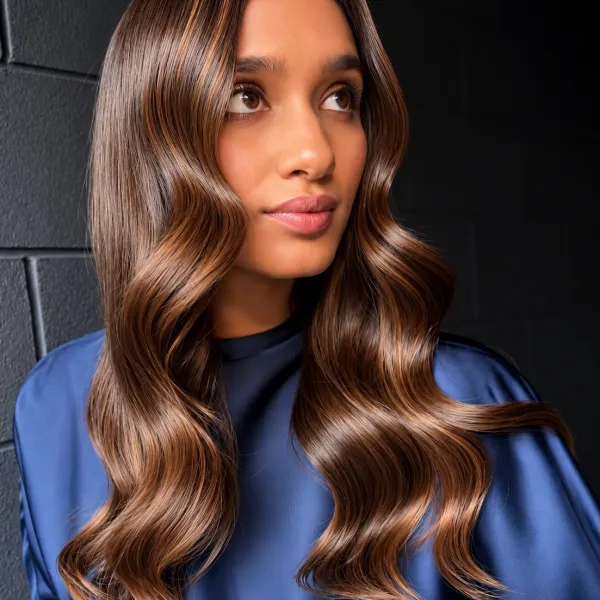
Grethe Helen Sagmoen combines highlights, lowlights, and ArganID™ Glossing with Moroccanoil.
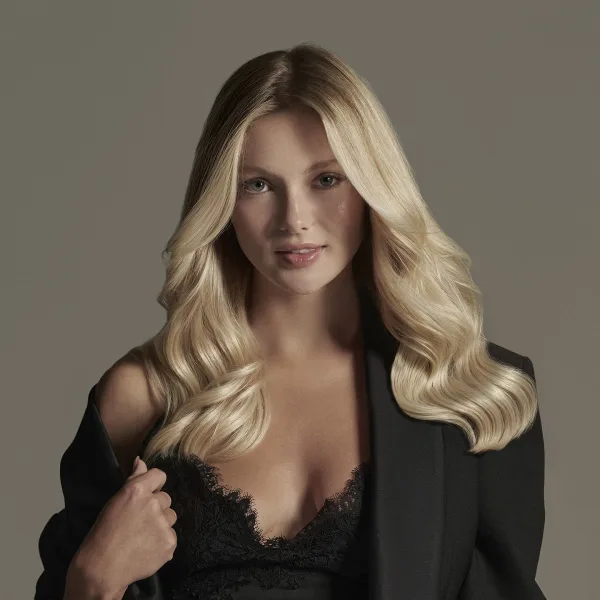
Mike Sharkey maps out a teasylight placement with Satin Hair Color SilverLift.
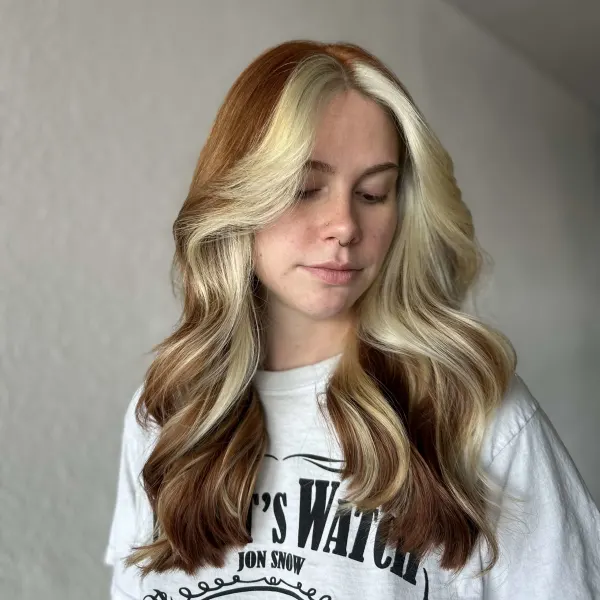
Brooke Alexis pairs an Aquarely formula with targeted color placement and blonde accents.
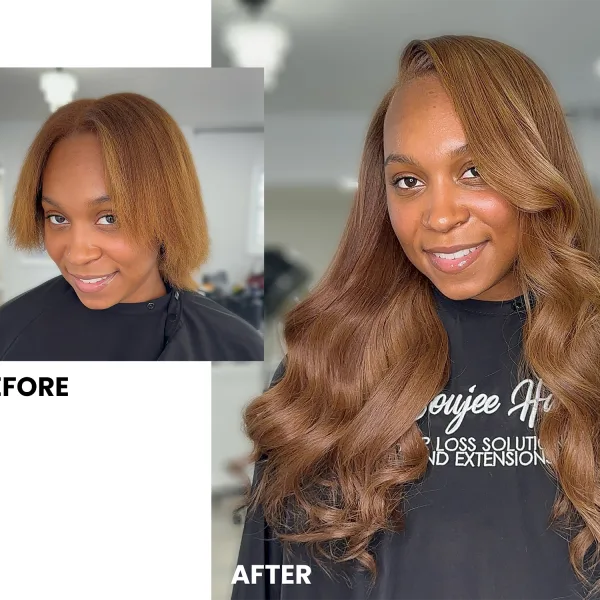
Shonda Sharee shares her approach to coordinating color on natural hair and extensions.
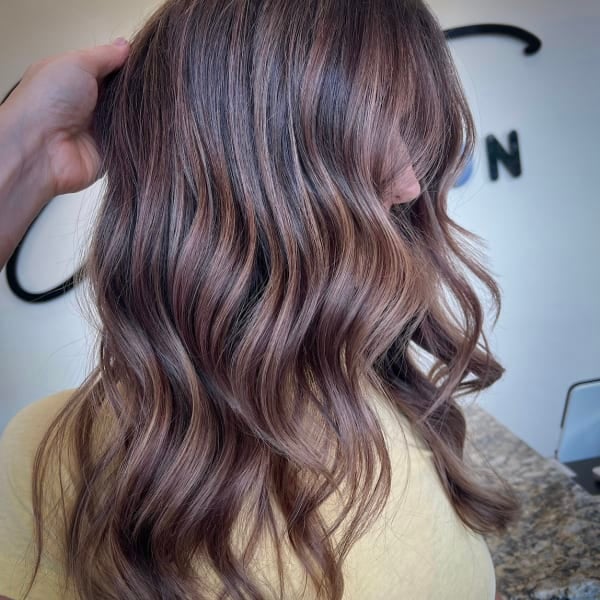
Stevie Meech combines lowlights, a root melt, and an all-over toner using Schwarzkopf Professional IGORA VIBRANCE.
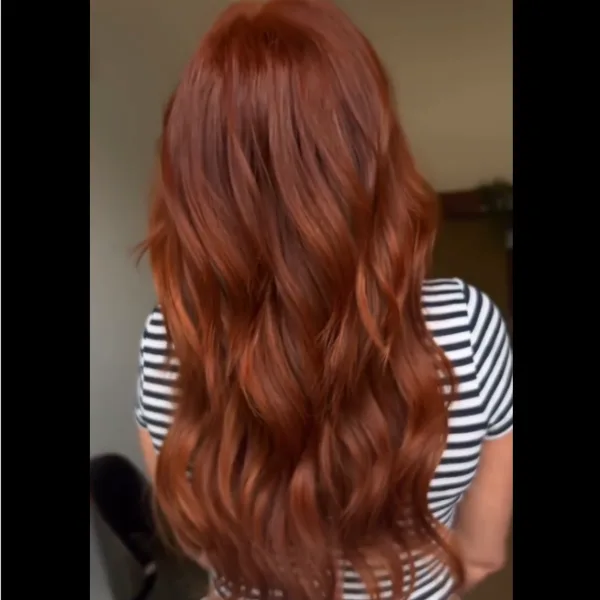
John Paul Mitchell Systems The Color ZERO offers effective permanent color without any of the harshness and with all of the protection. See how these artists used the line to achieve stunning, fall-inspired results.
Sponsored by John Paul Mitchell Systems
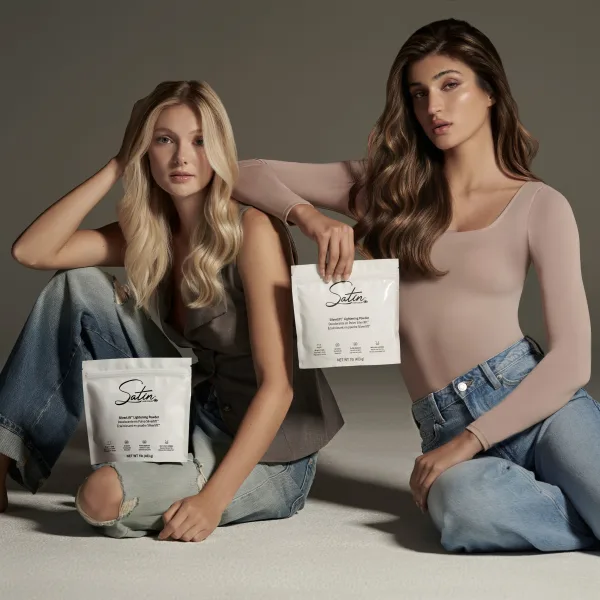
Satin Hair Color’s new education series debuts Expression Brunette and Obsession Blonde, with step-by-step techniques and formulas from colorist Mike Sharkey.
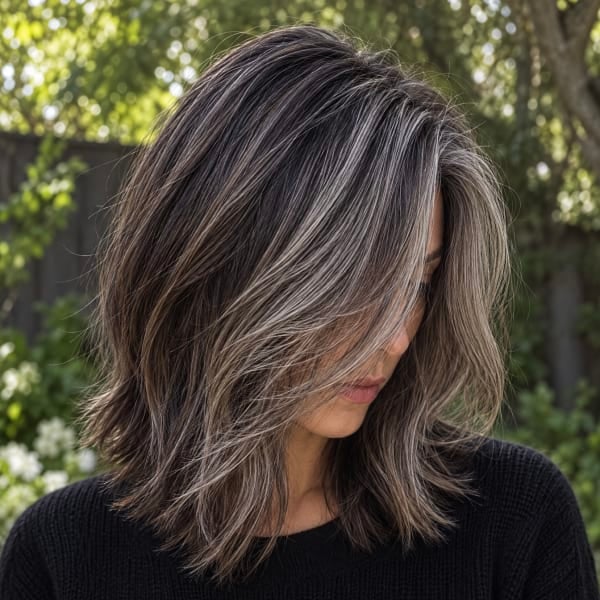
Gray blending offers the best of both worlds for those stuck between wanting to lean into their grays and wanting to run from them. Satin Hair Color, known for its expertly formulated professional color, is here to provide tips and tricks for achieving the perfect gray-blending technique for your clients.
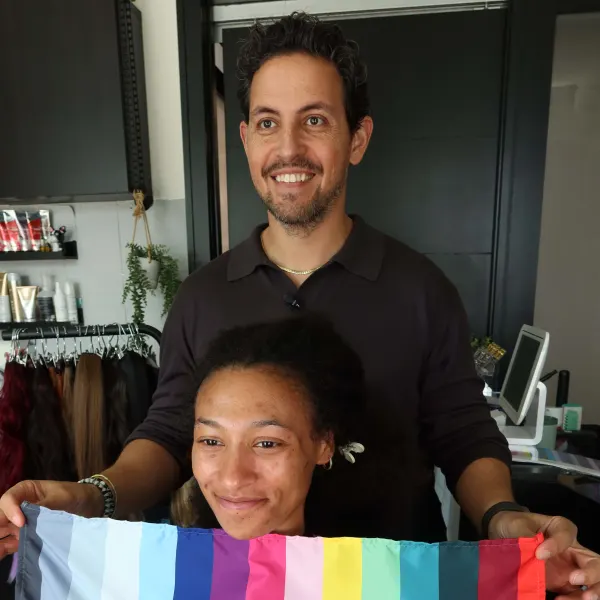
Using Color Analysis, a system formalized in the 1980s, these stylists create something optimized to bring out the best in their clients, while also helping them stand out with this specialty.

From tackling stubborn grays and unwanted warmth to achieving the perfect blonde, Moroccanoil Professional artists share their advice and color solutions.
Sponsored by Moroccanoil
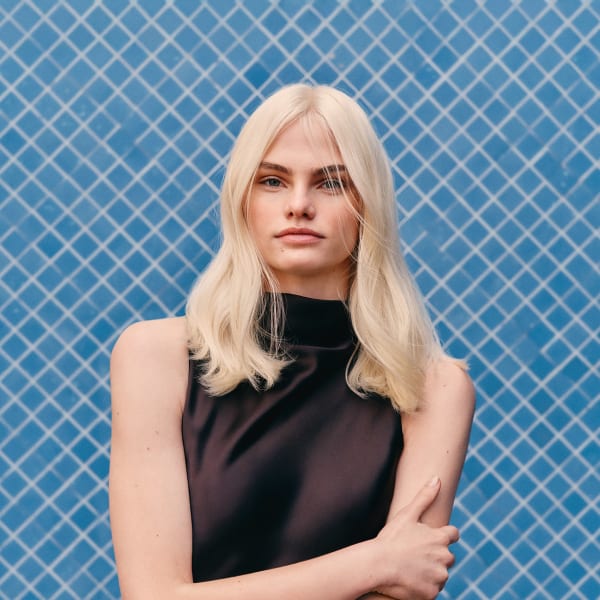
Are your blondes feeling blah? Give ’em a lift with LightDimensions SilkLift Strong
Sponsored by Goldwell
Trending, fool-proof, and fantastic formulas.
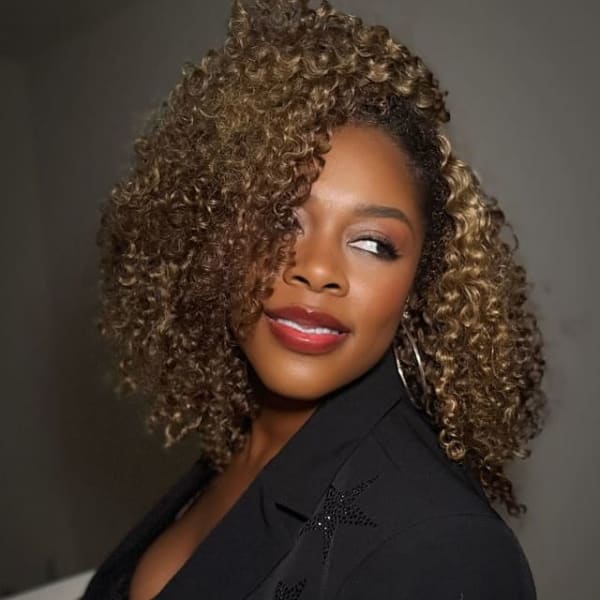
Schwarzkopf Professional Ambassadors Carly Zanoni and Brendnetta Ashley share the express color and treatment services helping stylists deliver great results in under 30 minutes while creating new opportunities for client retention and revenue growth.
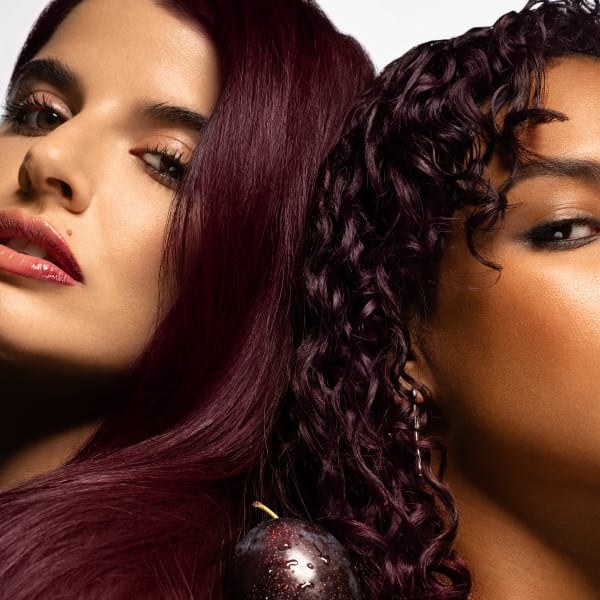
As rich red-violet tones continue trending, the brand introduces two new demi shades designed for depth, shine, and dimensional color.
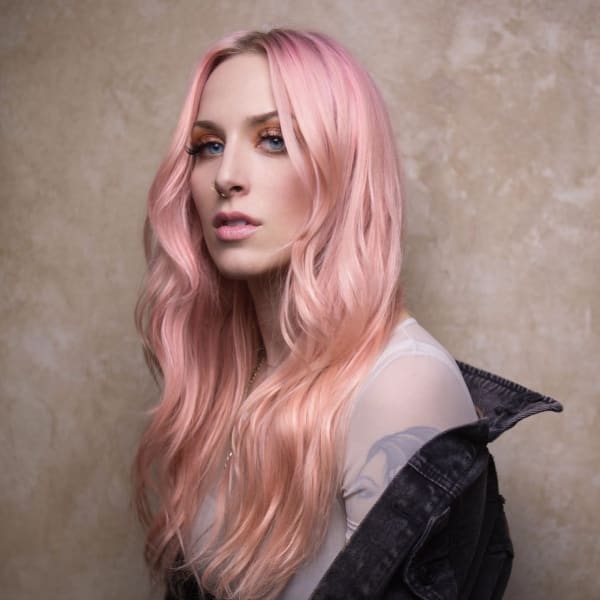
In an industry with so many options and opportunities, we asked artists what made them niche down and select a specialty. Amelia Fugitt (@ameliahairmakeup) says choosing to focus on transformations has transformed her career.
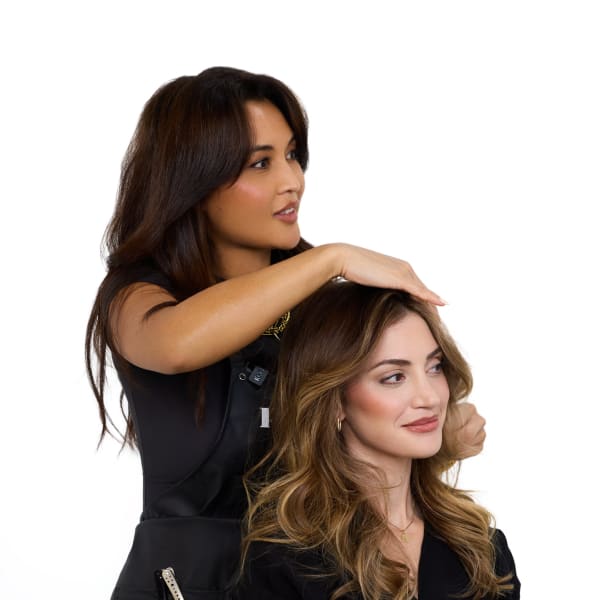
From gray blending to glossing services, stylists are redefining low-maintenance hair color and building more consistent, profitable salon business.