





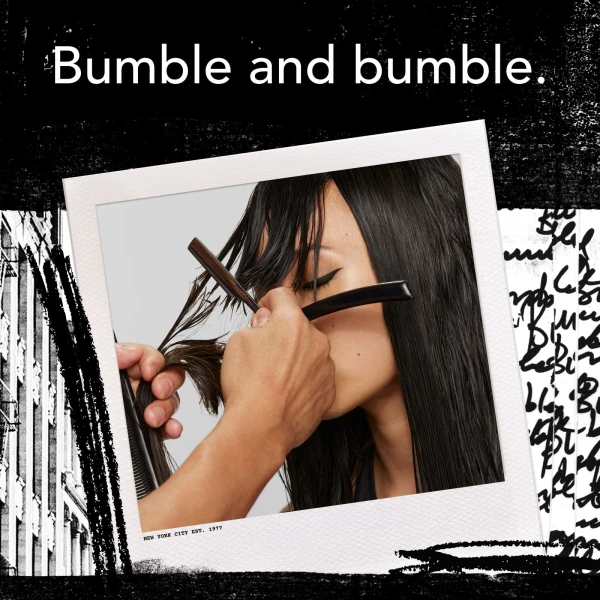
Bumble and bumble Honors Its Heritage While Inspiring the Next Generation
At its core, Bumble and bumble is about giving people the tools, the confidence, and the freedom to express themselves through hair.
by Anne Moratto
 MENU
 SEARCH
Square data shows that regular customers tip 11% higher and are shared across 32% of businesses in the same ZIP code, driving thousands of dollars in additional revenue per connection.
32% of regular customers are shared between businesses in the same ZIP code, keeping dollars circulating locally.
This image was AI-generated using ChatGPT. Refer to our Terms of Use.
Square recently published its 2026 Local Economy Report, a first-of-its-kind analysis revealing how "regulars" and the neighborhood networks they create are the backbone of thriving local economies. The report reveals that regular customers drive 6x more revenue for local businesses, and unpacks the patterns and trends in their spending. This includes regulars making predictable purchases, tipping more generously, and prioritizing in-person experiences, which ultimately creates the steady demand businesses rely on during periods of economic uncertainty.
The report also shows how business success is no longer measured solely within a business's own four walls, but also by connections to regular customers and neighboring businesses. Square found that 32% of regular customers are shared by businesses in the same ZIP code, and each network connection between businesses can generate thousands in additional annual revenue.
Square's analysis of millions of anonymized transactions reveals that local businesses are interconnected through shared regular customers, who create neighborhood networks where one business's success supports the next. The report reveals that:
32% of regular customers are shared between businesses in the same ZIP code, keeping dollars circulating locally
Each network connection is correlated with notable revenue growth: In Los Angeles, businesses earn an average of $2,201 more in annual revenue per connection, with similar lifts in Chicago ($1,100), New York ($1,500), and San Francisco ($2,025)
In San Francisco, 67% of sellers are connected to other nearby businesses through shared regulars
Coffee shops and casual dining establishments serve as the most common neighborhood connectors, acting as everyday hubs that funnel customers to retail, beauty, and service businesses
Looking at Cash App consumer data, up to 60 cents of every dollar spent at local businesses stays circulating within the neighborhood
"Neighborhoods aren't just a collection of individual businesses; they're interconnected networks where success is shared," said Nick Molnar, Global Head of Sales & Marketing at Block. "When a coffee shop thrives, the salon next door benefits. When regulars support one business, they're often supporting five others in the same ZIP code. The future of commerce is local, and Square helps sellers understand and activate these neighborhood connections. Because when local businesses win together, entire communities thrive."
At the center of neighborhood resilience is the "regular," a customer who visits a business at least four times per year. Square data shows these loyal customers are dramatically more valuable:
Regular customers generate 6X more annual revenue than one-time visitors nationally - in Atlanta, this rises to 7X
Regulars tip 11% higher on average compared to transient customers
Regular customer revenue grew 7.67% in 2025, outpacing overall revenue growth (6.97%), even as transient revenue declined
Product consistency drives loyalty: 78% of regulars at beauty businesses buy the same products each time; 59% of food & beverage regulars make the same order
90% of businesses using marketing tools successfully maintained regular customers in 2025, compared to only 38% of those that didn't
"At Square, our research has long shown that local economies thrive on relationships — between customers and sellers, sellers and their staff, and even between neighboring businesses themselves," said Christine Kahm, Head of Customer Strategy at Block. "And now, with this data analysis, we're further reinforcing that these connections aren't just feel-good stories, they're measurable drivers of revenue and resilience. Our unique vantage point across millions of transactions reveals the true anatomy of a neighborhood network: businesses that share regular customers earn thousands more in annual revenue. It's these relationships — built on consistency, loyalty, and community — that underpin and power a thriving neighborhood network."
Loyalty from regulars has proven especially durable over time. Revenue from regular customers peaked during the height of the pandemic and has continued to grow since, underscoring loyalty's role as the most reliable hedge against volatility.
In 2026, despite rising costs and economic uncertainty, consumer commitment to local commerce remains strong:
75% of consumers plan to spend at least as much, if not more, at local businesses over the next 12 months
55% shop or dine at local businesses in their ZIP code at least weekly
32% often or always visit multiple local businesses in a single outing, reinforcing the neighborhood network effect
72% of consumers will tolerate price increases if paired with added value, such as better products or exclusive offers
However, spending priorities are shifting. When forced to cut back, consumers say they are most likely to reduce spending at bars, breweries (27%), and full-service restaurants (27%), while retail remains the most stable category with 78% of consumers maintaining or increasing spending.
The path forward for local businesses is clear: consumers will continue to shop locally, but with intention. As the multi-stop habit continues to define how people shop and dine, the businesses that invest in loyalty, convenience, and community will turn economic pressure into neighborhood growth.
Intention is not only a consumer trend, but also a strategic seller tactic. The businesses that lead in 2026 are those actively building neighborhood networks by deepening relationships with regulars, collaborating with nearby sellers, and creating shared experiences that turn occasional visitors into repeat customers across the block. By strengthening these connections, sellers expand their base of regulars and unlock the measurable revenue growth that comes from loyalty.
"Sellers need to know that the neighborhood is their competitive advantage," continued Molnar. "The businesses that will define the next era of local commerce aren't just focused on their own four walls. They're tapped into the rhythms of their community, deeply connected to their regulars, and showing up how it matters most: with ease, convenience, and in-person expertise."
At its core, Bumble and bumble is about giving people the tools, the confidence, and the freedom to express themselves through hair.

Premiere Show Group has announced IN FOCUS, the creative campaign behind the Premiere 2027 Show Tour, developed in collaboration with award-winning Ashlee Norman Hair & Team.

Next stop, Portugal! These winners will represent North America at the Wella Destination Event in the Global TrendVision Awards.

Stylists Yene Damtew and Jamal Edmonds launch Coil Event, a textured hair event for working stylists with hands-on education, live demonstrations, industry conversation, and networking.
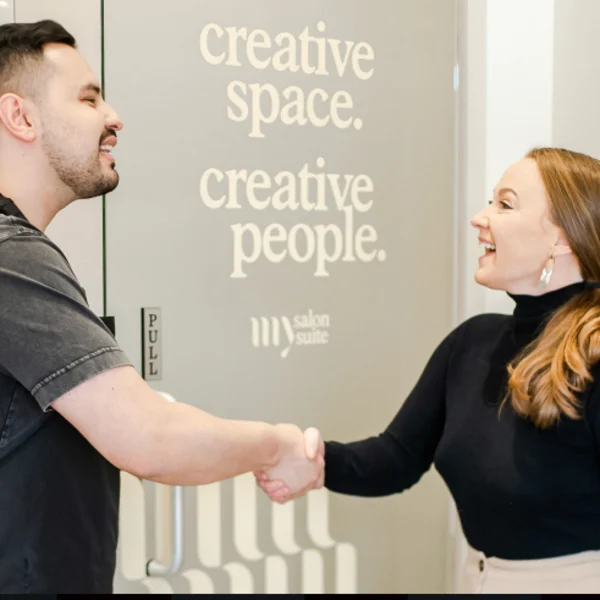
Powered by mya, the zero-commission matchmaking tool connects clients with suite owners, setting a new tech benchmark in the salon suite industry.

A reimagined Press Conference and Official Show Launch will feature the artistry and creative direction of the Chrystofer Benson Artist Team, an exclusive first look at America’s Beauty Show 2027, and an invitation to EXPERIENCE the PULSE - The Heartbeat of the Professional Beauty Industry.
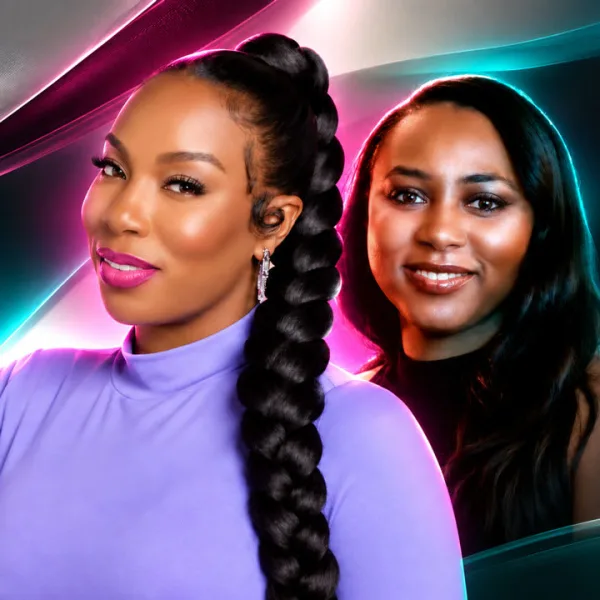
Maya Smith, CEO, Founder and Creative Director of haircare brand The Doux, sits down with Nicole to chat about the brand's new Roblox game, My Salon Empire, inspired by salon entrepreneurship and celebrating all hair textures.

This global competition celebrates the artistry, energy, and creative PULSE of the professional beauty community.

Sofia Vergara, Lucy Hale, Alison Brie, John Salley, Brian Austin Green and more honored the best achievements in Science Behind Beauty, Health & Wellness at this glittering event.

Stress was the factor respondents blamed most often when their skin worsened, cited by 54%, followed by diet at 37% and hormones at 35%.
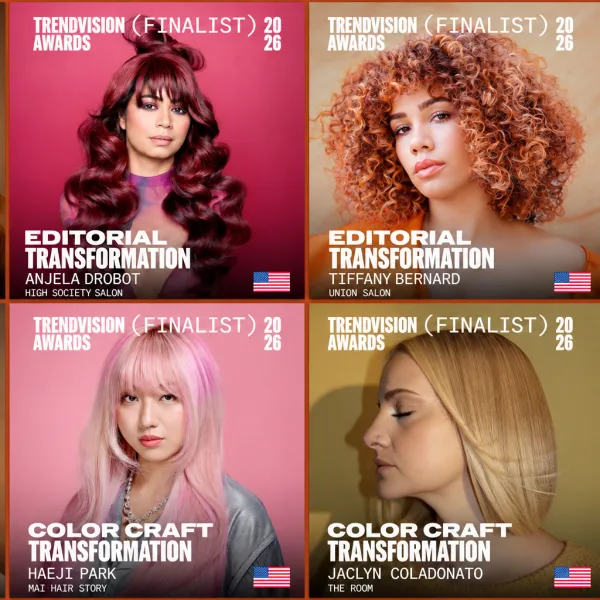
This year’s awards centered around the Monochromatic trend, which is rooted in minimalism and intentional by design.

Haircare brand The Doux has launched “My Salon Empire,” a free-to-play salon management game on Roblox, helping the next generation celebrate the diversity of textured hair and explore salon entrepreneurship.
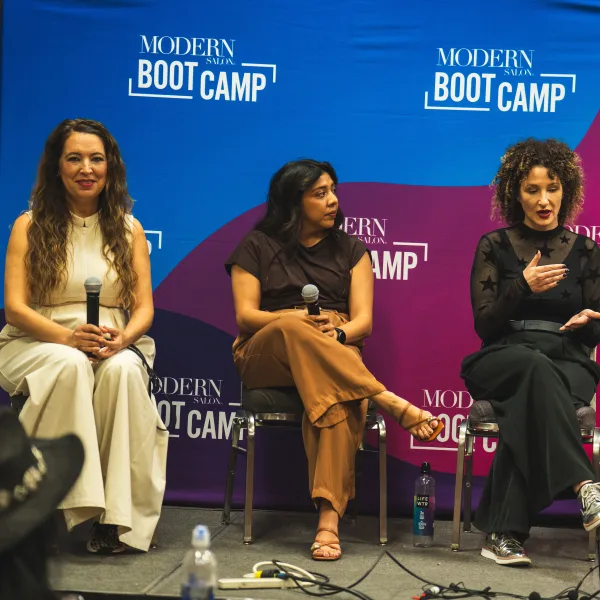
The show reported 30% attendance growth. It felt that way. This event for the southwest professional beauty community had heart, spice, and something for everyone.

Wella artists presented the Monochromatic trend movement, introduced new Pure Perfection color and Sebastian styling innovations, while the Wella team created interactive fun throughout Wella Studio in Los Angeles.

Dominique LyVar, an influential educator and artist, is remembered by those who loved him for his significant impact on the industry and contributions to the community.

Known for his buttery blondes and a technique for highlighting hair with more precision that he called chunking, Brad Johns died on August 27. His friend and fellow colorist, David Stanko, shares thoughts on his talented colleague and close friend.

As technology evolves at an accelerated rate, you want to make sure you have the best in your business toolkit to help you grow sales, motivate your team, communicate with your current and future clientele, and streamline your managerial tasks. The 2026 SALON TODAY Technology Solutions Guide is designed to help you navigate today's growing landscape of salon and spa technology. In this guide, you'll find a curated look at more than 50 of the latest software platforms, digital solutions, and innovative features to help you compare options and identify the best fit for your business.