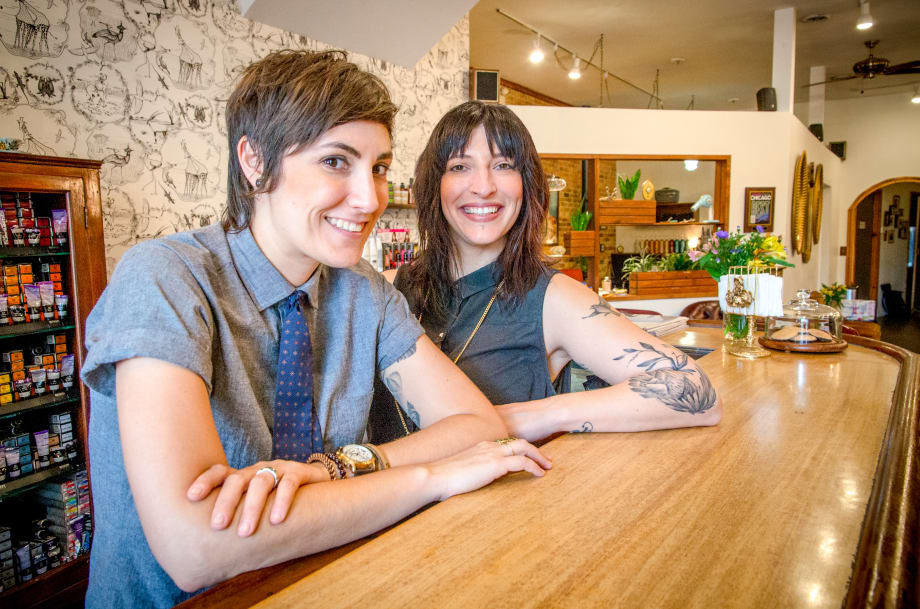
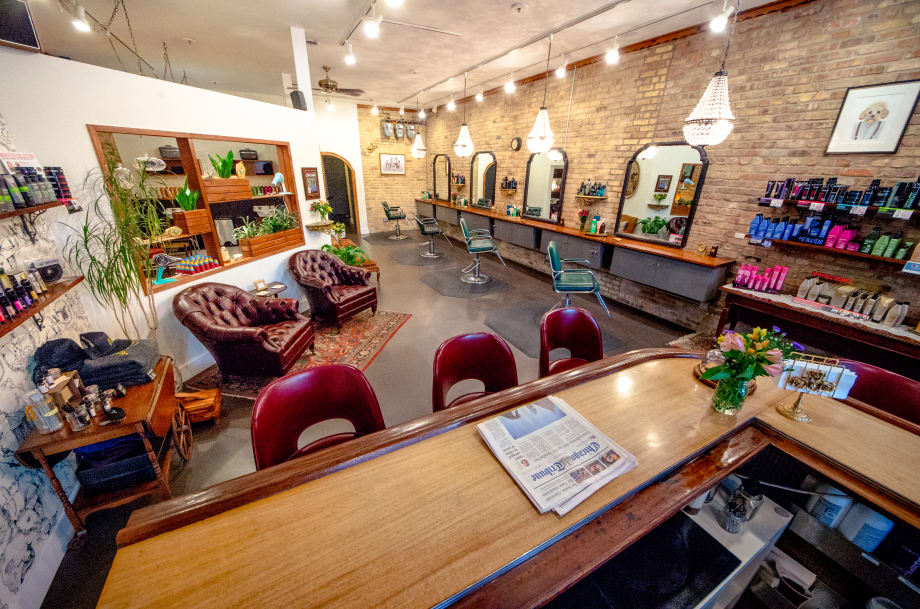
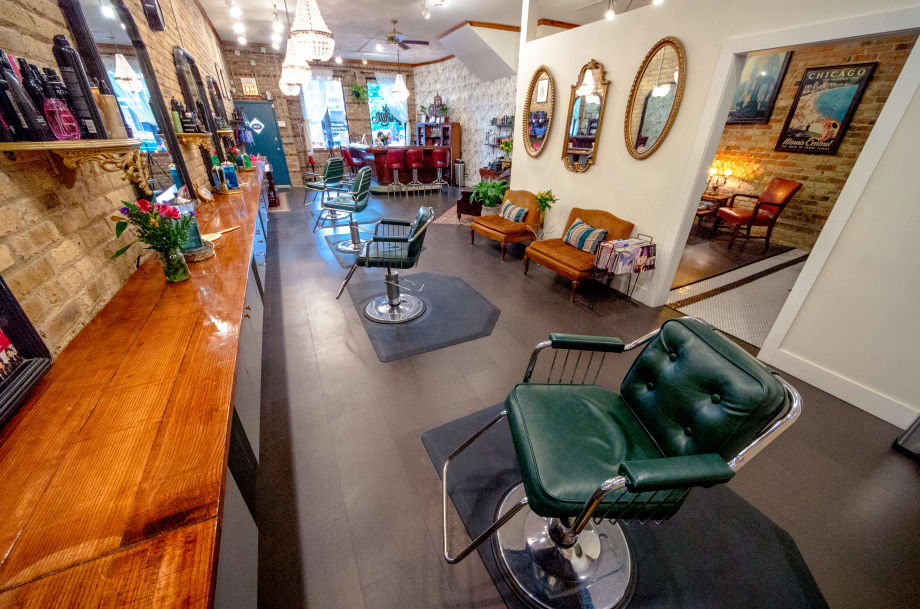
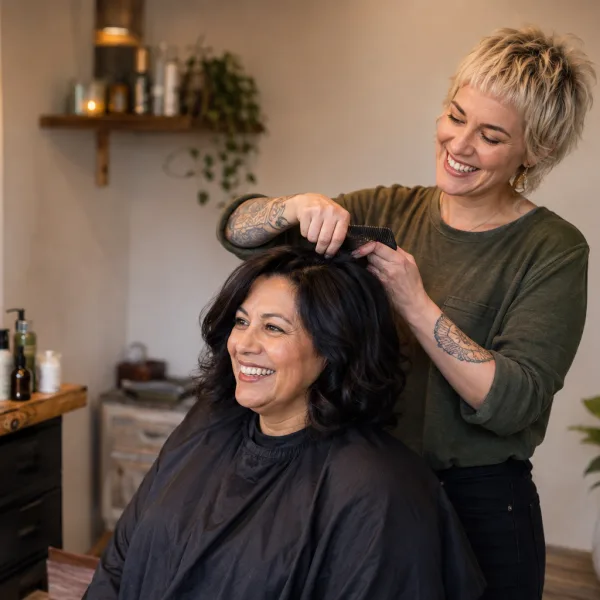
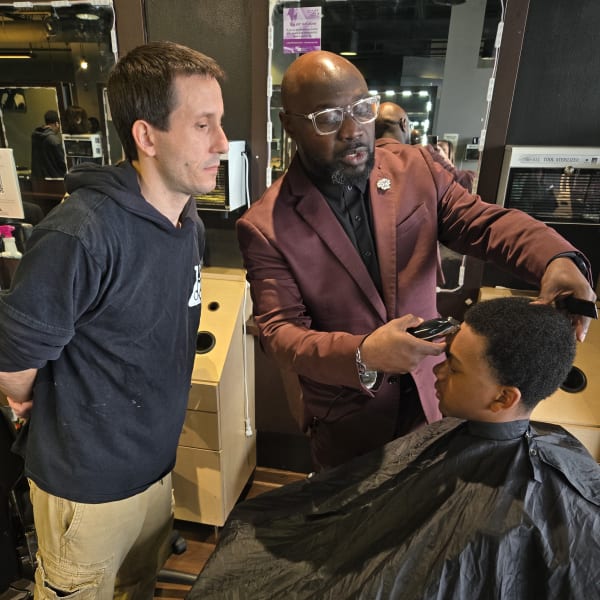
As a solo artist, keeping a full book is essential to having a financially successful business, but even a full schedule may not be as lucrative as it could be if prices are based on gender and not time spent on the client. Logan Parlor and Barbara & Barbara salons in Chicago have implemented a gender neutral pricing system based on length of hair and time per appointment rather than charging for men’s or women’s cuts and it’s making for businesses that are more inclusive, plus more business savvy.
“From a social perspective, it’s about equality,” says Logan Parlor co-owner Tricia Serpe. “Hair has no gender. The salon industry assumes all long hair cuts are women and short cuts are men. That is not true.”
Serpe explains gender-neutral pricing is also smart for business—improving profits, scheduling and client loyalty. For solo artists working on building business structures that keep things running smoothly and lucratively, it’s a smart method of charging for cut and color services.
Here Serpe shares three ways gender-neutral pricing makes business operate efficiently:
1. Length-based pricing optimizes the salon’s book, reducing downtime for stylists and preventing appointments from running over and interfering with the next one. When a client calls to make an appointment, the receptionist asks about the length of the hair and blocks out time for the appointment accordingly. Stylists will have time with every client to provide education on recreating their style and to give product recommendations. More shared product knowledge means more retail sold.
2. Customized pricing for every client means clients with shorter cuts who require frequent maintenance will feel able to return to the salon more often. For example, if a woman with short hair pays $70 for a women’s hair cut, she might not be able to budget at the same frequency of visits. However, if her short cut costs $35 because it takes her stylist less time to complete the service, she may be inclined to book appointments more often and maintain her look, potentially leading to more referrals.
3. Transparency of pricing leads to increased client loyalty. Guests appreciate knowing the cost of a hair cut or color service was based on the time it takes to complete the service and the amount of product used. When a client changes his or her style, such as going from long to chin-length hair, the stylist can explain to the guest that the price is decreasing because it will take less time to blow dry and finish the look. Alternately, if the price will increase because a client’s hair grew out, a stylist can explain the cost is more because more time is needed.
Beyond the economic value, gender-neutral pricing is also a part of building a welcoming and inclusive culture. Avoiding the phrases “women’s cut” and “men’s cut” discourages assumptions about how men and women should wear their hair. Increasingly, men are wearing their hair longer and women are exploring barber cuts.
“We do everything we can for the customers in our chairs to ensure what they’re presenting to the world is what they feel inside,” says Jackie Young, stylist and barber at Barbara & Barbara.
Logan Parlor and Barbara & Barbara have both scheduled training with the Safe in My Chair program, designed to teach stylists the soft skills of being open, caring and compassionate with their guests. Founded by stylist Mia Smith, Safe in My Chair began as a database to connect clients who have experienced domestic violence, have PTSD, or are transgender, with beauty professionals who are trained in attentive consultations, listening to understand and making guests feel confident.
“For us, it was never a question as to how to charge our guests,” Serpe says. “We have a very diverse clientele so we are excited to become certified and let our current and future guests know we are a safe space for them.”
For more business ideas for Solo Artists, visit modernsalon.com/soloartist and sign up for regular Solo Artist e-newsletters to stay involved and in-tune to the independent beauty community.