





Why Salon Work Makes Your Body Ache & What You Can Do to Feel Better
We learn some simple moves and strategies to keep the blood pumping through the muscles and limit posture problems from The Balanced Beauty Pro
by Anne Moratto
 MENU
MENU SEARCH
If your body has become a stranger to you when you’re “of a certain age,” you may be entering menopause. Signs include hot flashes, night sweats, crashing fatigue, sore muscles, dizziness, changes in hair and nails and, of ...
Christopher Robbins for Getty Images
If your body has become a stranger to you when you’re “of a certain age,” you may be entering menopause. Signs include hot flashes, night sweats, crashing fatigue, sore muscles, dizziness, changes in hair and nails and, of course, shorter or irregular periods.
No longer whispered as the “M” word, menopause is talked about openly but not always accurately. Dr. Nicholas Sieveking, board-certified Stanford University plastic surgeon and also board-certified for fellowship training in anti-aging and functional medicine, cuts through the confusion to identify five menopause myths he hears patients repeating:
“I’m too young to be in menopause.” Just because you’re barely 40 or had a baby in recent years doesn’t mean you can’t be starting menopause. “The average age to begin menopause tends to be 52, but women can actually begin anywhere from their 30s to their 60s,” Sieveking reports. Perimenopause, the “preview,” can precede menopause by up to a year.
“Since I was older when I got my period, I’ll be older when I go into menopause.” Actually, the opposite tends to be true—girls who get their period on the later side tend to begin menopause on the earlier side. However, Sieveking says, “predicting the age a woman will begin menopause is difficult. Pay attention to your body. After age 40 you’ll notice more and more changes and symptoms of menopause.”
“I can’t be menopausal, because I’ve had no hot flashes.” While most women experience hot flashes, that’s not always the first sign and some woman never experience them at all. Menopause can start with emotional and mental signals such as anxiety, depression, fuzzy thinking, an inability to focus, low libido, forgetfulness, a short temper or irritability.
“Weight gain comes with the territory, and there’s nothing I can do about it.” As estrogen is depleted, the body tries to protect itself from hormonal imbalance by storing fat. Sieveking says you can maintain your premenopausal weight by making a few changes: choose high-fiber foods, which also should help with constipation, another ill associated with menopause; eat plenty of calcium-rich and vitamin D-rich foods like low-fat dairy products, green leafy vegetables, beans and fish to help keep your bones strong; take a daily calcium+vitamin D supplement; and exercise.
“Red wine is especially good for me now, and coffee will calm me.” Alcohol—especially red wine—can trigger hot flashes. It also can diminish calcium absorption and inhibit live enzymes that activate vitamin D, while caffeine increases excretion, and decreases absorption, of calcium. Both alcohol and caffeine are dehydrating stimulants that can make night sweats even worse.
One thing that’s not a myth is the tendency toward mood swings. When a patient tells Sieveking, “I yelled at the dog and then I cried about it for an hour,” he assures them that they’re not becoming terrible people but, rather, progesterone and estrogen levels are causing a bit of erratic behavior. “Also, don’t underestimate the power of what menopause really signals,” Sieveking adds. “With child-rearing days behind them, many women begin to think about the rest of their lives. No doubt, these thoughts can trigger feelings of anxiety and depression. But menopause is part of every woman’s life. Work closely with your doctor to create a plan that combines healthy foods, exercise, stress management and a commitment to enjoying life to its fullest. There is so much to look forward to. Having a positive outlook is the key to feeling your best regardless of age and stage.”
We learn some simple moves and strategies to keep the blood pumping through the muscles and limit posture problems from The Balanced Beauty Pro

Anny VanDriel, owner of Be Rosie Salon and creator of Pricing Isn’t Personal, volunteered to share a pricing presentation to beauty school students a year ago, and ended up learning more than she expected.

From the launch of the Ulta BeautyArtist Collective to the evolution of Trendspiration, celebrating stylists is what The Salon at Ulta Beauty does best.
Sponsored by Ulta Beauty
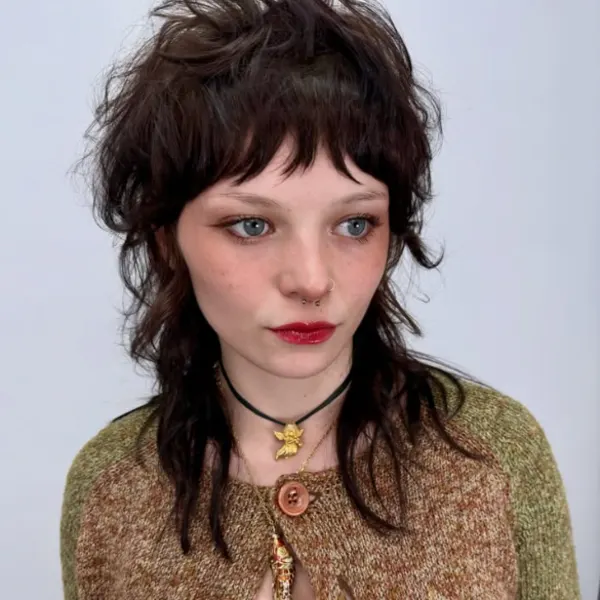
With more than four decades in the industry, hairdresser and MODE Education founder Stan Newton has built a career around the art and discipline of cutting hair, learning the rules so he can break them.
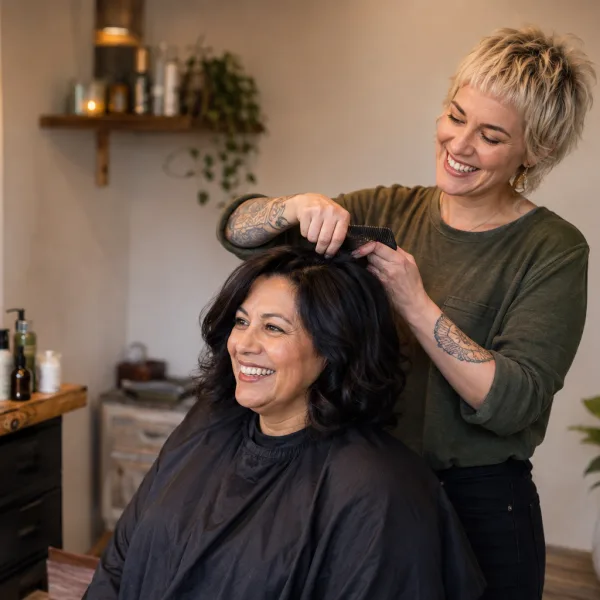
Beauty professionals should evaluate each service based on its popularity, profitability, and alignment with current trends. Conducting client surveys and analyzing booking data can provide insights into which services are in demand and which might be phased out.
LifeSpa leader Ali Yanez explains why strong mentorship, predictable income, meaningful recognition and the right work environment help beauty professionals build careers that last.
Whether a beauty professional chooses a commission salon, booth rental, salon suite or salon ownership, the common thread is having more choices than ever before.

Sport Clips Haircuts will host its inaugural "Level Up Live," a first-of-its-kind virtual event that combines live haircutting education, career inspiration, product knowledge, and employment opportunities for licensed stylists and cosmetology students nationwide.
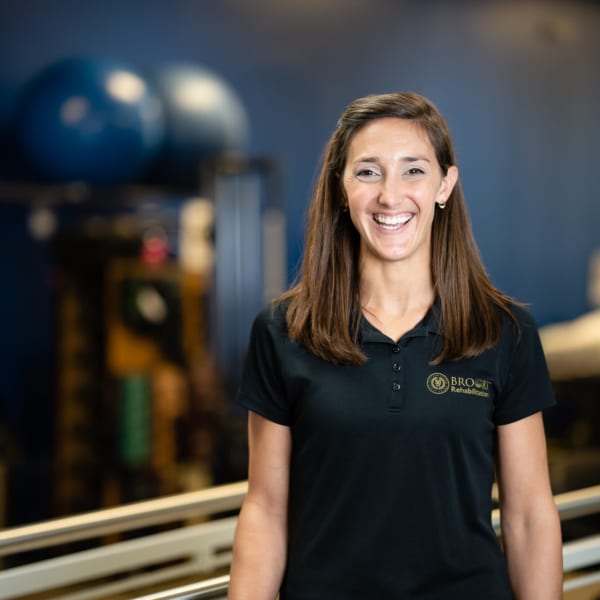
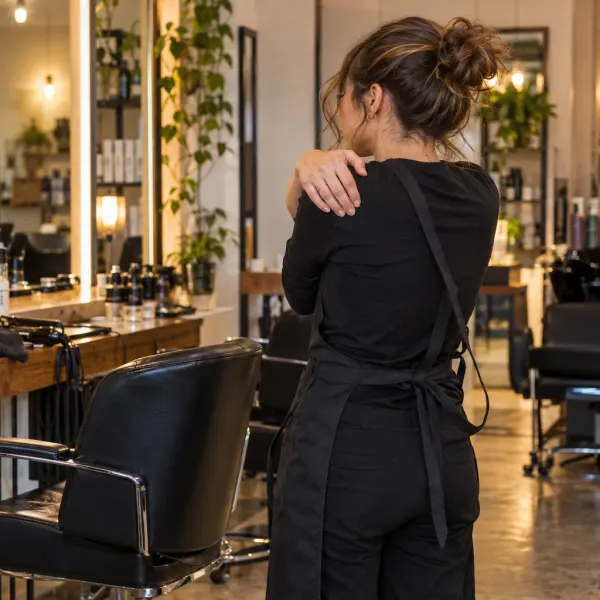
Orthopedic PT reveals three daily exercises plus ergonomic advice that can help salon professionals avoid the aches and injuries caused by standing, bending and repetitive overhead work.
Four publications for beauty industry professionals to enhance their leadership skills, financial awareness, professional growth, and joy!
Salon suite pioneer Karen Kaminski argues that the next evolution of independent beauty businesses won't be defined by beautiful spaces alone, it will be driven by smarter systems that help professionals spend less time on administrative work and more time serving clients.
At a time when many LGBTQ+ people felt compelled to hide parts of themselves, Carlos Valenzuela found a career in beauty and a community that offered opportunity based on what you could do and how well you could do it.
Whether it's social media, fashion, film, art, or culture, Chaz Dean advises stylists to stay aware of what's inspiring people. Take the elements that make sense for you in these five lessons learned through a life in beauty.
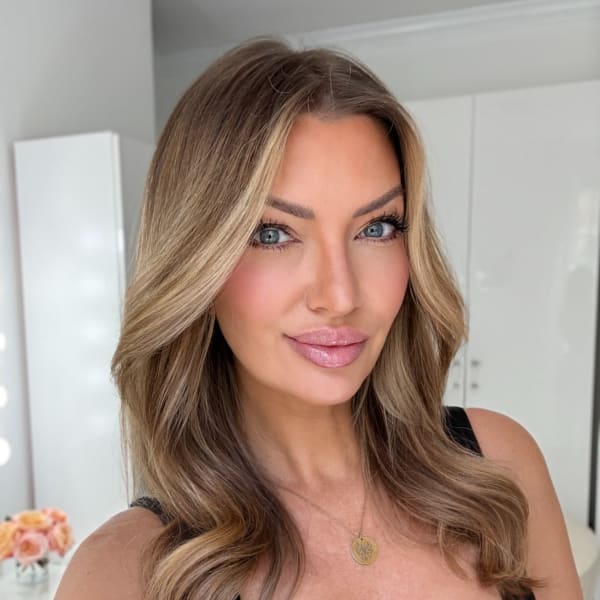
For Jessica Domoney, building a successful career isn't about saying yes to every opportunity, it's about protecting your time, investing in yourself and creating an experience clients won't forget.
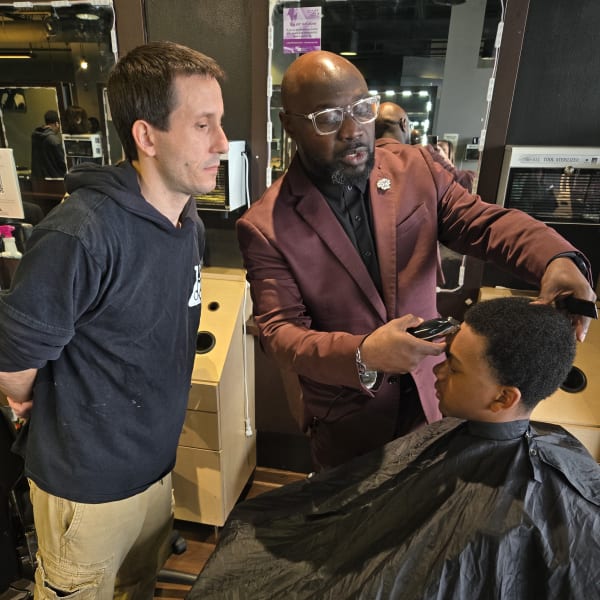
MODERN SALON sat down with Samuels to discuss the book, beauty education, mentorship and the habits that help beauty professionals thrive.
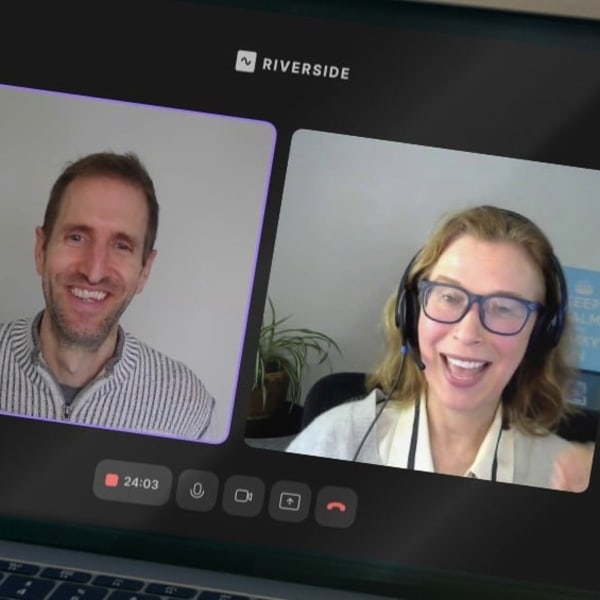
"The mistake people make is treating AI like a vending machine instead of a personal assistant." Digital marketing expert Scott Moon shares how beauty professionals can use AI while staying authentic

Real-world advice on creativity, consultations, color, burnout, business, boundaries, inclusivity, client care, and career growth from educators and industry experts.