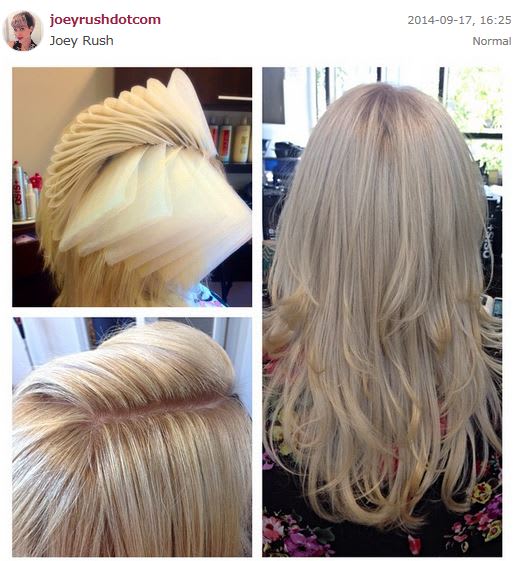
The architecture of highlighting hair -- there's lots of pieces and parts to consider when you are creating a design for your client. Here are 6 things you need to know in order to achieve the perfect highlights for your client.
As a colorist, you get clients that come in daily for highlighting services. Whether they want to add a few lighter pieces to their look, dimension or movement, it’s one of the most popularly requested and upsold salon services.
Highlights have evolved throughout the decades from using foils to freehand balayage. Eric Charles Mokotoff, master colorist and educator for 20 years (haircolorartist.com) offers this highlighting lesson which can benefit students to long-time beauty industry veterans.
Ad Loading...
“Consumers ask for today’s newest looks so let’s take a look beyond the most common racking and stacking of foils,” says Mokotoff. Here, we take a close look at the complete architecture of a highlight:
#1. Geometric Design/Foundation: “Will you highlight the top of the head, sides, back? Establish which zones of the head based on the haircut (length and fall) you want to see a particular effect in. And choose your geometric shape. The possibilities are limitless.”
#2. Direction of the Light & Shadow: “How will the light and shadows affect the color? The next step is to decide how the light will fall within your chosen zone.”
Horizontal: a waterfall of color/light going across
Vertical: ribbons of color/light that etch into the depth of the hair
Ad Loading...
Diagonal Towards: angles of color/light moving towards or forward
Diagonal Away: angles of color/light moving away or back from
#3. Choose Your Textures & Mix it Up: “What goes into the foil will determine the effect of the direction. You can slice, weave, slice jump slice, micro weave etc. Mixing up the texture of what is in your foil will help create a more organic, seamless feel.”
#4. Density of the Texture (how much hair is in the foil): “How thick or thin your texture is too will also determine how closely set and compacted the slices, weaves or other textures are.”
#5: Density of the Design (how much foil to use): “The amount of foil and how close together they are will either give the appropriate room for the look or too many foils too close together will compact and bunch the desired effects together.”
Ad Loading...
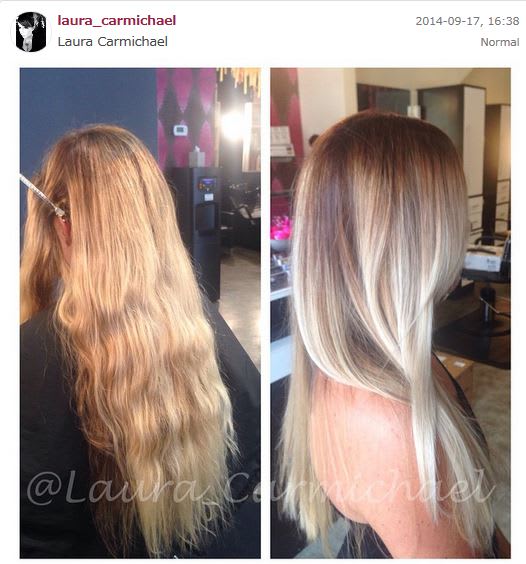
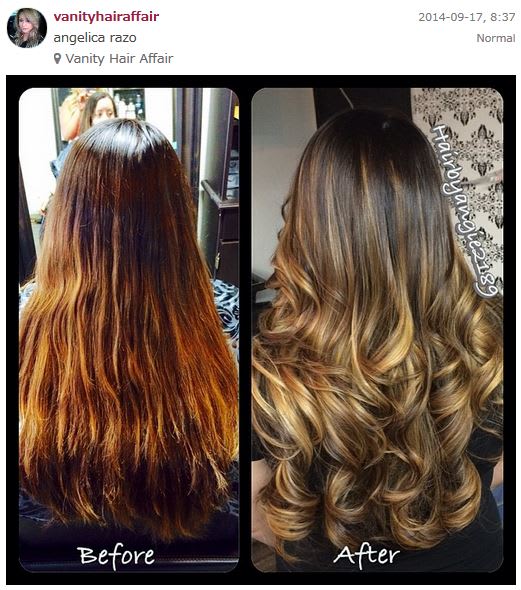
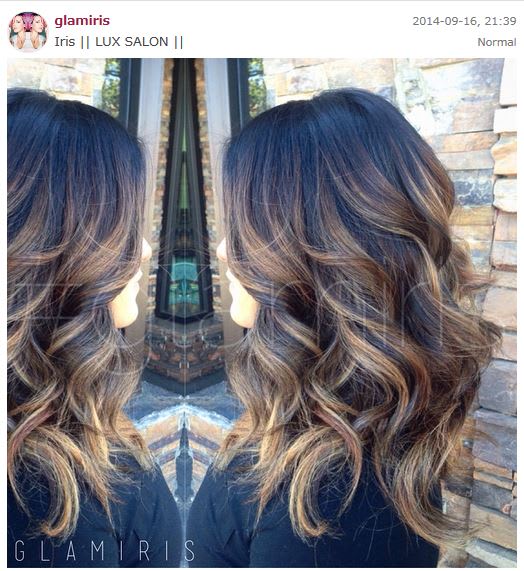
#6: Empty Space is Your Friend: “Feel free to leave some emptiness, background. This will give more justification and ‘oomph’ to your dimension. Natural space and shadow will give you desired look just the natural attention it needs. Not everything needs to be colored or lightened. Too many foils over crowd and become either too linear, too busy or simply resemble a single process color.” (SEE PICTURES ON PAGE 2!!!)
What color levels and tones will you use to complete your desired creation? Check out these cool highlighted styles tagged to MODERN's #hairdressermagic hashtag!
By Lauren Salapatek | 08/13/2014 | WWW.FIRSTCHAIR.COM | FEATURES Hairstylist and Make-up Artist Cristen Smith created these looks on four separate clients. In each, she explains her color formula/process in order to add depth and dimension to each look. Read more
By Lauren Salapatek | 06/26/2014 | WWW.MODERNSALON.COM | HAIR-PHOTOS Who doesn't love flawless platinum blonde highlights? We have the how-to for you by Alexa Mansa, colorist at Salon Couture! Read more
By Lauren Salapatek | 06/17/2014 | WWW.MODERNSALON.COM | HAIR-PHOTOS Pink, Yellow, Green-Blue and Indigo are the colors you will find in this "Pretty-in-Punk" color formula by Joico Artist Stella Livoti. Get the full steps inside. Read more
Like many hairdressers, I saw opening a salon as the next logical step. But I also wanted my salon to be a little different, and needed to figure out ways to stand out in a sea of salons.
Powered by the brand’s Suite Relief Program, a North America initiative funds education and trade show access for students across cosmetology, barbering, esthetics, nail technology, and massage therapy.
What makes salon content worth a pause? Hairstylists Janelle Eyre, Sean Crutcher and Luis Rodriguez share how they show their work, earn guests’ trust and make posting feel manageable. You can get MORE from these artists in our upcoming webinar!
Anny VanDriel, owner of Be Rosie Salon and creator of Pricing Isn’t Personal, volunteered to share a pricing presentation to beauty school students a year ago, and ended up learning more than she expected.
From the launch of the Ulta BeautyArtist Collective to the evolution of Trendspiration, celebrating stylists is what The Salon at Ulta Beauty does best.
With more than four decades in the industry, hairdresser and MODE Education founder Stan Newton has built a career around the art and discipline of cutting hair, learning the rules so he can break them.
Beauty professionals should evaluate each service based on its popularity, profitability, and alignment with current trends. Conducting client surveys and analyzing booking data can provide insights into which services are in demand and which might be phased out.
LifeSpa leader Ali Yanez explains why strong mentorship, predictable income, meaningful recognition and the right work environment help beauty professionals build careers that last.
Whether a beauty professional chooses a commission salon, booth rental, salon suite or salon ownership, the common thread is having more choices than ever before.
Sport Clips Haircuts will host its inaugural "Level Up Live," a first-of-its-kind virtual event that combines live haircutting education, career inspiration, product knowledge, and employment opportunities for licensed stylists and cosmetology students nationwide.
Orthopedic PT reveals three daily exercises plus ergonomic advice that can help salon professionals avoid the aches and injuries caused by standing, bending and repetitive overhead work.
Salon suite pioneer Karen Kaminski argues that the next evolution of independent beauty businesses won't be defined by beautiful spaces alone, it will be driven by smarter systems that help professionals spend less time on administrative work and more time serving clients.
At a time when many LGBTQ+ people felt compelled to hide parts of themselves, Carlos Valenzuela found a career in beauty and a community that offered opportunity based on what you could do and how well you could do it.
Whether it's social media, fashion, film, art, or culture, Chaz Dean advises stylists to stay aware of what's inspiring people. Take the elements that make sense for you in these five lessons learned through a life in beauty.
For Jessica Domoney, building a successful career isn't about saying yes to every opportunity, it's about protecting your time, investing in yourself and creating an experience clients won't forget.