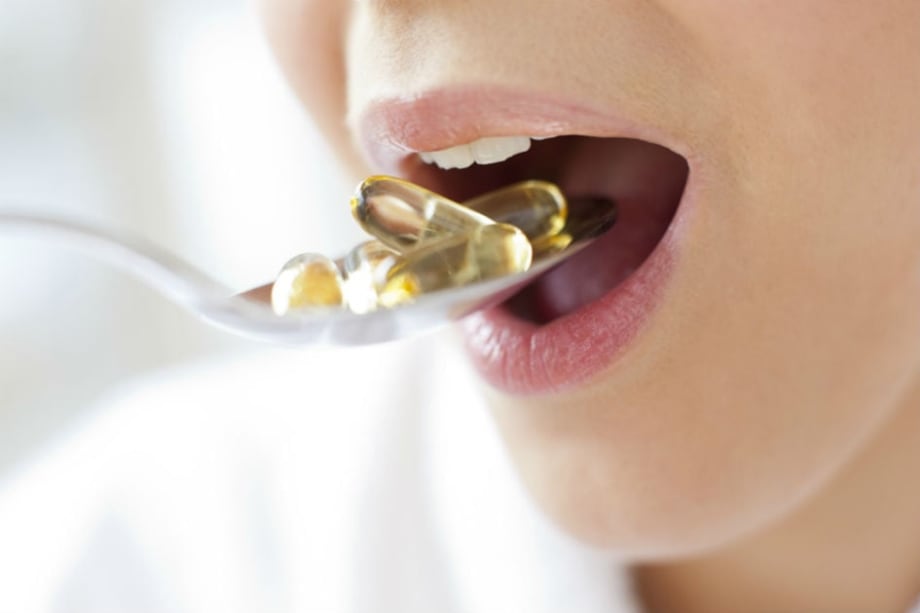
Cancer prevention is everyone’s goal. Research indicates that we can lower our risk of some cancers by eating a balanced diet high in fruits and vegetables, exercising and not smoking. Some of the antioxidants and other anti-cancer compounds in recommended foods like green tea also come in pill form. But is taking supplements is as effective as eating properly?
City of Hope concludes that current information points to the answer being “no.” In fact, supplements can cause harm—studies have found that extra-high doses of antioxidants like vitamin C, selenium and vitamin E can actually increase your risk of cancer. Even when something is beneficial, it’s hard to hit the exact dosage that’s best for your body. For example, calcium can reduce your risk of colon cancer, but too much calcium will increase your risk of prostate cancer, according to Beatriz Campos, M.P.H., R.D., C.D.E., clinical dietitian at City of Hope. And then there’s the regulation problem.
“Vitamins and supplements are not really regulated by any governing body, so we’re relying on the manufacturer’s honesty,” Campos explains. “Sometimes vitamins and supplements even have toxins in them. There have been reports that some have been contaminated with bacteria. I don’t recommend people purchase vitamins from bargain bin type places, because those are the ones that tend to be the most inaccurate.”
Despite the risk, Campos says that vitamins and supplements do have their place in a healthy diet, particularly for cancer patients eating a restricted diet or other individuals with specific vitamin deficiencies.
“For people eating a very limited diet, just surviving on rice and chicken because it’s the only food they can eat, I would probably recommend a multivitamin because I know it’s going to give them 100% of everything that they need,” Campos says. “It’s a good insurance policy against becoming deficient.”
Still, Campos is not opposed to all supplements. “There is a place for specific vitamins if the patient is at risk of a deficiency,” she says. Campos comments on some common supplements:
Salmon 3 fish oil. “I think fish oil is good for all different types of conditions—heart disease, diabetes and cancer. “But you see a much stronger effect when you’re getting it from food—from eating two servings of salmon or another fatty fish per week.” If you don’t like fish, she adds, you can get these same fats in flaxseed and walnuts.
Green tea. This powerful beverage is filled with anti-cancer compounds and antioxidants to fight free radicals but, again, brewing yourself a cup of green tea is far superior to taking a supplement. “The antioxidant activity is highest in green tea so, if you were going to start drinking tea, green tea would be the best,” Campos says, but not if you’re in cancer treatment. “During cancer treatment we actually tell patients to hold off on drinking green tea. Because it’s so high in antioxidants, we don’t want anybody taking high doses because that can interact with chemotherapy and radiation.”
Turmeric 3. The same applies to this spice, which has antioxidant and antimicrobial activity—you’re better off cooking with it than taking it in capsule form. “Use turmeric as a food, as opposed to thinking of it as a supplement that you have to take every day,” Campos advises. “All herbs and spices have some kind of nutrition in them that makes them antioxidants or cancer-protective, so you really are giving yourself the best benefit when you get a variety of these herbs and spices in your diet.”
Campos concludes, “Rather than focusing on pills, focus on eating the whole fruits, vegetables and plant-based foods that are going to give you these vitamins naturally.”