Competing in the Oscars of Beauty and Creating a Compelling NAHA Collection
The North American Hairstyling Awards or NAHAs, co-founded by MODERN SALON, awards our industry’s artists and creatives. Photographer Keith Bryce is the man behind the lens for many of the finalist collections, and we asked him to discuss his process, and how he collaborates with artists to bring out their best.
Anne Moratto・Director of Brand Content Strategy, MODERN SALON and NAILS
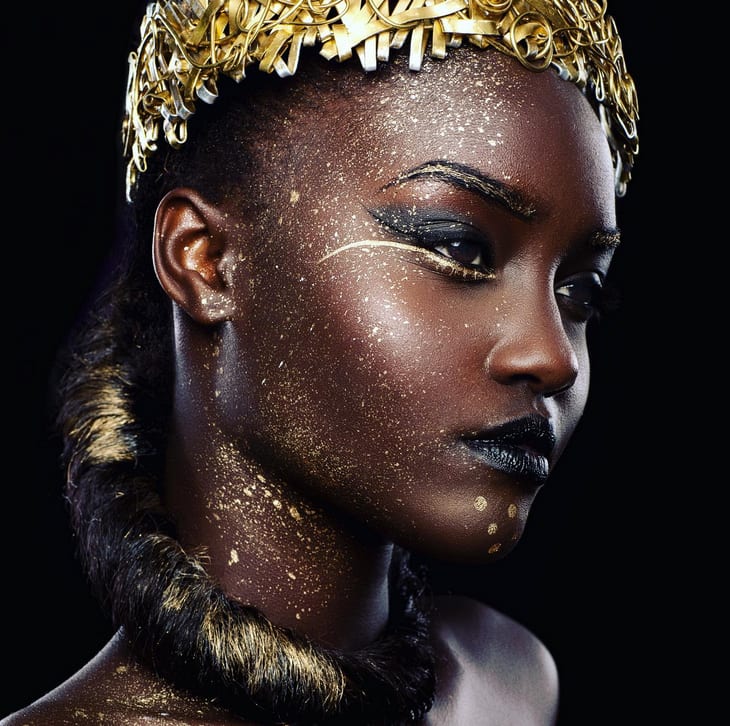
Jalia Pettis won the NAHA for her makeup work on this collection, shot by Keith Bryce.
Images courtesy of PBA
Keith Bryce/PBA
6 min to read
This Sunday, April 3, we will celebrate our industry’s Oscars --the North American Hairstyling Awards or NAHAs. This photo competition, co-founded by MODERN SALON, awards our industry’s artists and creatives. As a (grateful) judge of this competition, I have often seen Keith Bryce’s name credited as photographer on the collections that make it into the finals.
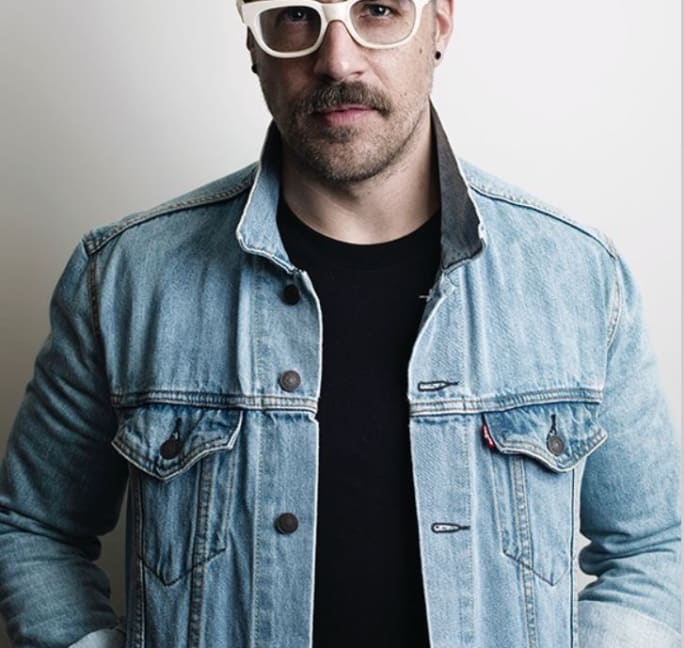
Bryce, who in addition to being a photographer is also a skilled fashion designer, hairstylist and creative director, picked up a camera because he wanted to shoot his own fashion collections. As a designer who had been selected to compete on the reality television show, Project Runway, Bryce loves the thrill of the competition, the buzz of being on-set and throws himself into every project with a full heart and complete commitment.
Ad Loading...
Keith Bryce
“I love collection building and NAHA lets us take it to that hyper-creative space,” he says. “And when I work with someone, I want to collaborate; I call them my teammates, not my clients. I’ve had people challenged by lack of inspiration and I’ll stay up to four or five in the morning because I want to make sure we have something impactful to shoot the next day. I am not just there to capture the shot while watching them struggle.”
Project NAHA
Bryce works with award-winning artists, as well as students and first-time competitors. He says an aspect of his role (as creative director and photographer) is paying attention to what is happening in the world of hair, especially when working with the newer stylists. “Students come with big ideas but often it’s only what they have been exposed to in that exact moment and so I try to round out their perspective. I will push them towards what is hot, what is happening now, while also showing them what has been presented historically. Knowing what is next is sort of what NAHA is about.”
He has also submitted his own hair design work to the competition—and was named a finalist—having come to hairdressing after he realized that his approach to hair mirrored his approach to fashion design.
“At my first NAHA shoot, where I was creating a wardrobe, the hair stylist was feeling stressed and needed some direction. I told him I would sketch out some work and that I would include his hair designs in my fashion sketches.
“To me, hair is like a bunch of threads and you just need to figure out what you want them to do. I didn’t realize it at the time, but I was treating hair as another form of fabric. I look at hair very sculpturally, from a fashion/art direction kind of space.”
Today, Bryce shoots and creatively directs five or six collections a year. Because he can come from so many different directions—as a hairstylist, designer, and photographer—he has a unique point of view and can sense when a collection is hitting its stride and has established a rhythm.
But before he jumps into working with someone on a photo collection he asks questions. “You have to see where someone is at technically and also where they are with their aesthetics. What is cool to them, what do they respond to?”
The questions continue as the concept comes together, and they are about both the artist and their work. “You need to ask, what makes this collection different? What sets you apart? What makes it feel like you’re saying something special? Sometimes people say, I don’t want to do something so crazy, but it doesn’t have to be crazy to be competitive.
“Also, I tell them to ask themselves, where do I want to fit within the industry? If this collection is my shot at saying who I am—what is that? You want to define your brand. If you’re presenting an avant-garde collection, is that what you want to be known for if it’s actually your color work that you love and want to grow into?”
Putting together a NAHA collection shoot can be a big to-do. Bryce says, yes, it can be expensive, but people can be resourceful, drafting friends as collaborators. He also hastens to add that paying for a professional model, who knows how to move, can be a smart investment. “You’re either going to pay with your time or with your pocketbook.There are all these components that create a successful shoot—the hair, the overall art direction, the photography, the models. You really have to know the assignment.”
So that everyone on the shoot can easily see what the artist is working to capture and convey, the creation of a mood board will serve as a map.
“It probably starts out more as an inspiration board but it turns into a mood board,” Bryce explains. “I tell artists to pull pictures—physical and digital—that are images they are drawn to and excited by and then see how that fits into the industry.
“Sometimes students say, this shot is so amazing, and I point out that it won last year,” he continues. “Looking at what has happened at NAHA is just one aspect but all their inspiration shouldn’t come from what has been done in the past; I’ll say pull color work that is out there, look at what is happening in fashion or the history of fashion that you’re responding to, as well.”
On Being Present
“People will tell me that I have good eyes and good suggestions but really, I have just been paying attention. And over the years, I’ve become much quicker at getting what we need. Ten years ago, it was so thought out and I would have 100 images of the same thing. Now, I’ll be quick to play and to say, lets take off the jacket, let’s have some wafting to the hair, let’s add a bit more texture to the hair.”
Ad Loading...
On Models
“I consider the process between me and the model to be a dance. If you don’t allow a model to move their energy really goes down. You want to stagger your model call times so they are not sitting around, doing nothing, for too long.
"I give them a little direction, but I also like to let the models move and to get to something that just feels like them. I find if I get too stiff, the images feel too contrived, and the process isn’t nearly as fun.”
On Switching Things Up
Bryce says it’s often when something goes awry—a planned hair design doesn’t actually work with the model’s face, for instance—that the magic happens. While these teams of creatives may have started with a concept, that original blueprint often gets redrafted as surprises present themselves. And then at the shoot?
“I will do switch-ups when I’m shooting, where I will push artists to deconstruct that finished look I just captured, “ Bryce shares. “Sometimes, seeing the hair that is out of place, knowing that it’s perfectly imperfect- and it’s in those unexpected moments that we really create art.”
He has both his students and professionals prepare a fourth or fifth look, keeping in mind the connection to the collection, which can be their risky move. “Let that be your, ‘I was just going for something different’ and that image can sometimes be the one where you say, yes, that’s the one.”
Anny VanDriel, owner of Be Rosie Salon and creator of Pricing Isn’t Personal, volunteered to share a pricing presentation to beauty school students a year ago, and ended up learning more than she expected.
From the launch of the Ulta BeautyArtist Collective to the evolution of Trendspiration, celebrating stylists is what The Salon at Ulta Beauty does best.
With more than four decades in the industry, hairdresser and MODE Education founder Stan Newton has built a career around the art and discipline of cutting hair, learning the rules so he can break them.
Beauty professionals should evaluate each service based on its popularity, profitability, and alignment with current trends. Conducting client surveys and analyzing booking data can provide insights into which services are in demand and which might be phased out.
LifeSpa leader Ali Yanez explains why strong mentorship, predictable income, meaningful recognition and the right work environment help beauty professionals build careers that last.
Whether a beauty professional chooses a commission salon, booth rental, salon suite or salon ownership, the common thread is having more choices than ever before.
Sport Clips Haircuts will host its inaugural "Level Up Live," a first-of-its-kind virtual event that combines live haircutting education, career inspiration, product knowledge, and employment opportunities for licensed stylists and cosmetology students nationwide.
Orthopedic PT reveals three daily exercises plus ergonomic advice that can help salon professionals avoid the aches and injuries caused by standing, bending and repetitive overhead work.
Salon suite pioneer Karen Kaminski argues that the next evolution of independent beauty businesses won't be defined by beautiful spaces alone, it will be driven by smarter systems that help professionals spend less time on administrative work and more time serving clients.
At a time when many LGBTQ+ people felt compelled to hide parts of themselves, Carlos Valenzuela found a career in beauty and a community that offered opportunity based on what you could do and how well you could do it.
Whether it's social media, fashion, film, art, or culture, Chaz Dean advises stylists to stay aware of what's inspiring people. Take the elements that make sense for you in these five lessons learned through a life in beauty.
For Jessica Domoney, building a successful career isn't about saying yes to every opportunity, it's about protecting your time, investing in yourself and creating an experience clients won't forget.
"The mistake people make is treating AI like a vending machine instead of a personal assistant." Digital marketing expert Scott Moon shares how beauty professionals can use AI while staying authentic
Real-world advice on creativity, consultations, color, burnout, business, boundaries, inclusivity, client care, and career growth from educators and industry experts.
Real-world advice on creativity, consultations, color, burnout, business, boundaries, inclusivity, client care, and career growth from educators and industry experts.