




Sweet Treat
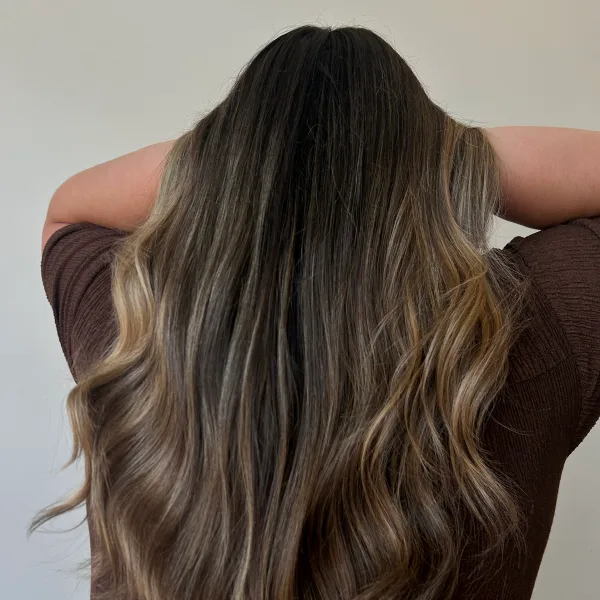
Skyla Kuykendall creates lived-in color with Paul Mitchell lightener and the Demi.
 MENU
 SEARCH
Beth Minardi shares her five reasons to foil highlight. This post has a bonus! Watch Minardi transform a model using her special foil sculpting technique.
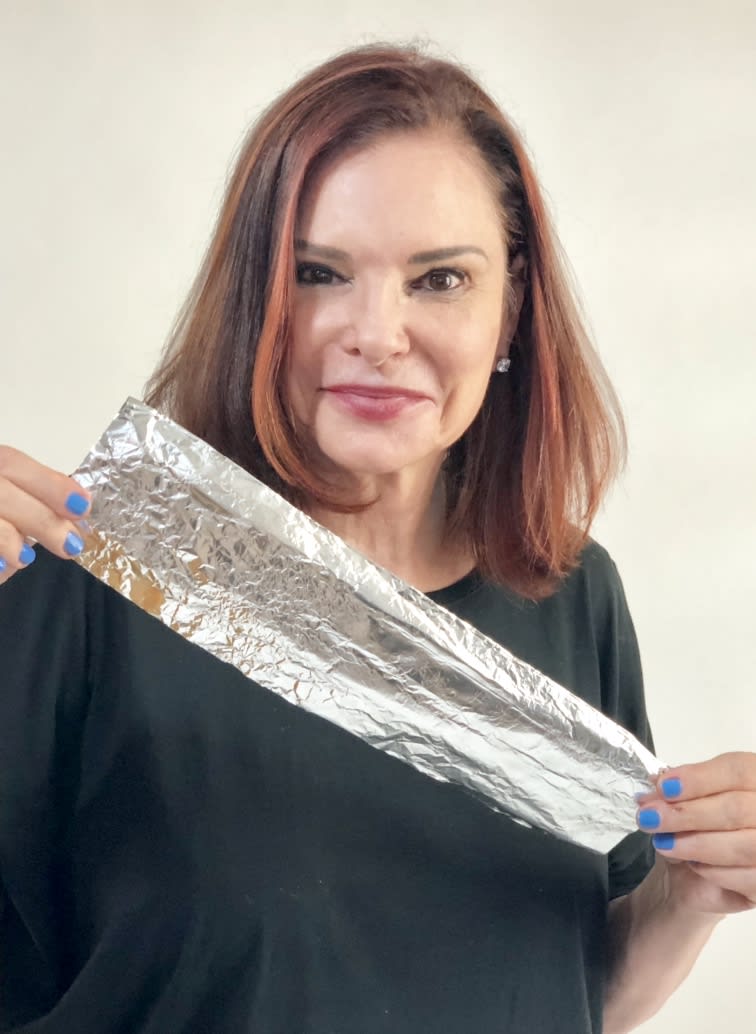
Color Expert Beth Minardi
Does foiling seem like so “old school”? Hardly. It continues to be one of the most popular and profitable services performed in most salons today. Yes, balayage is huge, but there are certain times when/where foiling is really the only way to go.
MODERN checked in with top colorist Beth Minardi, creator of Beth Minardi Signature shades and a creative colorist at Warren Tricomi Salon in New York City, to get her take on the importance of having foiling expertise in your color tool kit. Here she shares her top five REASONS TO FOIL:
1. COLOR PENETRATION: When you need to guarantee that the color or lightener formula penetrates the entire section of hair completely, the best way to do that is to apply color to each section, wrap in foil, then exert pressure with your tint brush on the hair and the foil.
2. BLEEDING: When you want to guarantee that the color or lightener won’t bleed or migrate to another section of hair, especially at the scalp, foiling keeps each section separate.
3. PROCESSING: Foil conducts heat, so when maximum lift or deposit is required for perfect color results, it’s the better option. Plus, your color formula will react faster when processed in foil. Time equals money when working in the salon, and clients appreciate the shorter service.
4. COLOR MELTING: When you plan to melt, deepen or omit the hair close the scalp that is at least three inches long, as you simultaneously lighten/brighten the mid-lengths through ends, foiling is your best bet. “Because you are not folding the foil up, you are not marrying two opposing formulas that you are processing at the same time,” Minardi says. “This saves you time as it enhances your artistry. It also reduces the stress that can lead to carpel tunnel syndrome, as you are folding less and struggling less.”
5. EASE OF APPLICATION: When you want to go easy on your body, choose foil. “Lifting and stretching the hair to perform a balayage technique can be tough physically, especially if you’re doing several in a day,” Minardi says. “As colorists, we must take care our ourselves and our bodies. When you’re foiling, your arms are ergonomically comfortable right in front of your body.”
One final tip: When coloring hair that is at least as long as the bottom of the neck, Minardi prefers using special longer foils that are seven inches wide x 14 inches long to make application easier. She folds them in half vertically so they become 3 ½ inches wide and 14 inches long. On wider parts of the head, she does not fold them vertically, instead applying the seven inch-side directly to the hair near the scalp. “These pre-cut foils are the perfect size and weight, so they don’t tear or migrate away from the scalp,” Minardi explains. See them here.
Minardi has a popular Facebook page designed for colorists and salon pros. Check it out: “Conversations with Top Color Professionals By Beth Minardi” - and visit BethMinardi.net for more great color information, tips, tricks and advise. In this video, Minardi demos how to sculpt with foil, creating dimensional, tasteful and seamless color.
Skyla Kuykendall creates lived-in color with Paul Mitchell lightener and the Demi.
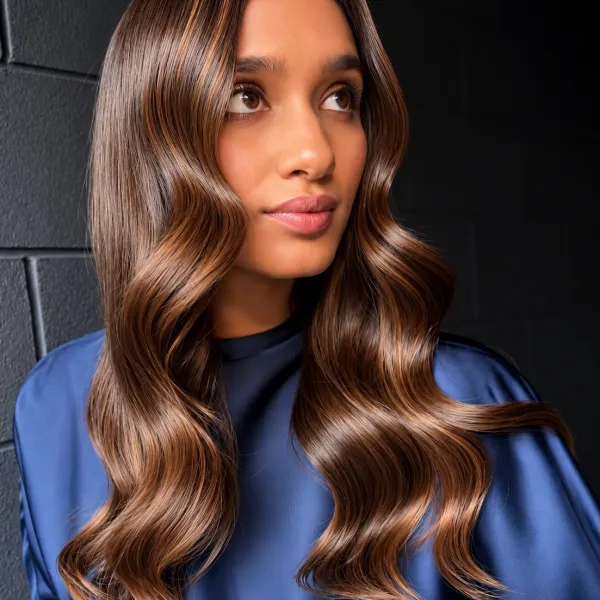
Grethe Helen Sagmoen combines highlights, lowlights, and ArganID™ Glossing with Moroccanoil.
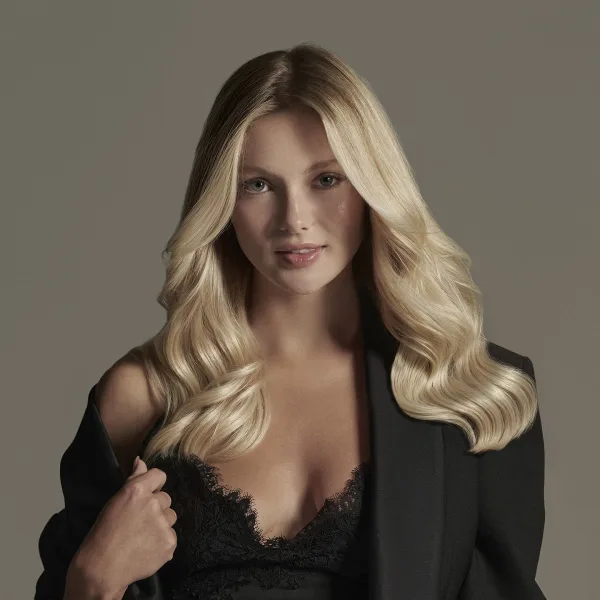
Mike Sharkey maps out a teasylight placement with Satin Hair Color SilverLift.
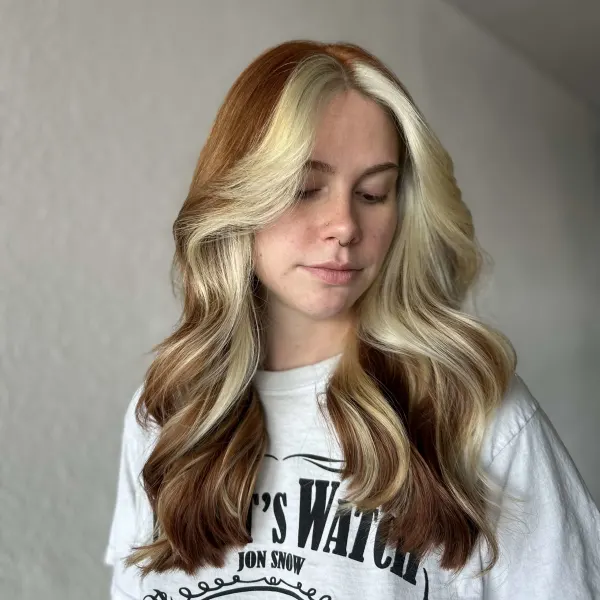
Brooke Alexis pairs an Aquarely formula with targeted color placement and blonde accents.
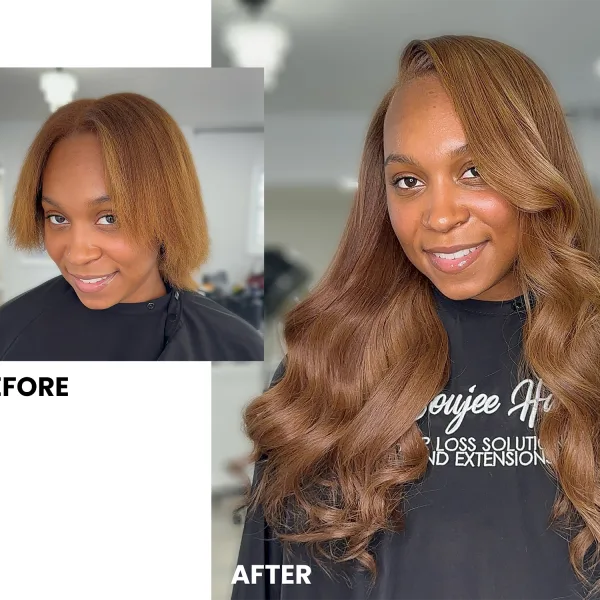
Shonda Sharee shares her approach to coordinating color on natural hair and extensions.
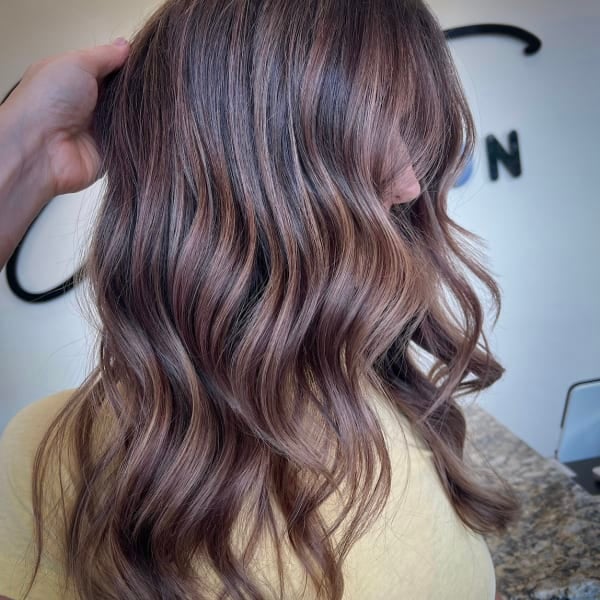
Stevie Meech combines lowlights, a root melt, and an all-over toner using Schwarzkopf Professional IGORA VIBRANCE.
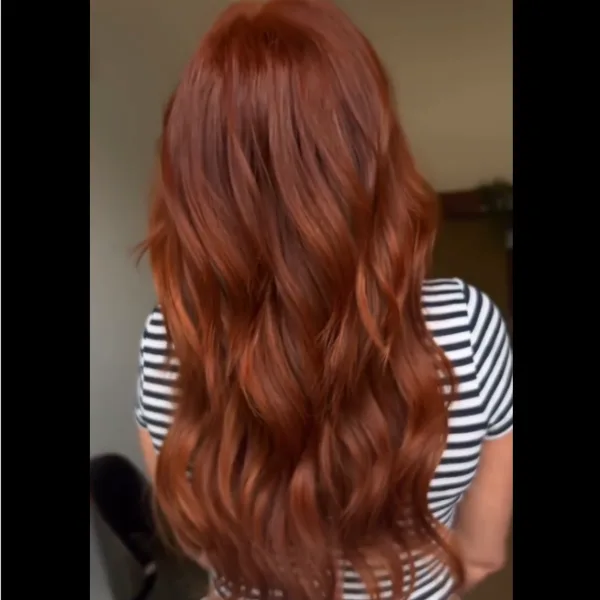
John Paul Mitchell Systems The Color ZERO offers effective permanent color without any of the harshness and with all of the protection. See how these artists used the line to achieve stunning, fall-inspired results.
Sponsored by John Paul Mitchell Systems
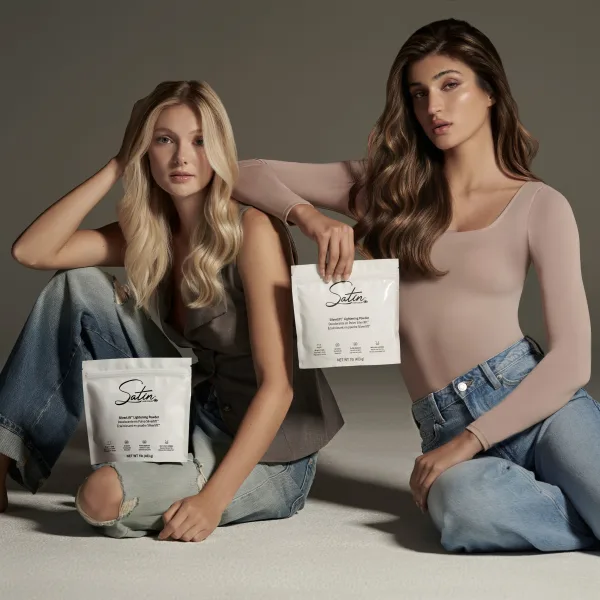
Satin Hair Color’s new education series debuts Expression Brunette and Obsession Blonde, with step-by-step techniques and formulas from colorist Mike Sharkey.
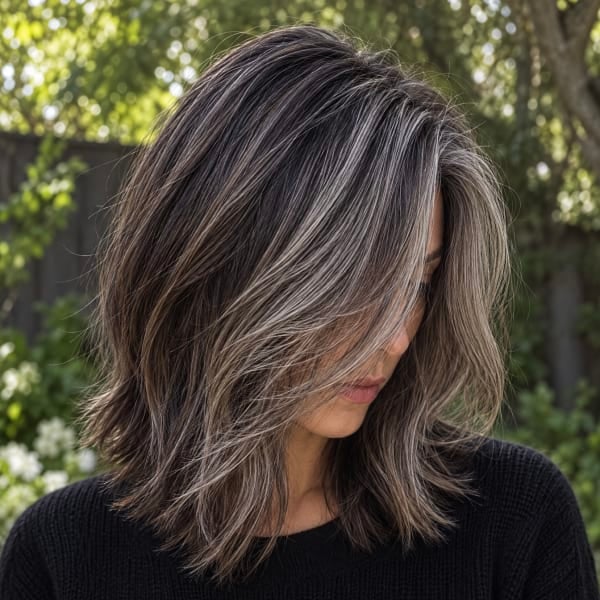
Gray blending offers the best of both worlds for those stuck between wanting to lean into their grays and wanting to run from them. Satin Hair Color, known for its expertly formulated professional color, is here to provide tips and tricks for achieving the perfect gray-blending technique for your clients.
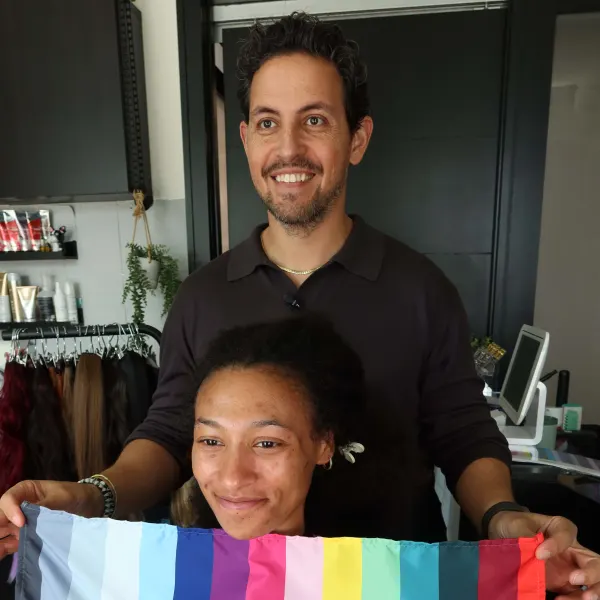
Using Color Analysis, a system formalized in the 1980s, these stylists create something optimized to bring out the best in their clients, while also helping them stand out with this specialty.

From tackling stubborn grays and unwanted warmth to achieving the perfect blonde, Moroccanoil Professional artists share their advice and color solutions.
Sponsored by Moroccanoil
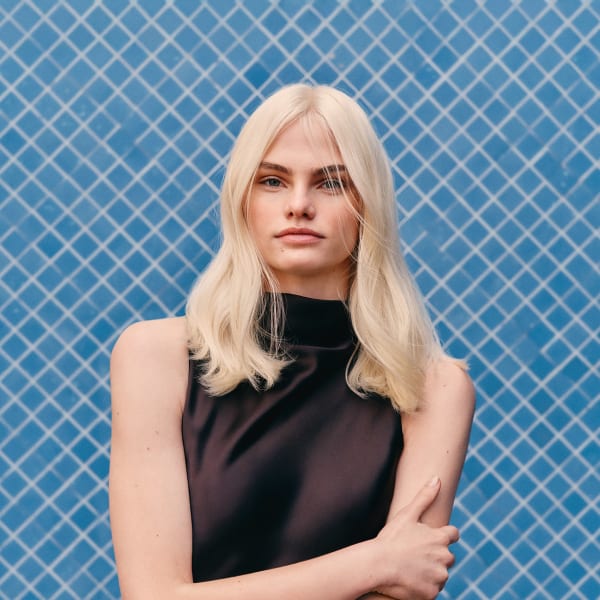
Are your blondes feeling blah? Give ’em a lift with LightDimensions SilkLift Strong
Sponsored by Goldwell
Trending, fool-proof, and fantastic formulas.
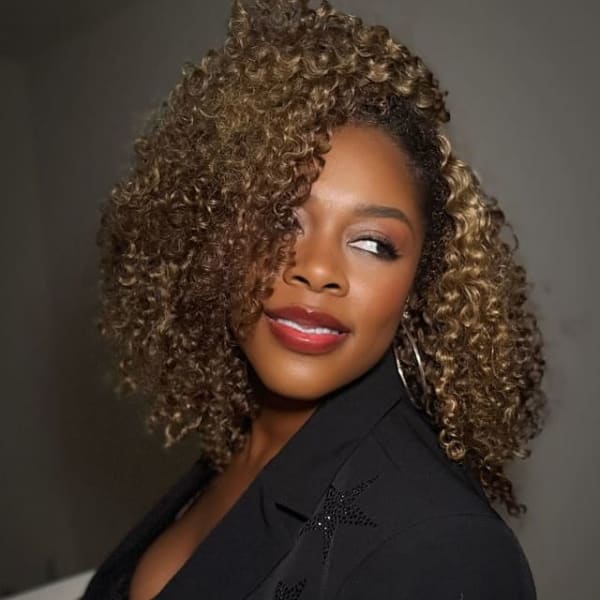
Schwarzkopf Professional Ambassadors Carly Zanoni and Brendnetta Ashley share the express color and treatment services helping stylists deliver great results in under 30 minutes while creating new opportunities for client retention and revenue growth.
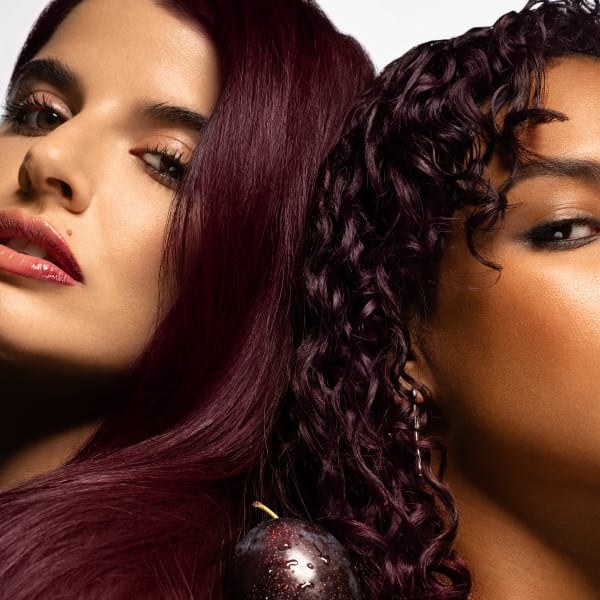
As rich red-violet tones continue trending, the brand introduces two new demi shades designed for depth, shine, and dimensional color.
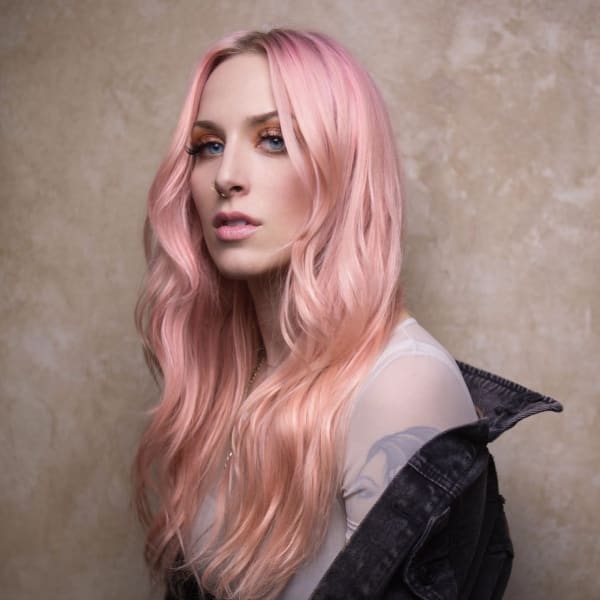
In an industry with so many options and opportunities, we asked artists what made them niche down and select a specialty. Amelia Fugitt (@ameliahairmakeup) says choosing to focus on transformations has transformed her career.
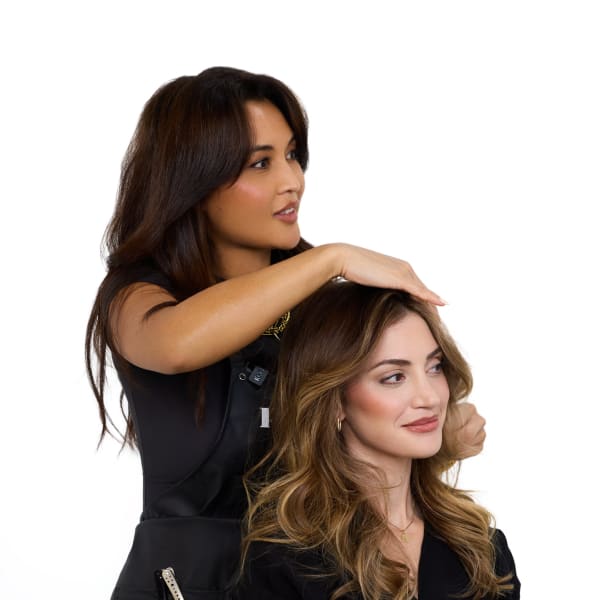
From gray blending to glossing services, stylists are redefining low-maintenance hair color and building more consistent, profitable salon business.