The Beauty Pro Book Club: 4 Reads to Inspire Growth and Success
Four publications for beauty industry professionals to enhance their leadership skills, financial awareness, professional growth, and joy!
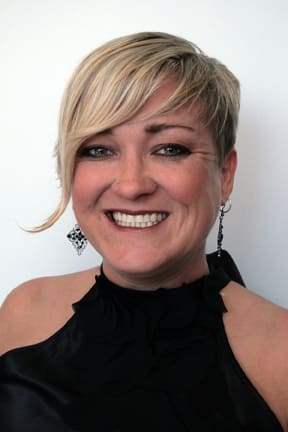
Understanding the natural pigmentation of hair and its relationship to hair color is crucial to a colorists’ success. Non-pigmented hair can complicate the hair coloring service and to cover it means understanding its complexity. According to Technical Director for Organic Salon Systems, Rebecca Gregory, understanding the different levels of gray hair can impact how you go about the coloring process and the result.


Understanding the natural pigmentation of hair and its relationship to hair color is crucial to a colorists’ success. Non-pigmented hair can complicate the hair coloring service and to cover it means understanding its complexity. According to Technical Director for Organic Salon Systems, Rebecca Gregory, understanding the different levels of gray hair can impact how you go about the coloring process and the result:
MS: How do you determine the gray level of a client?
RG: There is no such thing as gray hair but rather, white hair mixed with levels of naturally pigmented hair. A single hair either has pigment or not (white). The grayish look of hair is really an optical illusion created by the mixture of colored hair and white hair, giving us the appearance of “salt and pepper.” To determine the true level, make sure you not only look at the pigmented hair, but calculate the percentage of non-pigmented hair as well. This will give you your true starting level in considering your formulation.
MS: Describe the look of each of the levels?
RG: In order to successfully formulate from this starting level, it is important for light to pass through the hair shaft to visualize the natural pigment and hair levels (1-10). Color formulations should always be based on the percentage of non-pigmented hair to the pigmented hair as well as its density. If the hair is more than 50 percent non-pigmented, formulate the hair color for that hair; if less than 50 percent, formulate for the level of pigmented hair.
MS: Is the process the same when coloring each of the different levels?
RG: Hair without pigment (white) has up to 24 thick layers of cuticle to penetrate and can be very difficult to achieve 100 percent coverage, where hair with pigment typically has less than 10 layers of cuticle and may be colored using a different approach. Regardless, the key is to open the cuticle sufficiently so the color can enter and allow for the color change.
Due to the extreme nature of coloring non-pigmented hair, ample amounts of product should be liberally applied to the grayest zones. I always recommend that stylists apply the color to the grayest zones of the head first which is often around the hairline. This is certainly where they see the non-pigmented hair first and therefore important to begin your application. Another trick for application of non-pigmented hair is to reduce the amount of activator in your formulation by 25 percent.
MS: What should a gray client do to maintain their color?
RG: Because products that are high in alkalinity cause the hair to swell increasing its porosity, and shampoos that contain aggressive Sodium Lauryl Sulfates will cause hair color to be stripped out of the hair, it is important to suggest products for your clients that will help them maintain their new color. Be mindful of the care products you represent in your salon. Ensure that these home care products are acid balanced within a suitable pH range and that they protect from UV rays.
MS: Anything different than a regular color client? (Maintenance)
RG: Many types of non-pigmented hair types are extremely coarse and considered unruly. Keratin Smoothing Treatments with no formaldehyde can add sufficient amounts of protein and will make the hair feel soft and shiny. I recommend doing a Keratin treatment after a color service to lock in your new color and add the beneficial proteins that will ensure the color molecules have something to lock onto.

Four publications for beauty industry professionals to enhance their leadership skills, financial awareness, professional growth, and joy!

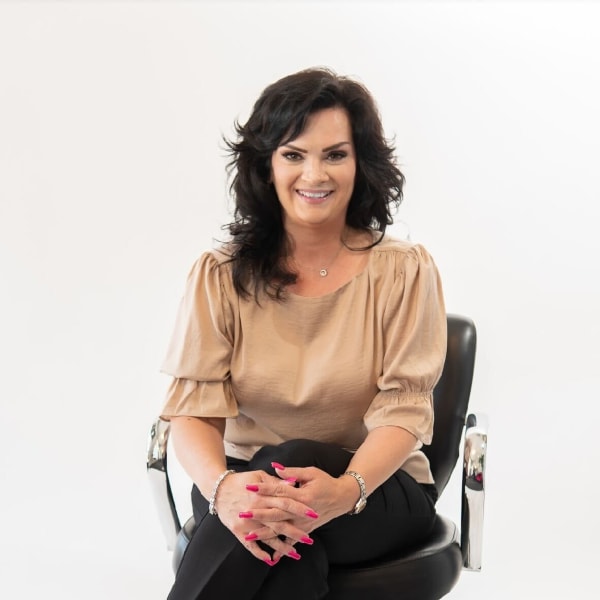
Salon suite pioneer Karen Kaminski argues that the next evolution of independent beauty businesses won't be defined by beautiful spaces alone, it will be driven by smarter systems that help professionals spend less time on administrative work and more time serving clients.

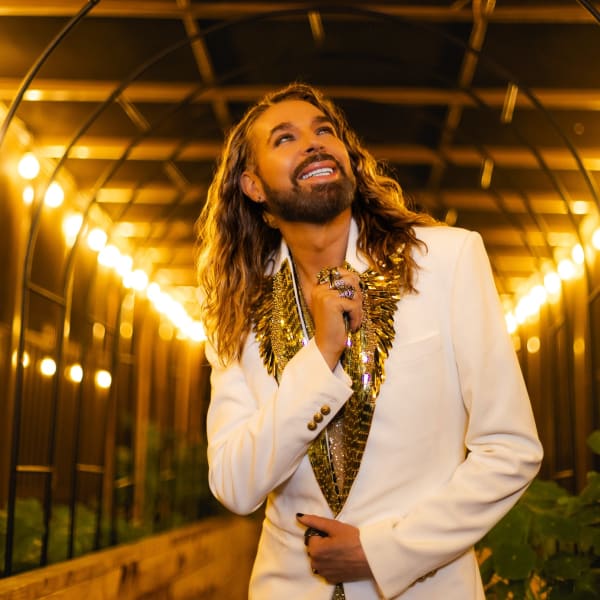
At a time when many LGBTQ+ people felt compelled to hide parts of themselves, Carlos Valenzuela found a career in beauty and a community that offered opportunity based on what you could do and how well you could do it.

Whether it's social media, fashion, film, art, or culture, Chaz Dean advises stylists to stay aware of what's inspiring people. Take the elements that make sense for you in these five lessons learned through a life in beauty.

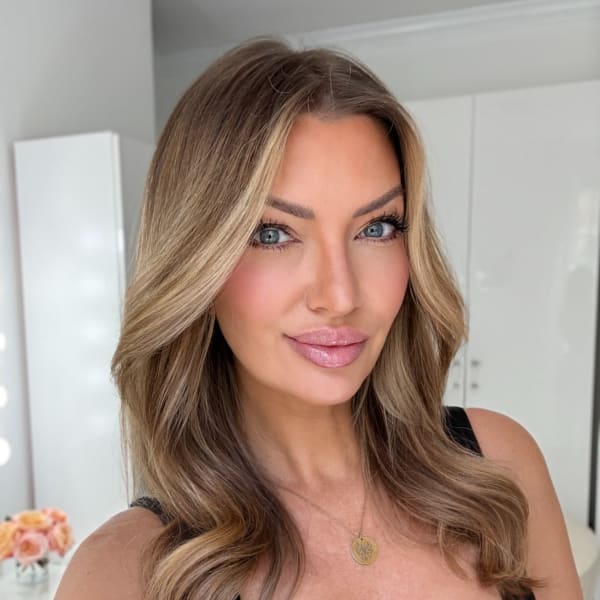
For Jessica Domoney, building a successful career isn't about saying yes to every opportunity, it's about protecting your time, investing in yourself and creating an experience clients won't forget.

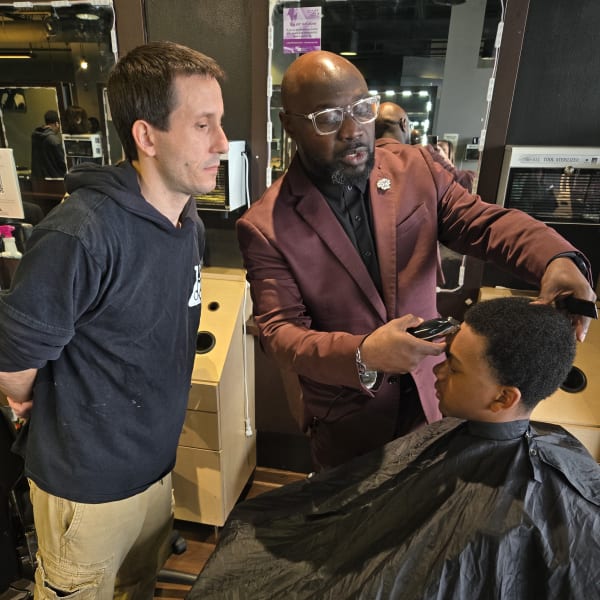
MODERN SALON sat down with Samuels to discuss the book, beauty education, mentorship and the habits that help beauty professionals thrive.

"The mistake people make is treating AI like a vending machine instead of a personal assistant." Digital marketing expert Scott Moon shares how beauty professionals can use AI while staying authentic

Real-world advice on creativity, consultations, color, burnout, business, boundaries, inclusivity, client care, and career growth from educators and industry experts.

Real-world advice on creativity, consultations, color, burnout, business, boundaries, inclusivity, client care, and career growth from educators and industry experts.

Today's clients are hearing more about longevity, biohacking, inflammation, and healthy aging than ever before. This article explores the science and language behind the skin longevity movement, and what it could mean for client consultations, treatment recommendations, and professional credibility.

Licensed to Thrive, Anna Manukyan's all-in-one beauty career and financial masterclass, is being gifted to professionals who enroll in L'Oreal LEVEL Rewards for a limited time.

From breaking free of external validation to creating joy-based goals, discover a more sustainable and fulfilling path to success.

A full day of education for hairstylists and salon pros focused on pricing, personal branding, client experience, social media, and long-term career growth.

From working backstage at multiple Paris Fashion Week shows to collaborating on four creative collections and expanding her international stage work, Michelle Bowden has had an incredible year of growth. Here, we break down her approach that drove her momentum, offering a framework for stylists looking to elevate their own careers.

This marks Ulta Beauty’s first scholarship partnership with Beauty Changes Lives, building on years of enthusiastic support for the organization and its mission.

Locally owned Great Clips salons offer a wide variety of career opportunities, competitive compensation, supportive salon teams and opportunities to grow your skills, both technically and professionally.
Sponsored by Great Clips

Salon suite consultant Karen Kaminski explains why cheap salon suite rent can destabilize the salon suite business model and why value-based pricing may be a smarter strategy.