




Moroccanoil Introduces Overnight Leave-in Mask: The Ultimate Treatment for Deep Hydration and Lasting Smoothness
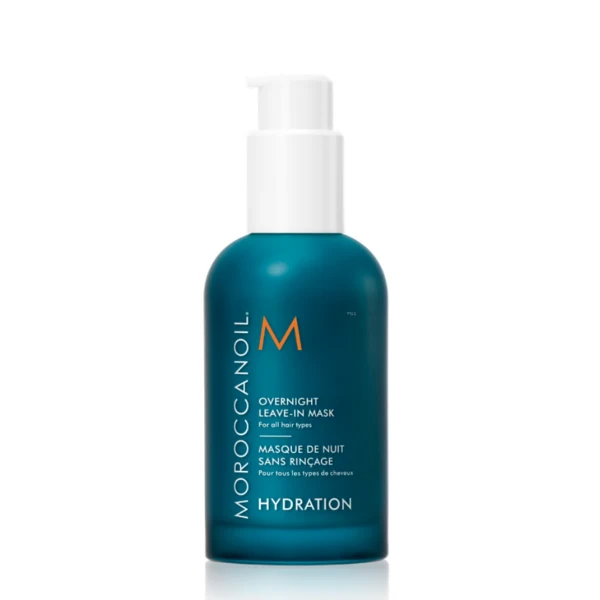
Moroccanoil's new hair mask features innovative vegan snail mucin to help seal in moisture and smooth hair overnight.
 MENU
MENU SEARCH
On a Facebook forum for hairdressers, Nia Brown offered this to her fellow beauty professionals: “There are a lot of people who don’t know much or anything about ethnic hair. This industry is super race divided and we all need to help each other to change that. What questions do you have about textured hair that I can answer?” Here's what she heard.
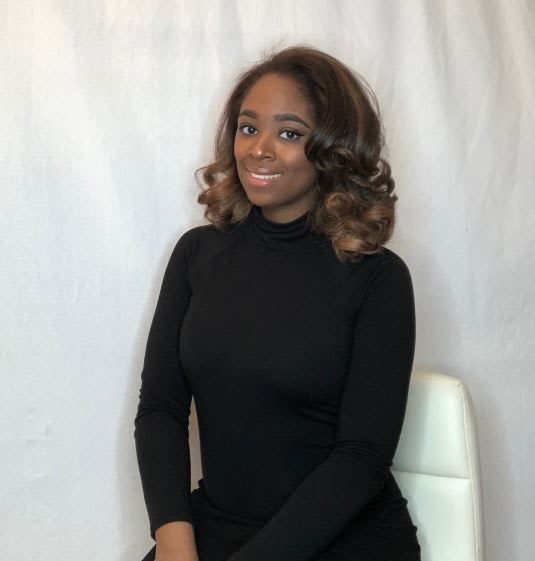
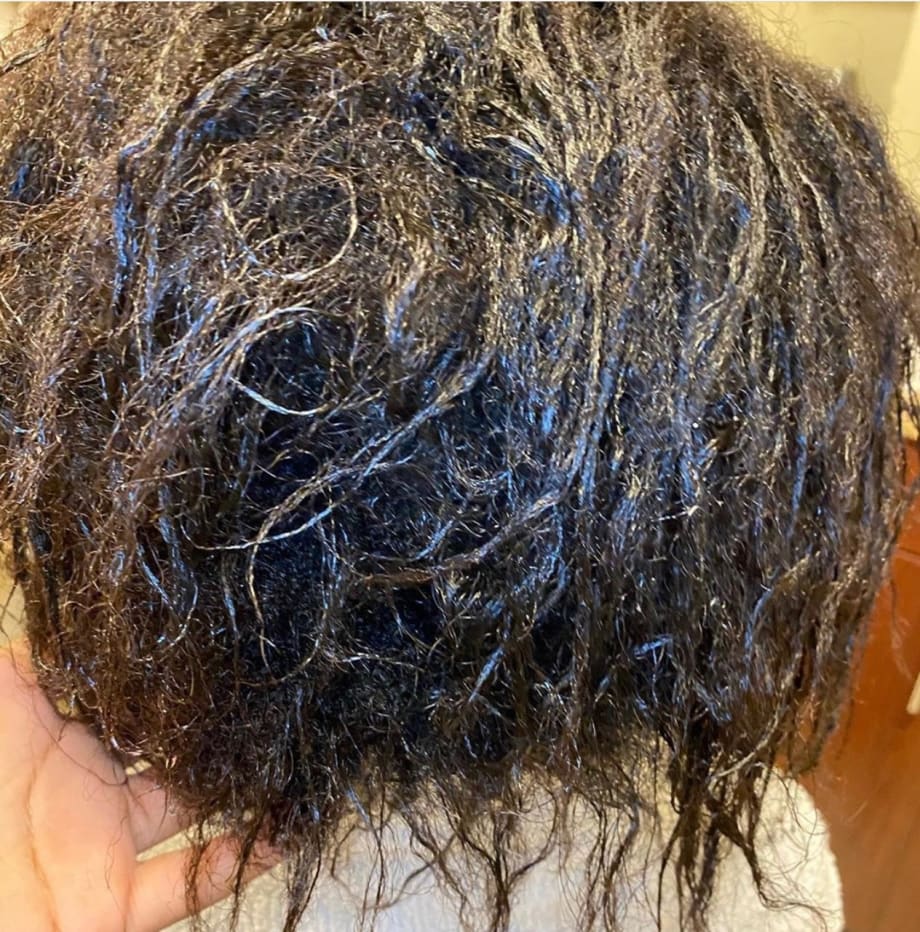
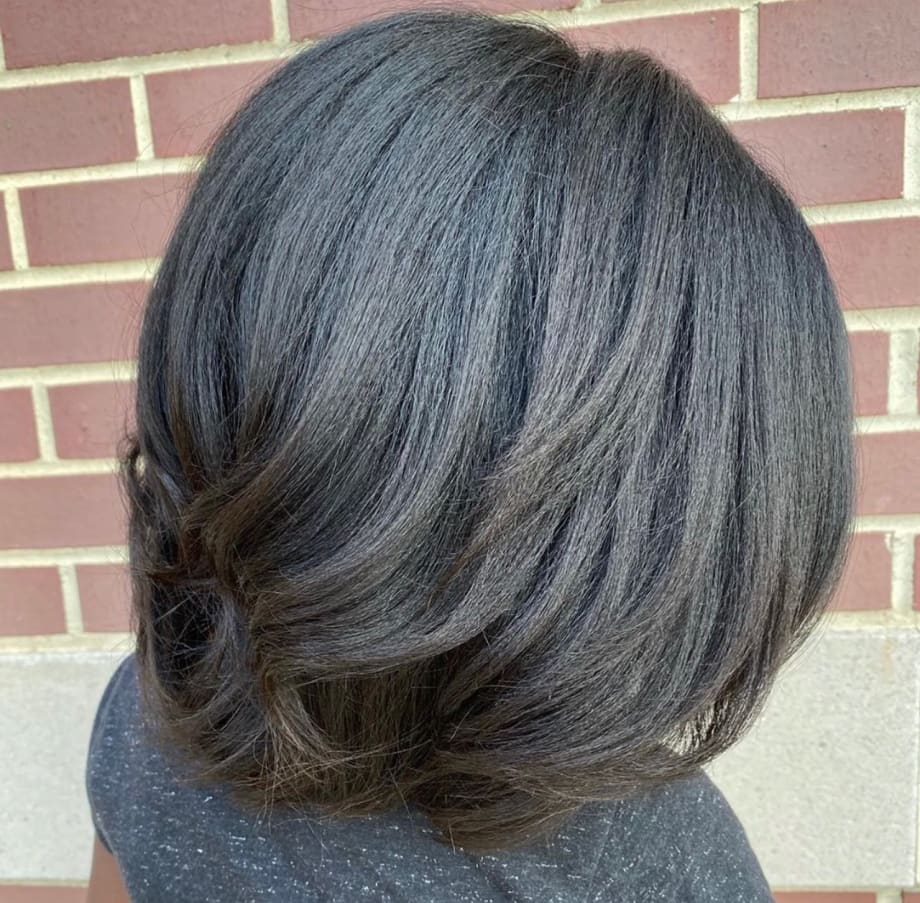
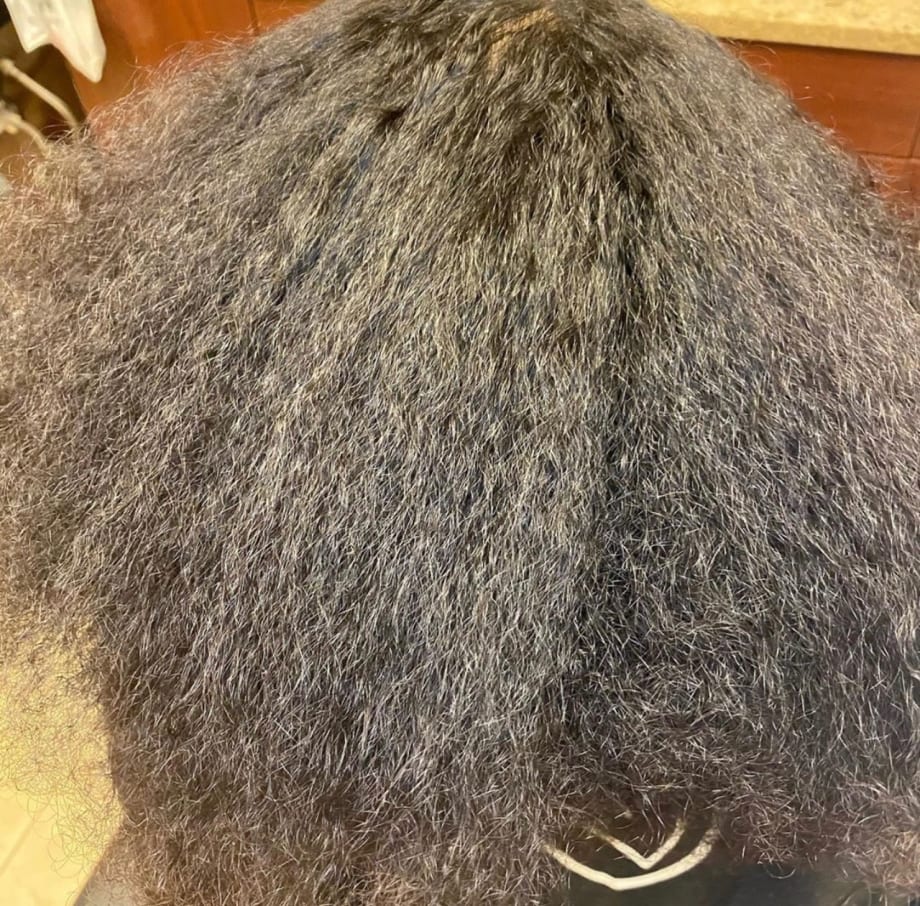
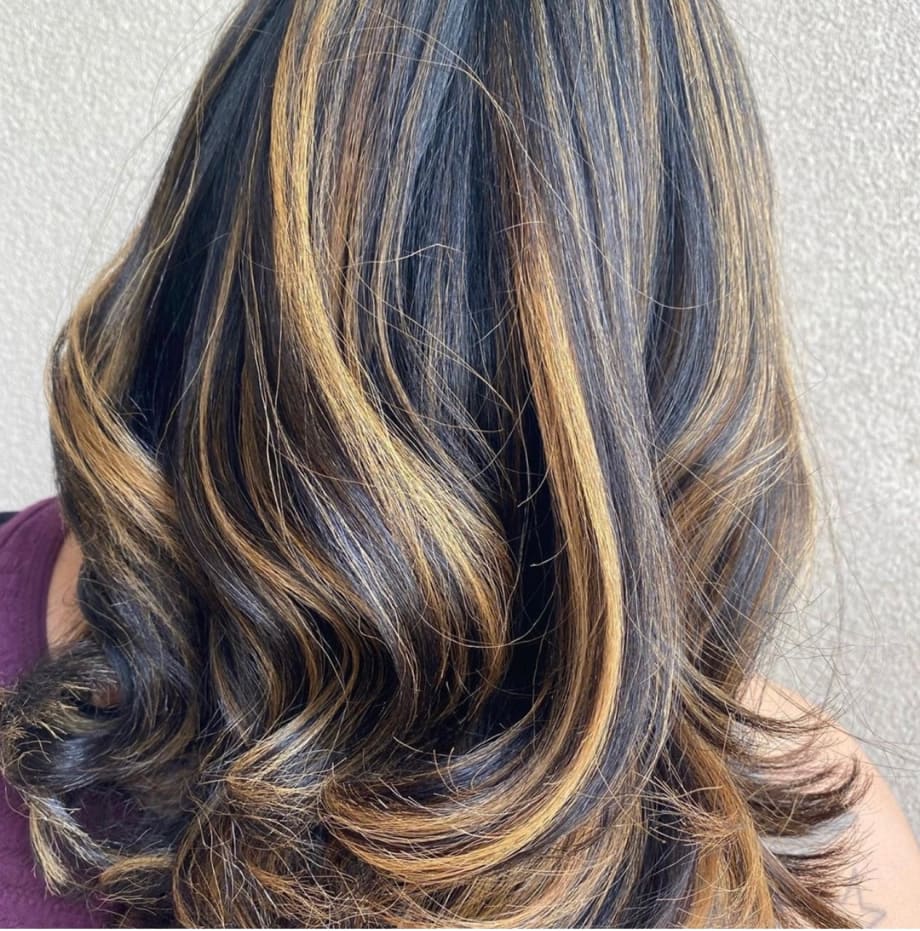
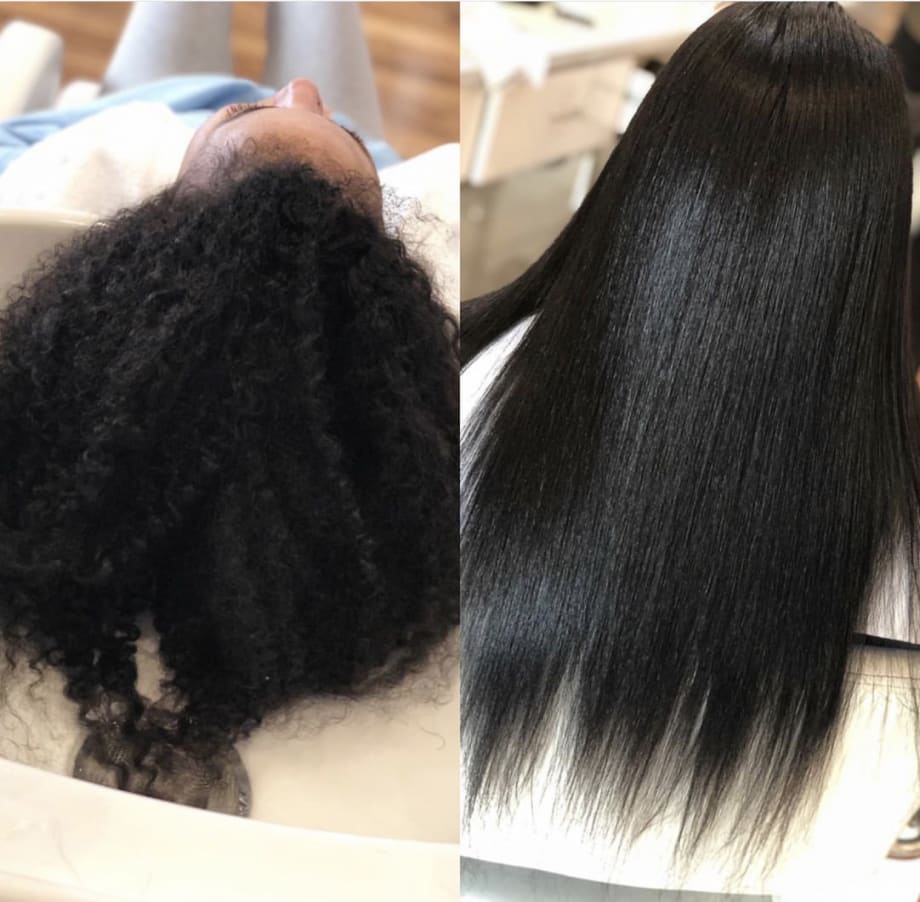
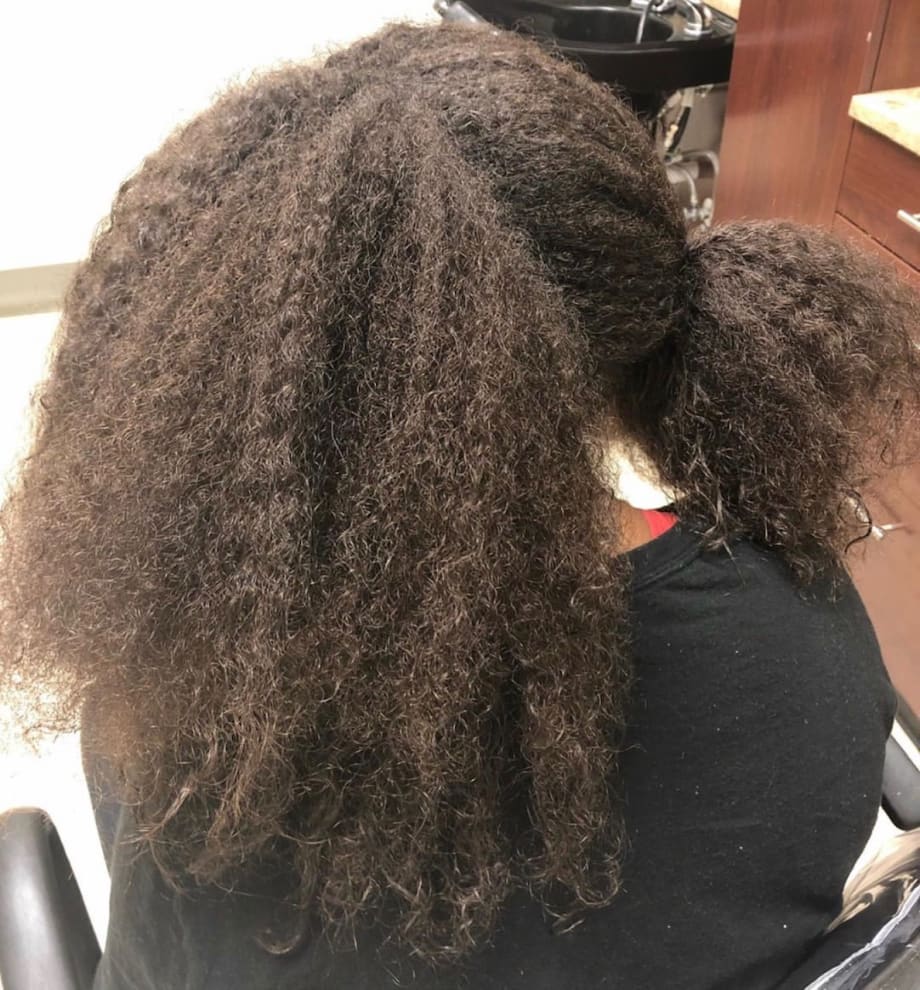
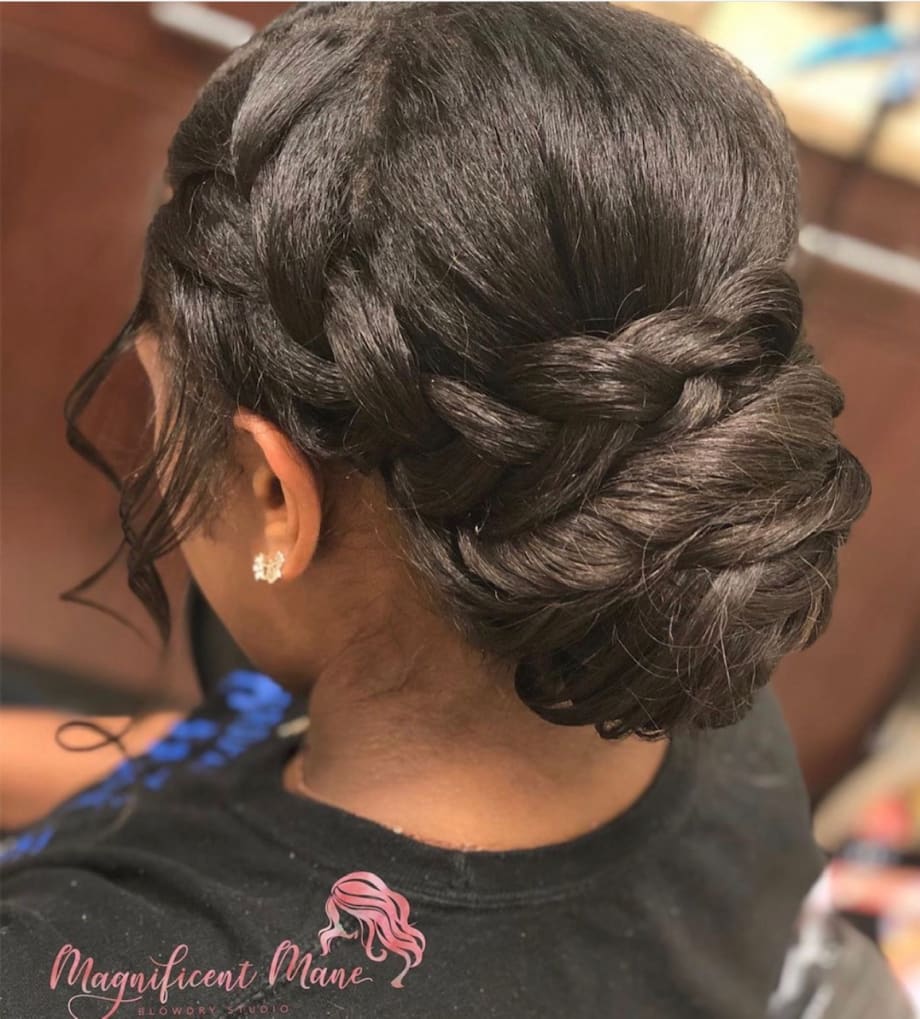
Nia Brown: "The most important thing I believe our industry can do to bridge the divide is to add a course in cosmetology school specifically for textured hair."
On a Facebook forum for hairdressers, Nia Brown @magnificent_mane17 offered this to her fellow beauty professionals: “There are a lot of people who don’t know much or anything about ethnic hair. This industry is super race divided and we all need to help each other to change that. What questions do you have about ethnic hair that I can answer? I want to help you get comfortable when an ethnic person sits in your chair.”
Her reaching out was met with an outpouring of thanks and many, many questions.
Brown, the owner of Magnificent Mane in Sterling, VA, has been a hairdresser for 10 years. She specializes in styling hair such as blowouts, silk press, and bridal, and is also a tape in and handtied extension specialist.
We contacted Brown, moved by her offer, and wanting to know more about how she thought this divide could be bridged. We share some of those questions that came in from stylists, so grateful for a space to talk and ask, along with Brown’s responses.
MODERN SALON: You obviously feel comfortable working with texture hair—what was your training and how did you become confident in working with different hair types and textures?
NIA BROWN: I was never trained to work with texture hair. When I was in cosmetology school, they only taught me how to apply a relaxer correctly. Everything that I know about texture hair is self-taught. I became confident in working with all hair types and textures by simply not saying “no.” The only way you can learn is by doing it. I’ve made some mistakes in the past and I still make mistakes, but I am driven enough to learn from them and perfect my craft. There are many nights when I go to bed critiquing my work and telling myself what I could’ve done differently to a client’s color or cut to make it better. I also learn from a variety of hairstylists on Instagram. Social media has been a huge blessing for my career.
MODERN SALON: There is so much variety and so many different techniques for working with textured hair. What is one thing you always do when working with textured hair?
NIA BROWN: What I do that is consistent with every textured client is I make sure to use a thick moisturizing conditioner. Finding the right conditioner will make detangling a breeze while they are in the bowl. I also use the LOC method even on those who are getting blowouts. LOC stand for Leave-In conditioner, Oil (in my case, a serum) and Cream (blow-dry cream or smoothing cream). This method is used for those who wear their natural curls. I have found that this cocktail of products will leave the hair moisturized, frizz free, and smooth after styling.
MODERN SALON: By sharing education, you have taken a big step towards bridging what you described as the ‘race divide’—what are some other steps that our industry can take to bridge that divide?
NIA BROWN: The most important thing I believe our industry can do to bridge the divide is to add a course in cosmetology school specifically for textured hair. If students learn about it in school, once they graduate, they will be less fearful when they have a client with ethnic hair sit in their chair.
The industry also needs to equally share the platform with African American educators. We should have the same opportunities as our peers to show case our art to the world. We all have our strengths and specialties, but salon owners need to make it mandatory that all their stylist are trained and are comfortable with working with all hair types so no client should ever be turned away due to their type of hair.
ASKING ABOUT TEXTURE
These are some of the many questions Brown was asked:
QUESTIONS: I have no clue how to even start. Is it better to wet or dry cut? Do I need a special product for textured hair?
NIA BROWN: Always cut textured hair dry. Due to the shrinkage, if you cut it wet, you will likely cut too much. Cutting the hair dry and straight will also ensure that you have clean sections. I personally always begin my cuts after I blow-dry then I will perfect it after I flat iron.
Q: Right now, I’m in beauty school, in chemical texturizing. I still have trouble with putting on relaxer in less than 20 minutes.
NB: Honestly, I’ve never been able to put on a relaxer in 20 minutes but definitely go as fast as you can but do not rush it. Every one’s hair is different, some may require more time than others to apply the product.
Q:What’s the best way to get some of the underneath tangles out?
NB: I always comb out the hair before washing, this is prevent a lot of tangles. Once the hair is washed and I will detangle again while the conditioner is still on the hair, this will give you the slippage and makes detangling easier. If the knots are not coming out with a brush or a comb, I will then use your fingers to remove the knots.
Q:What’s your best product or tip for male box braids? I do a friend’s but his get frizzy after a week.
NB: I recently did my boyfriend’s braids and he has 4c texture. I used a leave-in and blow-dry cream and blew his hair out. When I began braiding I applied hair grease all over his hair and each section I would use a beeswax. (Murray’s Edge Wax). This will sit the hair down and give it some old. You can also apply a mouse to braids once you have finished.
Q:How can I gently detangle the hair? Also what is a good technique to use during a blowout?
NB: Always detangle at the bowl with conditioner on the hair. I use a wide tooth comb or a wet brush, depending on the hair. Once I have apply my products, I detangle another time. Take medium sections and then comb the hair beginning at the ends. When I blow-dry I use either a paddle brush or a Denman Brush. Never pre-dry curly hair, you will get the best results when it is completely wet. Really put tension on the hair and get the scalp dry. Once you’ve finished, go back to the nape and around the ears, blow-dry those sections again because they will get wet again from the water traveling down from the sections above. Triple check that the hair is completely dry before moving on.
Q:What are some things we think we know about this type of hair but are wrong about?
NB:I believe people struggle with smoothing the hair out with just a blow-dryer. Why get the hair smooth when I am going to just flat iron it anyways right? Wrong! The blow-dryer and brush should do most of the smoothing and the flat iron is used to polish up the look. If your blow out made the hair really straight, you should really only need to do 1-2 passes on each section with the flat iron. Less passes with the flatiron will prevent any heat damage to the hair.
Lastly, less product is more. Just because the hair is thick and/or coarse, do not assume that you’ll need a ton of product. Too much product will result in the hair being stiff and it will also get dirty faster. I use a nickel size of each product that I apply on the hair. Depending on the density of the hair, I may even use a smaller amount. If you feel like you need to add more serum to the hair, wait until you’ve completed the entire look to do so.
Q:What guidelines would you give for cutting ethnic hair? I've heard not to straighten it before cutting/not using full tension while cutting.. is this correct and do you have more input?
NB: Due to the shrinkage of the hair when it is wet, I always cut after blow drying but before flat ironing. I find that that flat ironing the hair after the cut will make the style look more polished.
Q: In terms of coloring, is there anything I need to be aware of (especially bleaching)?
NB: I use the same technique when coloring, just make sure to double saturate. I also never use a developer higher than 20 volume.
Q: What are the most popular ways, in your experience, that clients like to style their hair after receiving a service?
NB: All of my clients love flat iron curls because they can make the style and body last up to 2 weeks by pin curling or wrapping their hair at night.
Moroccanoil's new hair mask features innovative vegan snail mucin to help seal in moisture and smooth hair overnight.
Are your blondes feeling blah? Give ’em a lift with LightDimensions SilkLift Strong
Sponsored by Goldwell
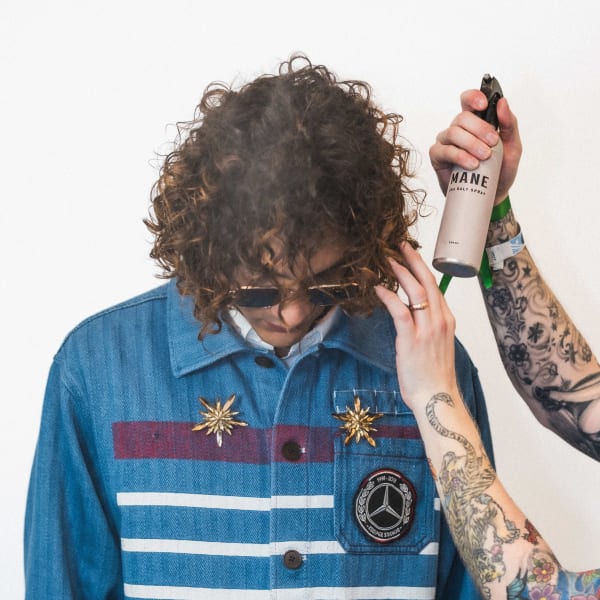
Renowned international session stylist, Richard Phillipart chooses sustainable styling brand to create 48 unique looks celebrating natural texture and individuality.
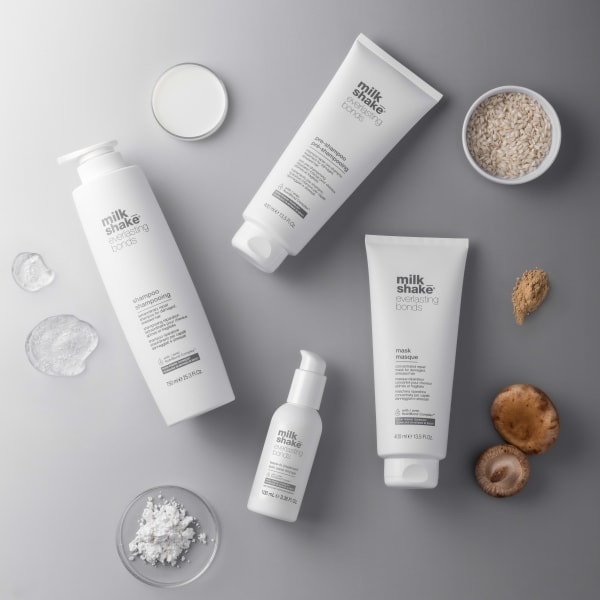
milk_shake everlasting bonds, the new professional bond repair system, is formulated to rebuild the hair’s structure while delivering softness, shine and effortless manageability.
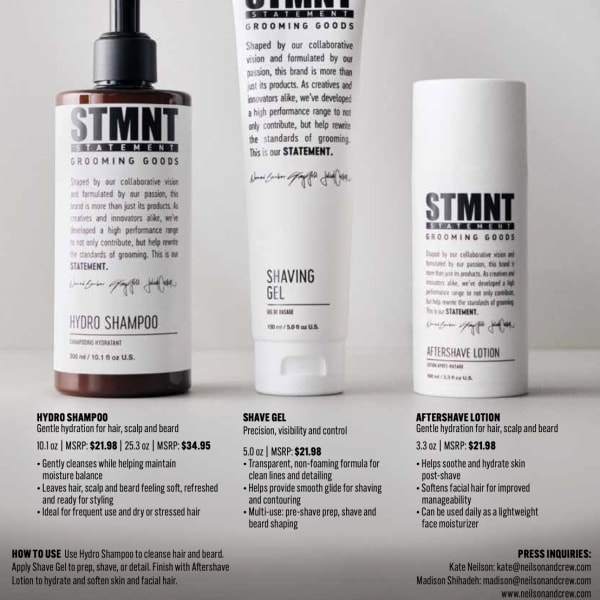
STMNT Grooming Goods is expanding into the shave care category with three new additions to its lineup.
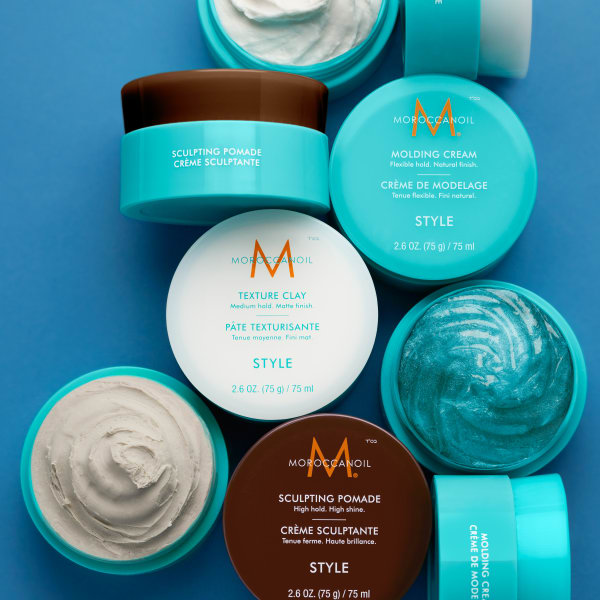
The launch of Moroccanoil's Sculpting Pomade highlights a renewed focus on styling within the brand’s iconic haircare lineup, advancing the category with elevated formulas, refreshed packaging, and a clearly defined trio of styling essentials.

Curl Cult founder Janine Jarman, a hairstylist, salon owner, educator, and product creator, is opening a community investment round that gives hairdressers and clients the opportunity to own a stake in the company they helped grow.
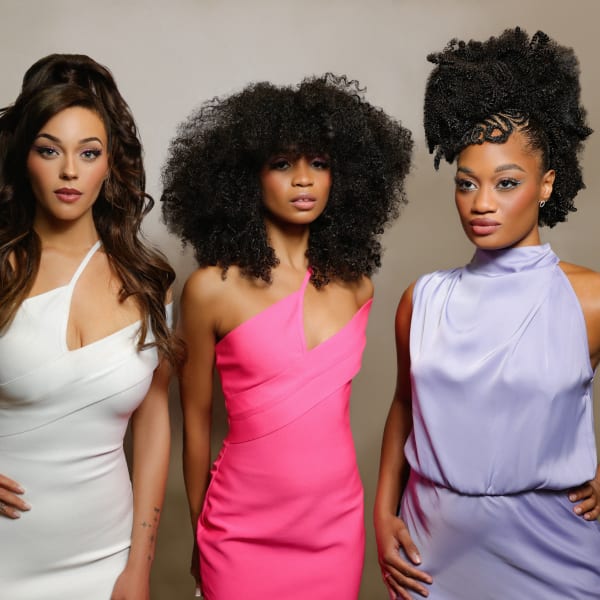
With Structured Texture: Runway Shapes, Real-World Textures, Monae Everett wanted to bridge the gap between high-fashion hair and the real textures stylists work with every day.
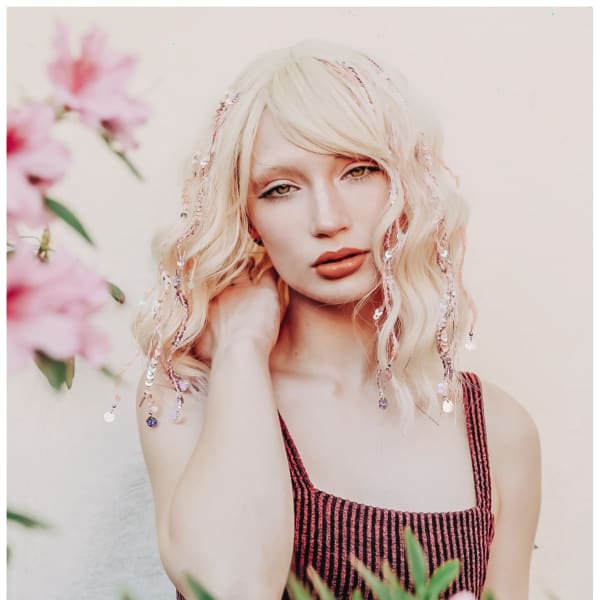
Bee Sam’s VanStrands blend shimmer, color, and customization into a trend-forward enhancement designed for modern salon clients.
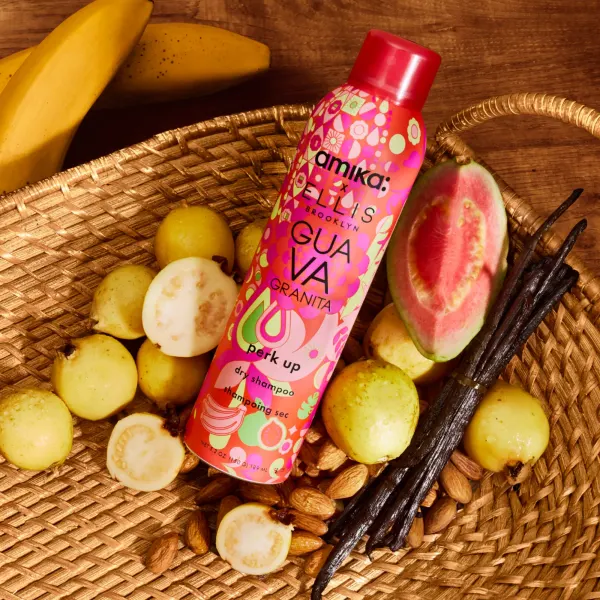
Perk Up Guava Granita Dry Shampoo is a juicy new launch from amika that puts a tropical twist on their bestselling dry shampoo with notes of guava, banana and vanilla inspired by sunshine, smoothies, and vacation energy in a bottle.
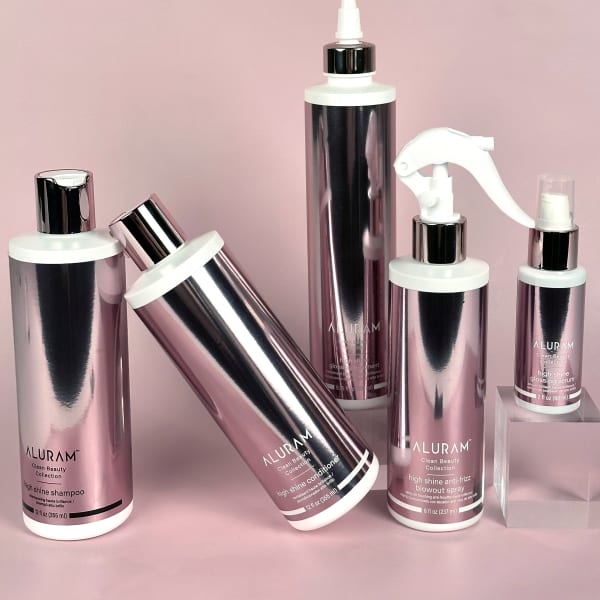
Shine Time: Aluram’s High Shine Line Delivers Moisture and Shine with Clean Ingredients
Sponsored by Aluram
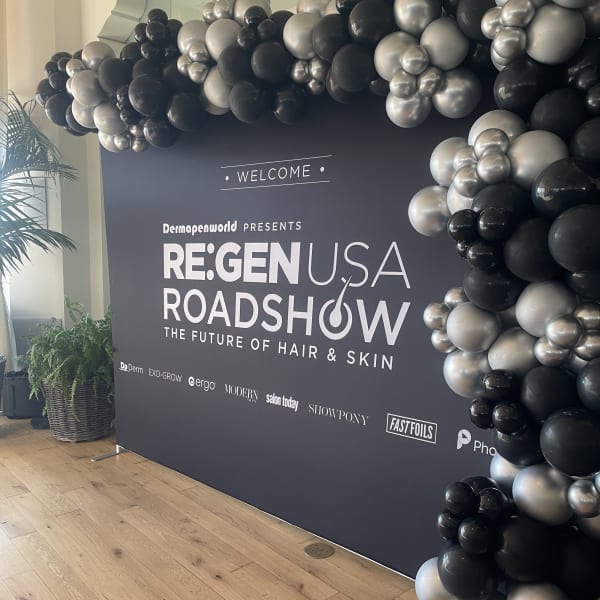
After a nationwide roadshow, DermapenWorld leaders share their biggest insights on the growing demand for hair loss solutions, and why education, empathy, and community are driving the conversation.
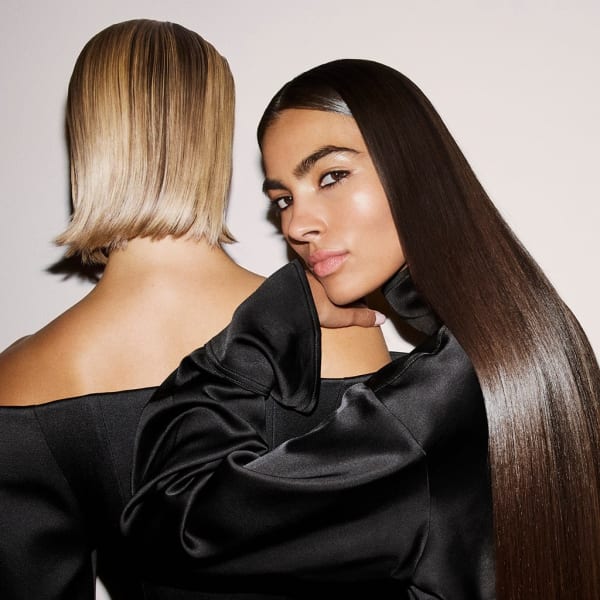
Oribe introduces an essential new addition to its iconic styling collection: Supershine Smoothing Wax Stick, designed for seamless styling.
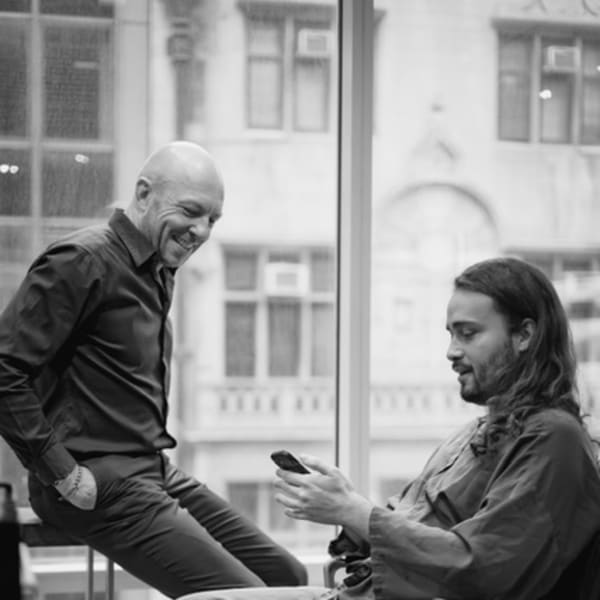
The Paul Labrecque Salon salon is finding success --for stylists and clients, alike--offering scalp care and specialized treatments. MODERN spoke to Moine about how this focus meets an important need and drives client loyalty.
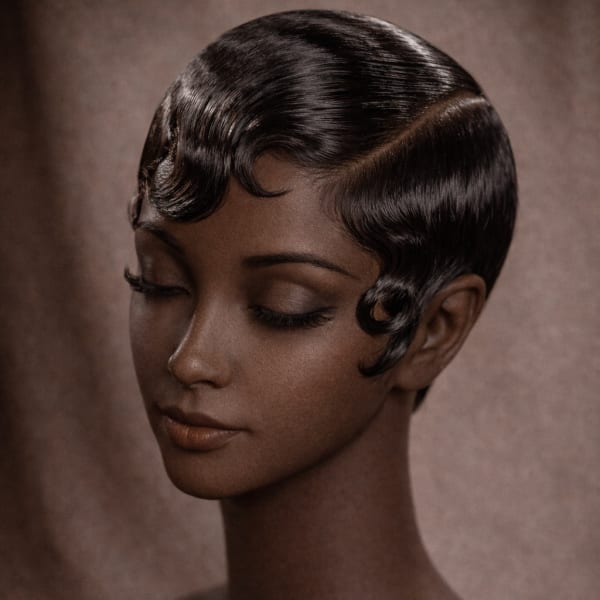
Before the pixie cut became a Hollywood symbol of modern femininity, it was already living, breathing, and evolving in Black culture. Texture expert and Moroccanoil Global Color Ambassador Greg Gilmore gives us an overview of the iconic Black women who popularized the pixie over the past century.
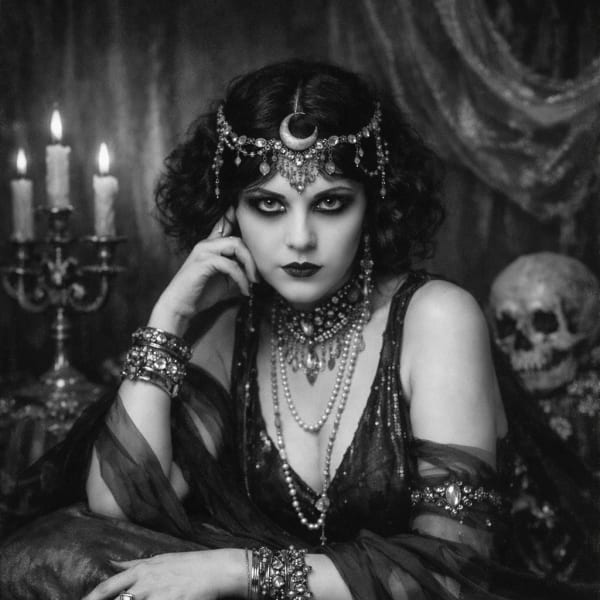
Romantic goth hairstyles are trending for 2026, and these Sebastian Professional artists have long anticipated the look.
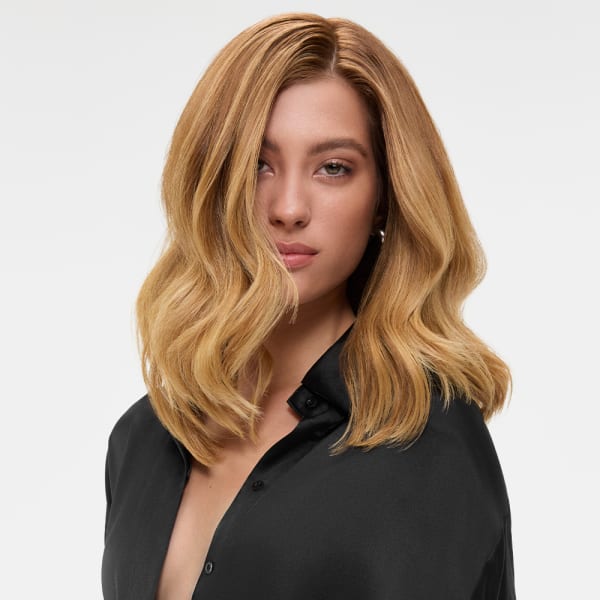
Less frizz. No restrictions. Up to 3 months of smooth. Wella Professionals' SmoothFiller is the smoothing service your clients (and your revenue) have been waiting for.
Sponsored by Wella