




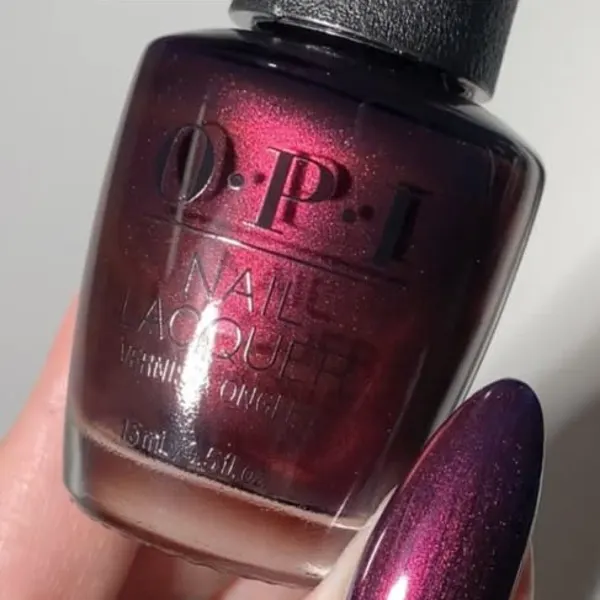
OPI Is Bringing Back Fan Favorites:
Some OPI nail colors became such classics that fans clamored for their return. And OPI--as always--paid attention to what clients and nail professionals were asking for.
by Anne Moratto
 MENU
MENU SEARCH
No doubt you have seen words like "all natural," "hypoallergenic" and "patented" on your beauty products. But have you ever stopped to ask what they mean?
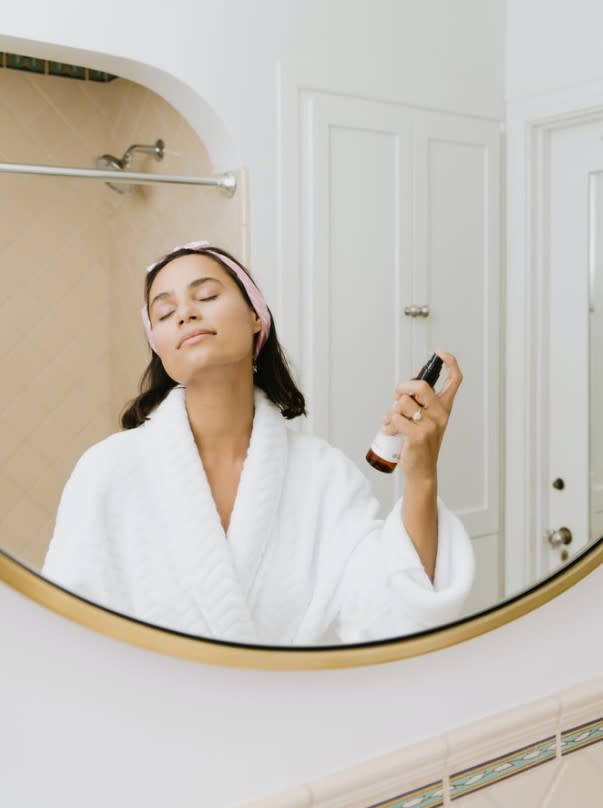
No doubt you have seen words like "all natural," "hypoallergenic" and "patented" on your beauty products. But have you ever stopped to ask what they mean?
Brands love terms like these because they suggest concrete benefits. However, as long as they don't claim to change the body's structure or function, companies don't need FDA approval to market new products to the public and are not required to provide any research to prove their claims. These days, it feels like you would need a degree in chemistry to understand some of the catch phrases on skincare products. David Petrillo is an LA-based beauty chemist and founder of skincare company Perfect Image who wants to help consumers understand what this frequently used language means.
Gone are the days when simple statements such as "oil-free" would suffice. Perhaps the most common phrase is clinical formula. As David Petrillo explains, "This has no real meaning. It does not necessarily indicate that the formula was produced in a medical clinic as the manufacturers would have people believe. Clinically tested could very well indicate that the product was tested, but what was it tested for? What were the results? Essentially, this claim can be meaningless."
Here are 10 more commonly misunderstood terms to watch for:
All natural
It doesn't mean the product is organic or chemical-free. After all, chemicals are "natural," too.
Organic
The U.S. Department of Agriculture certifies organic food ingredients found in cosmetics, but not essential oils or plants used for cosmetic purposes. To carry the USDA Organic seal, a product must contain at least 95% organic food. Other countries have their own organic certification labels, such as COSMOS and NaTrue in the European Union and NASAA in Australia.
Hypoallergenic
Think this guarantees you won't have a reaction? Think again. These products can still contain ingredients some people are allergic to, including preservatives and fragrance.
Fragrance-free
These products may not have a noticeable smell, but can still contain "masking" scents to cover up ingredients with unpleasant odors. Look for the words "no fragrance added" instead.
Non-comedogenic
While non-comedogenic products are usually oil-free and therefore less likely to cause breakouts, there's no guarantee they won't. In fact, many contain dimethicone, a known acne aggravator.
Helps pre-mature aging
Perhaps the most appealing of all claims from a consumer standpoint is this statement. If a product truly prevented premature aging by affecting the structure of the skin, it would be classified as a drug and therefore would require FDA approval. Manufactures circumvent this by utilizing the fact that sunscreens prevent premature aging by decreasing the damaging effects of ultraviolet light on the skin. Therefore, if a product contains sunscreen, it may state "prevents premature aging' on the label."
Patented technology
This is a marketing term used to provide a sense that the consumer is buying something that is highly innovative. But patents aren’t necessarily a surefire sign that something is groundbreaking. Patents are sometimes authorized based on a technical change rather than a scientific breakthrough meaning new combinations of ingredients or methods of production can be promoted as being “patented technology.” What consumers really want to do is identify what their skin needs and buy products with ingredients that are proven to effectively improve the skin in that area.
Maximum strength
This is a term used often by skin cleansers and moisturizers. But this is a relative term, and consumers don’t exactly know what the maximum strength entails or how the product benefits their skin more than the competition.
Hydrating
Products and consumers often use hydrating and moisturizing interchangeably, but this is inaccurate. If you want to hydrate your skin, this means you have skin that has become dull and possibly dry - you need a humectant such as hyaluronic acid or glycerin to draw water to the cells. If you need to moisturize your skin, you need a moisturizer that seals water in to prevent water loss. Today there are a variety of moisturizers, especially gel moisturizers, that have components that are both moisturizing and hydrating. These are good, but your choice of product depends on the individual condition of your skin. If you have extremely dry or dull skin, you may need one product that performs one function very well, rather than a jack of all trades.
FDA Cleared
The FDA has different protocols for skincare products that make cosmetic claims as opposed to those that make more medical claims, such as promising to increase the production of collagen in the skin. Since that is a body function, the FDA treats those differently than normal skincare products. However, the FDA just stipulates that the product being sold is safe to use in the manner in which it is directed to be used. FDA approval is not a credential that shows the superiority of results.
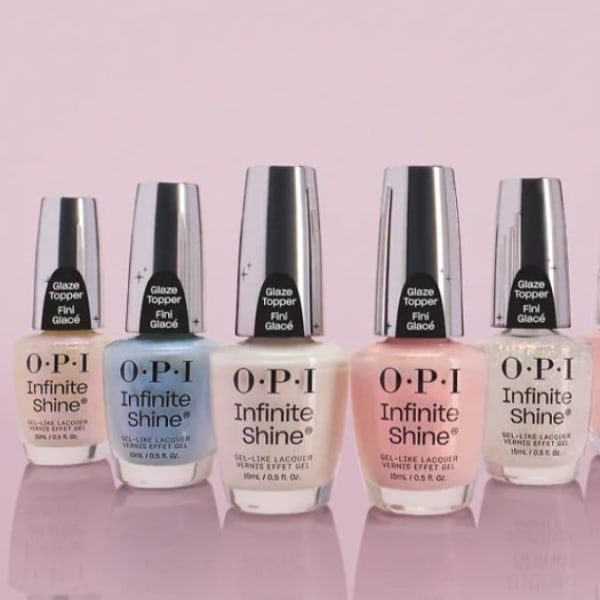
Some OPI nail colors became such classics that fans clamored for their return. And OPI--as always--paid attention to what clients and nail professionals were asking for.
If you can help a client in the early stages of hair loss, you not only help preserve their hair but also their relationship with you is preserved. We hear from certified trichologists on some myths, early warning signs, plus a launch that will help stylists support their clients with an easy solution.
The FutureIQ™ biomimetic hair longevity serum is a lightweight, fast-absorbing formula, powered by K18’s proprietary MultiVital™ technology, designed to simultaneously support hair retention, scalp vitality, and pigment longevity through biology-first intervention.
Sponsored by K18 Hair
In this expert column, internationally recognized educator Rita Perna Allor shares why beauty professionals are uniquely positioned to educate, support and empower clients, while staying within their professional scope of practice.

The most successful salon suites balance personality, function, and comfort. Megan Communale of My Salon Suite shares her best advice for designing a space that supports your business goals and leaves a lasting impression on every guest.
Schwarzkopf Professional Ambassadors Carly Zanoni and Brendnetta Ashley share the express color and treatment services helping stylists deliver great results in under 30 minutes while creating new opportunities for client retention and revenue growth.
After four decades developing skincare products, Lea Black shares her perspective on clean beauty, ingredient sourcing, product transparency, and the questions beauty professionals should ask when evaluating skincare brands.
After seasons of barely-there manicures and minimalist nail looks, chrome is officially back in the spotlight.
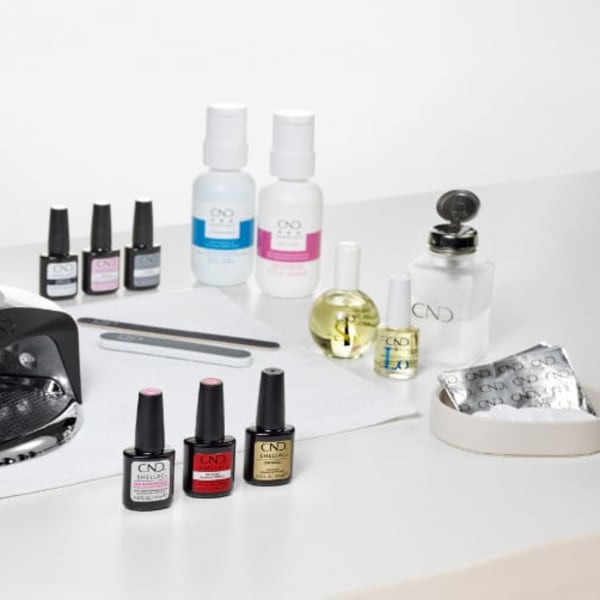
CND is relaunching its SHELLAC system with a new CND Visible Light Lamp, updated packaging, and an expanded shade offering.
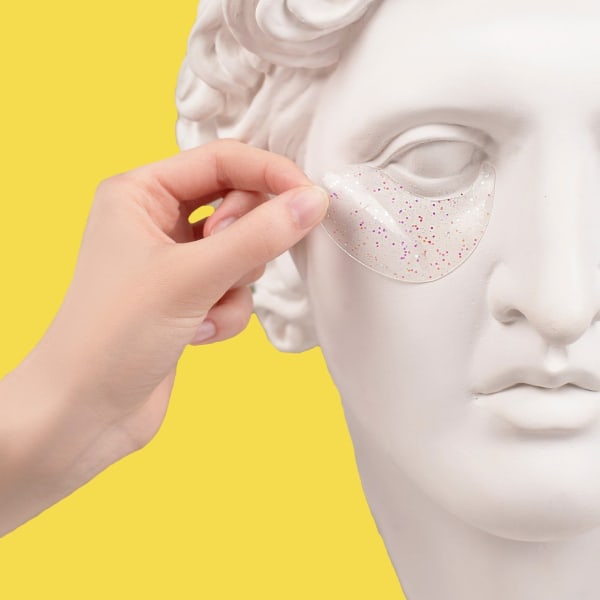
Today's clients are hearing more about longevity, biohacking, inflammation, and healthy aging than ever before. This article explores the science and language behind the skin longevity movement, and what it could mean for client consultations, treatment recommendations, and professional credibility.
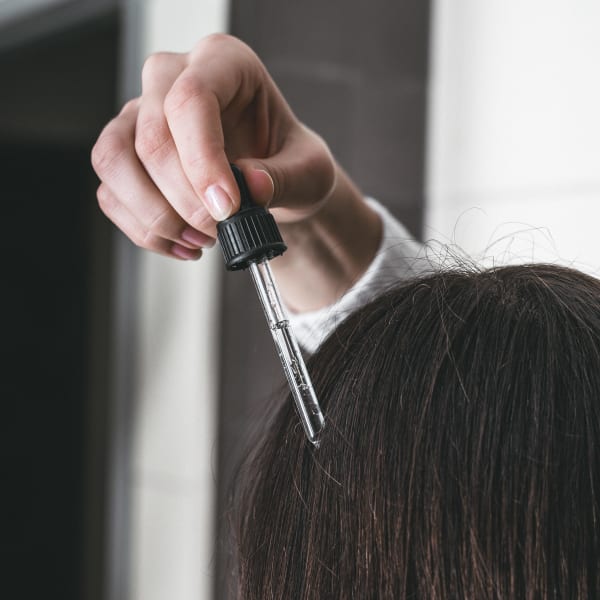
Interest in scalp care continues to accelerate. According to Spate data, #scalpcare content on TikTok has increased more than 149% month over month, as consumers look for products that support scalp balance and healthy hair growth.
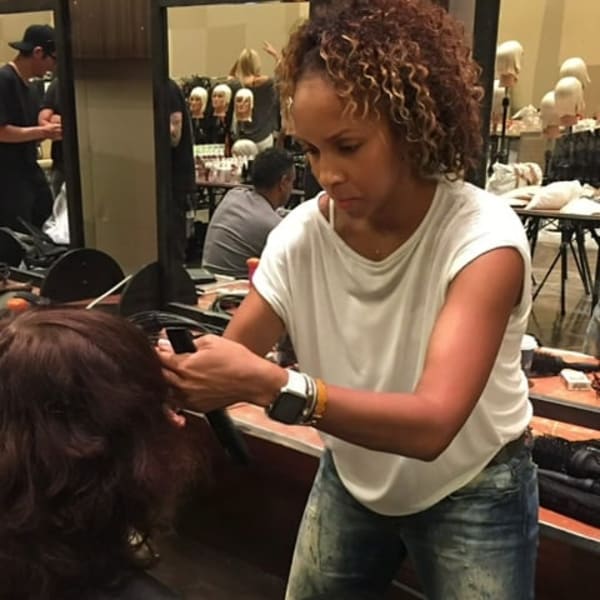
In an industry with so many options and opportunities, we asked artists what made them niche down and choose a specialty. Texas-based artist Kimberly Michelle has always loved focusing on healthy hair and scalp, and headspa rituals was a natural evolution.
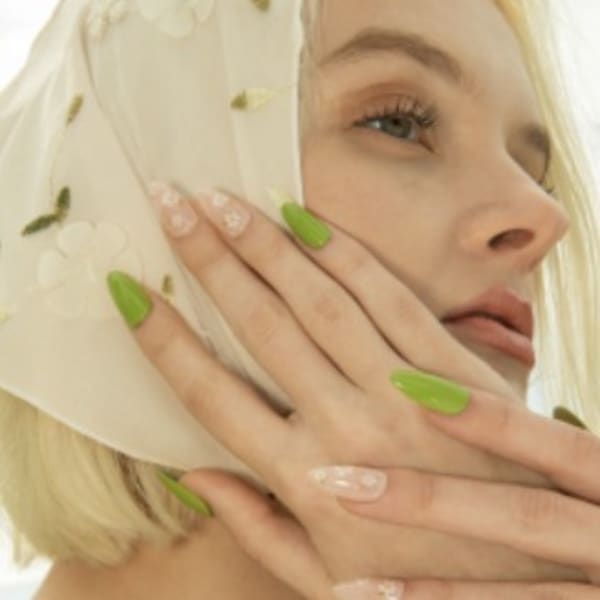
For years, press-on nails have been treated as the alternative to professional services. But the category has evolved and so has the client.
Explore this curated selection of standout brands and essential products shaping today’s growing wellness and spa industry.
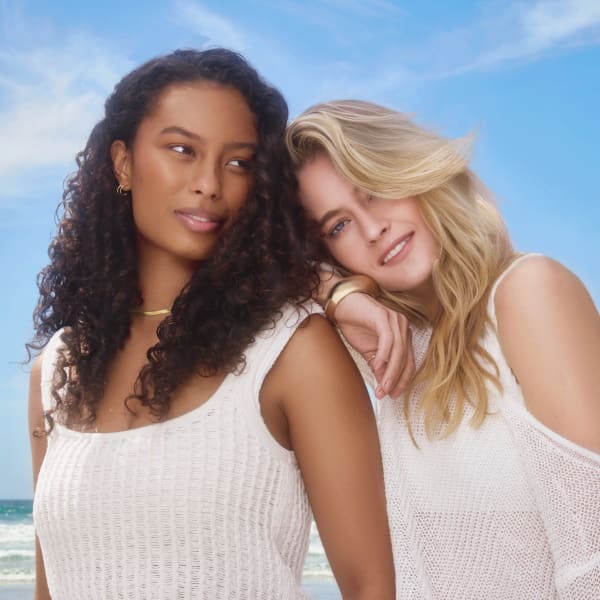
Neutralizing the damaging effects of water benefits the hair from texture to shine to color longevity, and it’s the science behind Malibu C products.
Sponsored by Malibu Wellness
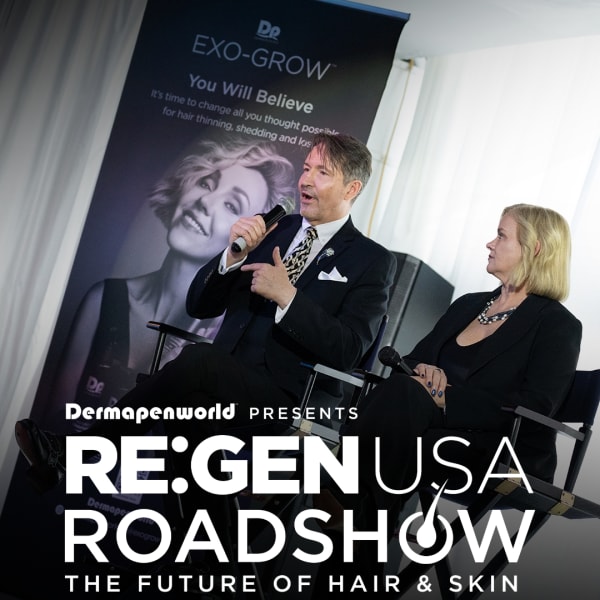
A multi-city tour from DermapenWorld spotlighted the growing convergence of hair, skin, and medical aesthetics and what it means for salon professionals.

After a successful career in strategic M&A (Mergers and Acquisitions) and working for a Fortune 500 company, Amit Shah decided to pursue franchise ownership and open a nail salon.