





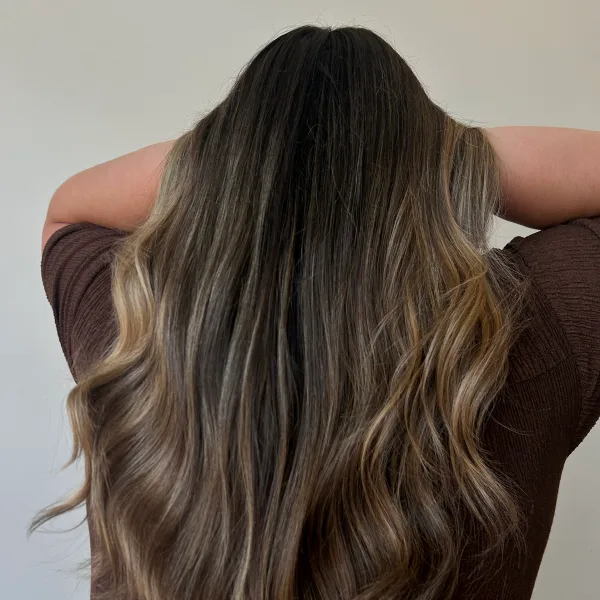
Sweet Treat
Skyla Kuykendall creates lived-in color with Paul Mitchell lightener and the Demi.
 MENU
 SEARCH
Sophia Avera demons how to transition your foil client to balayage.

Transitioning from foil highlights to balayage is easier than you think!
Sophia Avera, colorist and balayage expert based at Muse Salon, Atlanta, Georgia, is frequently asked how to convert her foil highlighting clients to balayage. “It’s something I’m asked on a regular basis,” Avera, a top educator for L’Oréal Professionnel, says. “Colorists think it is complicated, and it really is not. A good transition can take place immediately and after the third visit the client will never want to go back!”
Why do it, we asked Alvera. “It’s lower maintenance, for one,” Avera says, adding that you will move the client from six to eight weeks and charge more. “It will allow you to see more clients. It is also a younger looking color design, it’s fresher and more on trend. Balayage highlights are also best for that client who NEVER wants to see a line of demarcation.”
MODERN asked about the five key points about transitioning the foil client to balayage:
CONSULTATION: This is more important than ever, according to Avera. Is she happy with her existing shade? Is she looking for dimension? Is she looking for something less aggressive on her hair? “You must know this to determine how to best transition.”
HOW TO KEEP SOME OF THE EXISTING HIGHLIGHTS: “The key,” Avera says, “If you see something, do something. Touch up the highlights you like and erase the ones you don’t. Some of the pre-existing color can be put to good use. You just want to dry brush over the previously colored hair. Erase the ones you don’t want by painting over with a demi-perm, the shade of the clients natural hair or desired base.” How to determine level of lift: it all depends on the level of existing highlight. Do you want to match the preexisting or blur? Change saturation based on pre-existing highlights. Apply more product where there are no highlights, less on pre-existing.
IS THIS COMPLICATED?: It’s not a dramatic and complicated thing, according to Avera. “Keep it simple. Take medium size sections. Pull out and apply color or erase where needed. Some sections may need up to 4 points and some may just need a lowlight.”
FOR CURLY OR TEXTURED HAIR?: Says Avera – “Foils can straighten curly hair, while balayage respects the curl pattern.”
HOW TO CHARGE: “The first time is a color correction,” Avera says. “It will take more time and product. Charge accordingly.” After that, according to Avera, it is a touch-up.
MODERN met with Avera as she was taking a break during her social media and balayage bootcamp held at SalonCentric in St. Petersburg, Florida. Here she demonstrates how to easily transition a foil client to balayage:
Skyla Kuykendall creates lived-in color with Paul Mitchell lightener and the Demi.
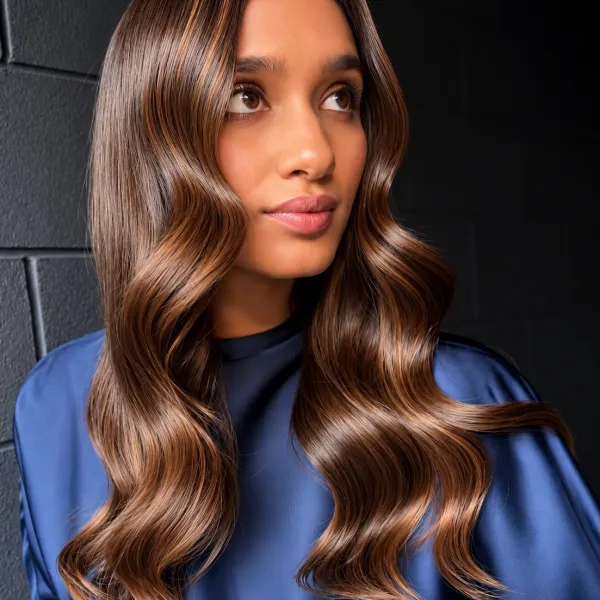
Grethe Helen Sagmoen combines highlights, lowlights, and ArganID™ Glossing with Moroccanoil.
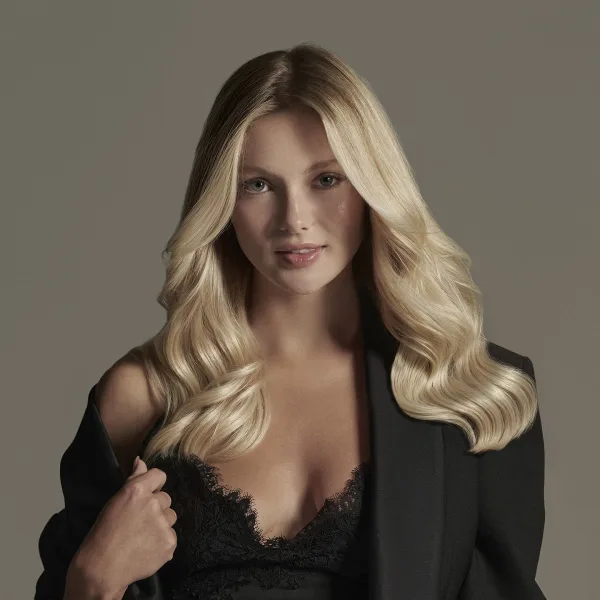
Mike Sharkey maps out a teasylight placement with Satin Hair Color SilverLift.
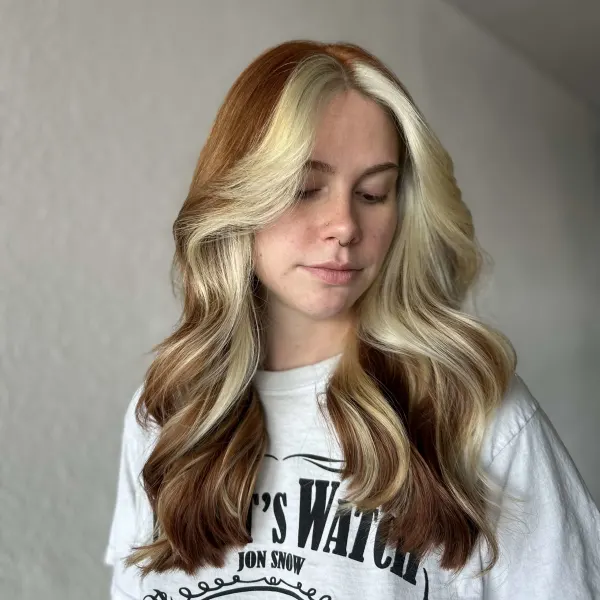
Brooke Alexis pairs an Aquarely formula with targeted color placement and blonde accents.
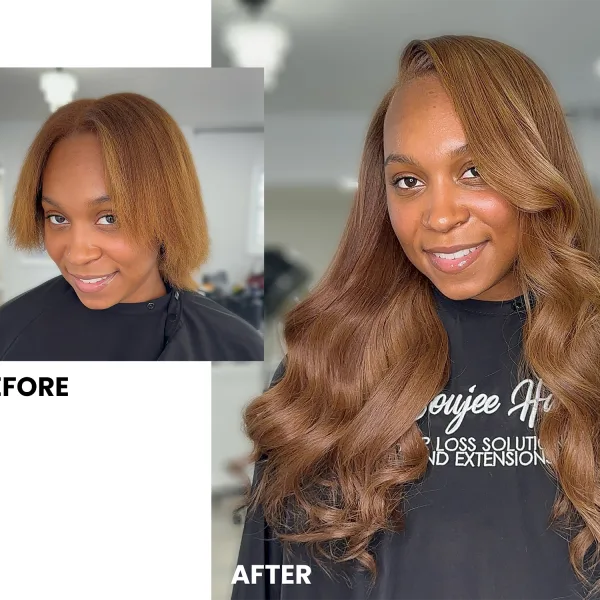
Shonda Sharee shares her approach to coordinating color on natural hair and extensions.
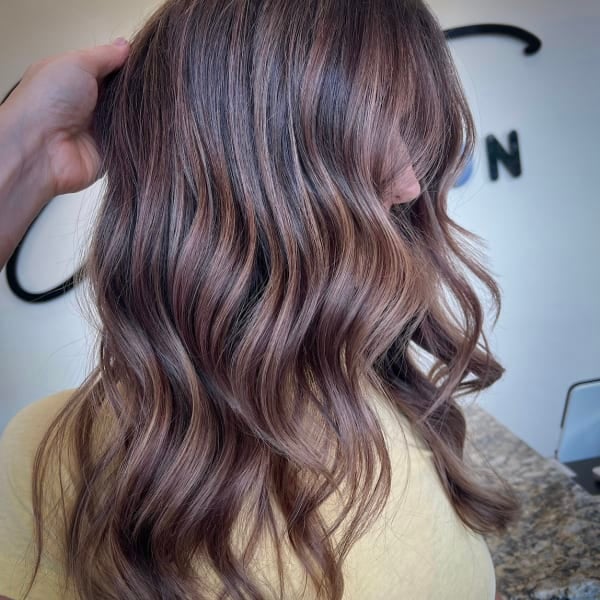
Stevie Meech combines lowlights, a root melt, and an all-over toner using Schwarzkopf Professional IGORA VIBRANCE.
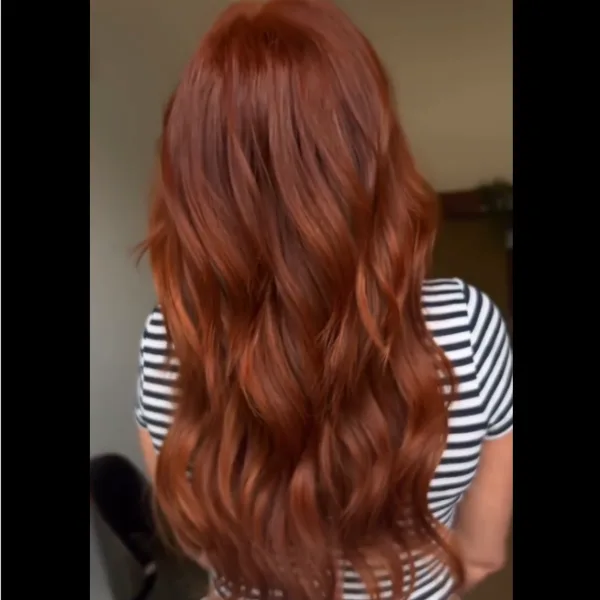
John Paul Mitchell Systems The Color ZERO offers effective permanent color without any of the harshness and with all of the protection. See how these artists used the line to achieve stunning, fall-inspired results.
Sponsored by John Paul Mitchell Systems
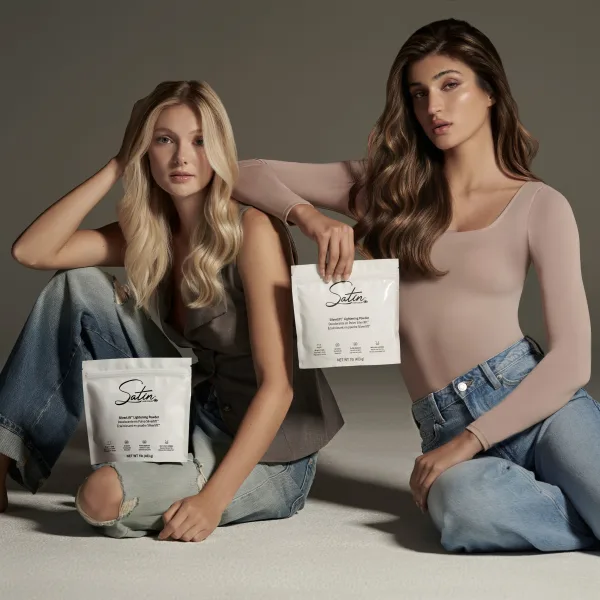
Satin Hair Color’s new education series debuts Expression Brunette and Obsession Blonde, with step-by-step techniques and formulas from colorist Mike Sharkey.
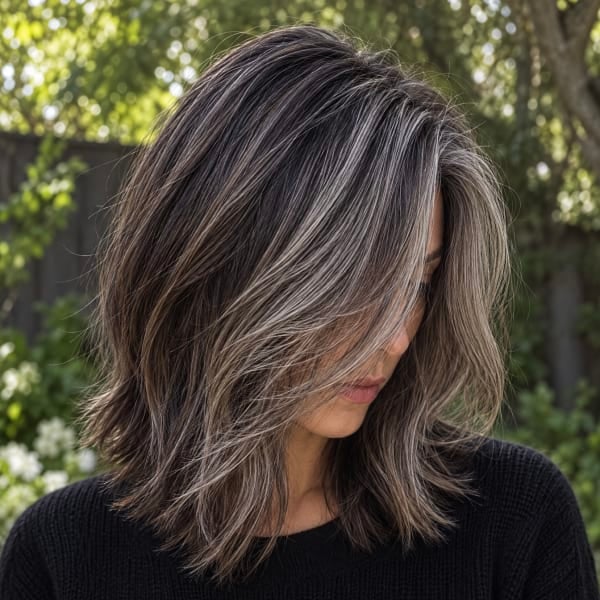
Gray blending offers the best of both worlds for those stuck between wanting to lean into their grays and wanting to run from them. Satin Hair Color, known for its expertly formulated professional color, is here to provide tips and tricks for achieving the perfect gray-blending technique for your clients.
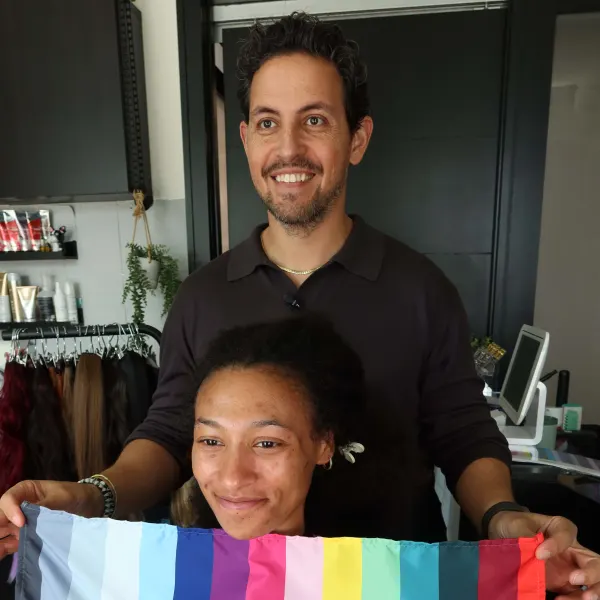
Using Color Analysis, a system formalized in the 1980s, these stylists create something optimized to bring out the best in their clients, while also helping them stand out with this specialty.

From tackling stubborn grays and unwanted warmth to achieving the perfect blonde, Moroccanoil Professional artists share their advice and color solutions.
Sponsored by Moroccanoil
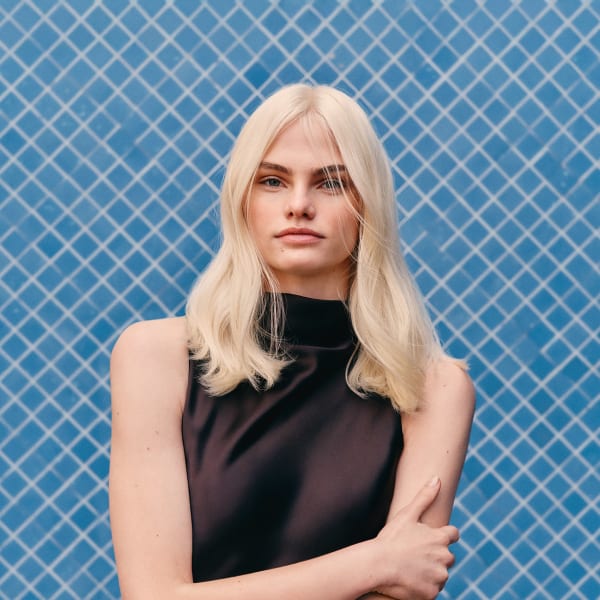
Are your blondes feeling blah? Give ’em a lift with LightDimensions SilkLift Strong
Sponsored by Goldwell

Trending, fool-proof, and fantastic formulas.
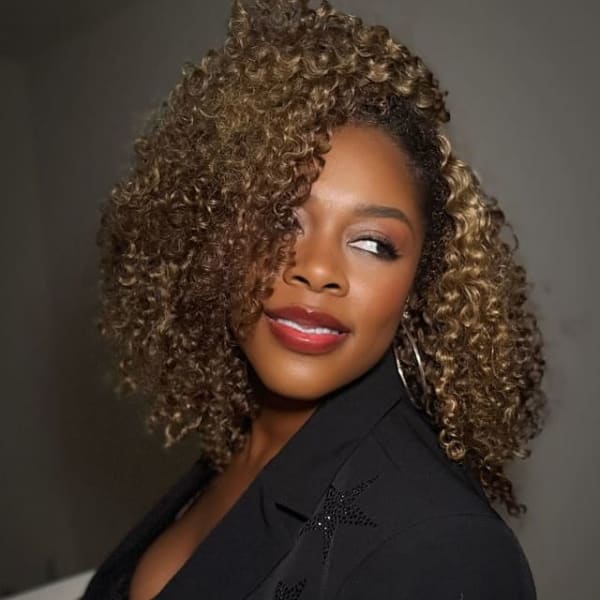
Schwarzkopf Professional Ambassadors Carly Zanoni and Brendnetta Ashley share the express color and treatment services helping stylists deliver great results in under 30 minutes while creating new opportunities for client retention and revenue growth.
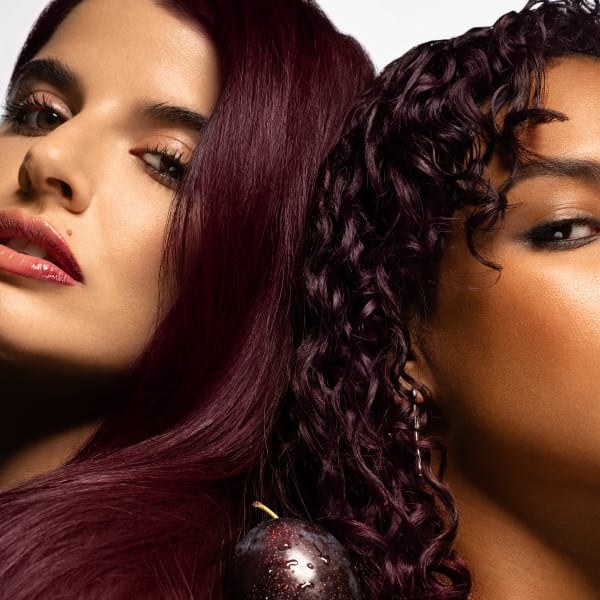
As rich red-violet tones continue trending, the brand introduces two new demi shades designed for depth, shine, and dimensional color.
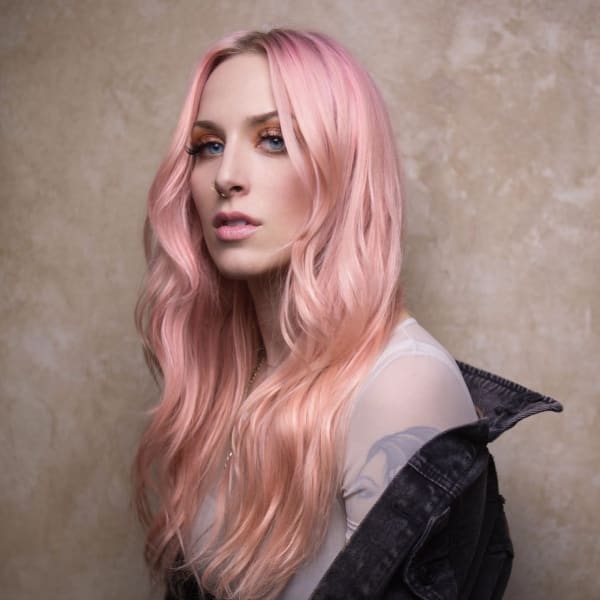
In an industry with so many options and opportunities, we asked artists what made them niche down and select a specialty. Amelia Fugitt (@ameliahairmakeup) says choosing to focus on transformations has transformed her career.
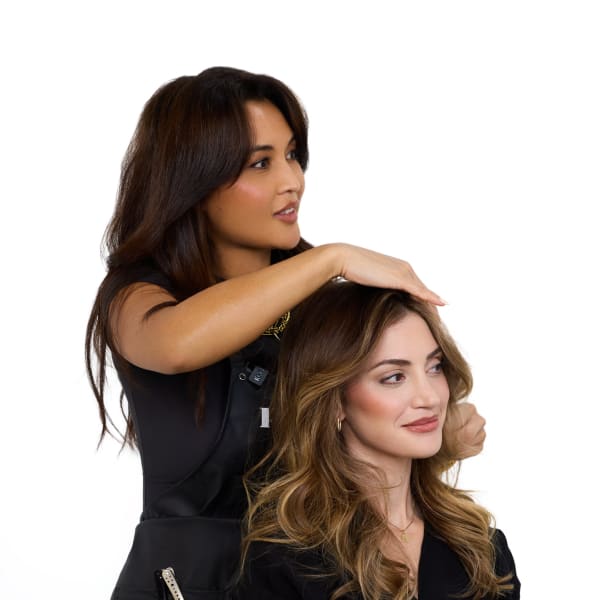
From gray blending to glossing services, stylists are redefining low-maintenance hair color and building more consistent, profitable salon business.