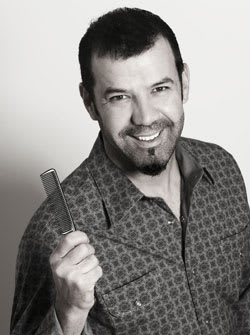
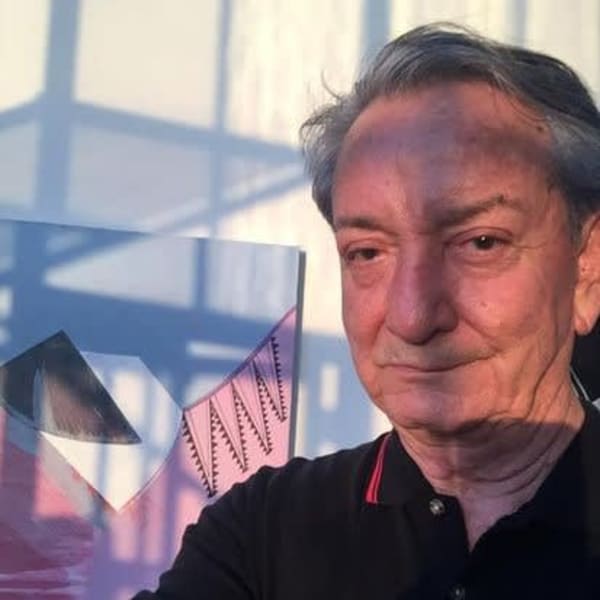
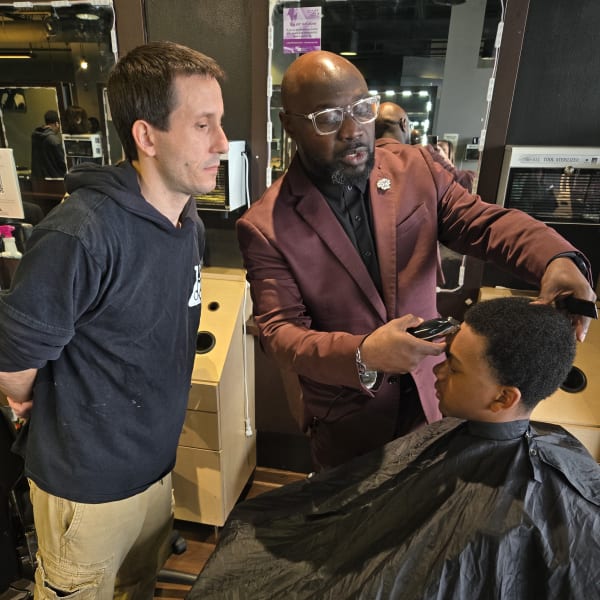
Denis DaSilva, co-owner of DevaConcepts (devaconcepts.com), says, “My ideas that have turned into new products and tools started from a desire for better performance.
by Web Editor
July 11, 2011
2 min to read
Q: How do you turn an idea into a new product or tool?
Ad Loading...
Denis DaSilva
A: Denis DaSilva, co-owner of DevaConcepts (devaconcepts.com), says, "My ideas that have turned into new products and tools started from a desire for better performance.
"When I need a more efficient and effective way of styling hair with better results, I start thinking about it-a lot. I begin to look around and research if something exists that works better. If I can't find anything, I start thinking out of the box. My motivation, always, is the desire to make things easier or better for my stylists and clients. One of my biggest challenges was for our curly-haired clients to dry their hair at home with salon results. The only available option was a traditional diffuser, but it doesn't produce the results we wanted. This led to my re-invention of the diffuser and I created the DevaFuser, which cultivates fuller curls.
"I work in steps. Step one is the desire for solutions to improved performance and quality, which leads to the idea. I then play around with different materials and hardware, piecing these things together to create a prototype of what could work better.
"Once I have a basic prototype of the tool I'm designing, I move on to step two, hiring a patent attorney to perform a patent search. If a patent is not found, we begin the legal process of patenting the tool. This is time consuming and expensive. This step alone can cost between $5,000 and $30,000.
"In step three I work closely with a product design company that specializes in designing hair tools to create a final prototype until we have the perfect tool that meets my expectations.
"Step four is the courage to take risks and do it! It's important to assess whether or not you have the resources to see the project the whole way through. It's critical to be realistic about manufacturing and distribution, and how you will market and sell your product.
"Once you've decided to make the leap, it's important to find the right manufacturer who will make it for the right price and the distributor you have a good relationship with.
"The last step is public relations and marketing. I have a great team who have been with me since the beginning. I just leave them alone and trust them do their job."
Anny VanDriel, owner of Be Rosie Salon and creator of Pricing Isn’t Personal, volunteered to share a pricing presentation to beauty school students a year ago, and ended up learning more than she expected.
From the launch of the Ulta BeautyArtist Collective to the evolution of Trendspiration, celebrating stylists is what The Salon at Ulta Beauty does best.
With more than four decades in the industry, hairdresser and MODE Education founder Stan Newton has built a career around the art and discipline of cutting hair, learning the rules so he can break them.
Beauty professionals should evaluate each service based on its popularity, profitability, and alignment with current trends. Conducting client surveys and analyzing booking data can provide insights into which services are in demand and which might be phased out.
LifeSpa leader Ali Yanez explains why strong mentorship, predictable income, meaningful recognition and the right work environment help beauty professionals build careers that last.
Whether a beauty professional chooses a commission salon, booth rental, salon suite or salon ownership, the common thread is having more choices than ever before.
Sport Clips Haircuts will host its inaugural "Level Up Live," a first-of-its-kind virtual event that combines live haircutting education, career inspiration, product knowledge, and employment opportunities for licensed stylists and cosmetology students nationwide.
Orthopedic PT reveals three daily exercises plus ergonomic advice that can help salon professionals avoid the aches and injuries caused by standing, bending and repetitive overhead work.
Salon suite pioneer Karen Kaminski argues that the next evolution of independent beauty businesses won't be defined by beautiful spaces alone, it will be driven by smarter systems that help professionals spend less time on administrative work and more time serving clients.
At a time when many LGBTQ+ people felt compelled to hide parts of themselves, Carlos Valenzuela found a career in beauty and a community that offered opportunity based on what you could do and how well you could do it.
Whether it's social media, fashion, film, art, or culture, Chaz Dean advises stylists to stay aware of what's inspiring people. Take the elements that make sense for you in these five lessons learned through a life in beauty.
For Jessica Domoney, building a successful career isn't about saying yes to every opportunity, it's about protecting your time, investing in yourself and creating an experience clients won't forget.
"The mistake people make is treating AI like a vending machine instead of a personal assistant." Digital marketing expert Scott Moon shares how beauty professionals can use AI while staying authentic
Real-world advice on creativity, consultations, color, burnout, business, boundaries, inclusivity, client care, and career growth from educators and industry experts.
Real-world advice on creativity, consultations, color, burnout, business, boundaries, inclusivity, client care, and career growth from educators and industry experts.