2015 ushered in a wave of interpretations of the pixelated haircolor technique—no one owned the technique more than Philip Ring. AT A RECENT CLASS at Chicago’s Red7 Salon, educator, stylist and self-described amateur magician ...
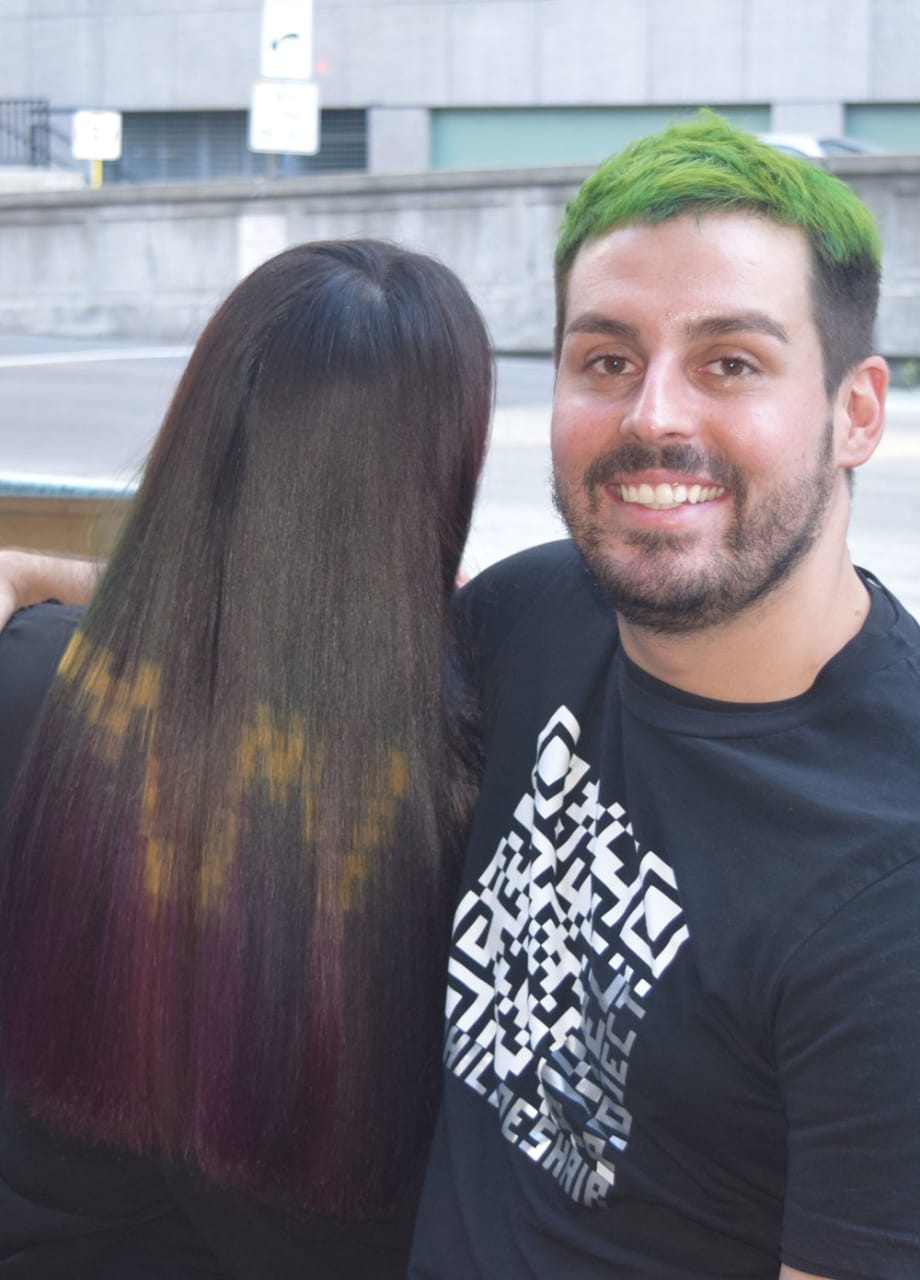
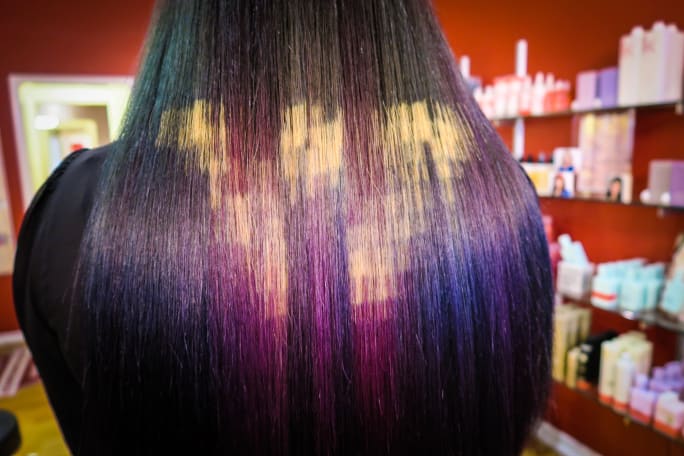
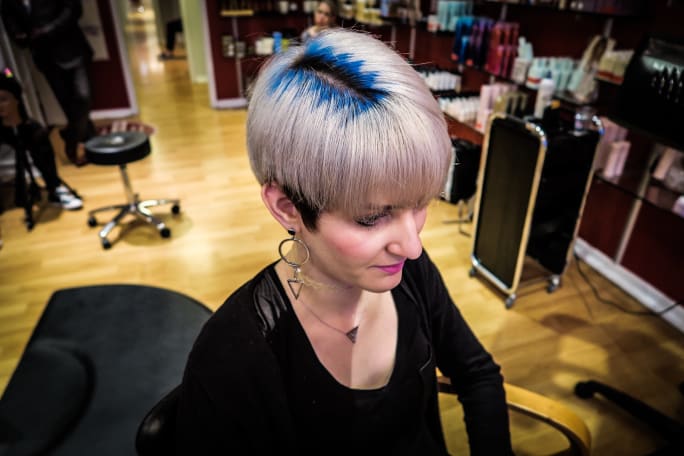
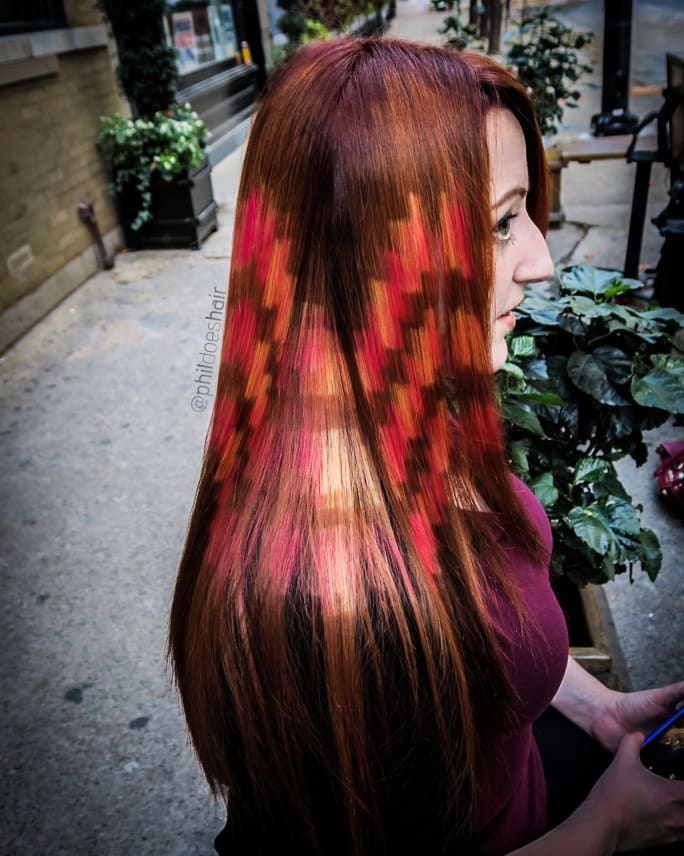
2015 ushered in a wave of interpretations of the pixelated haircolor technique—no one owned the technique more than Philip Ring.
AT A RECENT CLASS at Chicago’s Red7 Salon, educator, stylist and self-described amateur magician Philip Ring (@phildoeshair) began his introduction with a simple magic trick. Attendees were at the class to learn how to create Ring’s claim to fame—pixel haircolor, a technique in which color application creates a geometric design—but a magic trick to start the morning? Why not.
Ad Loading...
Ring turned four pieces of cloth in varying colors into one ribbon of rainbow cloth, and then, unlike traditional magicians, he revealed his secret.
“When it comes to pixelated haircolor, it’s all about the illusion,” Ring said.
The technique was first made public by a creative group in Spain called X-Presion Creativos. Now, Ring has made a name for himself by becoming synonymous with the technique.
2015 was the year everything changed for Ring. He had been working independently at an Arizona salon suite with a dedicated clientele. For years, he scrounged every dollar he profited for tools and education.
“When you invest in education, you invest in yourself,” Ring says.
Ad Loading...
Although there were spurts of inspiration, overall, Ring felt tied down in his suite. In January, he left the suite and moved to Phoenix to work in a traditional salon environment.
“I lost a lot of clients, so I had a lot of free time,” he says. “When you own your own business and have to deal with the numbers, and then all of the sudden you don’t, you can do more of what you want to do.”
Ring bought a high-end camera and amped up his social media game by showcasing his creative-color skills. In February, the stylist had nearly 2,000 Instagram followers.
He noticed on social media colorists were trying to master pixelated hair, but it wasn’t coming out right.
“I started pixelating when I had a week and a half where I just didn’t have any clients,” he says.
Ad Loading...
He bought six mannequin heads and devoted this time off to practice. Ring described the first mannequin as a disaster, the second as an improvement, and the pattern on the third as too intense, but felt confident trying it on a client.
“I discovered doing pixels is taking cutting techniques and turning them into coloring techniques,” he says. “We’ve always been consumed with haircolor being applied vertically, like balayage, foil and caps. Now we’re looking at it working across the hair.”
Ring isn’t letting out his secret. Although MODERN can’t disclose “magic,” love it or hate it (or just want to figure out how to do it!) pixel color has put Ring on the map. He urges others to flex their creative muscles, hone in on a skill they feel confident at—like he did with cutting—and transfer the technique to another specialty area.
“Inspiration comes with the talents that you already have,” he says.
To see Ring’s illusion in practice, visit his website, PhilDoesHair.com. Video tutorials are available for purchase here on the site to see the secret behind his magic trick.
Ad Loading...
*Photos included in the article courtesy of Philip Ring, all models from this class.
What makes salon content worth a pause? Hairstylists Janelle Eyre, Sean Crutcher and Luis Rodriguez share how they show their work, earn guests’ trust and make posting feel manageable. You can get MORE from these artists in our upcoming webinar!
Anny VanDriel, owner of Be Rosie Salon and creator of Pricing Isn’t Personal, volunteered to share a pricing presentation to beauty school students a year ago, and ended up learning more than she expected.
From the launch of the Ulta BeautyArtist Collective to the evolution of Trendspiration, celebrating stylists is what The Salon at Ulta Beauty does best.
With more than four decades in the industry, hairdresser and MODE Education founder Stan Newton has built a career around the art and discipline of cutting hair, learning the rules so he can break them.
Beauty professionals should evaluate each service based on its popularity, profitability, and alignment with current trends. Conducting client surveys and analyzing booking data can provide insights into which services are in demand and which might be phased out.
LifeSpa leader Ali Yanez explains why strong mentorship, predictable income, meaningful recognition and the right work environment help beauty professionals build careers that last.
Whether a beauty professional chooses a commission salon, booth rental, salon suite or salon ownership, the common thread is having more choices than ever before.
Sport Clips Haircuts will host its inaugural "Level Up Live," a first-of-its-kind virtual event that combines live haircutting education, career inspiration, product knowledge, and employment opportunities for licensed stylists and cosmetology students nationwide.
Orthopedic PT reveals three daily exercises plus ergonomic advice that can help salon professionals avoid the aches and injuries caused by standing, bending and repetitive overhead work.
Salon suite pioneer Karen Kaminski argues that the next evolution of independent beauty businesses won't be defined by beautiful spaces alone, it will be driven by smarter systems that help professionals spend less time on administrative work and more time serving clients.
At a time when many LGBTQ+ people felt compelled to hide parts of themselves, Carlos Valenzuela found a career in beauty and a community that offered opportunity based on what you could do and how well you could do it.
Whether it's social media, fashion, film, art, or culture, Chaz Dean advises stylists to stay aware of what's inspiring people. Take the elements that make sense for you in these five lessons learned through a life in beauty.
For Jessica Domoney, building a successful career isn't about saying yes to every opportunity, it's about protecting your time, investing in yourself and creating an experience clients won't forget.
"The mistake people make is treating AI like a vending machine instead of a personal assistant." Digital marketing expert Scott Moon shares how beauty professionals can use AI while staying authentic